If you're buying your first interchangeable-lens camera in 2024, the biggest question is often simple: should you start with an entry-level mirrorless camera, or save money by picking up a used DSLR? This guide is for beginners who want the best mix of image quality, ease of use, upgrade potential, and overall value. While the used market can offer excellent deals, mirrorless systems are often easier for new photographers to learn on thanks to live view exposure previews, better autofocus in many newer bodies, and smaller travel-friendly kits. On the other hand, used DSLRs still make sense for budget-conscious shooters who want affordable lenses and a more traditional handling experience.
To help illustrate where the value is, we've also highlighted a few beginner-relevant used lens options from Unique Photo that fit the kinds of systems first-time buyers often consider.
Quick Answer: Which Is the Better Value?
For most beginners in 2024, entry-level mirrorless cameras are the better long-term value. They are easier to learn, generally more future-proof, and often offer better autofocus, video features, and compactness than older used DSLRs. However, used DSLRs are still the better short-term budget value if your priority is getting the most camera and lens for the least money.
Mirrorless vs. Used DSLR at a Glance
| Category | Entry-Level Mirrorless | Used DSLR |
|---|---|---|
| Ease of Learning | Excellent; real-time exposure preview helps beginners | Good, but optical viewfinders show less shooting feedback |
| Autofocus | Typically better for face/eye detection on newer models | Can still be strong, especially for stills, but older systems vary |
| Lens Pricing | Can be higher depending on mount | Usually excellent value on the used market |
| Size and Weight | Usually smaller and lighter | Usually larger and heavier |
| Battery Life | Usually shorter | Usually better |
| Video Features | Usually better | Often more limited on older bodies |
| Future Upgrade Path | Generally stronger for modern systems | More limited, especially in discontinued DSLR lines |
Why Beginners Often Do Better with Mirrorless
A beginner usually benefits most from a camera that makes photography feel intuitive. That's where mirrorless shines. Seeing exposure changes live in the screen or electronic viewfinder reduces guesswork. Face and eye autofocus can make portraits easier. Smaller kit lenses also make it more likely you'll actually carry the camera with you.
Mirrorless is especially appealing if you want to shoot a mix of photos and video, travel light, or grow into a modern autofocus system. The tradeoff is that lenses can be more expensive, and some entry-level mirrorless systems have uncertain long-term support depending on the mount.
Why a Used DSLR Still Makes Sense
If your budget is tight, used DSLRs remain one of the best bargains in photography. You can often build a capable kit for less money than a comparable mirrorless setup, especially if you're buying older lenses. DSLRs also offer comfortable grips, strong battery life, and an optical viewfinder experience many photographers still love.
The catch for beginners is that older DSLR bodies can feel less forgiving. Live exposure preview is less central to the shooting experience, autofocus in video is often weaker, and some systems no longer receive the same level of development as mirrorless lines.
Recommended Beginner-Friendly Used Lens Options
These products help show the kinds of value-oriented lens choices beginners might consider depending on the system they choose.
Used Canon EF-M 15-45mm f/3.5-6.3 IS STM - Good
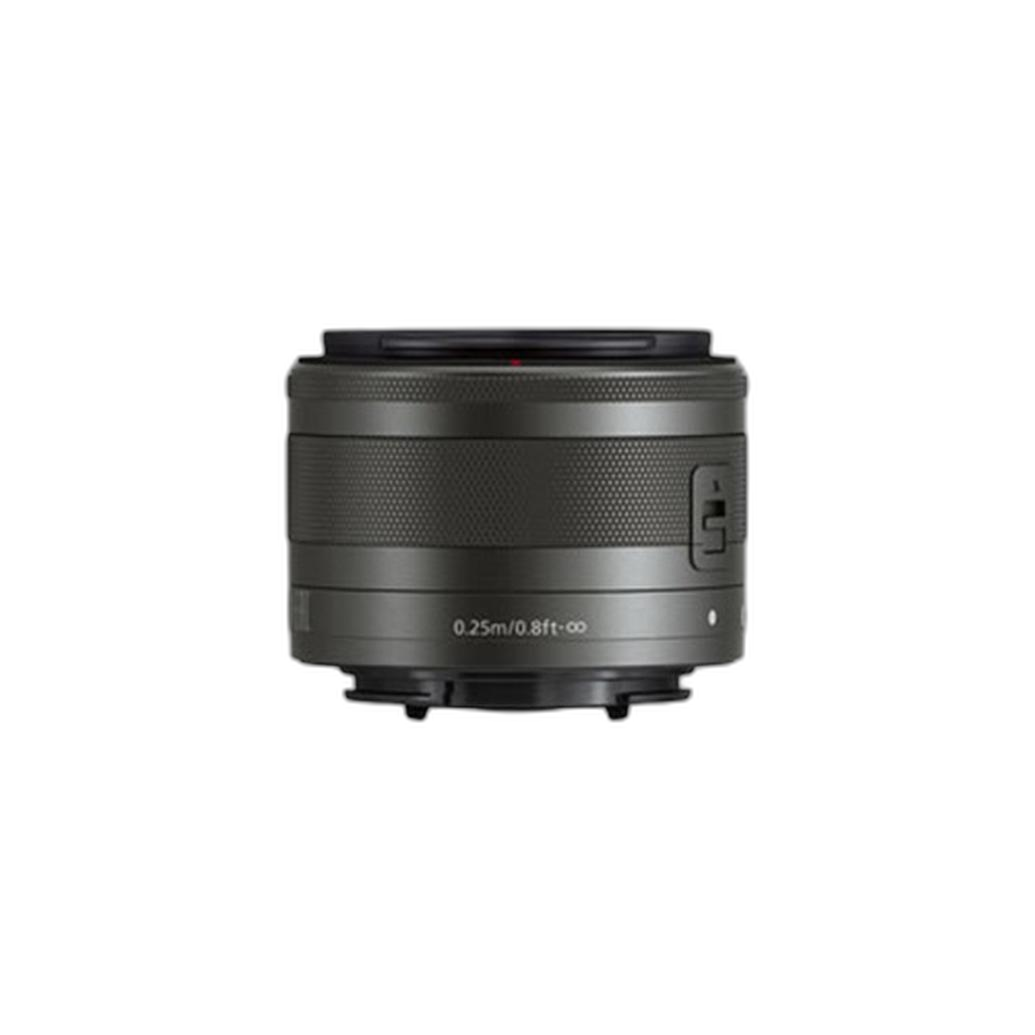
This is the clearest beginner pick in the group because it fits the classic first-lens formula: compact, flexible, and easy to use. A 15-45mm zoom covers everyday shooting from wide travel scenes to casual portraits, and image stabilization is especially helpful for new photographers shooting handheld. STM focusing also makes it friendlier for video and smoother autofocus transitions.
For anyone starting with a used Canon EOS M mirrorless body, this is a practical low-stress lens that keeps the overall kit lightweight and affordable.
Best for: Beginners choosing a small used mirrorless setup, travel, family photos, and everyday learning.
Used Canon FD 50mm f/1.8 Lens - Good
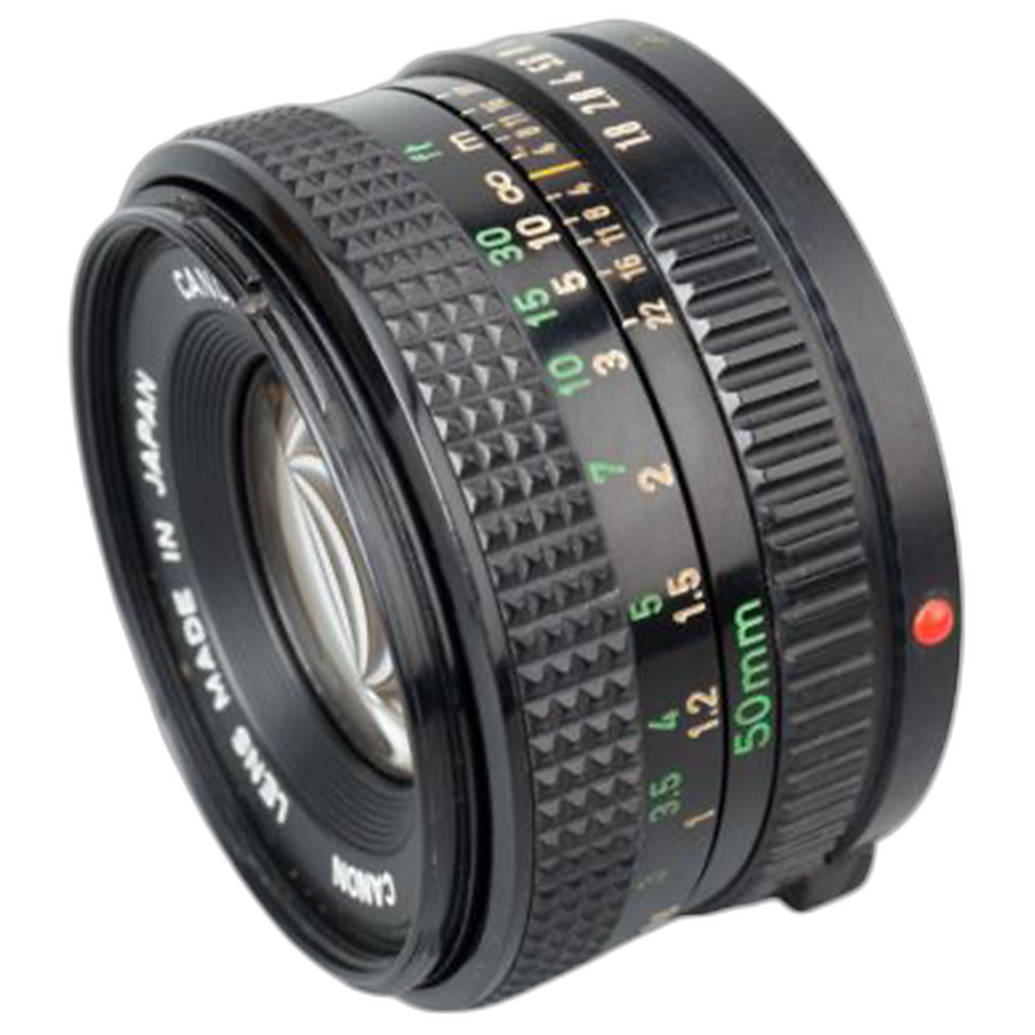
The Canon FD 50mm f/1.8 represents the kind of low-cost legacy lens value that often draws people toward older systems and adapted shooting. It's compact, classic, and capable of attractive background blur for portraits and detail shots. For beginners interested in slowing down and learning manual focus fundamentals, a lens like this can be a fun, inexpensive way to build skills.
That said, this is not the most beginner-friendly everyday recommendation compared with a modern kit zoom. Adapted or manual-focus lenses are better as a second step once you're comfortable with exposure and composition.
Best for: Budget experimentation, portraits, and learning manual techniques.
Used Nikon 50mm f/1.2 Ai - Good
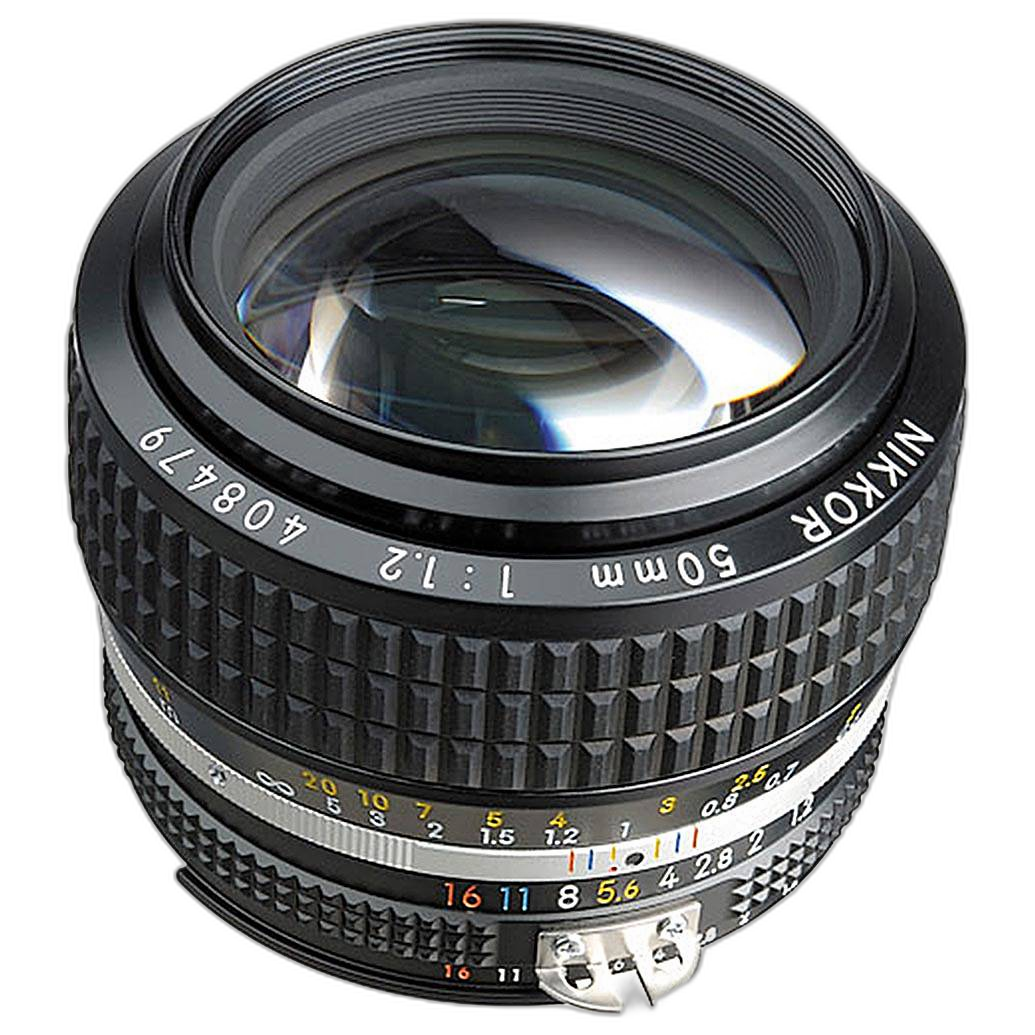
This lens is exciting because of its very fast f/1.2 aperture, but it's also more specialized than many true beginners need. It appeals to photographers who want a distinctive rendering style, strong low-light capability, and a classic manual-focus shooting experience. In a used DSLR conversation, it represents one advantage of older systems: access to character-rich legacy glass.
Still, for a first lens, an f/1.2 manual option can be challenging. Shallow depth of field makes focusing less forgiving, and it won't match the convenience of an autofocus zoom for general use.
Best for: Enthusiastic beginners with artistic goals, low-light portraits, and legacy-lens fans.
Comparison: Which of These Lenses Makes the Most Sense for a Beginner?
| Product | Type | Beginner Friendliness | Main Advantage | Best Use |
|---|---|---|---|---|
| Canon EF-M 15-45mm f/3.5-6.3 IS STM | Mirrorless kit zoom | Excellent | Versatility and stabilization | Everyday shooting |
| Canon FD 50mm f/1.8 | Legacy prime | Moderate | Low-cost classic look | Portraits and learning manual focus |
| Nikon 50mm f/1.2 Ai | Fast legacy prime | Moderate to low | Very shallow depth of field and low-light potential | Creative portrait work |
What Should You Actually Buy in 2024?
If you're brand new and want the smoothest learning curve, go with an entry-level mirrorless camera and a simple kit zoom. You'll get a more beginner-friendly shooting experience, better modern autofocus, and a system that feels current. If you already know you prefer photography over video and want the lowest possible cost, a used DSLR kit can still be excellent value, especially when paired with affordable used lenses.
The smartest decision comes down to how you plan to use the camera:
- Choose mirrorless if you want easy operation, modern autofocus, lighter gear, and better hybrid photo/video performance.
- Choose a used DSLR if your budget is strict and you want the most hardware for the money.
- Choose a kit zoom first if this is your first interchangeable-lens camera.
- Add a fast prime later once you know you enjoy portraits, low light, or creative blur.
Final Verdict
For most beginners, entry-level mirrorless cameras offer the best overall value in 2024 because they are easier to learn, more compact, and better aligned with where the camera market is headed. A used DSLR is still a smart buy if minimizing cost is the top priority, but it usually makes the most sense for shoppers who are comfortable buying into an older ecosystem.
If you're building your first kit, a lens like the Used Canon EF-M 15-45mm f/3.5-6.3 IS STM is exactly the kind of practical, beginner-focused option worth looking for. Browse used lenses and camera gear at Unique Photo to find a setup that matches your budget and your learning goals.