Find Your Edge in Photo Contests
When you’re deciding what to submit—your crowd-pleasing, time-tested images or your latest, unproven work—you’re really weighing credibility against novelty. Judges look for theme adherence, originality, and technical excellence. The sweet spot is a portfolio that reads as intentional, on-brief, and impeccably crafted. Use these tips to build a shortlist you’re proud to stand behind.
12 Practical Tips for Smarter Contest Submissions
1) Start with the brief—and study what’s won before
Highlight the contest’s theme, judging criteria, and disqualifiers. Then analyze past winners for visual trends and standards of craft. This helps you decide if a proven image still feels competitive or if the bar now demands a new approach.
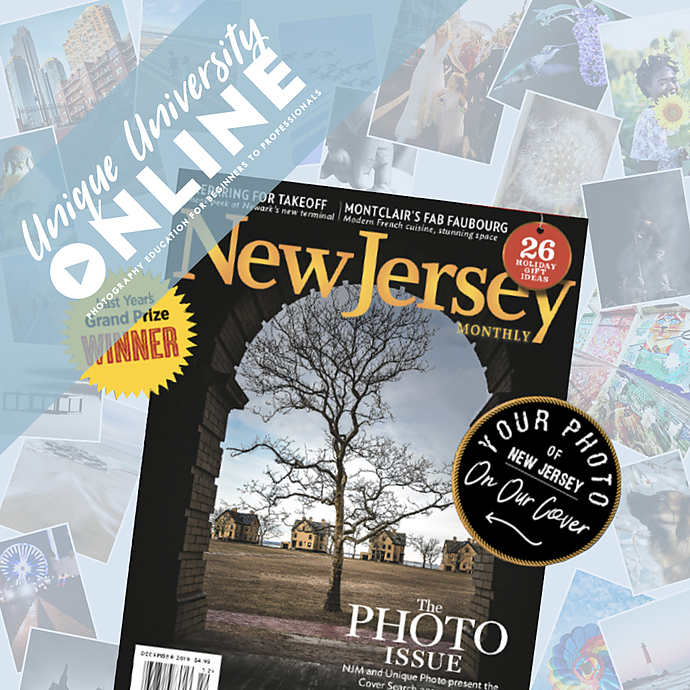
Unique University’s past-winner reveal events, like NJ Monthly’s Cover Search Winners Reveal, are a great way to see how judges respond to cohesion, subject choice, and presentation.
2) Define your strategy: safe bet or swing for the fences
If the contest theme is narrow, a refined, previously celebrated image can be your safest bet. If the brief encourages experimentation, submit recent work that expands your voice. Decide early so you can shortlist with purpose.
3) Build a shortlist that speaks the theme first
Gather 10–20 candidates and eliminate anything that doesn’t clearly answer the brief. A great photo that’s off-theme is noise—and it may cost you a slot in multi-image submissions.
4) Score each image: originality, impact, technique, and relevance
Create a quick rubric (1–5 for each category). If two images tie, prefer the one that tells the story faster or cleaner. Judges see thousands of files—clarity wins.
5) Get outside eyes to break deadlocks
Fresh perspective is invaluable. A portfolio consultation can quickly surface blind spots and confirm your strongest entry when you’re torn between a “greatest hit” and a new piece.
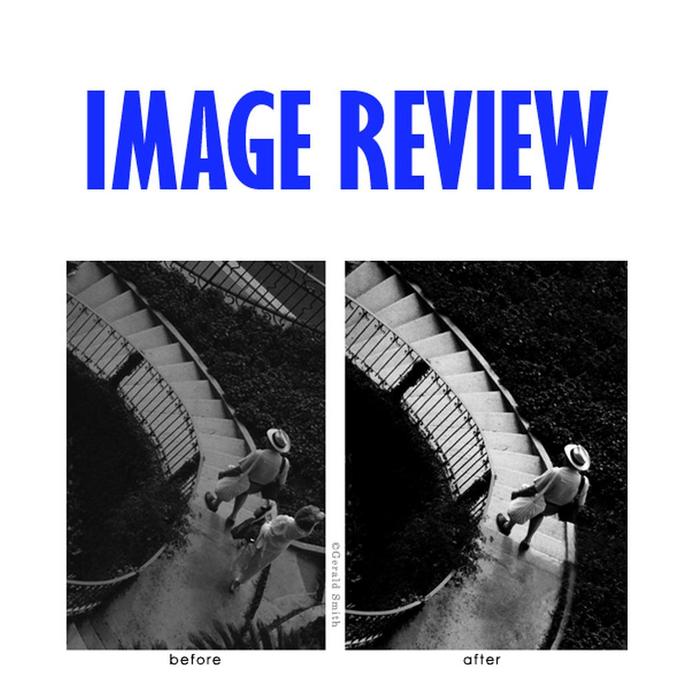
Unique Photo’s one-on-one Portfolio Consultation and Images Reviewed with Judith Farber offers targeted feedback to align your work with contest expectations without compromising your voice.
6) Validate technical excellence at 100%
Zoom in to check edge detail, noise in dark tones, and banding in gradients. Fix minor flaws and reject files with uncorrectable issues. If macro or focus stacking is your niche, invest in sharpening your technique before re-shoots.

Unique University’s Macro and Closeup Image Stacking with Shiv Verma helps you perfect stacks for tack-sharp entries—especially useful for nature or product-themed contests.
7) Shape your submission as a cohesive story
For multi-image entries, sequence for rhythm and variety while keeping a consistent visual language. Avoid near-duplicates; each frame should add a new beat to the story.
8) Prep your files exactly to spec
Match color space, longest edge, and file size instructions. Rename files logically. Verify embedded metadata and caption accuracy—concise, on-brief captions can tip the scales.

Submitting older prints or film scans? The Canon CanoScan LiDE 400 offers clean, high-res scans that meet typical contest size and sharpness requirements.
9) Print like a judge will see
For print competitions, soft-proof with the provided ICC profile and make a test print. Paper choice affects perceived contrast and detail—pick for the subject, not just preference.
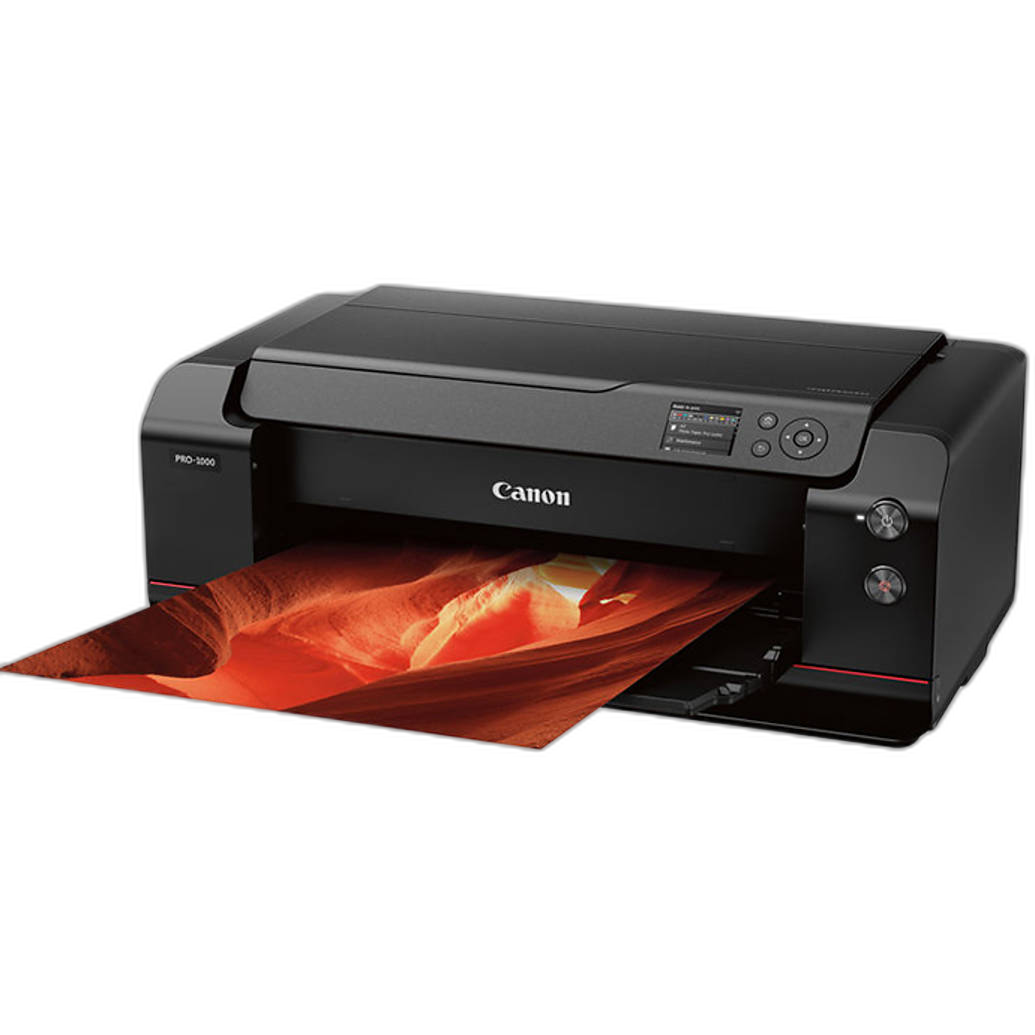
A pro inkjet like the Canon imagePROGRAF PRO-1000 delivers deep blacks and fine detail that stand up under gallery lighting. A reliable used unit is a budget-friendly way to control final output.
10) Scout and refine when time allows
If you decide to submit new work, revisit locations and iterate. Small upgrades in light, weather, or vantage point can be decisive.
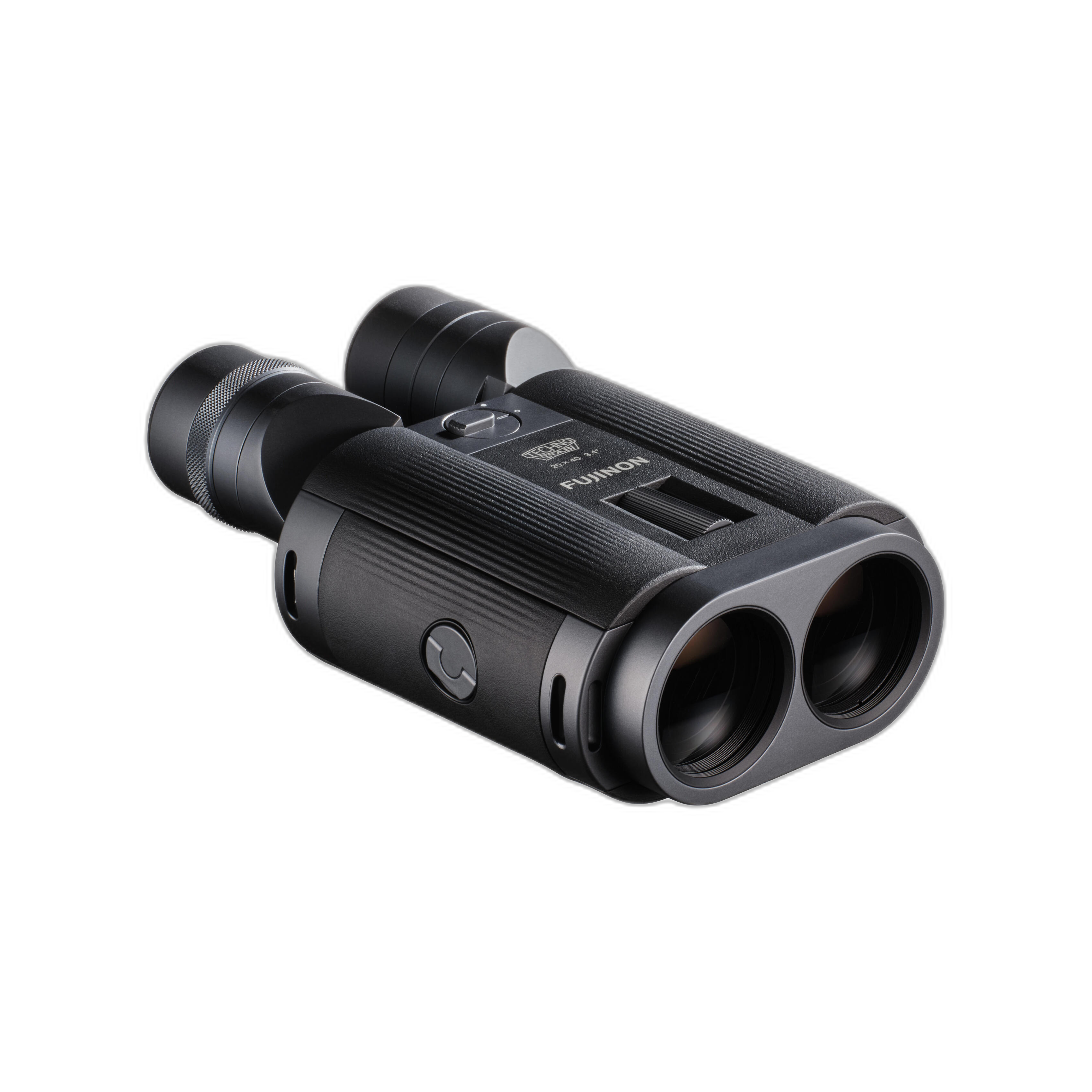
Image-stabilized binoculars like the Fujinon Techno-Stabi 20x40 help you pre-visualize compositions and track wildlife behavior for precisely timed frames.
11) A/B test sequencing and captions before submitting
Share two versions with trusted peers or a mentor. Small changes—leading with a stronger opener, tightening a caption—often raise your overall score.
12) Level up your storytelling instincts
Standout entries often read like a moment from a larger narrative. Study pacing, framing, and emotion—even from motion disciplines.

Unique University’s Video for Photographers course with Shiv Verma sharpens visual storytelling and shot discipline, which translates into stronger stills sequences.
Wrap Up
There’s no universal answer to “established hit or fresh work?” Use the brief as your compass, score with rigor, seek outside eyes, and present files impeccably. Whether you’re refining a proven image or crafting a new contender, the right prep turns strong photographs into winning entries. Explore classes, consultations, and gear at Unique Photo to support your next submission.