Top Composition Tips for Beginners: Which Unique University Class Fits Your Learning Style?
Learning composition is the fastest way to make your photos look intentional and compelling. But every beginner learns differently. In this head-to-head comparison, we map the most important beginner composition tips to six Unique University classes so you can pick the session that matches how you like to study—foundations-first, visual-flow focused, creative voice, or hands-on field practice.
In this comparison: NJCS: Common Sense Composition with Blake Rudis; NJCS: Composition and Photographic Communication with Shiv Verma (Lumix); Composition on Location: Princeton University with Alan Kesselhaut; EXPO: Visual Flow: Mastering the Art of Composition with Ian Plant (Tamron); EXPO: Turning Points – Composition and Creative Voice w. Allan Ali (Fujifilm); and EXPO: Better Compositions for Landscape, Wildlife, and Travel with Joe Brady.

Side-by-Side Comparison
| Class | Format & Setting | Beginner Focus | Core Emphasis | Practice Component | Best For |
|---|---|---|---|---|---|
Common Sense Composition – Blake Rudis | Seminar-style fundamentals | Highest | Rule of thirds, balance, leading lines, simple frameworks you can use immediately | Guided examples; actionable takeaways | True beginners who want clear rules-of-thumb |
Composition & Photographic Communication – Shiv Verma (Lumix)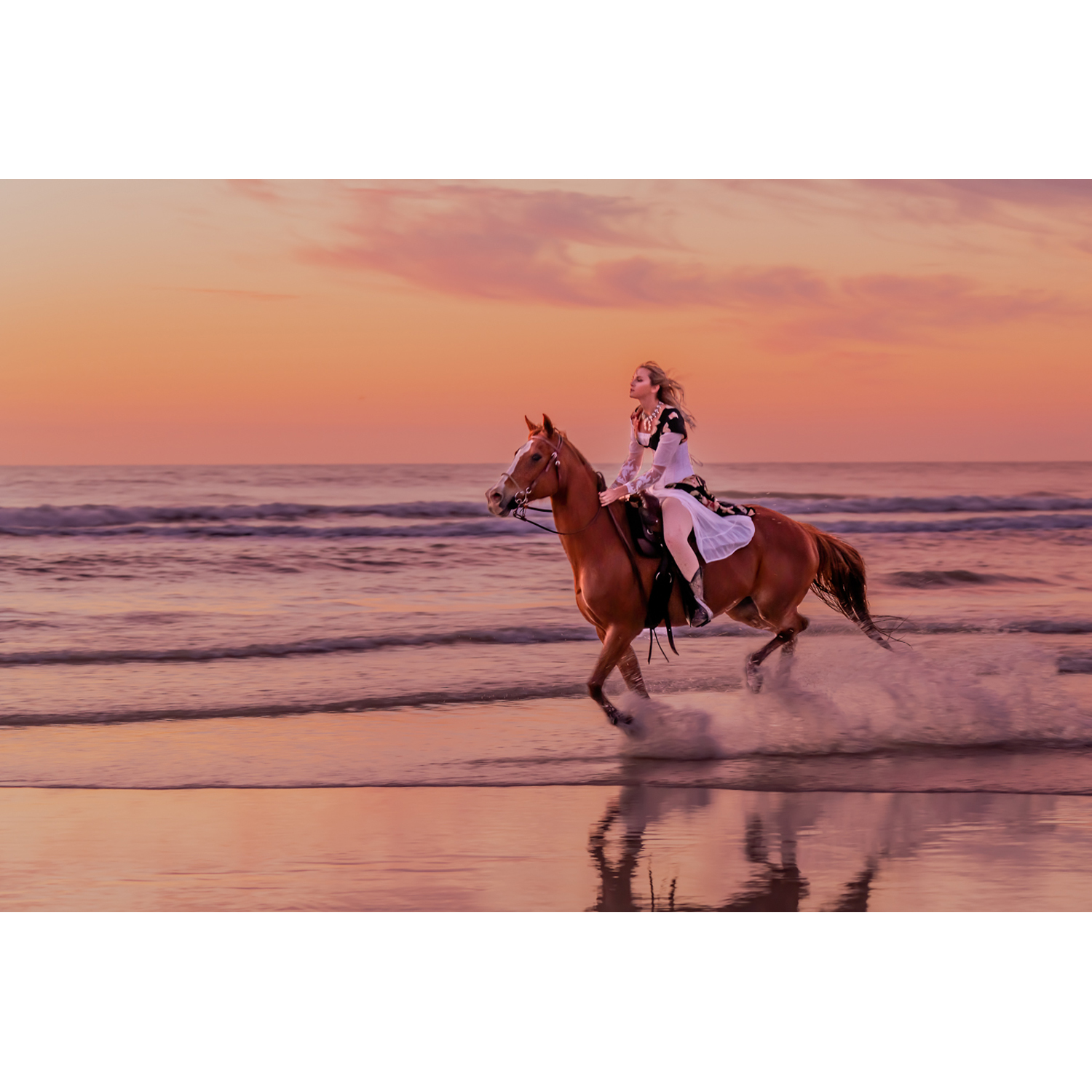 | Seminar with storytelling emphasis | High | Visual storytelling, subject relationships, communicating intent | Analysis of images and framing choices | Beginners ready to think beyond basic rules |
Composition on Location: Princeton University – Alan Kesselhaut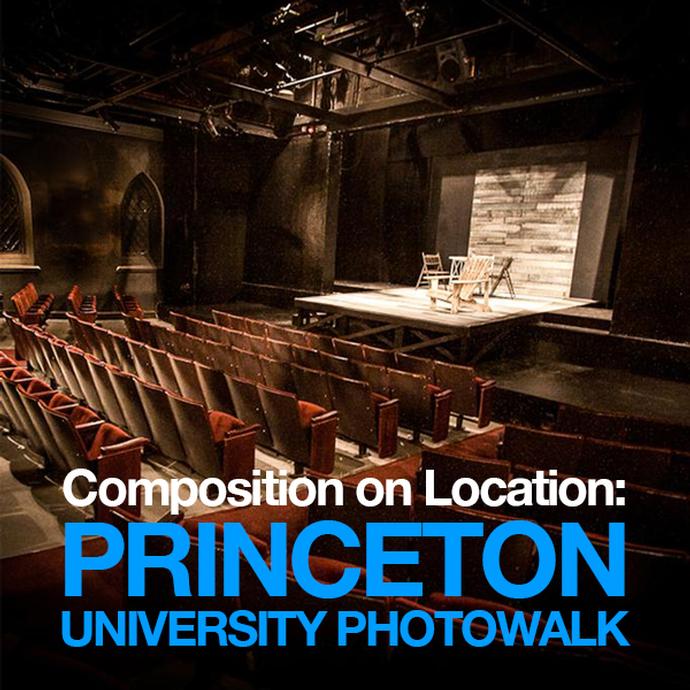 | Hands-on field workshop | High (with guidance) | Applying compositional rules in real scenes; seeing geometries | Active shooting on location with feedback | Kinesthetic learners who improve by doing |
Visual Flow: Mastering the Art of Composition – Ian Plant (Tamron) | Seminar/EXPO talk | Moderate (concept-driven) | Eye movement, tension, rhythm, dynamic balance | Conceptual exercises and image breakdowns | Beginners aiming for more advanced, artful frames |
Turning Points: Composition & Creative Voice – Allan Ali (Fujifilm) | Seminar/EXPO talk | Moderate | Creative intent, personal style, decision-making | Thought process and case studies | Beginners exploring style and storytelling |
Better Compositions for Landscape, Wildlife & Travel – Joe Brady | Seminar/EXPO talk | Beginner to Intermediate | Genre-specific framing: foregrounds, horizons, subject isolation | Before-after examples; scenario-based tips | Outdoor shooters and travelers |
Category-by-Category Analysis
1) Nail the Essentials: Clear, Repeatable Rules
Top tips for day-one improvement:
- Simplify first: remove one distraction per frame.
- Start with rule of thirds, then refine balance with weight and negative space.
- Use leading lines to point to your subject.
- Check edge control: avoid mergers at the frame border.
Best Match: Common Sense Composition with Blake Rudis keeps the language plain and the frameworks practical. Shiv Verma’s class covers the same basics but pushes you to think about what your framing communicates.
2) Guide the Eye with Visual Flow
Tips to control attention:
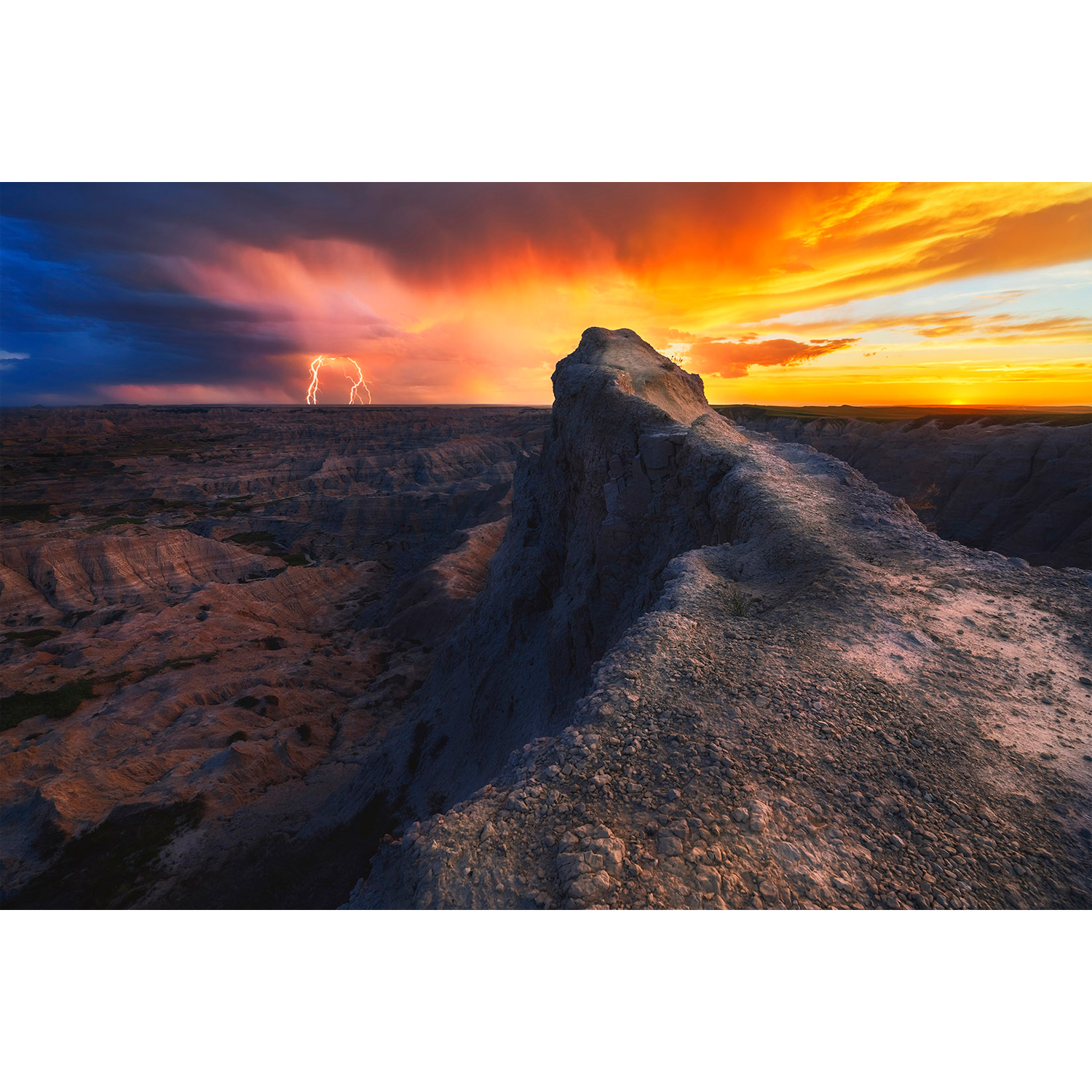
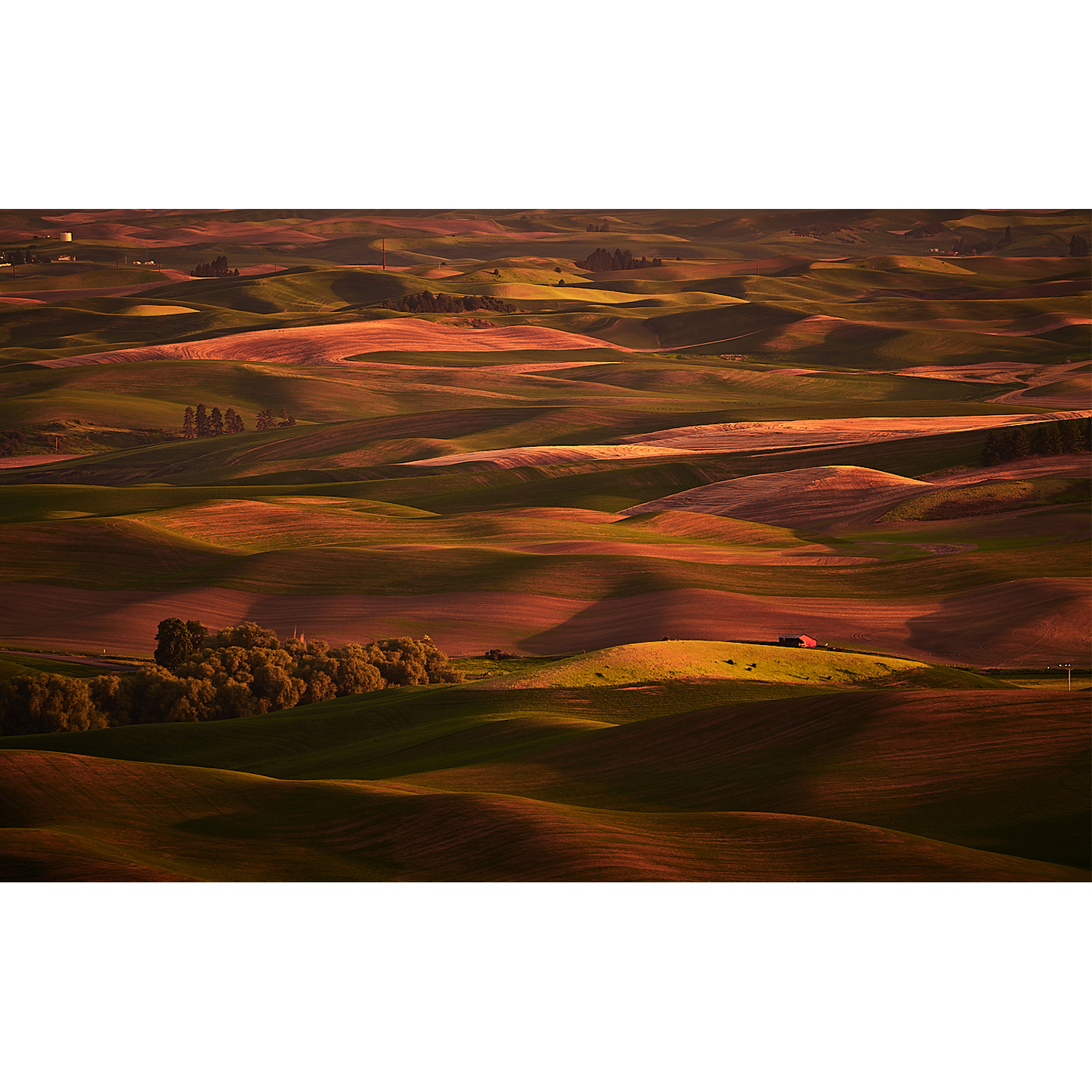
- Compose pathways: arcs, diagonals, S-curves, and repeating shapes.
- Contrast hierarchy: largest or brightest subject often wins—place it deliberately.
- Use tension: near-touching elements add energy; give breathing room for calm.
Best Match: Visual Flow with Ian Plant dives into how viewers scan an image, teaching you to build movement and rhythm into your frames.
3) Compose for Story and Creative Voice
Tips to make frames feel intentional:
- Decide your verb: reveal, isolate, juxtapose, or emphasize—and compose for it.
- One subject, one idea: remove or subdue competing elements.
- Consistency builds style: repeat motifs (color, geometry, perspective).
Best Match: Turning Points with Allan Ali (Fujifilm) focuses on creative decision-making and how compositional choices express your point of view. Shiv Verma complements this with communication-driven framing.
4) Practice in the Field
Tips for real-world shooting:
- Work the scene: shoot 10 variations—change angle, height, and focal length.
- Hunt geometries: frames within frames, layers, patterns, and leading lines on location.
- Slow down: compose before focusing; check corners and horizon.
Best Match: Composition on Location: Princeton University with Alan Kesselhaut turns theory into muscle memory with guided, on-site practice—ideal if you learn best by doing.
5) Compose for Landscapes, Wildlife, and Travel
Tips tailored to the outdoors:
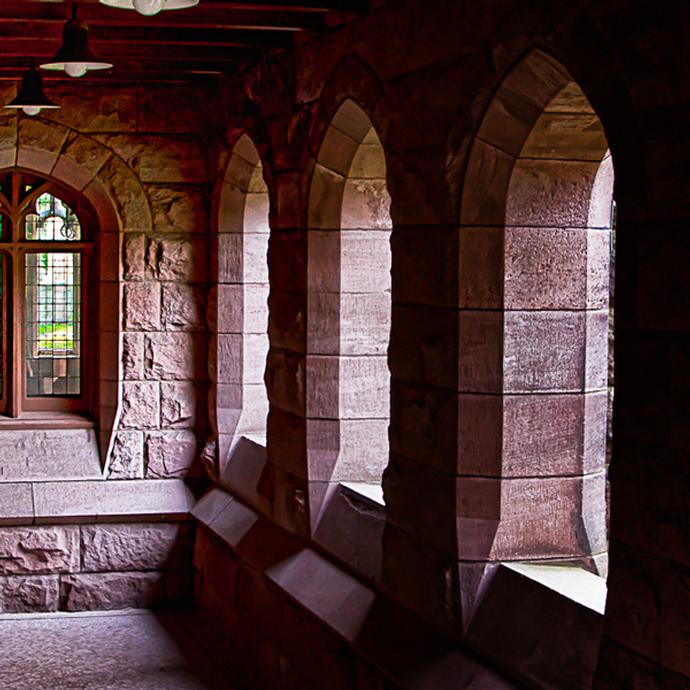
- Foreground first: anchor your frame with a nearby element for depth.
- Horizon rules: keep it straight; place high or low to emphasize sky or land.
- Subject isolation: light, color, or separation for clean wildlife and street frames.
Best Match: Joe Brady’s session gives genre-specific compositions that translate directly to sunrise overlooks, busy markets, or distant wildlife.

Our Pick
Best Starting Point for Most Beginners: NJCS – Common Sense Composition with Blake Rudis. It delivers the clearest, most immediately usable frameworks (rule of thirds, balance, leading lines, and edge control) so your photos improve on day one.
Runner-Up: Composition & Photographic Communication with Shiv Verma (Lumix)—excellent if you’re ready to think beyond rules and craft images that say something specific.
Specialty Picks: Choose Princeton On-Location for hands-on practice, Ian Plant for advanced flow, Allan Ali for creative voice, and Joe Brady if you mostly shoot landscapes, wildlife, or travel.
Conclusion
Great composition blends simple rules with deliberate choices. Start with fundamentals, then refine flow, story, and style—and practice in the field. Unique Photo’s Unique University offers multiple ways to learn, from foundation talks to hands-on workshops, so you can level up your composition quickly and confidently.