Starting film photography is exciting—and, with the right guidance, easier than you might think. Whether you’re drawn to the look of 35mm, the detail of medium format, or the immediacy of instant film, this guide from Unique Photo will help you choose your first film camera with confidence, plus outline the accessories and workflow to get you shooting right away.
How to choose your first film camera: 35mm, medium format, or instant?
Before picking a camera, decide which film format suits your goals and budget.
- 35mm (135): Most beginner-friendly and affordable. Cameras and film are widely available, and you’ll get 24–36 frames per roll. Great for street, travel, and everyday shooting.
- Medium format (120): Bigger negatives, more detail, and smoother tones. Ideal for portraits and landscapes. Fewer frames per roll (8–16), larger cameras, and higher costs.
- Instant: Polaroid-style prints in minutes. Perfect for sharing and learning composition without lab wait times.
Unique Photo stocks film in all formats and offers processing, scanning, and darkroom supplies to support any path you choose.
Best beginner film cameras by type
There’s no single “best” first film camera. Instead, choose by how you like to shoot and how much control you want.
- Point‑and‑shoot 35mm: Simple, lightweight, and often affordable. Autofocus and autoexposure let you focus on composition.
- 35mm SLR (single‑lens reflex): Great for learning. Through-the-lens viewing, interchangeable lenses, and full manual control; many offer aperture- or shutter-priority modes.
- Rangefinder: Compact with bright viewfinders and quiet shutters. Manual focus encourages deliberate shooting.
- Instant cameras: Fast feedback, perfect for parties and portraits. As a classic example, Unique Photo’s Used & Trades department often features Polaroid models like the Used Polaroid SX‑70 Alpha 1 Camera w/ Close‑Up Kit (Good)—a folding SLR instant camera that helps beginners learn focus and exposure while creating tangible prints.
Shopping used? Unique Photo’s technicians evaluate gear and label condition clearly, so you know what you’re getting—and what might need service.
Buying used vs. new: what to look for in a first film camera
Most film cameras are pre-owned, and that’s okay—just inspect thoughtfully:
- Shutter and speeds: Fire at all speeds; listen for consistency. Check slow speeds for hesitation.
- Light seals: Foam around the door should be intact, not sticky or crumbling.
- Meter and electronics: If the camera uses batteries, confirm the meter responds and LEDs/needles move.
- Lens condition: Look for clean glass, smooth focus, and snappy aperture blades. Avoid haze, fungus, or separation when possible.
- Viewfinder: Make sure it’s clear and bright; rangefinder patch should be contrasty if applicable.
Unique Photo lists any known issues on product pages. For example, a collector’s piece like the Used Ermanox Ernemann Camera with 100mm f/2 may be sold as-is and note that it “needs shutter replacement”—a reminder to match your expectations and budget to the project you want to take on.
Essential accessories for your first film kit
- Comfortable strap: A secure, low-profile strap makes daily carry easier. The PGYTECH Camera Strap Slim (Vintage‑Olive Green) is a modern, durable option that complements classic cameras.
- Fresh batteries: Many film bodies and meters require button or coin cells—stock up before a big shoot.
- Filters and a lens hood: A simple UV filter protects front elements; hoods reduce flare and improve contrast.
- Light meter app or handheld meter: Helpful if your camera lacks a built-in meter.
- Film storage: Keep film cool and dry; a small pouch or dedicated case prevents crushed cartridges and light leaks.
If you’re curious about the tactile joy of darkroom printing, Unique Photo carries color and black‑and‑white papers, chemistry, and tools. For example, Fujifilm DIGITAL PRO glossy color paper is a staple for minilab and darkroom workflows.
Film stocks to start with
Pick forgiving emulsions while you learn exposure and handling.
- Color negative (C‑41): Wide latitude, easy to process. Popular choices include ISO 200–400 consumer films for daylight versatility.
- Black‑and‑white: Great for practicing contrast and grain. ISO 400 stocks are flexible indoors and out.
- Instant film: Choose packs compatible with your camera model; keep them stored cool and shoot at recommended temperatures for consistent results.
Developing, scanning, and printing your film
You have three main options, all supported by Unique Photo:
- Lab processing and scans: The fastest route; drop off or mail in your film and get high‑quality scans for sharing and printing.
- Home developing: Start with black‑and‑white for the simplest chemistry and room‑temperature processing. Add a changing bag, tank, reels, thermometer, and chemistry kit.
- Darkroom printing: Learn to make enlargements on silver halide paper. Unique Photo stocks papers, filters, and trays and offers classes to jump‑start your skills.
Hybrid tip: use digital to support your film workflow
Many photographers pair film with digital for metering, reference, or high‑res digitizing. If you’re using a Fujifilm GFX body as a copy stand camera to scan negatives, keep your power situation tidy with the Fujifilm BC‑T125 charger for GFX batteries.
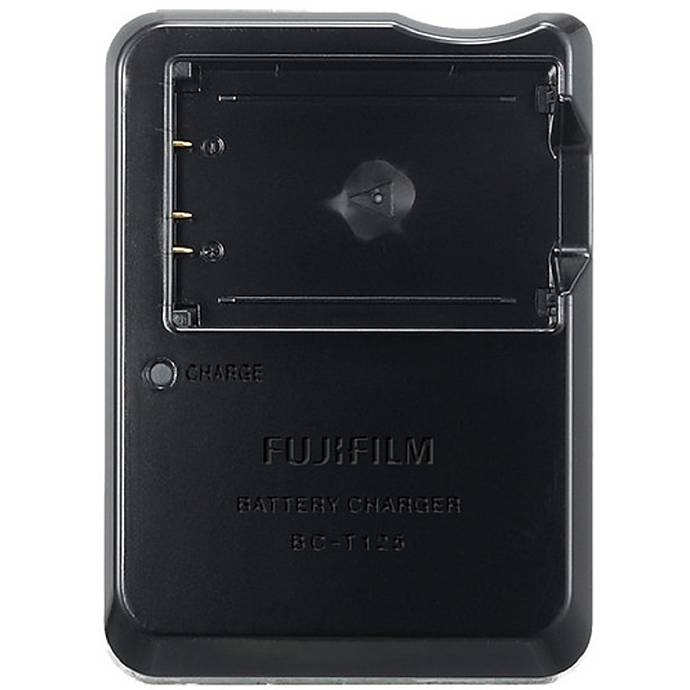
Unique Photo also carries accessories and classes that cover camera scanning, color management, and printing workflows.
Budget guide for first-time buyers
- Under $150: Compact point‑and‑shoots or entry‑level manual SLR bodies with a basic 50mm lens. Perfect for learning exposure and composition.
- $150–$400: Mid‑range SLRs with aperture‑priority modes, better build quality, and more lens options.
- $400+: Premium 35mm bodies, rangefinders, and medium format cameras—ideal once you know what you like.
Buying used from Unique Photo means inventory rotates often; set alerts, visit our Used & Trades department, or call for recommendations that fit your budget and goals.
Beginner film camera FAQs
Do I need a light meter? Not always. Many SLRs have reliable meters. If your camera is fully manual, a phone app or handheld meter works well.
What ISO should I start with? ISO 200–400 color negative gives the most latitude outdoors. ISO 400 black‑and‑white is a forgiving all‑rounder.
How much does film cost? Expect $8–$20 per 35mm roll depending on stock, plus processing/scans. Budget a few rolls per month to practice consistently.
Can I get prints? Yes—ask Unique Photo for lab prints or explore darkroom printing with papers like Fujifilm DIGITAL PRO for a classic look.
Final thoughts and next steps
Choosing your first film camera is about matching the format and features to the way you want to shoot. Start simple, buy from a trusted source, and build a small kit with a reliable camera, a normal lens, and a few rolls of film. Unique Photo’s experts, used inventory, processing lab, and classes make it easy to begin—and to keep growing.
Recommended internal links to include on UniquePhoto.com:
- Used & Trades → Film Cameras Used (shop beginner‑friendly bodies and instant cameras like Polaroid SX‑70)
- Film (35mm, 120/220, Instant) and Disposable Cameras
- Film Processing & Scanning Services
- Darkroom Supplies (papers, chemistry, and tools)
- Classes & Workshops (Film 101, Darkroom, and Scanning)
- Straps & Bags (e.g., PGYTECH Camera Strap Slim)
Have questions? Visit Unique Photo in store or online and speak with our team—we’ll help you find the right first film camera and everything you need to start shooting.