If you’re getting into analog photography, you’re in good company—film is thriving again. At Unique Photo, we talk to film shooters every day, from first-timers to veterans returning after years away. Below, photographers share practical, beginner-friendly recommendations, the real pros and cons of popular models, and a proven checklist for buying a used film camera with confidence.
Best beginner film cameras: quick picks by category
- 35mm SLR (manual focus): Pentax K1000, Nikon FE/FE2, Minolta X-700, Canon AE-1 Program
- 35mm point-and-shoot: Nikon L35AF, Olympus Stylus (mju) series, Canon Sure Shot/Autoboy
- Rangefinder (fixed-lens): Yashica Electro 35, Canonet QL17 GIII
- Medium format on a budget: Yashica Mat-124G (TLR), Pentax 645, Mamiya 645 1000s, compact folders like the Voigtländer Perkeo I (6x6)
Each of these families balances cost, availability of lenses/parts, and beginner usability. Availability varies—check Unique Photo’s Used & Trades to see what’s in stock.
How to choose your first film camera
- Format & cost: 35mm is the most budget-friendly for film and processing. 120 (medium format) offers bigger negatives and smoother tones at a higher per-shot cost.
- Features you’ll use: A reliable light meter and clear viewfinder matter more than niche modes. Aperture-priority auto exposure is a great beginner aid.
- Lens ecosystem: For 35mm SLRs, lenses are plentiful and affordable in systems like Pentax K, Nikon F, Minolta SR, and Canon FD.
- Condition first, hype second: A clean, well-functioning camera beats a “cult classic” that needs repair.
Pros and cons of popular beginner models
35mm SLRs
- Pentax K1000
Pros: Simple, durable, huge lens selection, easy to learn. Cons: No frills; prices have climbed due to popularity. - Nikon FE/FE2/FA
Pros: Aperture-priority automation with manual fallback, bright finders, robust build. Cons: Batteries required for meter/AE; check shutter accuracy. - Canon AE-1 Program
Pros: Classic ergonomics, program AE, FD lenses are excellent value. Cons: Common “shutter squeak” and aging light seals—budget for service if needed. - Minolta X-700
Pros: Excellent viewfinder, program and aperture-priority modes, sharp and affordable Rokkor lenses. Cons: Known capacitor failures—buy tested or serviced where possible. - Olympus OM-10 (+ Manual Adapter)
Pros: Compact, light, affordable OM lenses. Cons: Needs Manual Adapter for full manual control; check electronics.
Point-and-shoots
- Nikon L35AF
Pros: Great 35mm f/2.8 lens, reliable autofocus. Cons: Premium prices for clean copies; check light seals and shutter. - Olympus Stylus (mju) series
Pros: Ultra-portable, weather-resistant models exist, excellent optics. Cons: Demand has inflated prices; electronics are not easily repairable. - Canon Sure Shot/Autoboy series
Pros: Many models, good lenses, often undervalued. Cons: LCD bleed and sticky shutters can appear; test thoroughly.
Rangefinders (fixed-lens)
- Yashica Electro 35
Pros: Fast 45mm f/1.7 lens, aperture-priority with quiet leaf shutter. Cons: “Pad of death” repair is common; bring fresh batteries to test. - Canonet QL17 GIII
Pros: Compact, sharp 40mm f/1.7, quick-load system. Cons: Mercury battery conversion needed for accurate metering; seals age out.
Medium format
- Yashica Mat-124G (TLR)
Pros: Bright waist-level finder, sharp 80mm lens, good entry to 120 film. Cons: Shutter speeds and meter can drift; foam and mirror need inspection. - Pentax 645 / Mamiya 645 1000s
Pros: SLR handling, interchangeable lenses, relatively affordable medium format. Cons: Heavier; check film advance and frame spacing. - Voigtländer Perkeo I (6x6 folding camera)
Pros: Extremely compact for medium format, simple operation. Cons: Inspect bellows for pinholes; scale focusing has a learning curve.
Buying used: a no-stress inspection checklist
Whether you shop local or online, this checklist helps you spot winners and avoid costly service right away.
- Shutter & speeds: Fire at all speeds; listen for clear differences (1s vs 1/60 vs 1/1000). Leaf shutters should sound crisp.
- Light meter: Bring the right battery and compare meter readings to a phone light-meter app. Erratic or dead meters may need service.
- Light seals & mirror foam: Sticky, crumbling foam causes light leaks and mess inside. Replacing seals is common and affordable.
- Lens optics: Use a flashlight—look for haze, fungus filaments, separation, or heavy scratches. Minor dust is normal.
- Aperture & focus: Aperture blades should be clean and snappy; focus ring should be smooth, not gritty, and hit infinity.
- Rangefinder alignment (RF/compact): At infinity, the RF patch should align; if not, budget for adjustment.
- Battery compartment: Check for corrosion or broken terminals.
- Film transport: Open the back, dry-fire, wind/rewind, ensure the counter advances and the rewind releases properly.
- Flash & hot shoe: Test with a flash if you plan to use one. Ensure flash fires and syncs.
- Special bodies: For folders, inspect bellows in a dark room with a flashlight inside. For TLRs, check viewing screen brightness and focusing alignment.
At Unique Photo, our used listings note cosmetic condition and functionality where available, and stock changes often—check back frequently for 35mm and 120 cameras.
Film, processing, and printing: set yourself up for success
Once you’ve chosen a camera, pick a versatile film (e.g., ISO 200–400 color negative for daylight flexibility or ISO 400 B&W for easy home development). After processing, you can scan at home or order scans/prints. If you want true photographic prints from negatives, Fujifilm color papers and chemistry remain industry standards supplied by Unique Photo.
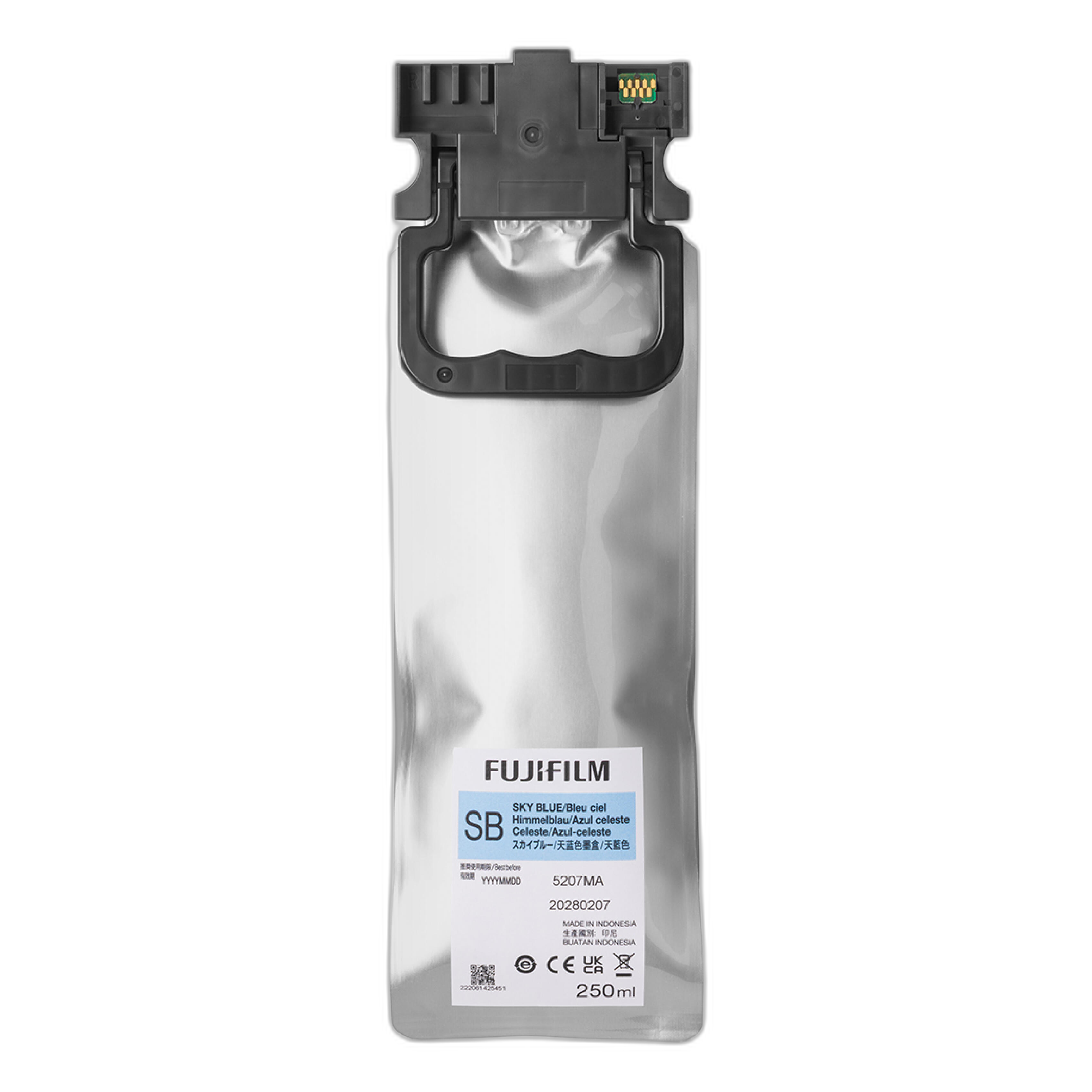
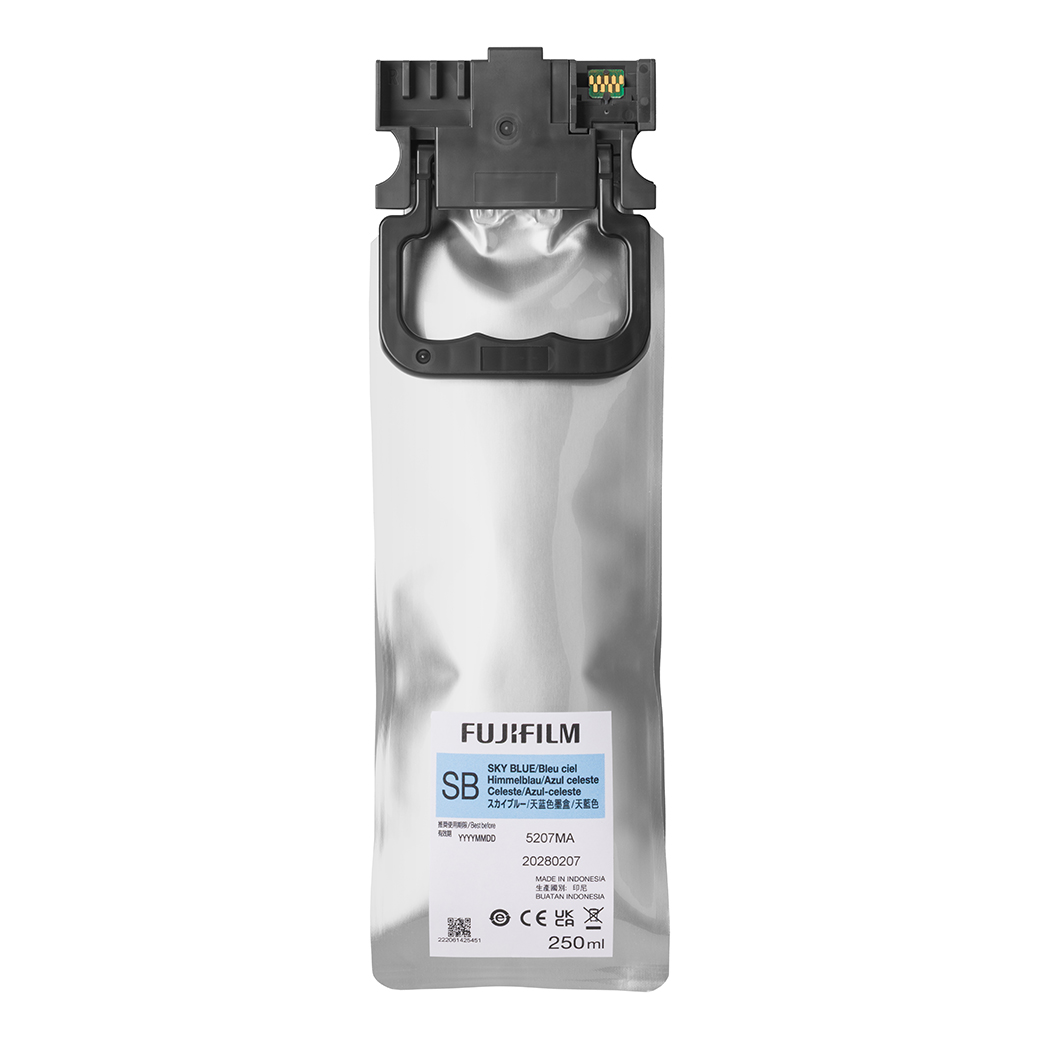
Running a school lab or small minilab? Consistency matters—fresh chemistry and inks help keep color tight and output reliable.
Digitizing your negatives at home: an easy on-ramp
DSLR/mirrorless scanning is a popular, affordable way to bring film into your digital workflow. Mount your camera on a copy stand, add a macro solution, and shoot RAW for flexible edits.
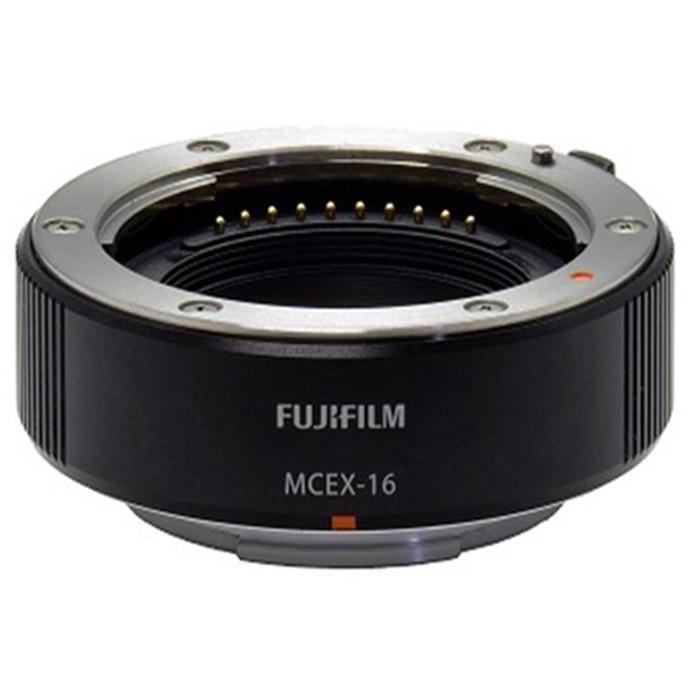
- Macro distance: An extension tube can help your mirrorless camera achieve 1:1 or close focusing for 35mm/120 frames.
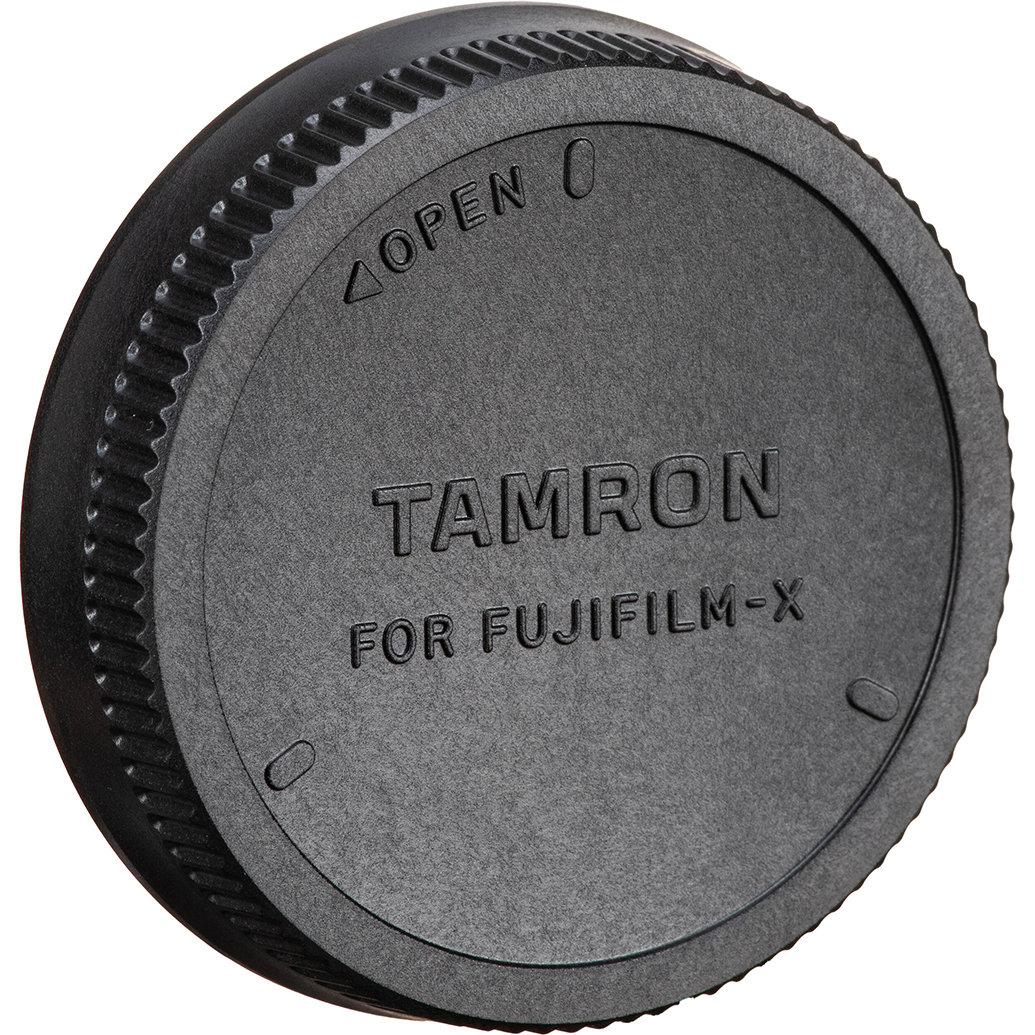
- Keep it clean: A rear lens cap is a simple must-have for protecting lenses in a dust-prone film setup.
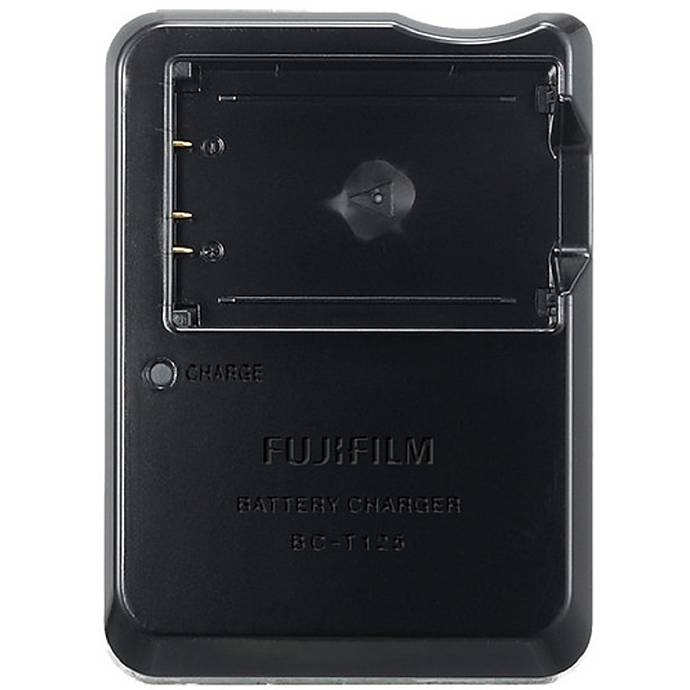
- Power management: If you’re scanning large batches with a Fujifilm GFX or X-series body, keep spare batteries charged.
Real-world beginner setups by budget
- Under $200: Fully manual 35mm SLR (e.g., Pentax K1000 alternative like a Ricoh KR-5), a 50mm lens, ISO 200–400 color film, and a basic strap. Learn exposure with the built-in meter or a phone app.
- $200–$500: Aperture-priority SLR (Nikon FE/Canon AE-1 Program), 28mm + 50mm lenses, a few rolls of color and B&W, and a small flash. Great balance of automation and control.
- $500–$900: Medium format starter (Yashica Mat-124G or a Mamiya 645 body with 80mm), a copy stand setup for DSLR scanning, and a dust blower. Maximize negative quality while keeping workflow manageable.
First-roll checklist
- Install fresh batteries (if needed) and verify meter movement.
- Load film carefully; confirm the rewind crank turns while advancing.
- Shoot a test at varied exposures (shadow and highlight scenes) to assess metering.
- Note your settings; this speeds up learning when you review scans/prints.
- Develop and scan/print; evaluate results and adjust your technique next roll.
Spotlight: a compact medium format option
Looking for a small 120 camera that still delivers the magic of medium format? Keep an eye out for compact folders. For example, Unique Photo occasionally lists models like the Voigtländer Perkeo I (6x6 on 120) in our Used & Trades department. They’re simple, pocketable, and offer beautiful square negatives—just be sure to inspect bellows and learn zone focusing.
Final thoughts and helpful internal links
Choosing a beginner-friendly film camera is about finding something reliable, comfortable in hand, and supported by a healthy ecosystem. Start simple, shoot regularly, and build your workflow—whether you’re printing on Fujifilm papers or scanning at home. Unique Photo stocks used film cameras, film and darkroom supplies, and the accessories that streamline a hybrid analog/digital setup.
Internal linking suggestions for further reading and shopping on uniquephoto.com:
- Used & Trades: Film Cameras and Lenses
- Film & Darkroom: 35mm and 120 film, black-and-white chemistry
- Minilab Supplies: Fujifilm papers, chemistry, and inks
- Scanning & Digitizing: Copy stands, macro accessories, light tables
- Education: Film photography classes and workshops