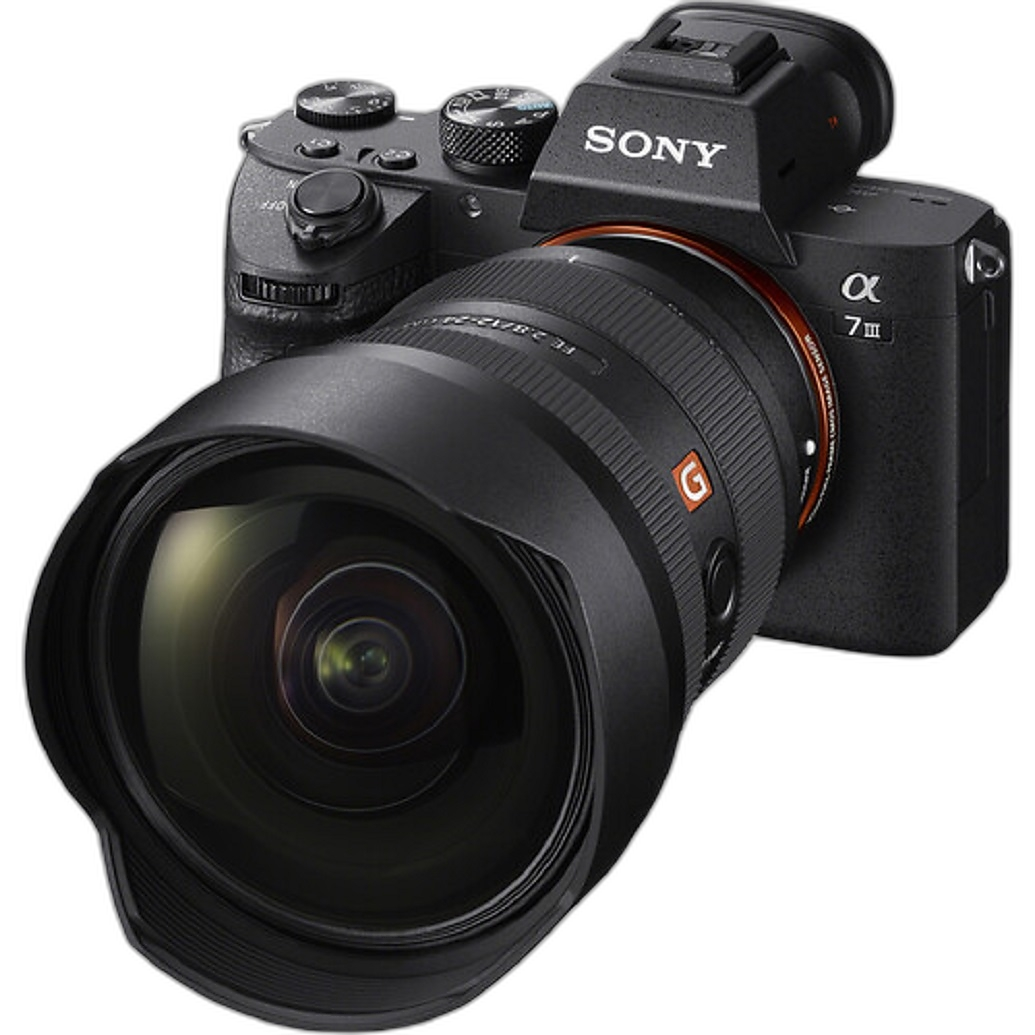
Sony a6400 vs Canon R10 for Beginners in 2024: Your Most-Asked Questions, Answered
Choosing your first mirrorless system can feel overwhelming. At Unique Photo, we help new creators compare real-world differences that matter—autofocus, lenses, handling, video, and long-term value—so you can start shooting with confidence.
Is the autofocus on the Sony a6400 better than the Canon R10?
Both cameras deliver fast, reliable autofocus with subject tracking and eye detection that’s excellent for portraits, pets, and everyday action. In practice, the Canon R10’s newer subject-recognition algorithms feel a bit more “hands-off” for beginners—it detects people and animals cleanly with minimal menu tweaking. The Sony a6400’s Real-time Tracking is still very capable, especially when you set up your AF area and tracking preferences; it’s a proven performer for sports and street. If you value the most beginner-friendly AF behavior out of the box, the R10 has an edge. If you prefer the broader lens ecosystem and plan to fine-tune AF behavior, the a6400 remains a strong choice.
How do lens options and prices compare for an entry-level setup?
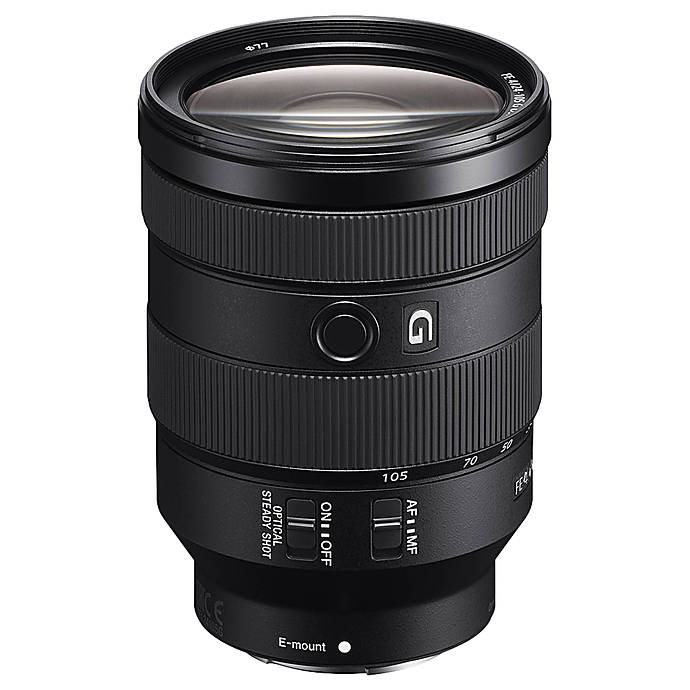
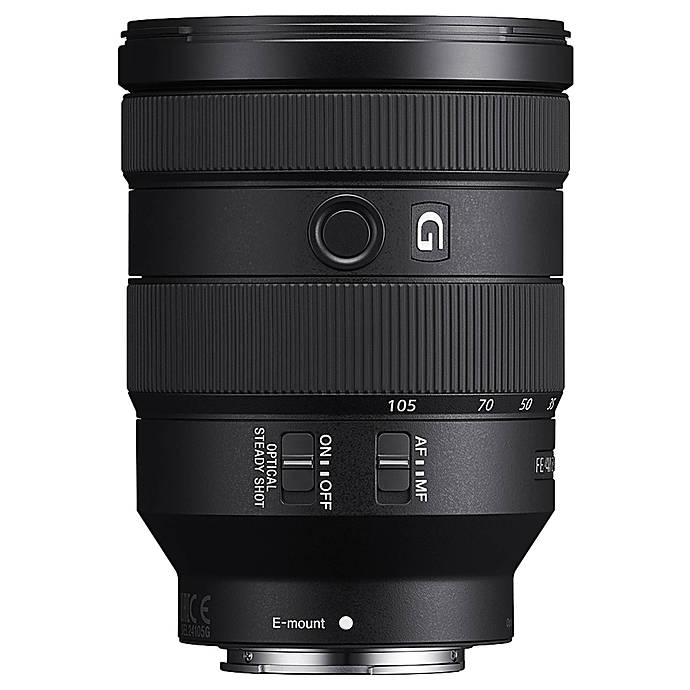
Lens selection is where Sony E-mount shines for beginners—there’s a deep catalog of native and third-party options at many price points. For an all-in-one zoom that grows with you (and works great on APS-C like the a6400), consider the Sony FE 24–105mm f/4 G OSS. On APS-C, it covers a highly useful everyday range with fast, quiet AF and optical stabilization.
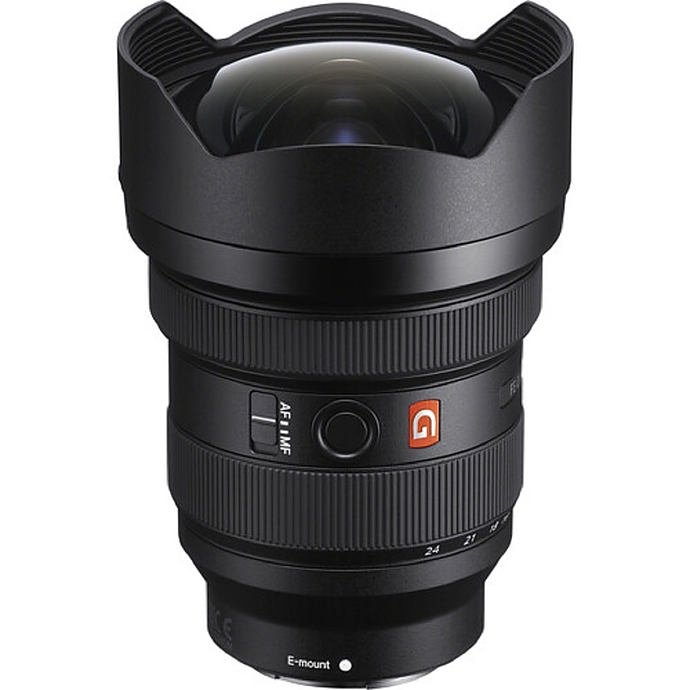
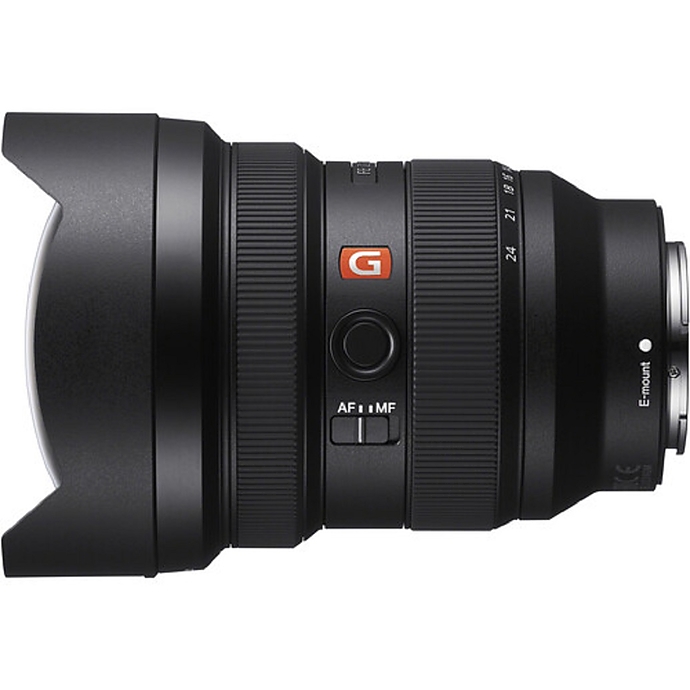
If landscapes or architecture are on your wishlist, an ultra-wide like the Sony FE 12–24mm f/2.8 GM offers pro-level optics you won’t outgrow as you progress. It’s overkill for some beginners, but a fantastic long-term lens investment that also works if you later upgrade to a full-frame Sony body.
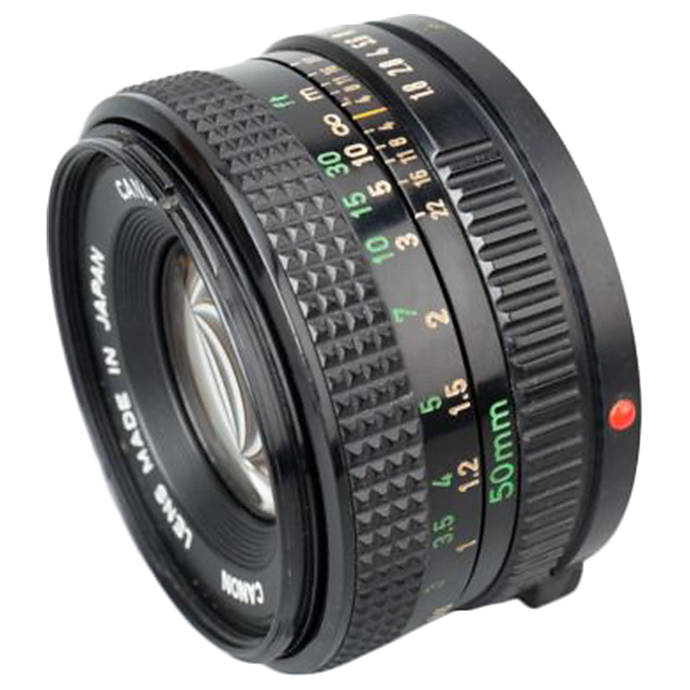
Canon’s RF-S lens lineup is growing and covers key needs affordably (think compact zooms for travel and casual use). There are fewer third-party AF lenses available for RF-mount at beginner-friendly price points today compared to Sony, but Canon’s own RF lenses are excellent, and more third-party options continue to arrive. A budget-friendly tactic for Canon R10 users is adapting manual-focus classics—like a used Canon FD 50mm f/1.8—for creative projects and learning manual focus at minimal cost.
Which feels better in hand, and what about battery life?
Both the a6400 and R10 are compact, travel-ready bodies. The Canon R10’s ergonomics and menus are particularly beginner-friendly, with a comfortable grip and intuitive on-screen guidance. The Sony a6400 offers a dense feature set with extensive customization once you learn your way around its menus. Battery life on both is solid for casual shooting, but we advise new shooters to carry a spare—especially if you’re recording video, using continuous AF, or shooting in cold weather.
How do they compare for video and vlogging?
Both cameras deliver detailed 4K footage suitable for YouTube, travel videos, and family films. The R10 offers higher frame-rate options in 4K (with crop) that are handy for action and b-roll, while the a6400 provides crisp oversampled 4K up to 30p. Neither body has in-body image stabilization, so consider a stabilized lens or a gimbal for smoother footage. For vloggers, both have reliable face/eye AF; the choice often comes down to your preferred lens options and how much you value the R10’s beginner-friendly interface versus Sony’s broader ecosystem.
Any limitations I should know before buying?
- Neither the a6400 nor the R10 has in-body stabilization (IBIS). Use stabilized lenses or support for low-light and video.
- Heat and record duration can limit long clips; plan around this for interviews or long takes.
- The R10’s native RF-S lens selection is improving but still smaller than Sony’s E-mount catalog; check your must-have focal lengths first.
- The a6400 uses an older battery type, so power management and spares are smart investments for long days.
Which is better for fast action like sports, kids, or pets?
Either body can handle everyday action. The Canon R10’s subject detection can simplify tracking for new users—great for kids and pets. The Sony a6400’s tracking excels when paired with lenses that focus quickly and accurately. A versatile zoom like Sony’s FE 24–105mm f/4 G OSS covers portraits, playtime, and sideline candids in one lens—especially handy when you’re still learning which focal lengths you prefer.
What’s the upgrade path if I get serious later?
On Sony, your E-mount lenses carry forward seamlessly to higher-end APS-C or full-frame bodies. That means lenses like the FE 24–105mm f/4 G OSS or the FE 12–24mm f/2.8 GM grow with you from beginner to pro.
Canon’s RF system offers clear upgrade paths to advanced full-frame bodies as your skills evolve. While third-party RF lens choices are still expanding, Canon’s own RF lenses are outstanding, and adapted lenses can fill creative niches affordably.
So…which should a beginner choose in 2024?
- Choose Canon R10 if you want the most beginner-friendly autofocus and ergonomics and you’re happy with Canon’s curated (and growing) RF/RF-S lens selection.
- Choose Sony a6400 if you value a vast, mature lens ecosystem (including many affordable third-party options) and plan to build a kit that can follow you into advanced projects and future bodies.
Still unsure? Visit or chat with Unique Photo’s experts. We’ll help you test-drive bodies and pick lenses—like Sony’s FE 24–105mm f/4 G OSS or the FE 12–24mm f/2.8 GM—and discover budget-friendly used gems like a manual-focus Canon FD 50mm f/1.8 for creative experiments. Start right, and you’ll love shooting more, sooner.