2024 Beginner Camera Buying Guide: Mirrorless vs DSLR Recommendations
Stepping into photography in 2024? Your first big decision is choosing between a mirrorless camera and a DSLR. Think of this guide as your first piece of gear: it narrows choices, explains what matters, and points you toward a confident purchase at Unique Photo. While both systems can create excellent images, development today overwhelmingly favors mirrorless—especially for autofocus and video—while DSLRs still offer value in the used market and an optical shooting experience some learners love.
Mirrorless vs DSLR: The 2024 Landscape
Most new innovation—and most entry-level to midrange releases—are mirrorless. Expect better subject detection autofocus, compact bodies, stronger video specs, and growing native lens catalogs. DSLRs, while largely discontinued, remain capable and budget-friendly on the used market with deep lens ecosystems and stellar battery life. Your choice comes down to how you plan to learn and shoot.
Key Features to Consider
Autofocus and Subject Tracking
Mirrorless cameras lead with eye-, face-, and subject-detection AF that feels like training wheels you’ll never want to remove. For kids, pets, travel, or casual sports, this speeds up learning and boosts keeper rates. Entry DSLRs can focus quickly but typically lack modern subject recognition in live view or video.
Viewfinder and Shooting Experience
DSLRs use an optical viewfinder (OVF)—clear, lag-free, and excellent in bright light. Mirrorless uses an electronic viewfinder (EVF) that previews exposure, white balance, and effects before you shoot. Beginners usually benefit from the EVF “what-you-see-is-what-you-get” feedback loop.
Size and Portability
Mirrorless bodies and many lenses are smaller and lighter, encouraging you to carry them more often. If you plan to hike, travel, or shoot daily, portability matters a lot.
Battery Life
DSLRs typically last longer on a single charge due to the optical viewfinder. Mirrorless battery life improves every year but still runs shorter—carry a spare battery for long outings.
Lens Ecosystem and Value
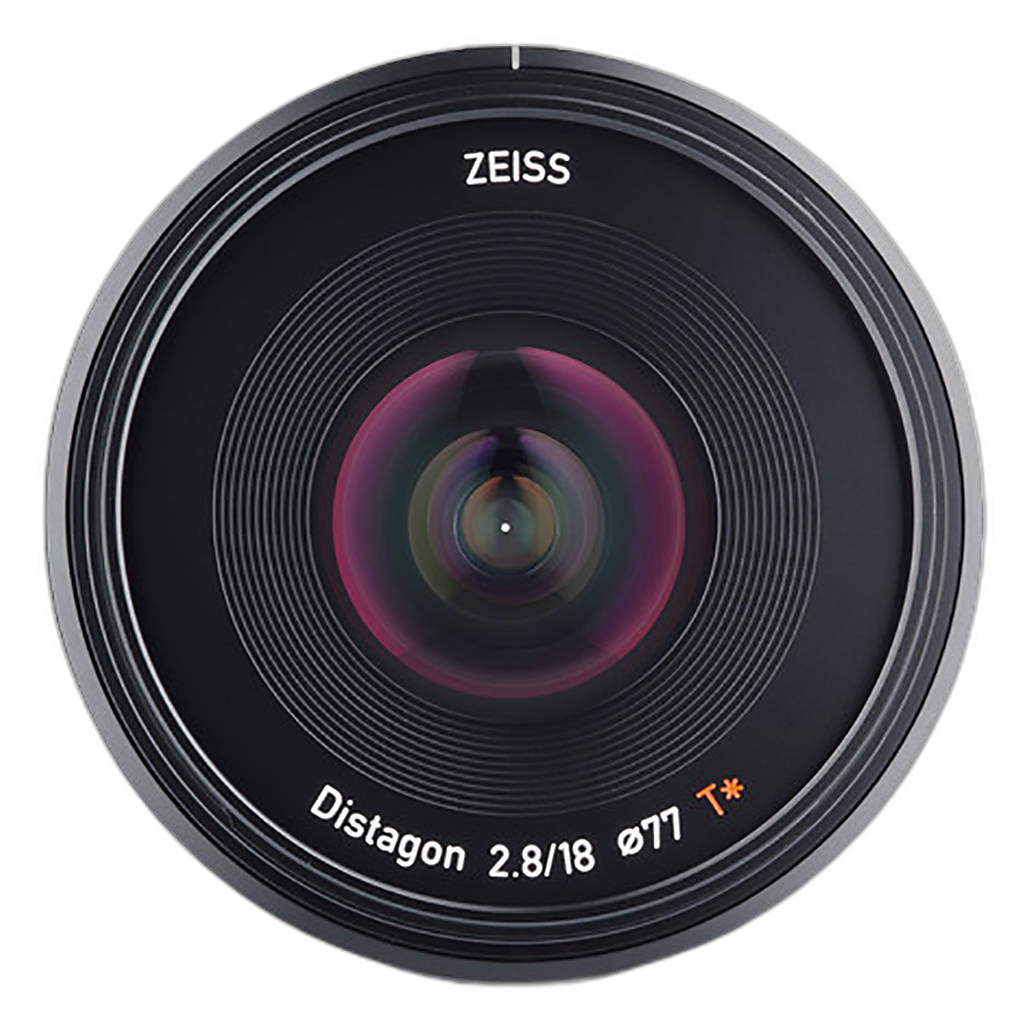
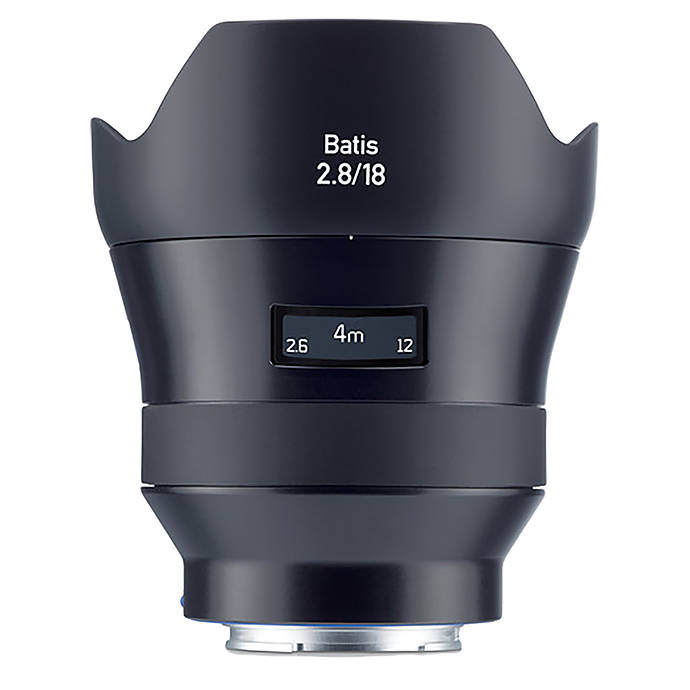
Mirrorless mounts (Canon RF, Nikon Z, Sony E, Fujifilm X) are rapidly growing, with fresh, sharp glass and third-party options. DSLRs (Canon EF, Nikon F) offer a massive used lens pool at excellent prices. Adapters let you use DSLR lenses on mirrorless with varying levels of autofocus performance.
Video Features
Mirrorless wins for creators: better 4K options, in-body stabilization in some models, advanced codecs, and accurate eye AF in video. If you’re starting a YouTube channel or hybrid photo/video workflow, mirrorless is the natural pick.
Pros and Cons at a Glance
Mirrorless for Beginners
- Pros: Advanced AF with eye/subject detection, accurate EVF preview, great video, compact kits, silent/electronic shutter options.
- Cons: Shorter battery life, some lenses can be pricey, menus and customization can feel dense at first.
DSLR for Beginners
- Pros: Optical viewfinder experience, excellent battery life, outstanding used lens value, rugged bodies.
- Cons: Limited new development, live-view AF and video often lag mirrorless, larger/heavier kits.
Recommendations by Use Case
Budget Under $800
Look for compact mirrorless kits with reliable eye AF and 4K video. For the best value, consider well-kept used DSLR bundles with a prime lens added for portraits and low light.
All-Around Learning (Under $1,200)
A midrange APS-C mirrorless body with a stabilized kit zoom offers a wide learning envelope for travel, family, and content creation. Add a fast 35mm or 50mm prime when you’re ready to grow.
Content Creators/Hybrid Shooters
Prioritize mirrorless bodies with strong 4K, mic/headphone ports, and reliable face/eye AF in video. A small on-camera mic and LED light will accelerate your results.
Sports/Wildlife Curious
Pick systems with rapid burst rates and sticky AF tracking. Start with an affordable tele zoom; upgrade to faster lenses as your skills grow.
Students and Travelers
Weight matters. A light mirrorless body and a small prime make a nimble, great-learning combo you’ll actually bring everywhere.
Starter Accessories That Make a Difference
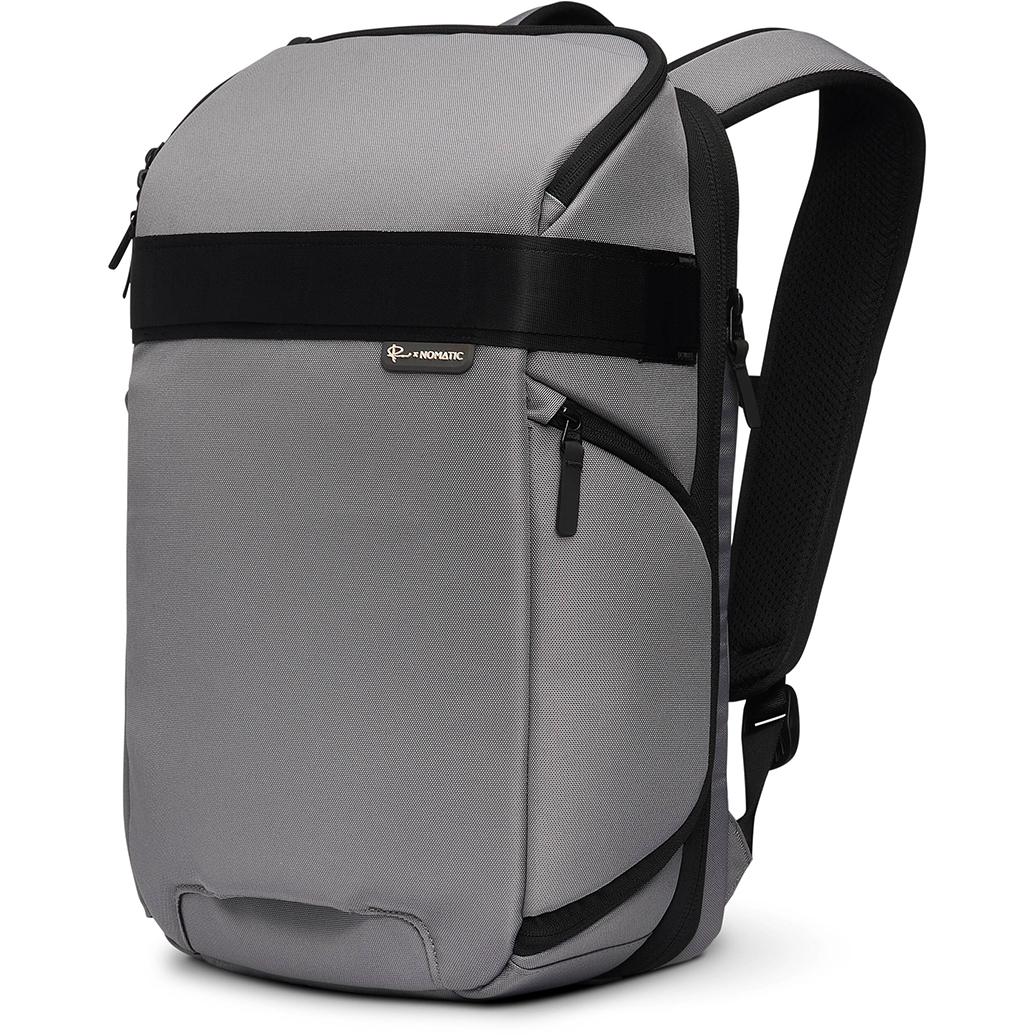
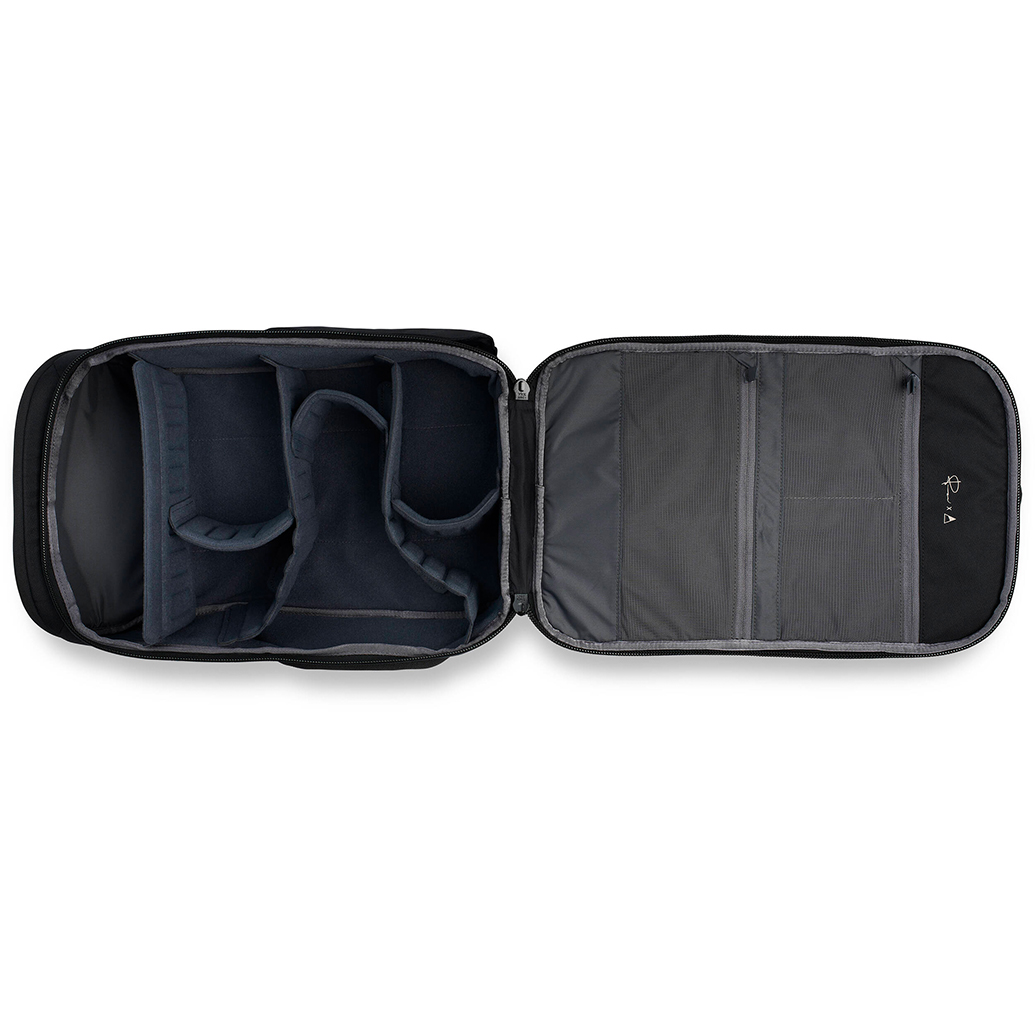
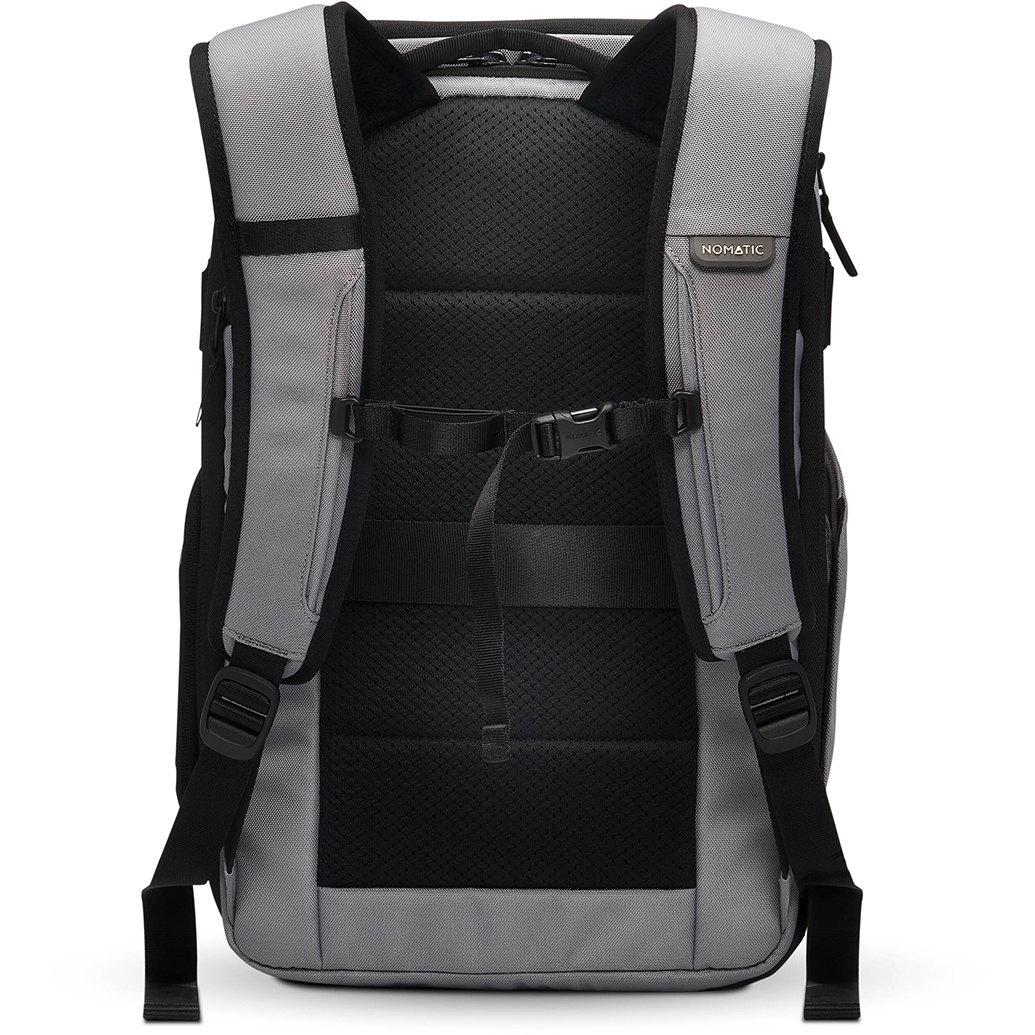
Don’t overlook the basics: a comfortable bag, a spare battery, and a fast prime lens often improve your experience more than an incremental body upgrade.
Verdict and Recommendation
If you’re starting fresh in 2024, choose mirrorless. The combination of forgiving autofocus, live exposure preview, and superior video makes learning faster and more fun. If you’re value-focused and open to used gear, a DSLR kit can still be a smart buy—especially paired with an inexpensive prime lens.
Whichever path you take, invest in a simple kit you’ll carry often. A compact body, a versatile zoom, a fast prime, and a comfortable bag will take you farther than spec sheets suggest.
Ready to try options in hand? Visit Unique Photo in-store or online to compare mirrorless and DSLR kits, explore used bargains, and pick up essential accessories like the Nomatic Luma 18L and quality lenses to grow with your system.