Entering a photo contest can be exciting, but choosing the single best image from your portfolio is often the hardest part. Whether you are submitting to a local gallery call, an online competition, or a juried exhibition, the selection process can make or break your chances. At Unique Photo, we work with photographers at every level, and one of the most common questions we hear is simple: how do I choose the best photo for a contest?
The answer is rarely about picking your personal favorite alone. Instead, the strongest contest entry balances technical quality, emotional impact, originality, relevance to the theme, and presentation. This guide will help you narrow down your portfolio with a practical process so you can submit with confidence.
How to Choose the Best Photo for a Contest
If you are wondering how to pick one image out of hundreds or thousands, start by stepping back from your emotional attachment to the shoot. Many photographers choose the image tied to the strongest memory, but judges only see the final frame. They are not evaluating the story of how hard it was to get the shot. They are evaluating the image itself.
Start with a three-step review process:
- Create a shortlist of 10 to 20 images that fit the contest theme or category.
- Compare them side by side for impact, composition, and technical execution.
- Reduce your list ruthlessly until only your top 2 or 3 remain.
This approach helps remove indecision. Instead of trying to find the winner immediately, you focus on eliminating weaker options first. That shift in mindset can make the process much easier.
What Contest Judges Look for in a Winning Photo
One of the best ways to narrow down your portfolio is to think like a judge. Every contest has its own standards, but most judges look for a combination of the following:
- Strong composition with clear visual structure
- Technical excellence including focus, exposure, and clean editing
- Originality or a fresh point of view
- Emotional or visual impact that grabs attention quickly
- Relevance to the contest theme
- Consistency of style if multiple images are allowed
If your image is beautifully executed but does not clearly fit the contest brief, it may still underperform. Before finalizing your submission, read the rules again and ask whether the image truly matches the category, subject, and tone the organizers are seeking.
How to Narrow Down a Photography Portfolio Objectively
When every image feels personal, objectivity becomes your most valuable editing tool. Here are a few proven methods to evaluate your contest candidates more clearly:
1. Walk away before deciding.
Give yourself a few hours or a few days away from the images. Fresh eyes often reveal obvious winners and obvious weak spots.
2. View the images small and large.
A contest photo should work both as a thumbnail and at full size. At small scale, it should stand out immediately. At large scale, it should hold up technically.
3. Remove near-duplicates.
If you have six versions of the same scene, pick the strongest variation first. Do not compare too many similar files at once.
4. Score each image.
Give every finalist a score from 1 to 10 in categories like impact, technical quality, originality, and theme fit. This simple system can help reveal the strongest overall submission.
5. Ask for targeted feedback.
Instead of asking friends, “Which do you like best?” ask, “Which image feels most contest-worthy and why?” Better feedback leads to better decisions.
Best Way to Compare Photos for a Contest Submission
When comparing finalists, use a deliberate review workflow. Open your top selections together and study them under the same conditions. Ask the following questions:
- Which photo catches my attention first?
- Which one stays interesting after 10 seconds?
- Which image tells the clearest story?
- Which frame feels most polished without feeling over-edited?
- Which photo looks distinctive next to the others?
A good contest image often combines immediate appeal with lasting depth. Some photos make a quick impression but fall apart on closer inspection. Others are subtle but powerful over time. The strongest contest picks usually deliver both.
If you print your images for review, that can help too. Screens can flatten nuance, while prints often reveal composition strengths, distractions, and tonal issues more clearly. Unique Photo regularly supports photographers who still rely on print reviews before major submissions because physical output can change how an image reads.
How Important Is Technical Perfection in Photo Contests?
Technical quality matters, but it is not everything. A technically flawless image that feels generic may lose to a less perfect image with stronger emotion, storytelling, or originality. That said, obvious issues can hurt your chances fast.
Watch for these common technical problems before entering:
- Missed focus on the primary subject
- Distracting blown highlights or blocked shadows
- Heavy-handed sharpening or noise reduction
- Oversaturated color
- Poor cropping choices
- Dust spots, halos, or cloning artifacts
Contest judges often review many submissions quickly, so avoid giving them easy reasons to move on. Your goal is not sterile perfection. Your goal is to present an image that feels intentional, refined, and complete.
Should You Choose Your Most Creative or Most Marketable Image?
This is one of the most common dilemmas in contest photography. The answer depends on the contest, but in general, the best submission is the image that feels memorable. Sometimes that is your most experimental work. Other times it is a polished image with broad appeal.
To decide, study previous winners if they are available. Look for patterns:
- Do winners tend to be bold and conceptual?
- Are they documentary and emotionally grounded?
- Do judges reward minimalist composition or highly detailed scenes?
- Is there a strong preference for classic technique or inventive style?
Use that research to guide your choice without chasing trends too closely. Judges still want to see your point of view. The best contest image is usually the one where your style and the contest expectations meet.
Why Editing Choices Can Make or Break a Contest Entry
Even a strong image can lose impact through weak editing decisions. Before submitting, review your file with restraint. Ask whether your edit supports the subject or distracts from it.
Keep an eye on:
- Contrast: enough to create separation, but not so much that detail disappears
- Color grading: unified and intentional, not trendy for the sake of trend
- Cropping: tighter is not always better if it damages balance
- Retouching: clean but believable
- Black-and-white conversions: only if they strengthen the image structurally and emotionally
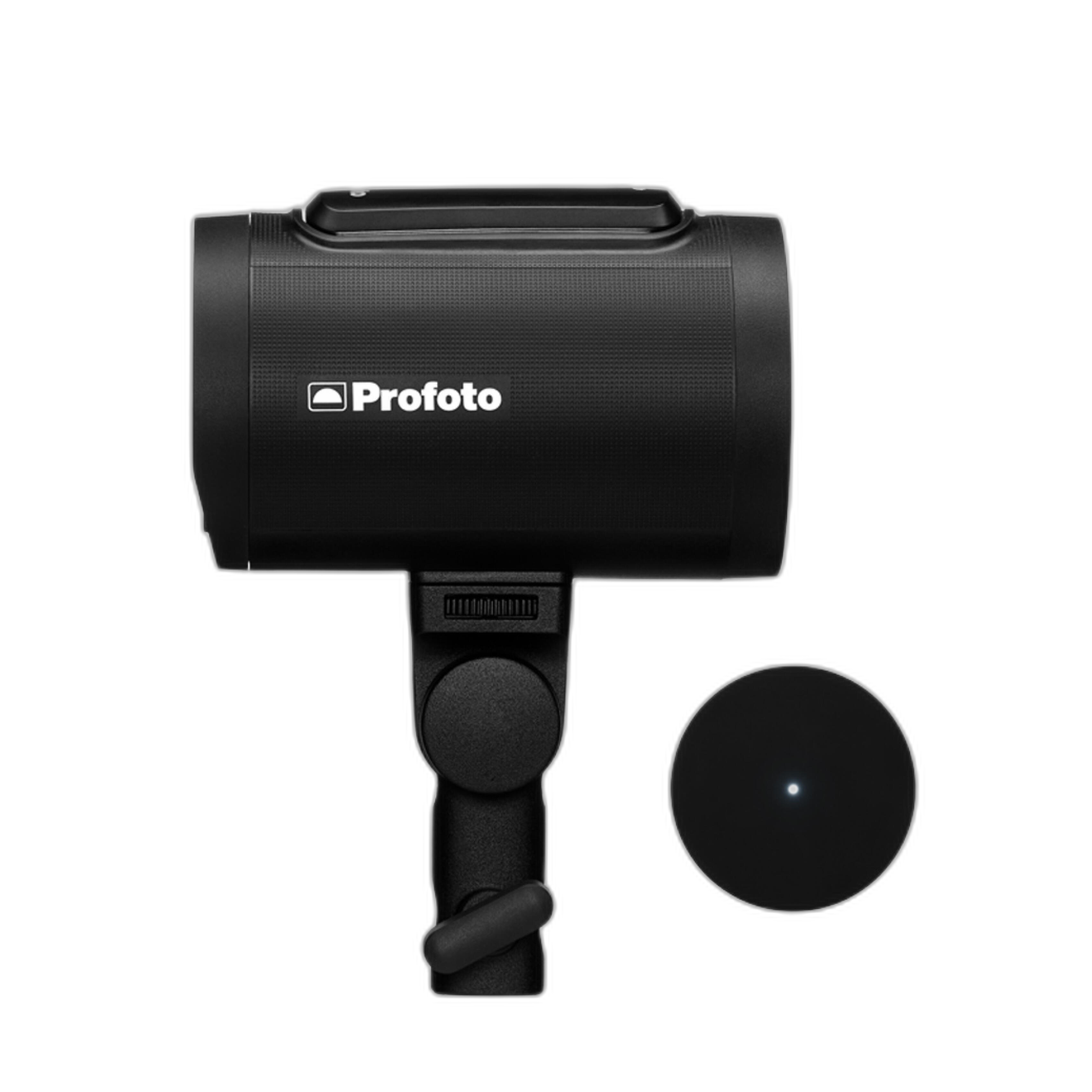
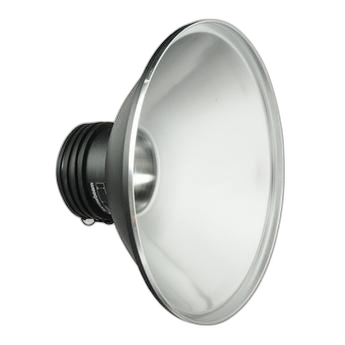
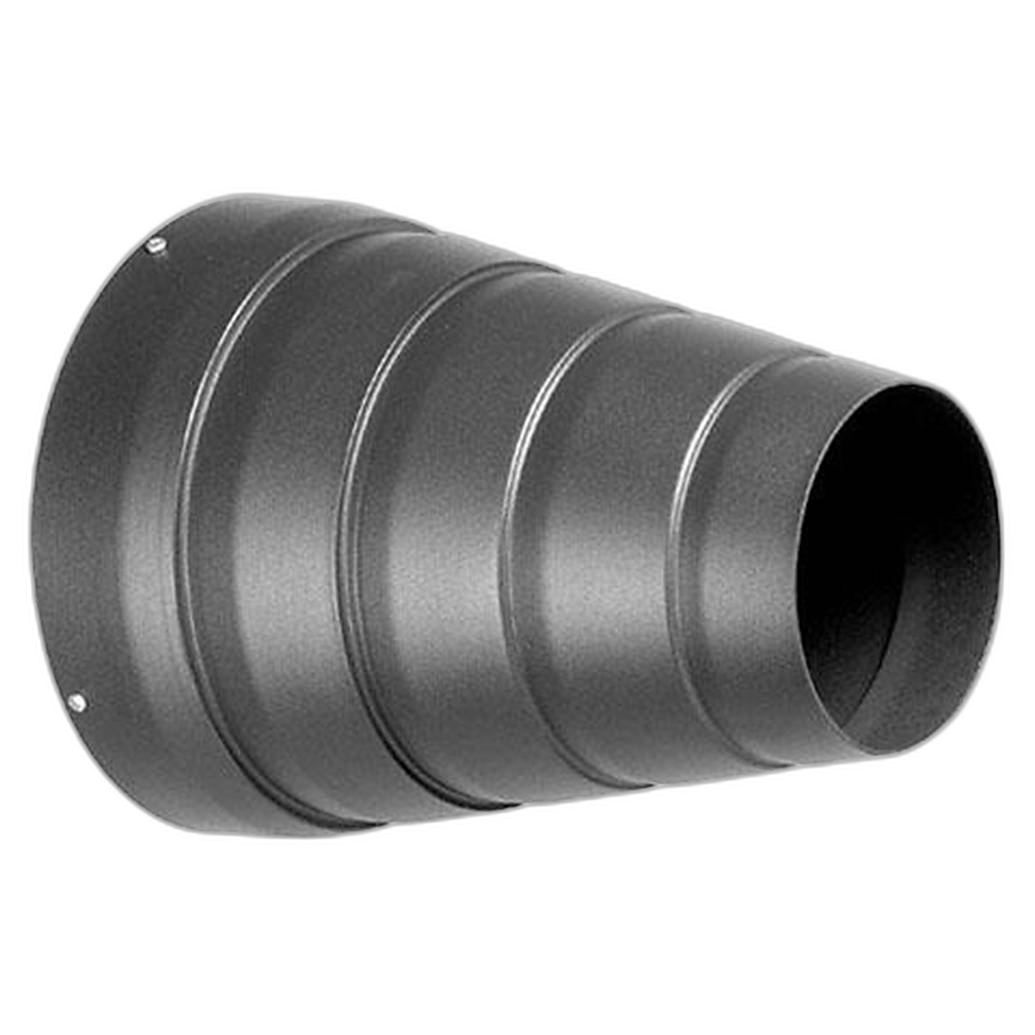
If the photo was created with controlled lighting, that polish can definitely help in certain categories such as portrait, fashion, or fine art. For photographers refining future contest work, lighting tools available at Unique Photo, such as the Profoto A2 Connect Kit for Canon, Sony, Fujifilm, or Nikon systems, can help produce consistent, professional-looking portrait entries. Likewise, focused modifiers like the Profoto Narrow-Beam Reflector, Hensel Narrow Snoot Reflector, or Aputure narrow-angle reflectors can help shape light with more precision during concept-driven shoots.
How to Get Feedback Before Entering a Photography Contest
Outside feedback is one of the best tools for narrowing down your portfolio, but only if you ask the right people. Try to gather responses from photographers, editors, mentors, or photography communities that understand visual critique.
When requesting feedback, avoid general questions. Instead ask:
- Which image feels strongest for this specific contest?
- Where does your eye go first?
- Does anything distract you?
- Does this image feel original?
- Would you remember this photo after seeing 100 others?
If several trusted reviewers identify the same image, pay attention. If feedback is split, revisit the contest criteria and decide which image aligns best with the judges' likely priorities.
Unique Photo’s educational community and workshops can also be valuable resources for photographers looking to sharpen their editing judgment and submission strategy over time.
Common Mistakes When Selecting a Photo Contest Entry
Many photographers lose strong opportunities because of avoidable selection mistakes. Here are some of the most common:
- Choosing based on personal memory instead of visual impact
- Ignoring the contest theme
- Submitting an image that is too similar to common tropes
- Over-editing to stand out
- Failing to crop or present the image carefully
- Waiting until the last minute to evaluate options
A disciplined review process will help you avoid all of these. Think of image selection as part of the creative process, not just an administrative step before submission.
Final Checklist for Choosing Your Best Photo for a Contest
Before you submit, run through this quick checklist:
- Does the image clearly fit the contest category and theme?
- Is it technically strong enough to hold up under scrutiny?
- Does it stand out quickly and remain interesting longer?
- Is the editing polished and intentional?
- Have you compared it against your other finalists objectively?
- Have you gotten feedback from at least one trusted source?
- Would this image represent your work well if it were the first thing a judge saw?
If you can answer yes to all of the above, you are likely looking at your strongest submission.
Conclusion: Submit with Confidence and Keep Building Your Portfolio
Choosing your best photo for a contest is about balancing instinct with analysis. The right image is not always the one with the biggest story behind it for you personally. It is the image that communicates most clearly, fits the brief, and holds a judge’s attention in a crowded field.
At Unique Photo, we encourage photographers to treat contest selection as a skill worth developing. The more intentionally you edit and review your portfolio, the better your submissions become over time. If you are preparing future contest work, consider exploring lighting tools, flashes, and modifiers that can help elevate your concepts and execution.
For internal linking, this article pairs well with related content on photo editing workflow tips, how to prepare images for print, portrait lighting for competitions, best camera gear for studio photography, and how to build a photography portfolio. Those resources can help readers move from choosing a contest image to creating even stronger work for the next submission.