Beginner Photography Accessories FAQ: What You Really Need First
Starting out in photography is exciting, but choosing accessories can quickly feel more complicated than picking a camera body or lens. At Unique Photo, we usually recommend focusing on accessories that improve stability, protection, storage, and everyday usability so you can shoot more confidently without overspending.
This FAQ covers the beginner accessory questions we hear most often, from filters and tripods to camera bags, memory cards, and learning tools that help new photographers build better habits from day one.
Which accessories should a beginner photographer buy first?
If you are building your first kit, prioritize accessories that solve common real-world problems: carrying your gear safely, storing images reliably, stabilizing the camera in low light, and keeping your setup ready for everyday shooting. For most beginners, that means a well-sized bag or backpack, at least one dependable memory card, a tripod, an extra battery if available for your camera system, and a simple cleaning setup.
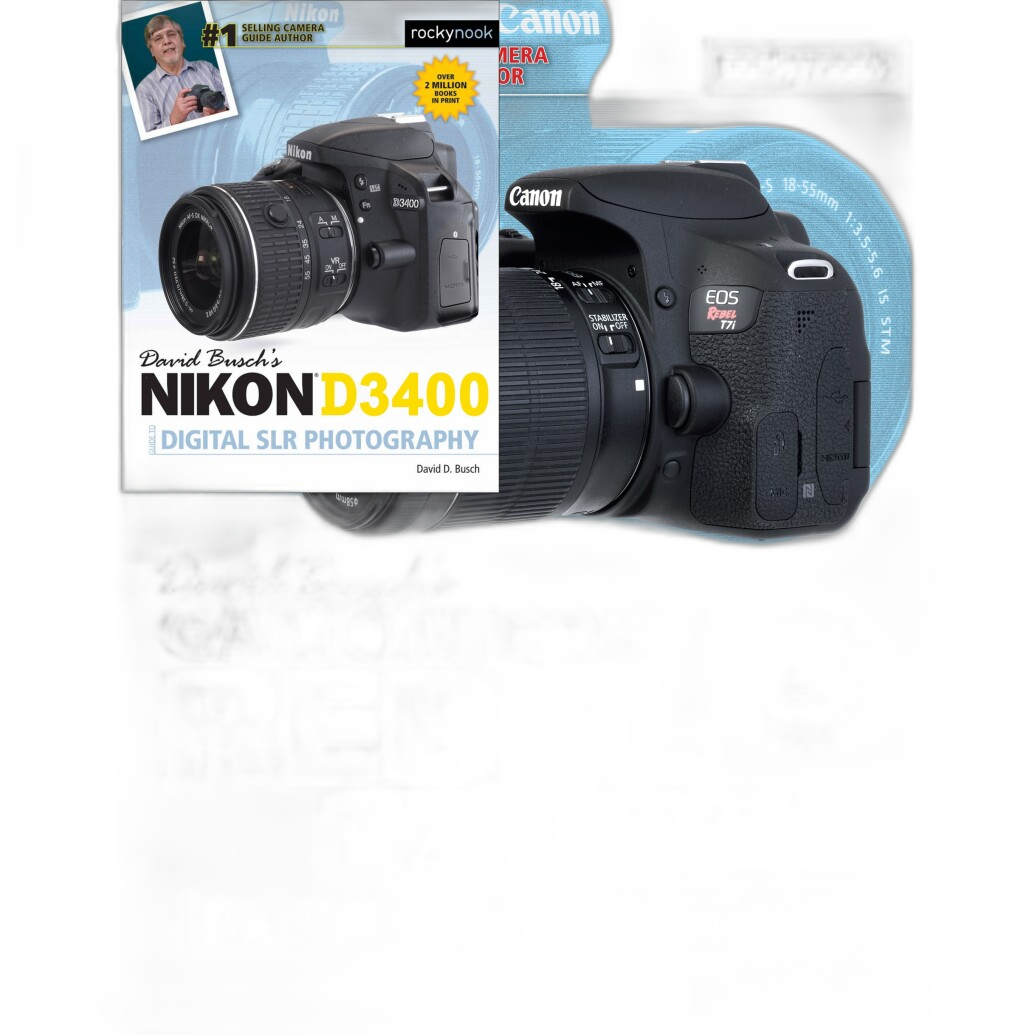
It is also smart to invest in education early. A strong beginner guide can help you make better use of the gear you already own, which is often more valuable than buying too many accessories too quickly. If you shoot with a Canon Rebel, a title like the Rocky Nook Canon EOS Rebel T7i Guide to DSLR Photography can be a practical companion for understanding your camera more deeply.
Which filters are actually necessary for beginners?
Many new photographers assume they need several filters right away, but in reality, only a few are truly useful for most beginners. A circular polarizer is often the most practical first filter because it can reduce reflections on water and glass, deepen blue skies, and improve color and contrast in outdoor scenes. This makes it especially helpful for landscape, travel, and daytime shooting.
A neutral density filter can also be useful later if you want longer exposures for waterfalls, clouds, or bright-light video work, but it is not usually the first filter we recommend for casual still photography. Clear or UV filters are more of a personal preference. Some photographers like them for front-element protection, while others prefer using the lens hood and cap to avoid adding extra glass.
For a beginner, the key is to buy filters with a purpose rather than collecting them all at once. If your main subjects are travel, nature, or street scenes in daylight, start with a quality polarizer and learn what it does before expanding further.
How important is a tripod for a new photographer?
A tripod is one of the most useful accessories a beginner can own because it opens up types of photography that are difficult to do handheld. It helps with low-light scenes, self-portraits, family photos, landscapes at sunrise or sunset, long exposures, and any situation where consistency matters. Even if you do not use one every day, having a tripod available gives you more creative options.
For beginners, the most important tripod features are stability, manageable weight, a secure head, and easy setup. A lightweight tripod is great for travel, but it still needs to feel solid enough for your camera and lens combination. Look for leg locks that are easy to use, a head that lets you frame quickly, and a folded size you are actually willing to carry.
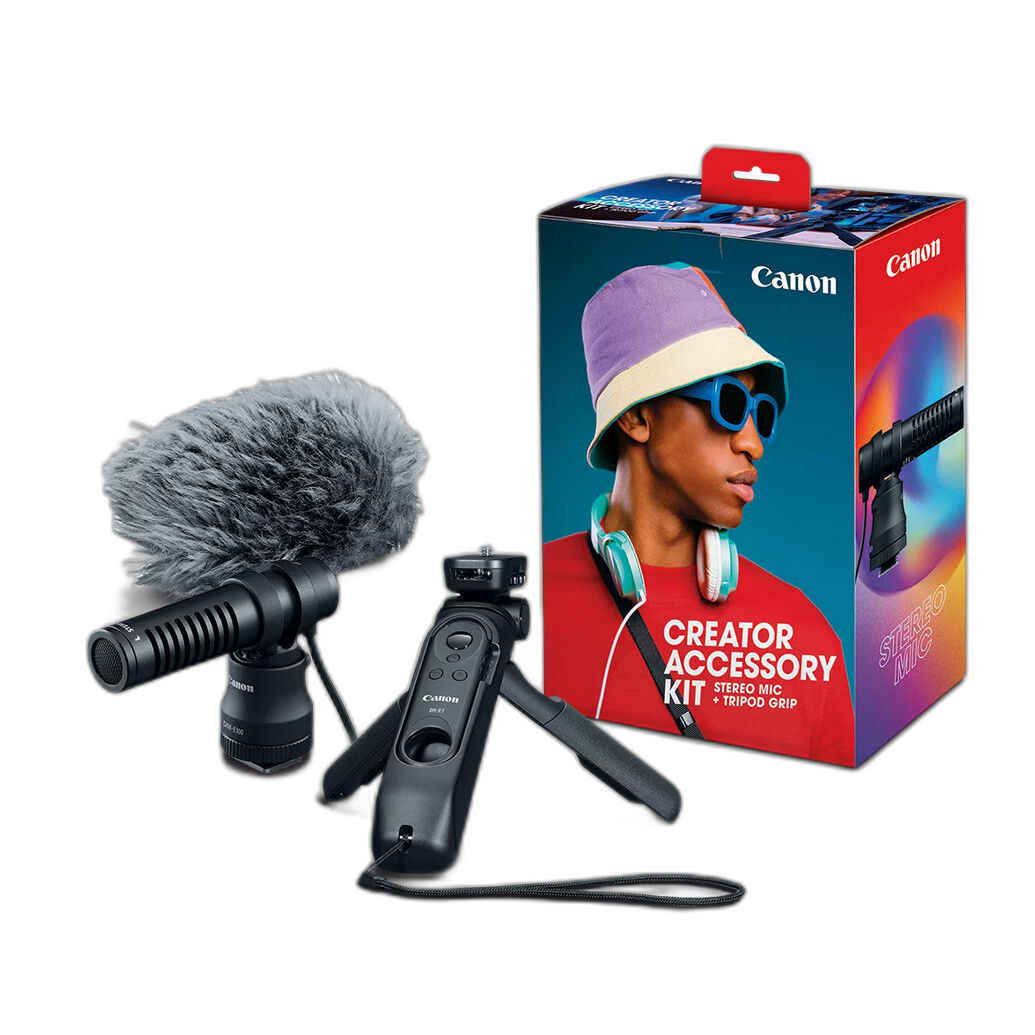
If you also create video or livestream content, accessory kits can help round out your setup. The Canon Creator Accessory Kit is especially relevant for hybrid shooters who want useful support tools for creator-focused workflows.
What should I look for in a tripod if I mostly shoot day trips and travel?
For day trips, portability matters almost as much as stability. A tripod that is too heavy often gets left at home, so the ideal travel-friendly option is compact enough to carry comfortably but sturdy enough for your camera. Beginners should pay attention to maximum load capacity, folded length, and how fast the tripod can be deployed when a moment appears.
If you frequently photograph cities, landscapes, or travel scenes, a tripod that fits inside or along the side of a backpack is often the most practical choice. You may also want a model that works well with a phone or lightweight mirrorless setup if you like capturing both stills and short video clips. Travel photography education can also help you learn when a tripod is worth bringing. The Rocky Nook The Enthusiasts Guide to Travel Photography is a useful resource for understanding how to pack and shoot more efficiently on the go.
Do you recommend a camera bag or a backpack for day trips?
For most day trips, a backpack is the better option because it distributes weight more evenly, leaves your hands free, and usually offers room for personal items alongside your camera gear. That makes it ideal for walking around a city, hiking light trails, or spending a full day out shooting. A shoulder bag can be quicker to access, but it can become uncomfortable over time if you carry it for several hours.
The right choice depends on how much gear you bring. If you only carry one camera and one extra lens, a compact shoulder bag may be enough. If you also want water, snacks, a light jacket, or a travel tripod, a backpack is usually the more comfortable and organized solution. Beginners often do best with a modestly sized bag rather than one that encourages overpacking.
Think about your style of shooting too. If you move often and want comfort, choose a backpack. If you shoot events or local walks and need faster gear access, a smaller shoulder bag may suit you better.
What memory cards offer the best value for casual shooting?
For casual photography, the best-value memory card is usually not the fastest card on the shelf but the one that is reliable, appropriately sized, and matched to your camera's needs. A moderate-capacity SD card from a trusted brand is often the smartest starting point for beginners. You want enough storage for a full outing without paying extra for performance you may never use.
If you mainly shoot JPEGs or occasional RAW files, a mid-range card with dependable write speeds will usually be more than enough. If you shoot bursts, 4K video, or larger RAW files, then faster cards become more important. Many beginners also prefer carrying two reasonably sized cards instead of one very large card, which can be a simple way to spread out risk and stay organized.
The biggest value factor is reliability. Lost images are more expensive than any memory card. Buy from trusted retailers, avoid suspiciously cheap cards, and format cards in-camera regularly once your files are safely backed up.
Are accessory kits worth it for beginners?
Accessory kits can be a good value when they align with how you actually shoot. Rather than buying several small items individually, a kit may bundle useful pieces that improve convenience for content creation, streaming, or general camera use. The key is making sure the included items are things you will genuinely use right away.
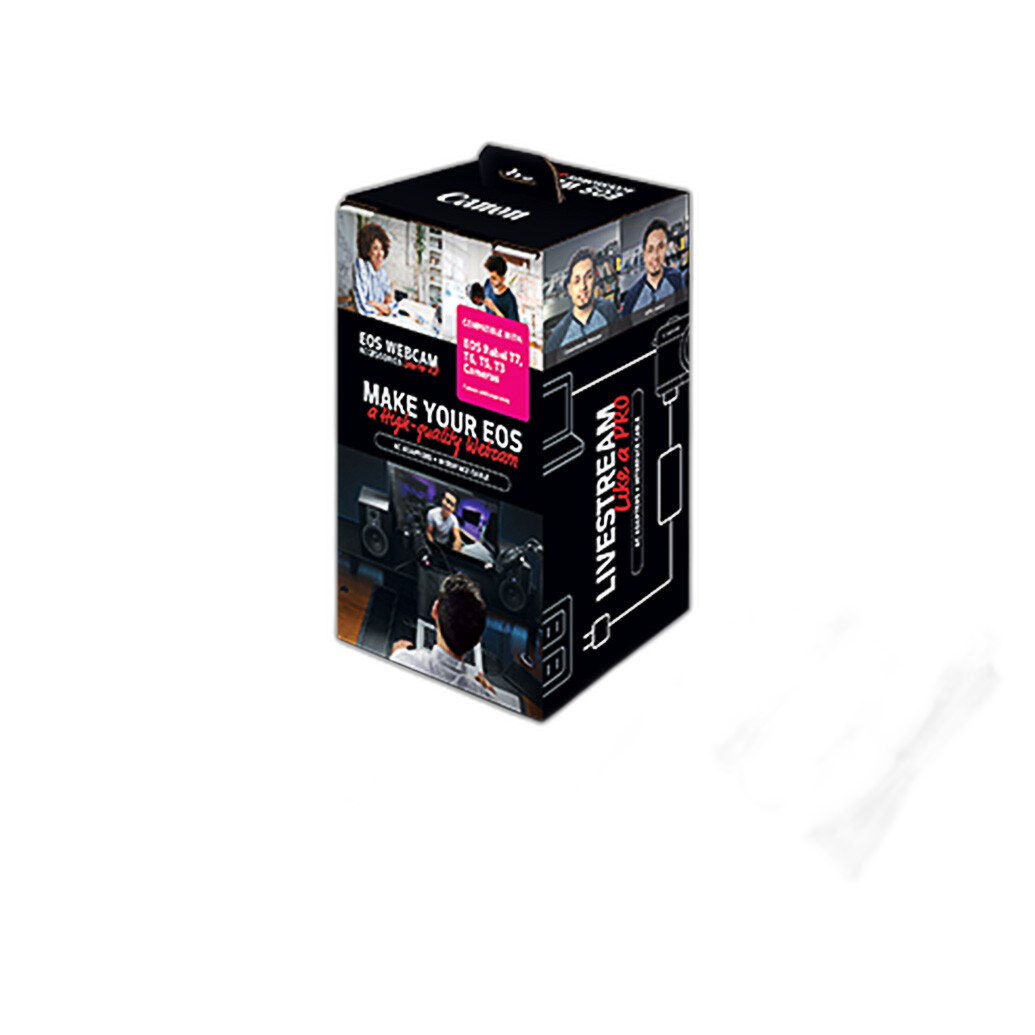
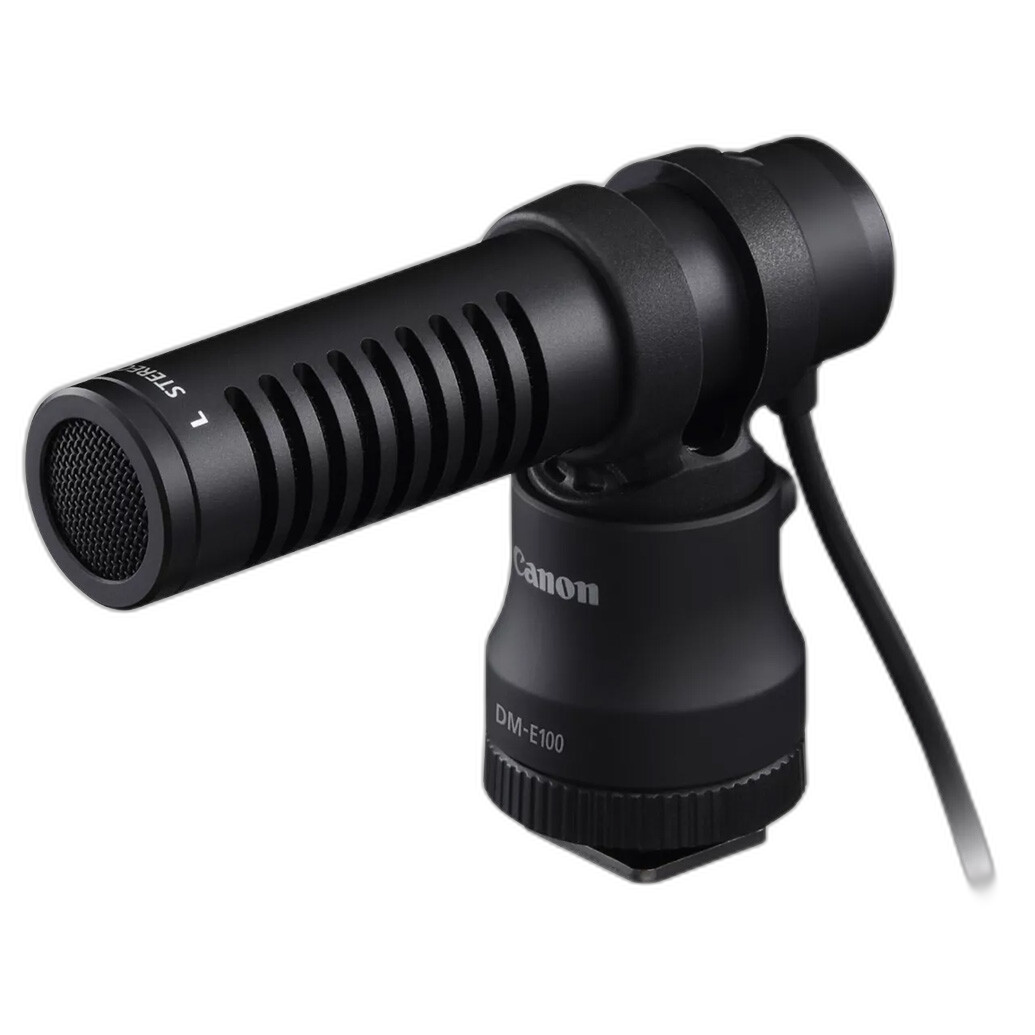
Canon users, especially those starting to mix photography with video calls, livestreaming, or creator content, may find the Canon EOS Webcam Accessories Starter Kit especially appealing. It supports a practical use case many beginners care about now: getting more versatility from their camera beyond still photos alone.
Likewise, the Canon Creator Accessory Kit can make sense if you want a more creator-friendly setup from the beginning, particularly if your workflow includes both photos and video.
Should beginners spend money on accessories or on learning first?
Both matter, but if your basic needs are covered, learning often delivers the biggest improvement in your photography. A tripod or memory card helps you make images, but education helps you make better ones. Understanding focus, exposure, composition, and camera settings lets you get more from every accessory you buy afterward.
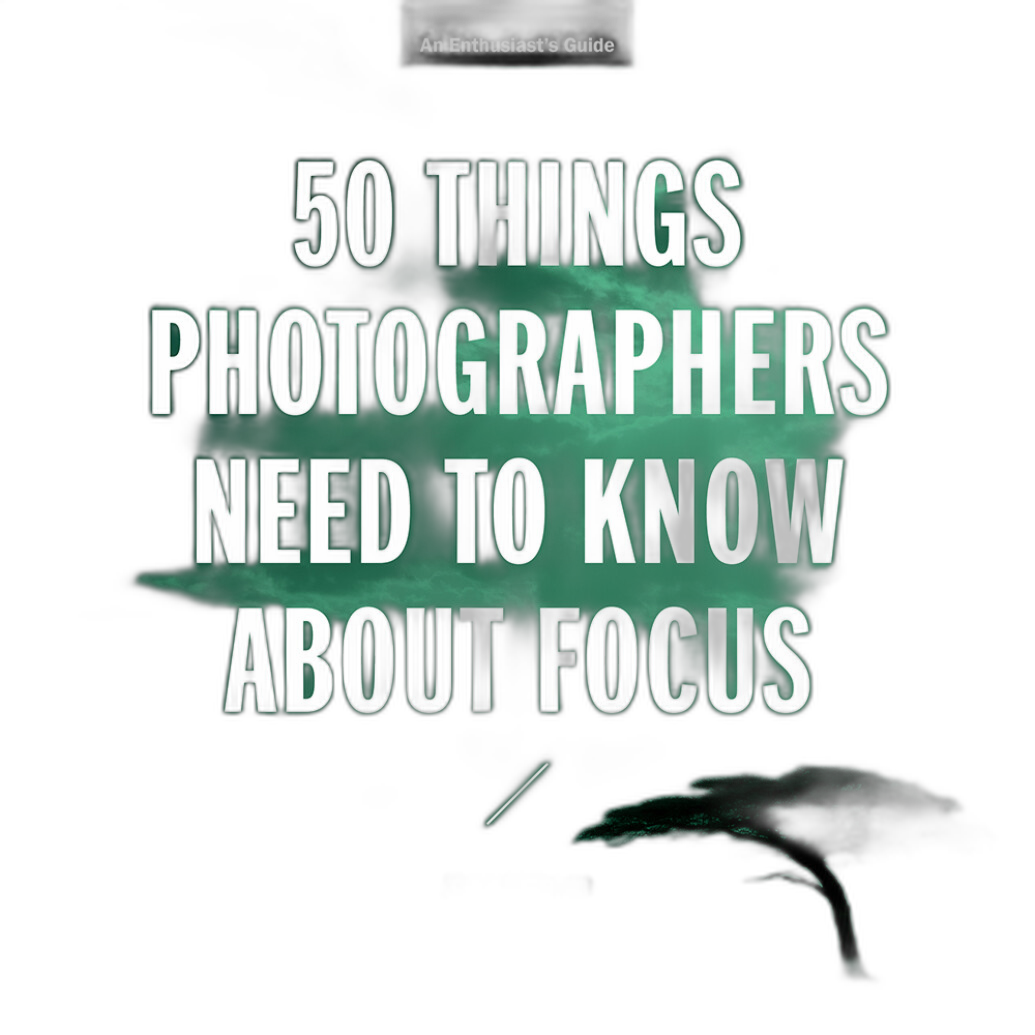
That is why books remain such strong value for beginners. The Rocky Nook 50 Things Photographers Need to Know About Focus is a smart addition for photographers who want clearer, more intentional images, while camera-specific guides can shorten the learning curve significantly.
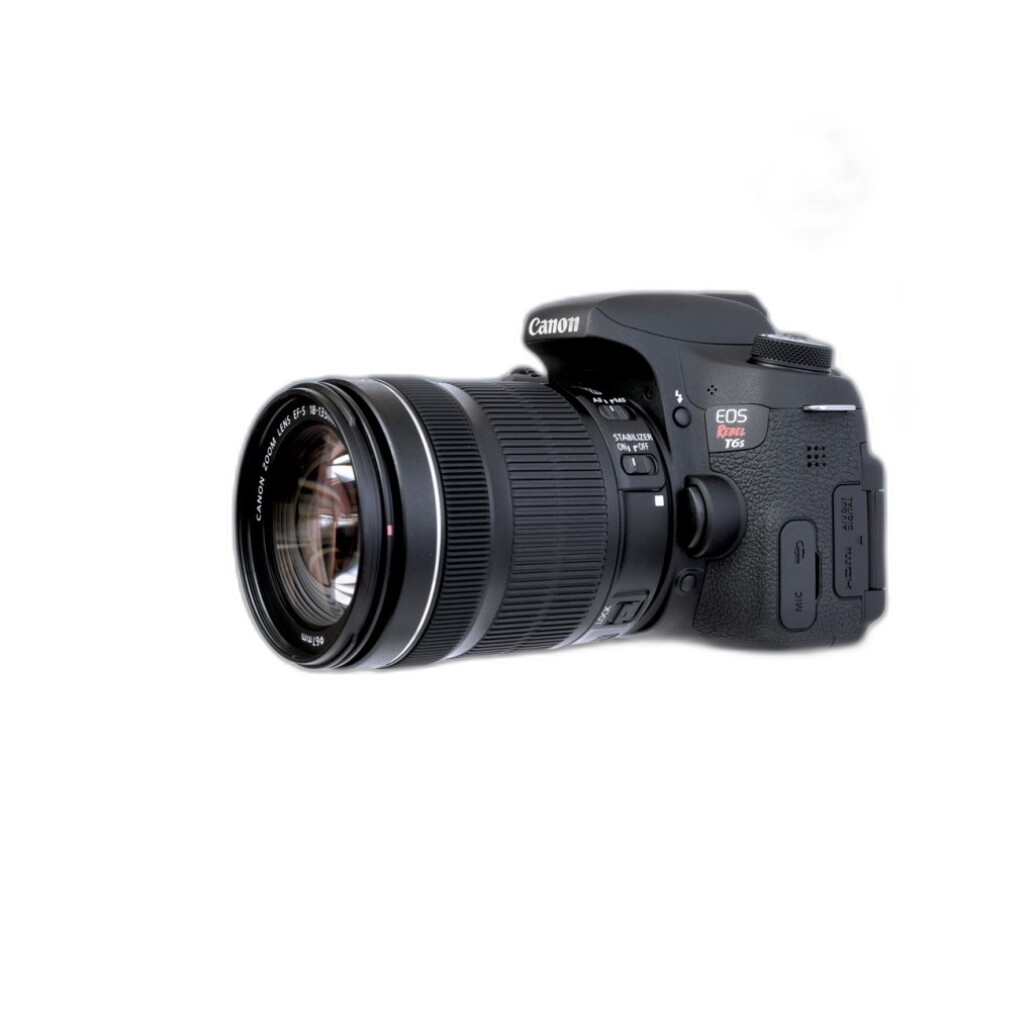
If you are using a Canon DSLR, titles such as the Canon Rebel T6s/T6i Guide to DSLR Photography or the Canon EOS Rebel T7i Guide to DSLR Photography can help you understand the controls and features you already have before investing in more gear.
What accessories matter most if I want to explore both photography and video?
If you are interested in both stills and video, prioritize accessories that support stability, audio, portability, and workflow. A tripod becomes even more important, and so does any kit that makes your camera easier to use for creator content. For many beginners, hybrid shooting starts with simple improvements such as better support gear and a more organized carry setup.
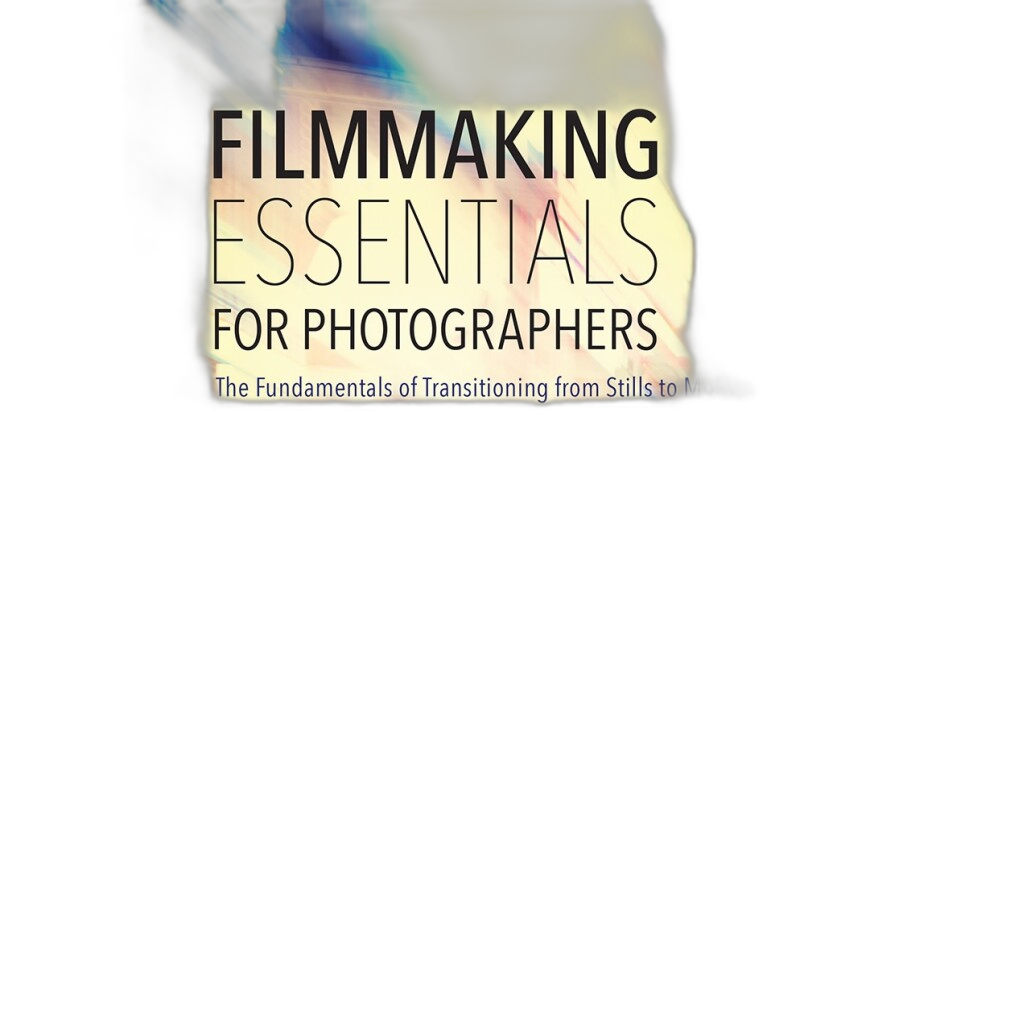
Learning resources are also especially helpful here because video introduces additional concepts like movement, frame rates, and shot planning. The Rocky Nook Filmmaking Essentials for Photographers is a strong resource if you want to branch out from stills into motion content without feeling overwhelmed.
If you enjoy experimenting with home setups, product photos, or creative projects, The Enthusiasts Guide to DIY Photography can also provide practical inspiration for getting more from simple gear.
What is the biggest beginner mistake when buying accessories?
The most common mistake is buying too much too soon. New photographers often try to build a complete kit immediately, only to discover that some items rarely leave the shelf. A better approach is to buy accessories based on how and where you actually shoot. Start with the essentials, identify the limitations you encounter most often, and then add gear that solves those specific problems.
Another common mistake is chasing low prices at the expense of quality. A flimsy tripod, unreliable memory card, or poorly designed bag can create frustration and even put your equipment at risk. It is usually better to buy fewer accessories that you can trust than a large collection of products that do not perform well.
The smartest beginner kit is not the biggest one. It is the one that makes photography easier, more enjoyable, and more consistent.
Whether you are choosing your first tripod, comparing accessory kits, or looking for practical photography books to sharpen your skills, Unique Photo can help you build a kit that fits your goals and budget. Explore our selection online or visit us for expert guidance on the accessories that will make the biggest difference in your photography journey.