Great indie visuals can survive a little grit. Bad audio usually can’t. If you’re deciding between an external audio recorder and an on-camera mic, the right choice depends less on gear hype and more on your shooting style, crew size, and how much control you need in post. For indie filmmakers working with compact production setups, especially flexible multi-camera or PTZ-based workflows, understanding where your sound is being captured is just as important as choosing the camera itself.
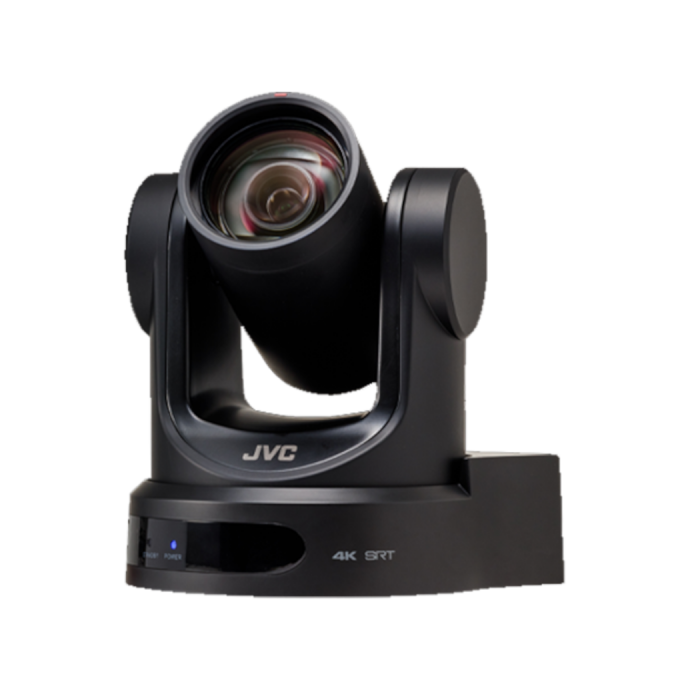
Whether you’re building a lean interview rig around a camera like the JVC KY-PZ200N HD NDI HX PTZ Remote Camera or creating a locked-off event setup with the JVC KY-PZ400N 4K NDI HX PTZ Remote Camera, these tips will help you decide when an on-camera mic is enough and when an external recorder is the smarter move.
Start With the Role of the Audio in Your Project
1. Use on-camera mics when audio is mainly for reference or run-and-gun convenience
If your project is fast-moving, low crew, or built around simple coverage, an on-camera mic can be the practical option. It keeps your setup light, minimizes syncing later, and gives you usable scratch audio immediately attached to the video file.
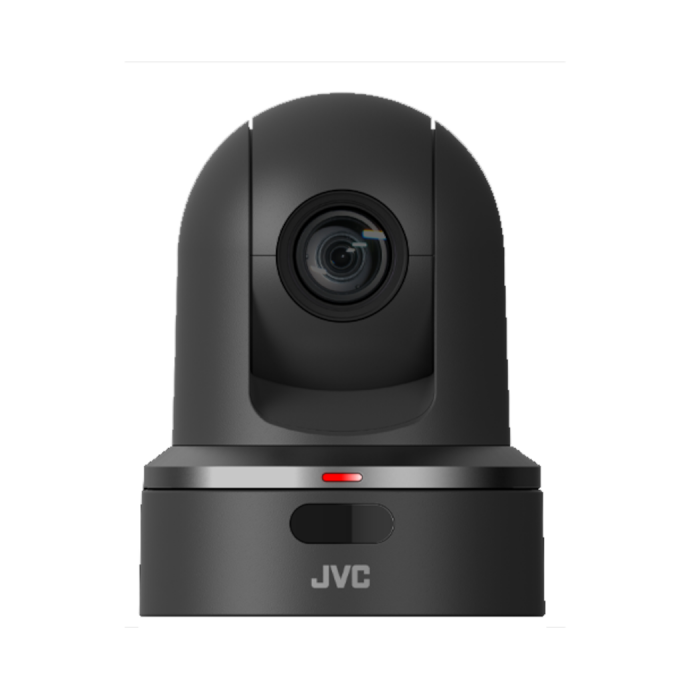
This is especially helpful for behind-the-scenes footage, simple web content, rehearsal coverage, or documentary moments where speed matters more than pristine isolation. In productions using PTZ cameras such as the JVC KY-PZ100 HD 30x Zoom Robotic PTZ Network Video Production Camera, on-camera or camera-adjacent audio can also serve as a dependable ambient track when the camera is positioned where operators can’t constantly adjust it.
2. Choose an external recorder when dialogue quality is mission-critical
If viewers need to clearly understand every line, external recording usually wins. Dedicated recorders paired with lavaliers or boom microphones generally offer better preamps, cleaner gain control, more flexible placement, and better separation from camera handling or room noise.
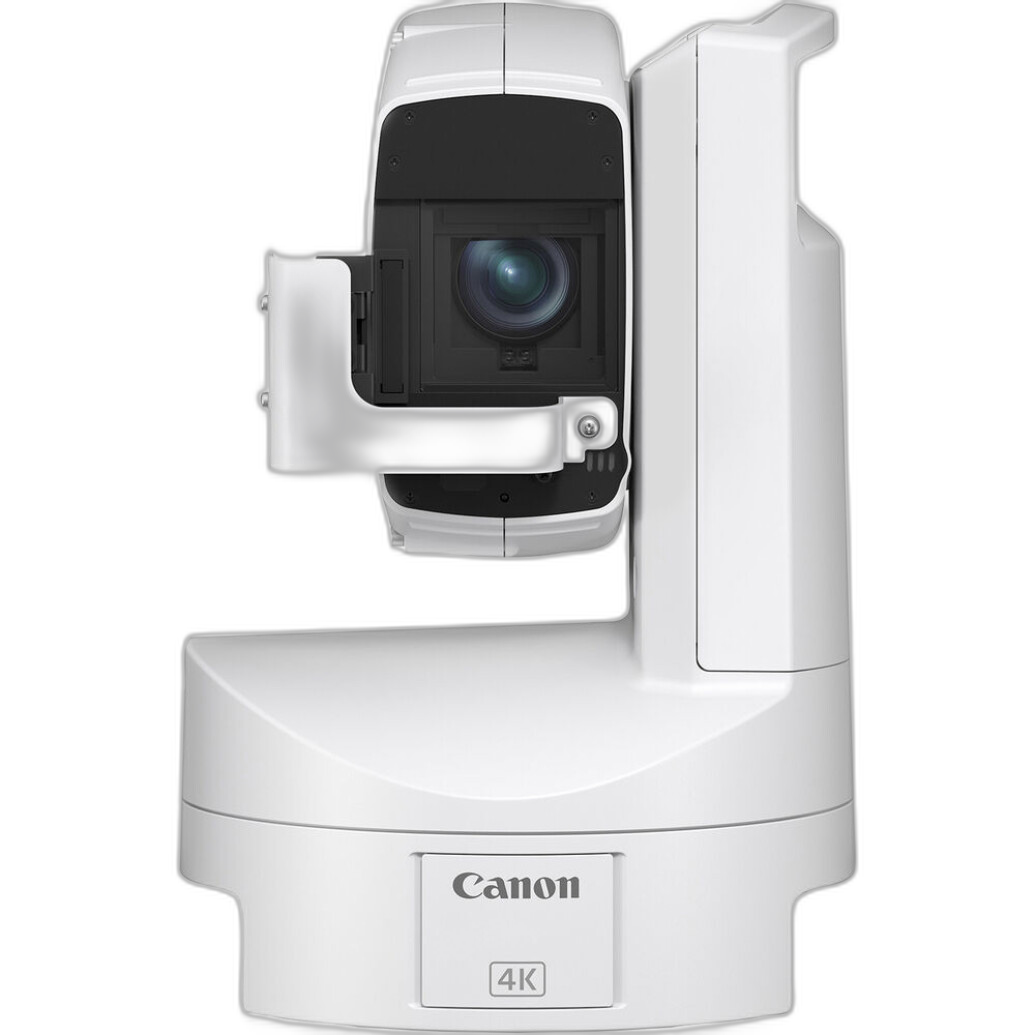
For narrative shorts, sit-down interviews, branded content, or festival-bound indie films, external recorders provide more control over your final soundtrack. If your camera is placed at a distance, as often happens with PTZ systems like the Canon CR-X300 Outdoor 4K PTZ Camera, relying only on a camera-mounted mic would usually leave dialogue sounding too far away. In that kind of setup, a separate recorder close to the subject makes much more sense.
Match the Audio Method to the Way You Shoot
3. Think about camera distance before you assume an on-camera mic will work
The biggest weakness of on-camera microphones is simple: they only sound good when the mic is close enough to the subject. If the camera is across the room, overhead, or mounted for a wide master shot, your mic is also across the room, overhead, or too far away.
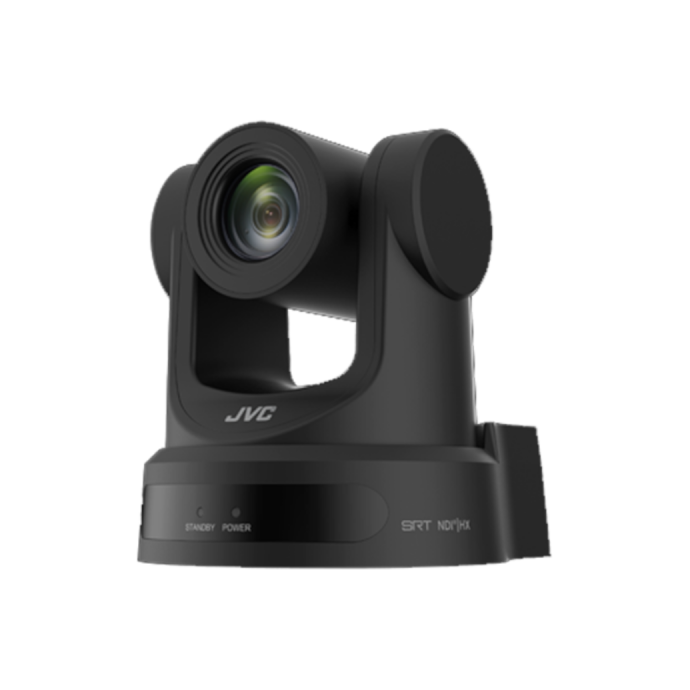
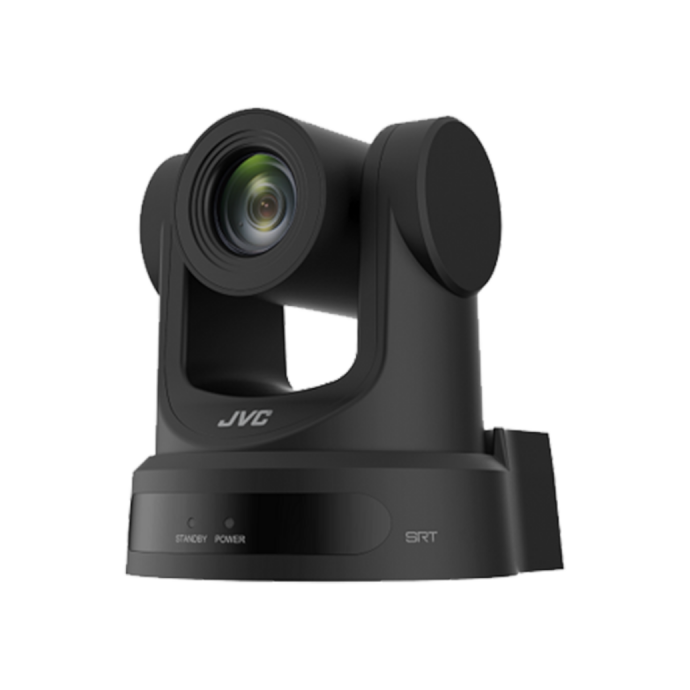
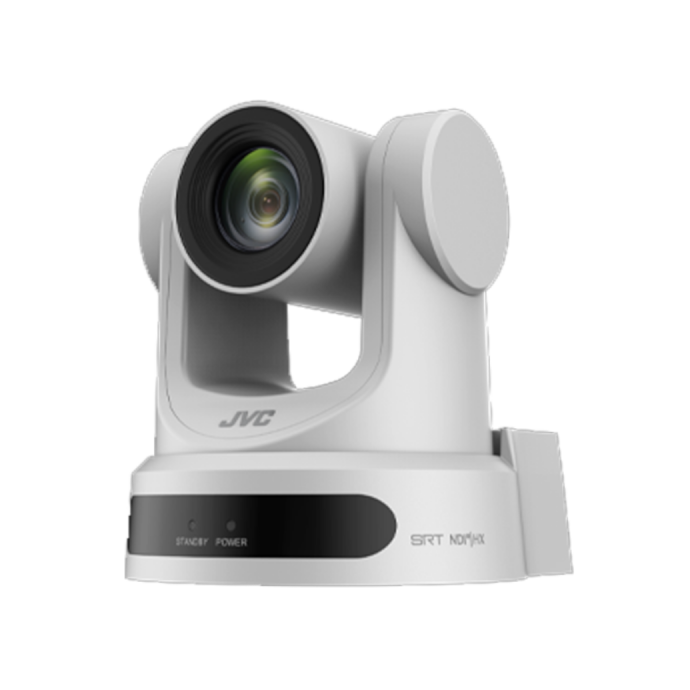
That matters even more with remotely operated cameras like the JVC KY-PZ200 HD PTZ Remote Camera with 20x Optical Zoom. PTZ cameras are excellent for clean framing and unobtrusive placement, but their shooting style often puts the camera far from the talent. In those cases, external audio recording becomes the more reliable route because you can place the microphone where it belongs: near the speaker, not near the lens.
4. Consider on-camera mics for solo operators who need fewer moving parts
If you’re shooting alone, every extra cable, transmitter, recorder, and sync step adds pressure. For solo creators covering events, social clips, location scouting videos, or quick testimonials, an on-camera mic can keep the workflow simple enough to stay focused on composition and timing.
A compact PTZ production setup built around a camera like the JVC KY-PZ200N HD NDI HX PTZ Remote Camera with 20x Optical Zoom can already reduce operator workload on the visual side. Pairing that kind of streamlined camera approach with simple in-camera audio may be the right balance when speed and efficiency are the priority.
Balance Post-Production Time Against Sound Quality
5. External recorders give you better sound, but they also add syncing work
One of the biggest tradeoffs is time. External recorders often deliver cleaner, more professional results, but they create separate files that need to be organized, backed up, and synced in editing. If your turnaround is tight, that extra post step may matter.
For multi-camera indie productions using options like the JVC KY-PZ400N 4K NDI HX PTZ Remote Camera with 12x Optical Zoom or the JVC KY-PZ200 HD PTZ Remote Camera, audio management can become more complex quickly. If the project is a same-day recap or fast client delivery, the simplicity of embedded camera audio may outweigh the benefit of a more elaborate external sound setup.
6. If you record externally, always capture scratch audio on the camera too
Even when external audio is your main track, camera audio still matters. A scratch track makes syncing faster and gives you a safety file if something goes wrong with the recorder, battery, or memory card. It also helps when editing long takes or live performances.
This is a smart practice on any production, but especially on remotely positioned cameras such as the JVC KY-PZ200 HD PTZ Remote Camera with 20x Optical Zoom in black or white finishes, where talent and camera may not be physically close during the take.
Know Which Indie Scenarios Favor Each Option
7. On-camera mics are often enough for ambient sound, rehearsals, and reference tracks
Not every production needs polished dialogue from every angle. If you’re capturing room tone, audience response, rehearsals, or general atmosphere, an on-camera mic can be perfectly useful. It can also be ideal for assembling edit references before you commit to a full sound mix.
For event spaces or house-of-worship-style coverage where PTZ cameras like the JVC KY-PZ100 or JVC KY-PZ200N are used as discreet angle-makers, camera-based audio can contribute useful environmental sound that helps the final edit feel more natural.
8. External recorders are the better choice for interviews and narrative scenes
When emotion, clarity, and nuance matter, get the microphone closer and record with intention. Interviews, dramatic scenes, and documentary sit-downs usually benefit from lavaliers, boom mics, or a combination feeding an external recorder. You’ll hear more detail, less room echo, and fewer distractions.
That’s particularly important if your image capture is coming from a polished, professional camera position like a JVC KY-PZ400N or Canon CR-X300 placed for an unobtrusive frame rather than audio proximity. Great-looking footage deserves equally strong sound.
Plan Around Your Crew, Budget, and Risk Tolerance
9. If your budget only allows one upgrade, improve mic placement before anything else
For many indie teams, the biggest audio improvement doesn’t come from choosing the most advanced recorder. It comes from moving the mic closer. A modest external recorder with a well-placed lav or boom often sounds far better than an expensive on-camera solution mounted too far from the subject.
That principle matters no matter which camera anchors your production, from the JVC KY-PZ200N to the Canon CR-X300. Camera choice affects framing and workflow, but microphone placement has the greatest effect on perceived dialogue quality.
10. Build redundancy into paid or once-only shoots
If the scene can’t be repeated, don’t rely on a single audio path. Record externally when quality matters, but keep an on-camera backup rolling whenever possible. Redundancy protects you from cable failures, wireless dropouts, dead batteries, or operator mistakes.
This is particularly valuable in live productions, performances, ceremonies, or remote-operated PTZ shoots using cameras like the JVC KY-PZ400N or JVC KY-PZ200N, where access during recording may be limited and retakes may not exist.
A Simple Decision Rule for Indie Creators
11. Ask one question: is convenience or control more important for this shoot?
If convenience wins, an on-camera mic may be the right fit. If control wins, use an external recorder. That single question can save a lot of overthinking.
- Choose on-camera audio for speed, simplicity, scratch tracks, ambient capture, and lightweight solo shooting.
- Choose external recording for dialogue-driven work, distant camera placement, cleaner sound, and more serious post-production flexibility.
- Choose both when the shoot matters too much to risk a single audio source.
As your indie projects grow, you may find that your camera system evolves too. Flexible PTZ options like the JVC KY-PZ200 series, the JVC KY-PZ400N series, and the Canon CR-X300 can make multi-angle production easier, but the same rule still applies: the best audio setup is the one that supports your actual shooting conditions, not just your wish list.
Final Thoughts
Choosing between external audio recorders and on-camera mics isn’t about picking a universal winner. It’s about matching the tool to the project. For quick, efficient indie production, on-camera audio can be enough. For polished dialogue and greater control, external recording is usually worth the extra effort. And for the smartest safety net, combining both is often the best move.
If you’re refining your indie workflow, exploring PTZ production tools, or building a more dependable video kit, Unique Photo is a great place to start comparing gear and finding the setup that fits the way you actually shoot.