Introduction: The Real Question for Canon Shooters
For many photographers and hybrid creators, the decision is not simply whether the next camera is better—it is whether upgrading within Canon makes more sense than switching to another brand entirely. Canon users often weigh autofocus reliability, sensor progress, video capability, ergonomics, and, most importantly, lens compatibility. In practice, that last factor can outweigh headline specs.
Canon’s modern mirrorless lineup has made staying in the system much easier than it was during earlier transition periods. Autofocus is consistently one of Canon’s strongest selling points, color science remains popular, and RF bodies provide a clear upgrade path for both stills and video. At the same time, competing brands may tempt users with faster readout, different video codecs, or broader third-party lens ecosystems. The real value question comes down to how much a Canon shooter already owns and how those tools still fit current needs.
Even older Canon glass can remain part of the conversation. Legacy lenses and discontinued mounts are a reminder that Canon shooters often have more to lose by switching than spec-sheet comparisons suggest.
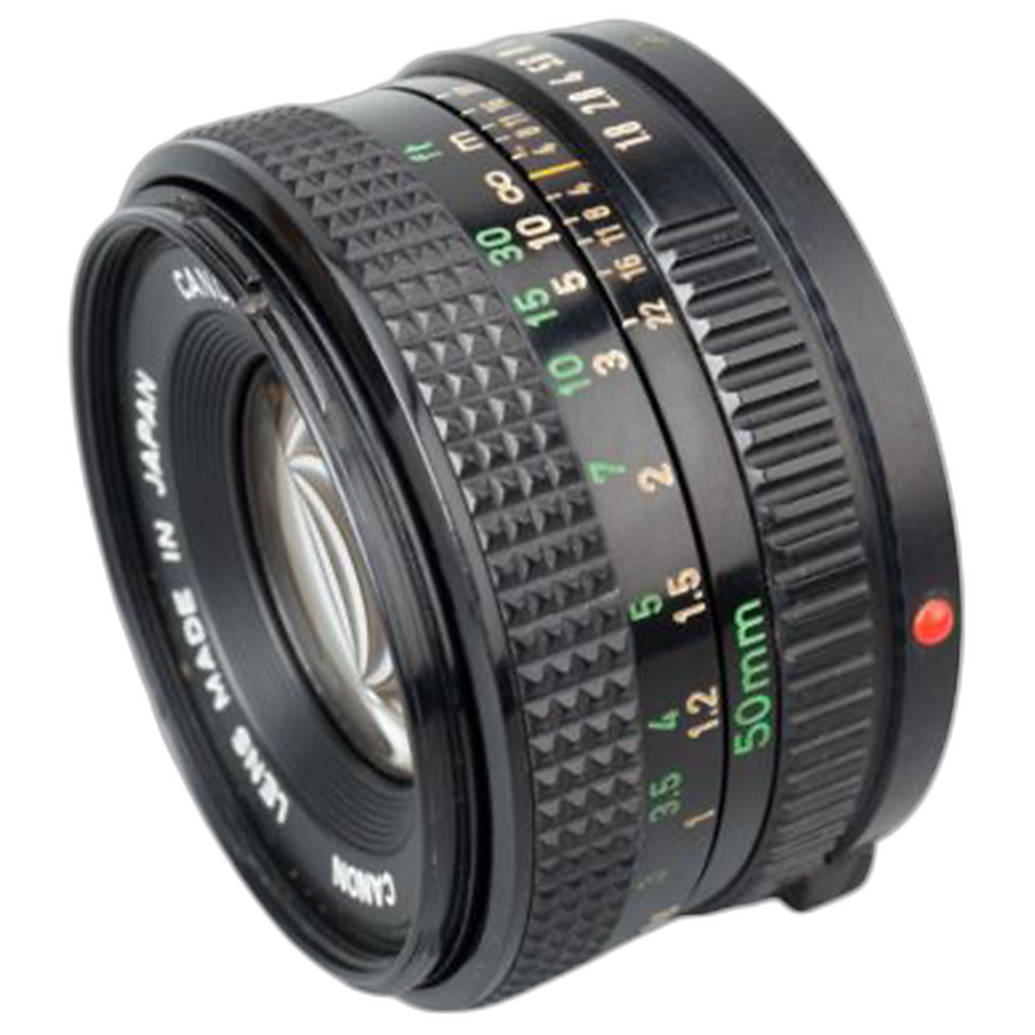
The Used Canon FD 50mm f/1.8 Lens - Good is a perfect example. It represents the long history of Canon optics and the emotional and practical value of staying connected to a system. While FD lenses are from a much older era, many photographers still adapt them for creative work, proving that lens investments can continue to matter across generations.
Autofocus: One of the Best Reasons to Stay with Canon
Reliable Subject Detection and Ease of Use
If there is one category where Canon frequently convinces users to remain loyal, it is autofocus. Canon’s Dual Pixel autofocus technologies and current subject-detection systems have built a reputation for being dependable in real-world shooting. For portraits, weddings, events, wildlife, and family photography, Canon autofocus is often less fussy and easier to trust than many alternatives.
That matters more than incremental sensor gains. A camera that locks onto eyes accurately and tracks movement consistently will improve keeper rates immediately. For photographers who prioritize getting the shot over endlessly tweaking settings, Canon’s autofocus experience remains a major advantage.
Why Switching May Not Always Improve Results
Users considering a move to another brand often cite lab-tested sensor advantages or specific video features, but autofocus behavior is one of the hardest things to replace once you are used to Canon. Competing systems may offer excellent performance, but Canon’s combination of speed, tracking confidence, and intuitive operation often makes upgrading within the lineup the safer choice.
Sensor Advances: Better Than Before, but Not Always a Reason to Switch
Canon Has Closed Many of the Old Gaps
Canon was once criticized for moving more slowly in sensor development, especially in dynamic range compared to some rivals. That criticism carried weight during certain DSLR years, but it is less decisive today. Current Canon mirrorless bodies have improved enough that for most photographers, sensor performance is no longer the main barrier to staying in the system.
For landscape, studio, and commercial shooters who push files aggressively in post, another brand may still offer a specific edge depending on the model. But for the majority of users—especially those shooting portraits, events, documentary work, travel, and content creation—Canon’s current sensors are more than competitive.
Real-World Image Quality Still Depends on Lenses
This is where system investment becomes critical. A body upgrade can improve performance, but lenses often define the look of your images more than modest sensor differences. Canon users who already own EF, RF, EF-M, or even adapted vintage Canon glass may be better served by upgrading bodies while preserving lens compatibility rather than starting over elsewhere.
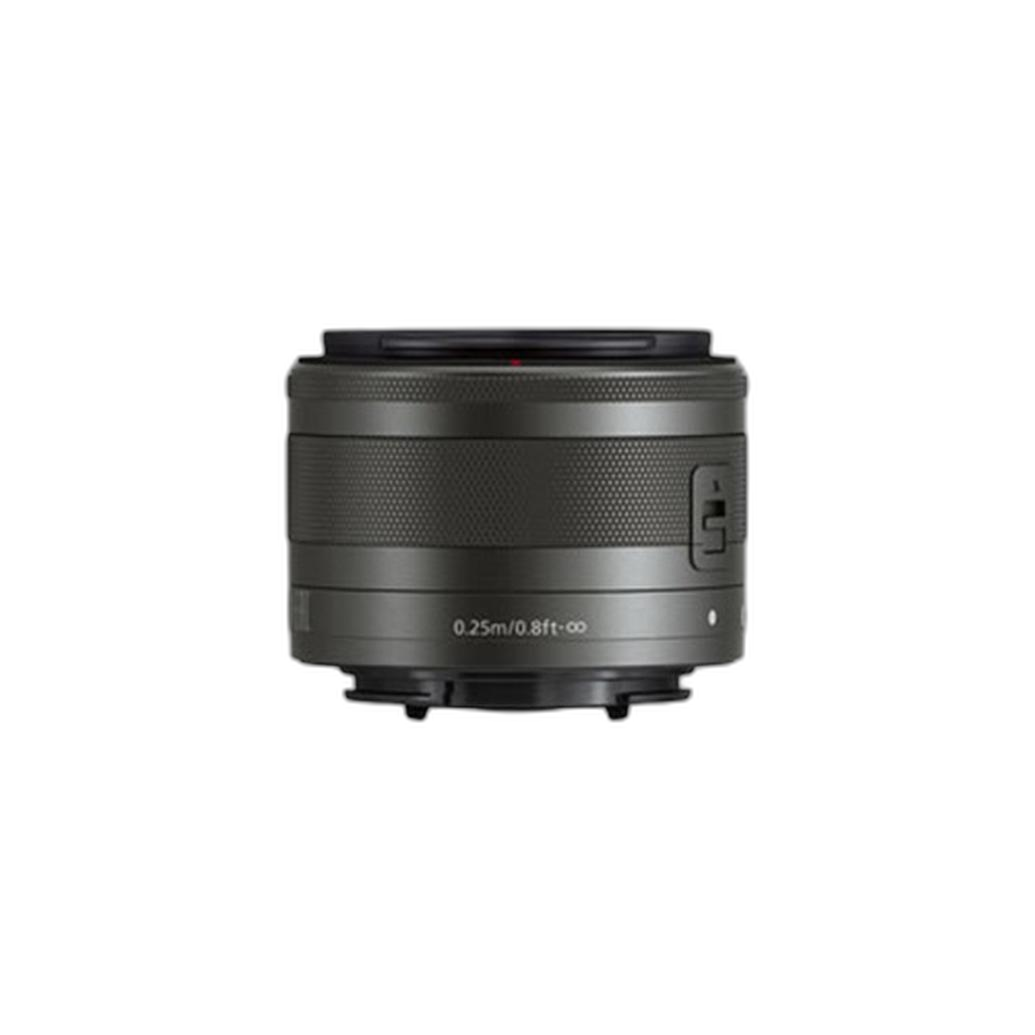
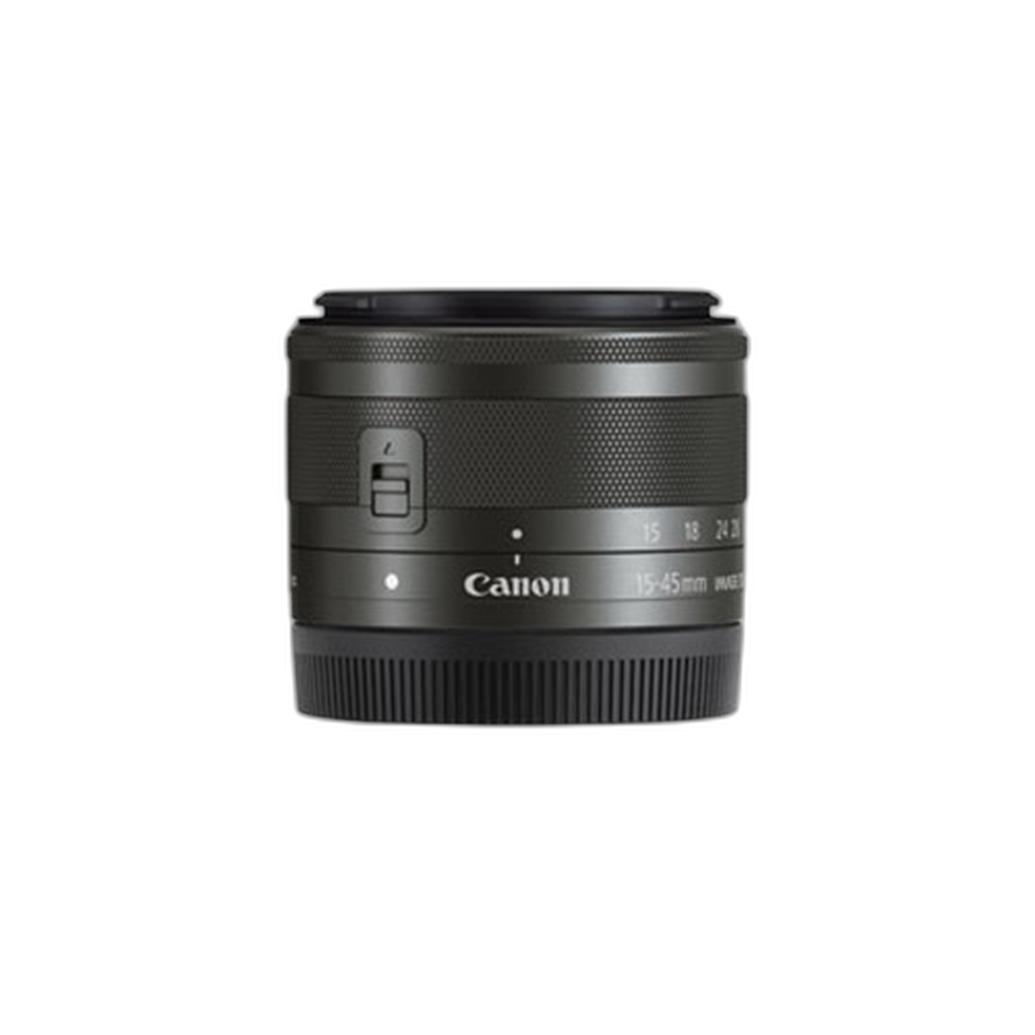
The Used Canon EF-M 15-45mm f/3.5-6.3 IS STM - Good illustrates this point from another angle. Even though the EF-M mount occupies a more limited place in Canon’s history, it still shows how users often build practical kits over time. Anyone with compact Canon mirrorless lenses has to factor in the cost and inconvenience of replacing everything if they leave the brand.
Video Features: The Category Most Likely to Trigger a Switch
Canon’s Strengths for Hybrid Creators
Canon has become much more serious about video, and many recent bodies offer strong oversampled 4K, dependable autofocus in video mode, pleasing color, and good ergonomics for solo operators. For creators who need a camera that can move between stills, interviews, social content, and client work without a steep learning curve, Canon is increasingly compelling.
Canon also benefits from a user-friendly shooting experience. Menus are generally clean, touch implementation is strong, and autofocus during video is one of the company’s biggest advantages for run-and-gun workflows.
Where Other Brands Can Still Be Tempting
Switching becomes more attractive when users need highly specific video capabilities: internal RAW options, advanced monitoring tools, less crop in certain modes, class-leading rolling shutter control, or especially aggressive price-to-spec ratios. If video is your primary business, those factors may justify looking outside Canon.
Still, many Canon users discover that the friction of changing systems—new menus, new color response, new batteries, new accessories, new lenses—offsets some of the spec gains. If your current Canon workflow already works, upgrading within the lineup is often the more efficient business decision.
Lens Compatibility: The Biggest Reason Many Canon Users Stay
Existing Glass Protects Your Investment
The strongest argument for remaining with Canon is lens continuity. Photographers who own multiple Canon lenses often underestimate how expensive and disruptive a full switch can be. Even when another brand offers attractive body specs, replacing equivalent lenses can cost far more than the body itself.
Canon users with EF lenses are in a particularly good position because adapted EF glass can continue to perform very well on newer Canon mirrorless bodies. That makes in-brand upgrading a practical bridge between generations. Instead of rebuilding from zero, users can keep favorite lenses in service while expanding selectively into RF options.
Old and New Canon Lenses Still Have Value
The Canon ecosystem is broad enough that there is room for modern autofocus lenses, compact walkaround zooms, and older manual-focus character glass. That kind of continuity is hard to duplicate after switching systems.
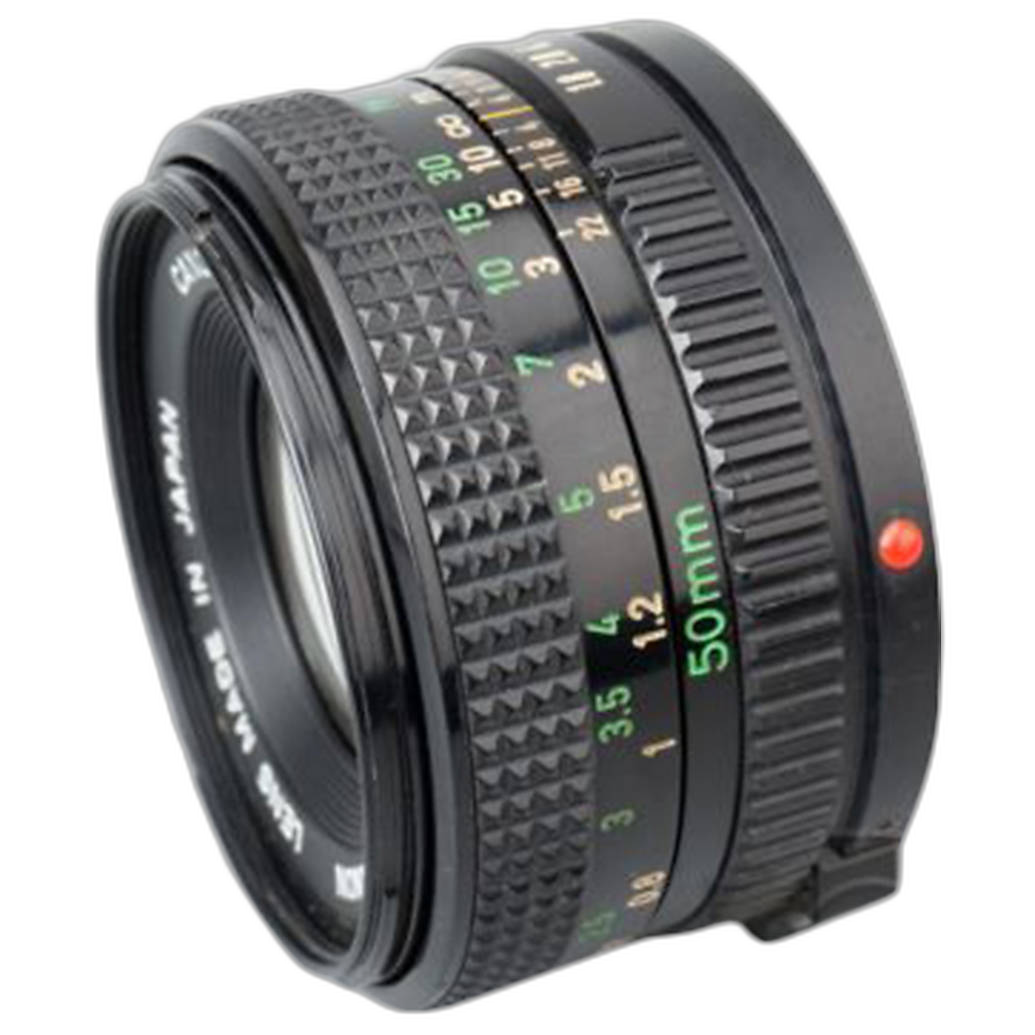
The used FD 50mm f/1.8 may not represent Canon’s latest technology, but it does reinforce a larger truth: Canon shooters often have years of accumulated optics, habits, and creative preferences tied to the brand. Those assets matter. If you switch, you are not just changing bodies—you are changing the entire photographic language of your kit.
System Practicality and Long-Term Ownership
Accessories and Support Matter More Than They Seem
One overlooked advantage of staying with Canon is the convenience of system support. Existing accessories, service familiarity, and retailer support all reduce the friction of ownership. Even small items are part of the equation when evaluating whether to stay or switch.
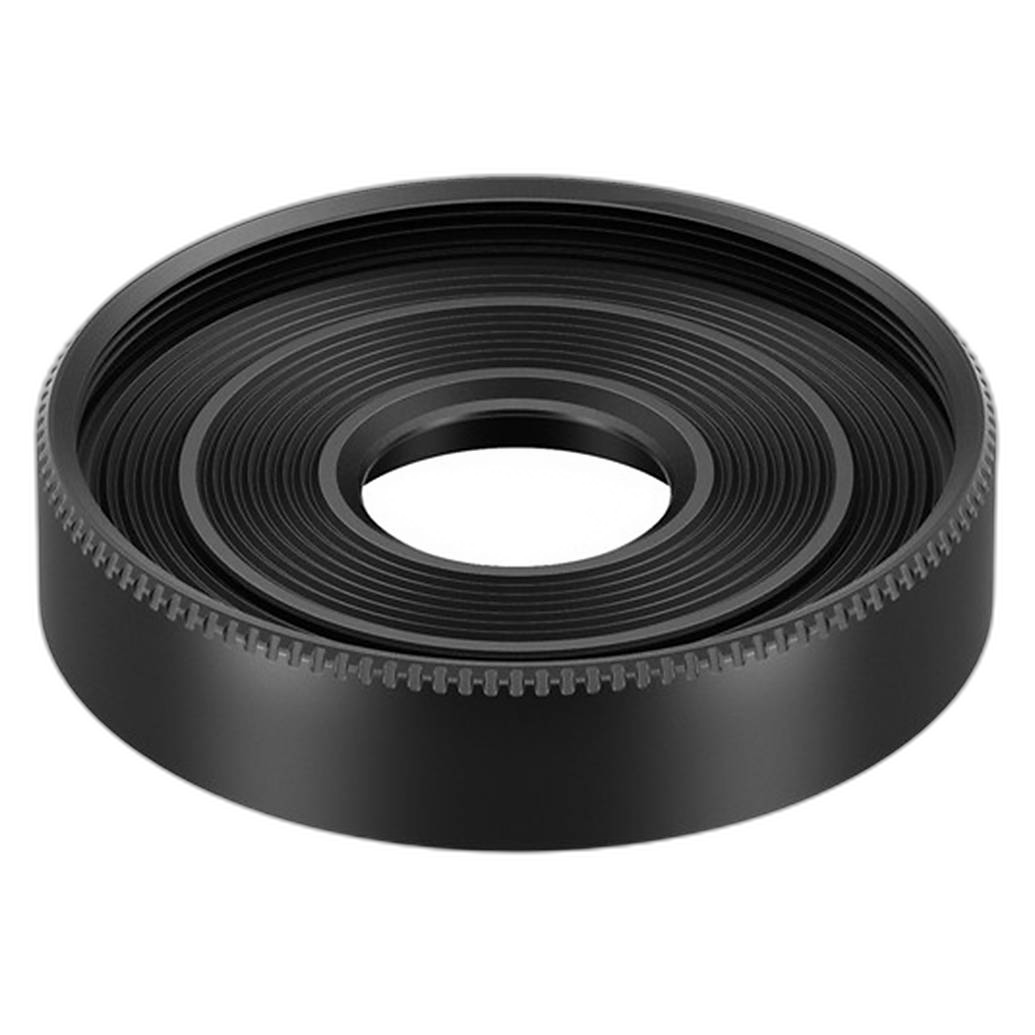
A simple accessory like the Canon ES-22 Lens Hood for EF-M 28mm f/3.5 Macro IS STM Lens highlights how established ecosystems make day-to-day shooting easier. Photographers who already own brand-specific accessories know that switching means more than replacing cameras and lenses—it also means rebuilding the smaller pieces that support the whole kit.
Pros and Cons of Upgrading Within Canon
Pros
- Excellent autofocus performance for both stills and video
- Familiar ergonomics and menu systems reduce the learning curve
- Strong compatibility path for many existing Canon lenses, especially EF users
- Color science and user experience remain major strengths
- Modern Canon bodies are far more competitive in sensor and video performance than older perceptions suggest
- Lower total switching cost when lenses and accessories are already in place
Cons
- Some rival brands may offer stronger value in certain video-first categories
- Specific users may still prefer competitors for maximum dynamic range or specialized features
- Canon mount transitions over time can create uncertainty for users in older sub-systems like EF-M
- Third-party lens flexibility may be broader on some competing platforms
Verdict: Most Canon Users Are Better Off Upgrading Than Switching
For most Canon photographers and hybrid shooters, upgrading within the Canon lineup is the more practical choice. Autofocus remains a standout strength, current sensors are strong enough for the vast majority of work, and Canon’s video tools continue to improve in meaningful ways. Most importantly, lens compatibility and system continuity protect the investment many users have already made.
Switching to another brand can absolutely make sense if your work depends on a narrow set of advanced video features or if a specific competing body solves a problem Canon does not. But for the average Canon user weighing total cost, usability, autofocus confidence, and lens continuity, staying in Canon is usually the smarter move.
If you are exploring Canon gear, used lenses, or accessories to support your next upgrade, Unique Photo is an excellent place to buy. Their selection makes it easier to evaluate whether a strategic upgrade inside the Canon ecosystem can deliver more value than an expensive switch to another brand.