Introduction: A Real Upgrade Question for EOS R Owners
If you are shooting with the original Canon EOS R, you are in a very specific position in today’s camera market. The EOS R was an important camera for Canon: it introduced the RF mount, delivered excellent image quality, and gave many photographers a first taste of full-frame mirrorless shooting in the Canon ecosystem. But the market has moved fast. Autofocus has become dramatically smarter, burst rates are much faster, video expectations are higher, and overall camera responsiveness has improved across the board.
That leads to the obvious question: should you move from the Canon EOS R to the Canon EOS R6 Mark II, or is this the point where switching to another brand makes more sense?
For most existing Canon users, the R6 Mark II is not just a minor update. It is the kind of camera that makes the EOS R feel like a first-generation product. The R6 Mark II offers major gains in autofocus, speed, subject tracking, stabilization, video capability, and day-to-day handling. Unless you have a very specific need that Canon still does not address, upgrading within the system is usually the smarter, more cost-effective decision than starting over with another brand.
Just as importantly, staying in Canon means you can continue building around the RF ecosystem and adapt older Canon glass if needed. Even legacy lenses remain part of the conversation for photographers who enjoy experimenting with character and manual focus options.
If you are evaluating your next step, Unique Photo is a strong place to buy Canon gear, accessories, and support options while comparing your upgrade path in one place.
Why the EOS R Still Holds Up — and Where It Now Feels Old
The original EOS R still produces very good files. Its 30.3MP full-frame sensor remains attractive for portrait, landscape, product, and general photography. Color is familiar Canon, dynamic range is usable, and ergonomics are comfortable if you prefer a DSLR-like grip. For slower-paced photography, it can absolutely still do the job.
Where it starts to show its age is in performance. The burst rate is limited, autofocus is much less confident than Canon’s newer systems, tracking is less reliable for action, the single card slot is a concern for event shooters, and video features are far behind current standards. If you shoot weddings, sports, kids, wildlife, social content, or hybrid photo/video assignments, the gap between the EOS R and the R6 Mark II is substantial.
Why the Canon R6 Mark II Is the Logical Upgrade
Autofocus Is in a Different League
This is the biggest reason many EOS R users should upgrade. The R6 Mark II offers Canon’s much more advanced Dual Pixel CMOS AF with excellent eye, face, animal, and vehicle detection. In practical terms, it locks faster, tracks more intelligently, and keeps up under pressure in ways the EOS R simply cannot match.
If you photograph moving subjects, the improvement is immediate. Portrait photographers benefit too, because eye detection is stickier and more dependable, especially when subjects turn, move unpredictably, or work in uneven lighting.
Speed and Responsiveness Make the Camera Feel Modern
The EOS R feels deliberate. The R6 Mark II feels ready. Faster burst shooting, quicker readout, a more responsive interface, and stronger subject tracking all combine to change the shooting experience. Even if you are not a sports photographer, modern speed matters. It helps with candid moments, live events, family photography, pets, and documentary work.
Image Stabilization Adds Flexibility
One of the major practical benefits of the R6 Mark II is in-body image stabilization. The EOS R depends heavily on lens stabilization or shooting technique. With the R6 Mark II, handheld work becomes easier in low light, and video shooting becomes more practical without immediately needing a rig.
Video Is Vastly Better
If video matters at all, the R6 Mark II is the clear winner. The EOS R was workable but compromised, especially by modern standards. The R6 Mark II is far more capable as a hybrid tool, with stronger oversampled video options, improved autofocus in video, and generally more confidence-inspiring performance for creators who need one camera for both stills and motion.
Dual Card Slots Matter More Than You Think
The single card slot on the EOS R is one of its biggest limitations for professional work. The R6 Mark II’s dual card slots make it a much more credible choice for weddings, events, paid portraits, and any assignment where backup recording helps protect your work and your reputation.
Should You Switch Brands Instead?
Switching brands can make sense, but usually only if you have a clear unmet need. The most common reasons photographers consider jumping ship include wanting higher-resolution bodies, specific video codecs or thermal performance, a different lens roadmap, lower overall lens prices, or better third-party support.
But switching systems is expensive in ways that go beyond the camera body. You may need new lenses, new batteries, new menus and controls to learn, different color rendering to adapt to, and possibly a different service workflow. If you already own Canon RF lenses or Canon EF lenses you adapt successfully, the cost of staying is often much lower than the cost of switching.
For many EOS R owners, the R6 Mark II removes the main frustrations that trigger brand-switching thoughts in the first place. Better autofocus? Yes. Better speed? Absolutely. Better video? Significantly. Better reliability for paid work? Yes again.
If your complaint is that the EOS R is not modern enough, the R6 Mark II addresses that. If your complaint is that you specifically need ultra-high resolution, medium-format-style output, or a niche video feature set outside Canon’s priorities, then evaluating other brands may be justified.
Who Should Upgrade to the R6 Mark II Immediately?
Event and Wedding Photographers
This group benefits enormously from the autofocus, dual card slots, low-light usability, and improved burst performance. The EOS R can cover events, but the R6 Mark II is much more reassuring under pressure.
Hybrid Creators
If you shoot both stills and video, the R6 Mark II is a major step up. It is simply the more balanced camera.
Families, Lifestyle, and Travel Shooters
Fast-moving kids, pets, street moments, and travel scenes all reward strong autofocus and stabilization. The R6 Mark II is easier to live with and quicker to trust.
Anyone Frustrated by Missed Focus
If your EOS R gets the shot most of the time but not enough of the time, the R6 Mark II is the kind of upgrade you feel immediately.
Who Might Stay with the EOS R or Switch Brands?
Resolution-Focused Photographers
If you primarily shoot studio, commercial, architecture, or landscapes and want noticeably more than the EOS R’s resolution, the R6 Mark II may not be the direct answer. In that case, another body within Canon or a different brand could be a better fit.
Users with Minimal Canon Lens Investment
If you only own the EOS R body and perhaps one lens, switching becomes easier financially. That does not automatically make it the better move, but the barrier is lower.
Niche Video Users
If your work depends on very specific recording formats, advanced cinema workflows, or brand-specific video ecosystems, it is reasonable to compare alternatives closely before committing.
Lens Ecosystem and the Value of Staying with Canon
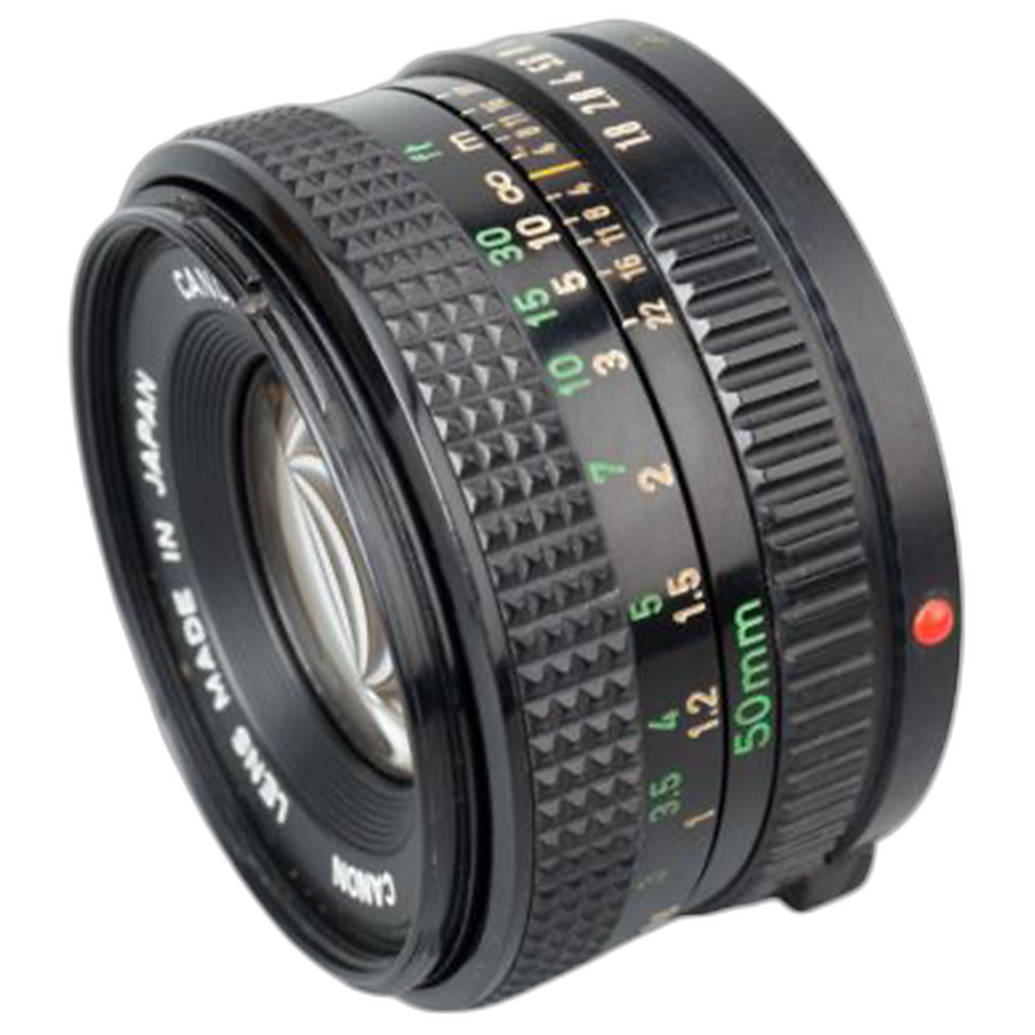
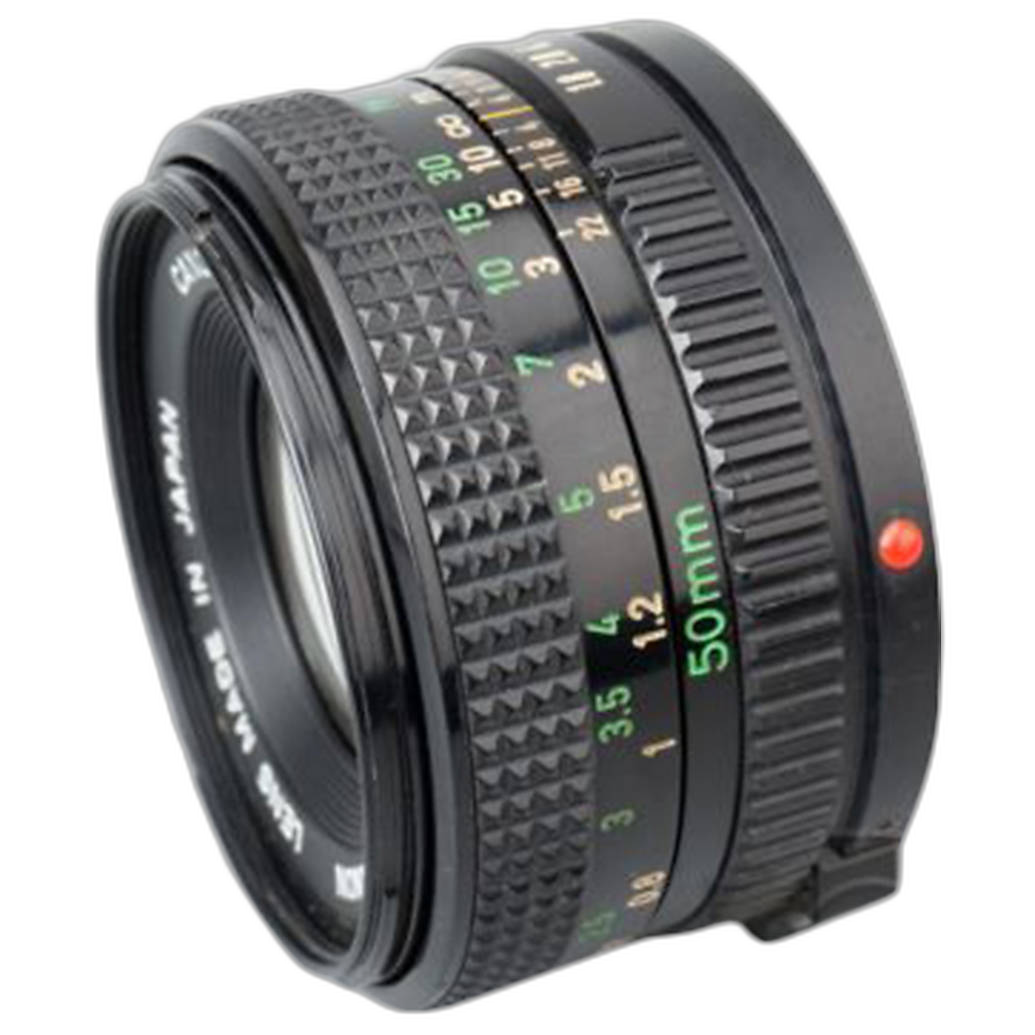
One underrated reason to stay with Canon is flexibility across generations of glass. RF lenses are excellent, EF lenses adapt very well, and even older manual-focus options can still be creatively useful. Vintage Canon shooters, for example, may still enjoy the rendering and experience of classic FD glass.
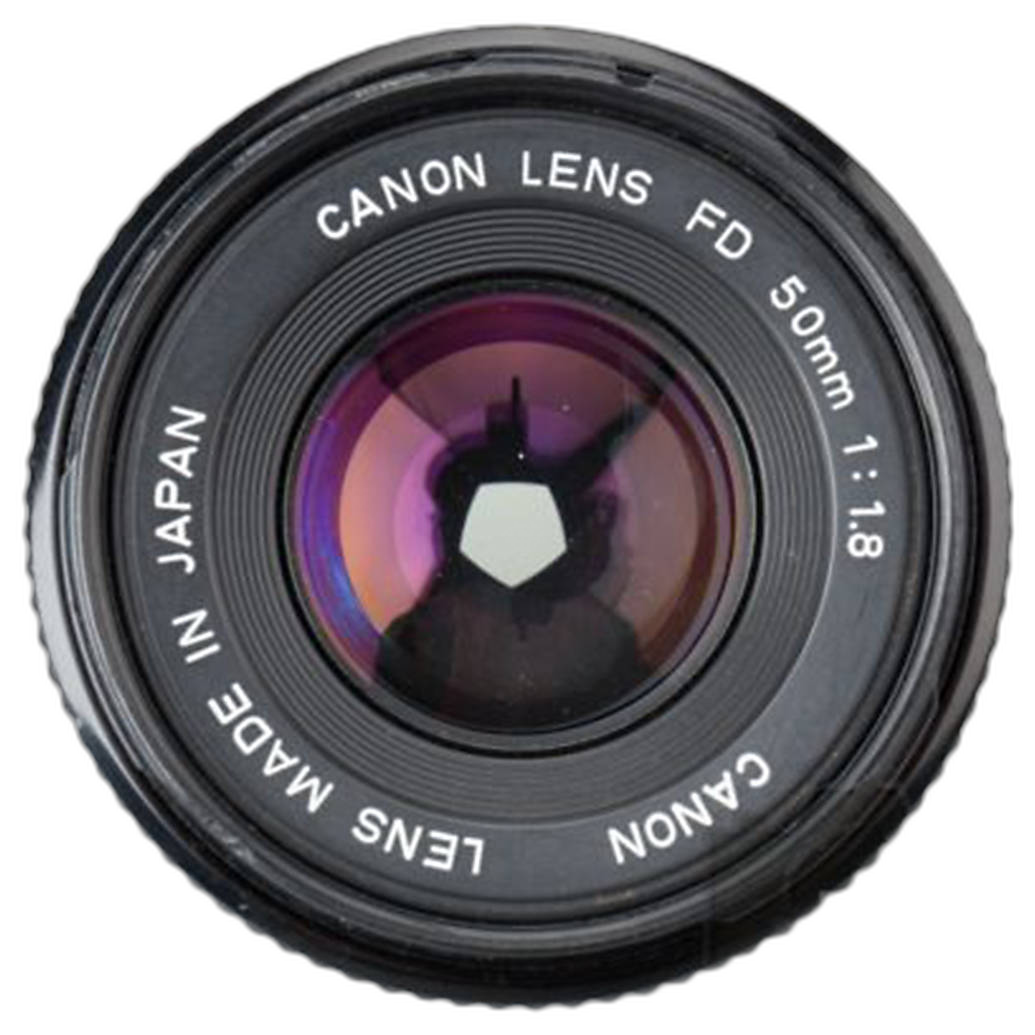
That kind of continuity matters. If you switch brands, you are not just replacing a camera body; you are often replacing your lens strategy. For photographers already comfortable with Canon color, Canon ergonomics, and Canon lens behavior, the R6 Mark II is a much smoother transition than a full system reset.
Pros and Cons
Pros of Upgrading from EOS R to R6 Mark II
- Massive autofocus improvement
- Far better subject detection and tracking
- Faster burst shooting and more responsive handling
- In-body image stabilization improves handheld shooting
- Much stronger hybrid photo/video performance
- Dual card slots add confidence for paid work
- Lets you stay within the Canon ecosystem and keep using compatible lenses
Cons of Upgrading from EOS R to R6 Mark II
- Not the best choice if your top priority is a major jump in resolution
- Still a significant investment compared to simply keeping the EOS R
- Some users considering a switch may still prefer another brand’s lens pricing or niche features
- If you barely shoot action or video, the upgrade may feel less urgent
Protection and Long-Term Ownership
If you are buying a newer camera body and planning to rely on it for years, protection plans are worth considering. Unique Photo also carries Canon coverage options that can help protect your investment.

While this specific plan shown here is not for a camera body, it reflects the broader value of shopping through an authorized retailer like Unique Photo, where accessories, support products, and service-minded buying options are part of the purchasing experience.
Verdict: Upgrade, Don’t Switch — Unless You Know Exactly Why
For most Canon EOS R owners, the Canon R6 Mark II is the smarter move than switching brands. It solves the original EOS R’s biggest weaknesses, feels dramatically more modern in use, and preserves the value of your existing Canon lenses and familiarity with the system. In real-world photography, that matters more than spec-sheet curiosity.
Switch brands only if you have a specific, researched reason that Canon still cannot meet: a resolution requirement, a specialized video workflow, or a lens ecosystem need that outweighs the cost and hassle of rebuilding your kit.
But if your main question is simply whether the EOS R6 Mark II is a worthwhile upgrade from the EOS R, the answer is yes. It is one of the clearest and most meaningful upgrades Canon shooters can make today.
If you are ready to compare Canon upgrade options, lenses, and support accessories, Unique Photo is an excellent place to buy and get advice on the right next step.