If you shoot portraits with Sony gear, Sony Lens Compare Beta can be a helpful starting point when deciding which focal length and lens features best match your style. Whether you photograph headshots, environmental portraits, couples, or creative editorial work, comparing Sony lenses before a session can save time and help you build a more consistent look. In this guide, Unique Photo breaks down the best tips for using Sony Lens Compare Beta for portrait photography, along with practical considerations that matter in the real world.
How to Use Sony Lens Compare Beta for Portrait Photography
When using Sony Lens Compare Beta, start with your actual portrait use case rather than browsing at random. Portrait photography covers a wide range of looks, from tight headshots to full-body lifestyle images, so your ideal lens depends on subject distance, background compression, framing flexibility, and available light.
A smart way to compare lenses is to ask a few simple questions first:
- Do you mainly shoot tight headshots, half-body portraits, or full-length portraits?
- Are you working in a studio, outdoors, or on location in tight spaces?
- Do you want strong background blur or more environmental context?
- Do you prefer prime-like discipline or zoom flexibility?
Sony Lens Compare Beta can help visualize how different focal lengths change composition and perspective. For portrait photographers, this is especially useful because the lens choice affects facial rendering, working distance, and how flattering the final image feels. Unique Photo often recommends comparing focal lengths first, then narrowing your options based on aperture, stabilization, and handling.
Best Focal Lengths to Compare for Portrait Photography
One of the most useful ways to use Sony Lens Compare Beta is by comparing focal lengths commonly used for portraits. Each range creates a different visual effect:
- 24mm to 35mm: Great for environmental portraits, storytelling, and working in tighter spaces. Be careful with close-up framing, since wider angles can distort facial features.
- 50mm: A natural-looking field of view that works well for casual portraits, half-body shots, and general-purpose shooting.
- 85mm: A classic portrait focal length known for flattering compression and strong subject isolation.
- 105mm and beyond: Excellent for tighter headshots and elegant compression, especially outdoors where you have room to step back.
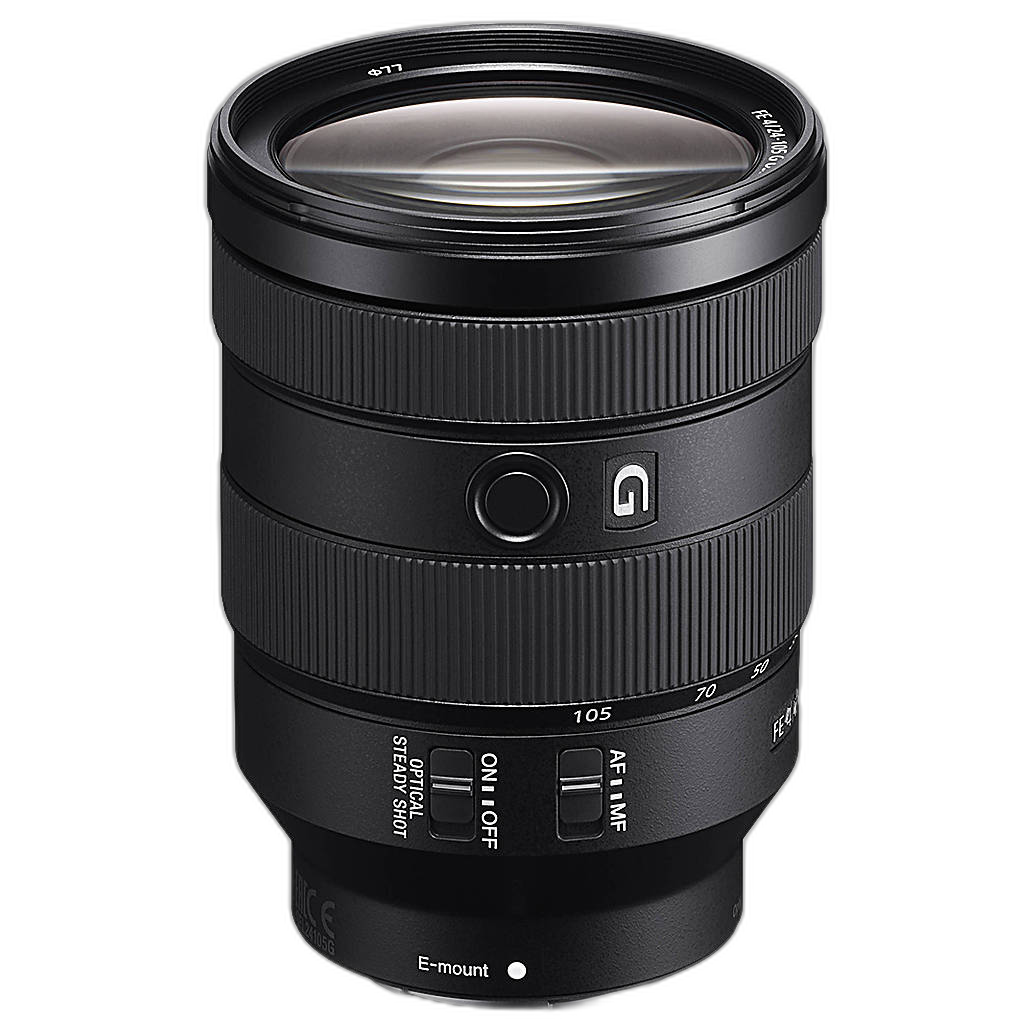
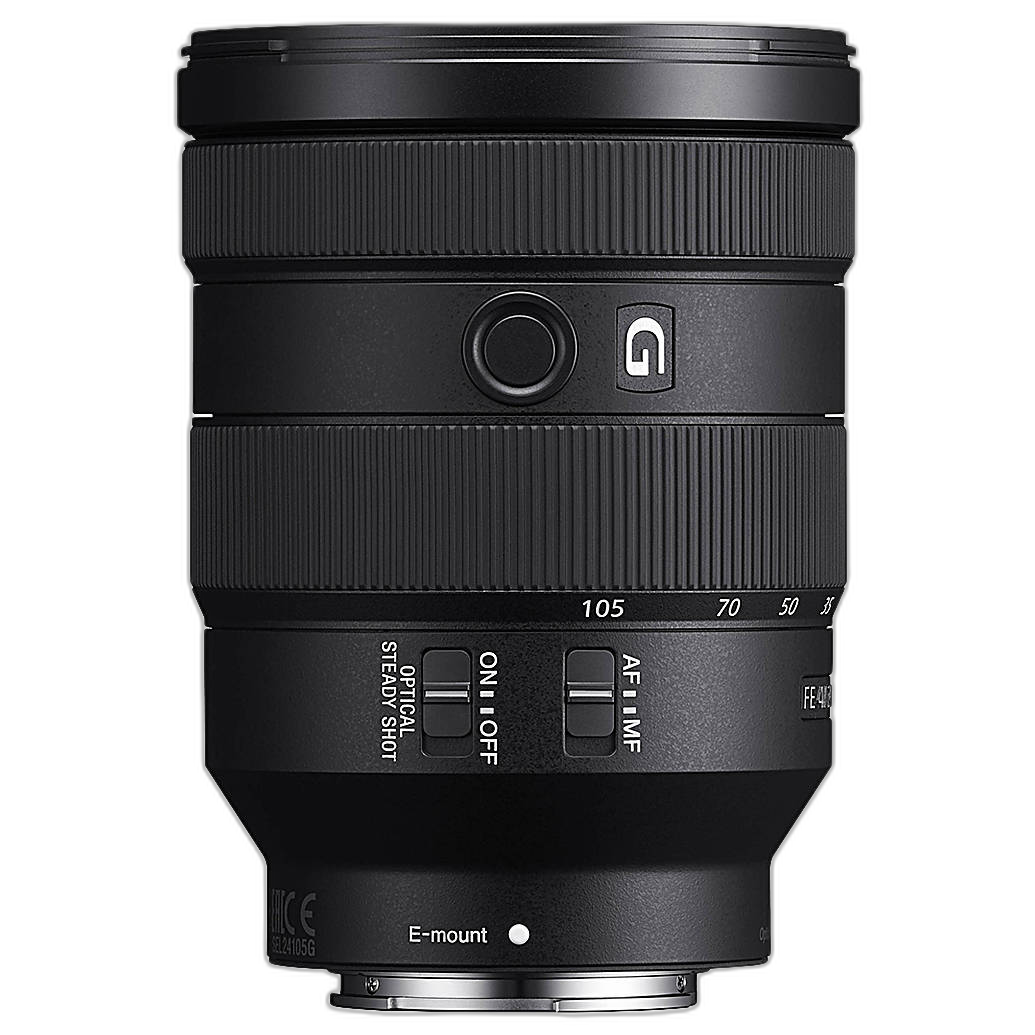
If you are evaluating a zoom, the Sony FE 24-105mm f/4 G OSS Lens is a practical example of a lens that spans multiple portrait-friendly focal lengths. In Sony Lens Compare Beta, you can review how 24mm, 50mm, 85mm, and 105mm differ, helping you decide whether a flexible zoom suits your workflow better than carrying multiple lenses.
Compare Perspective, Not Just Sharpness
Many photographers focus too heavily on sharpness charts when using comparison tools. For portrait photography, perspective and rendering usually matter more. A lens can be technically sharp, but if the focal length forces you too close to your subject, the portrait may not feel flattering.
Use Sony Lens Compare Beta to evaluate how focal length changes:
- Facial proportions
- Background size and compression
- Subject-to-background separation
- How much environment appears in the frame
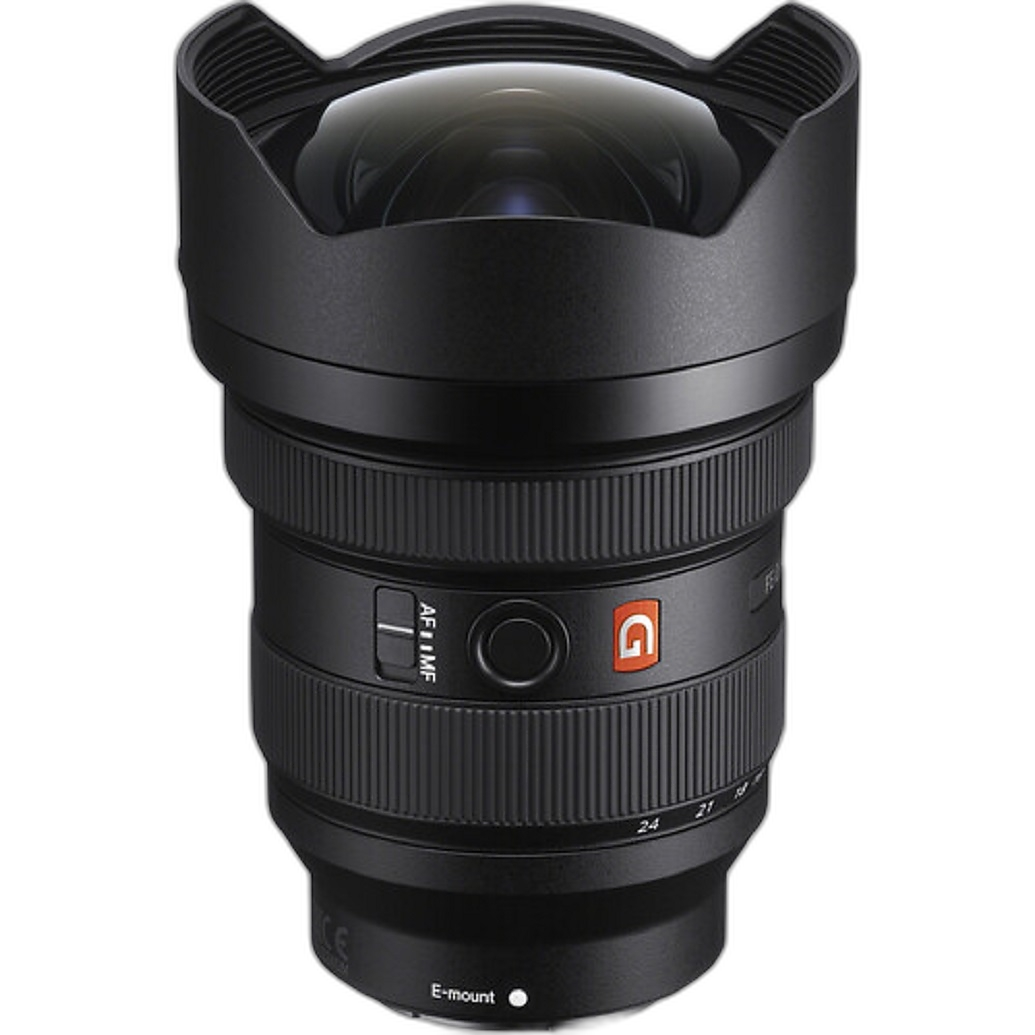
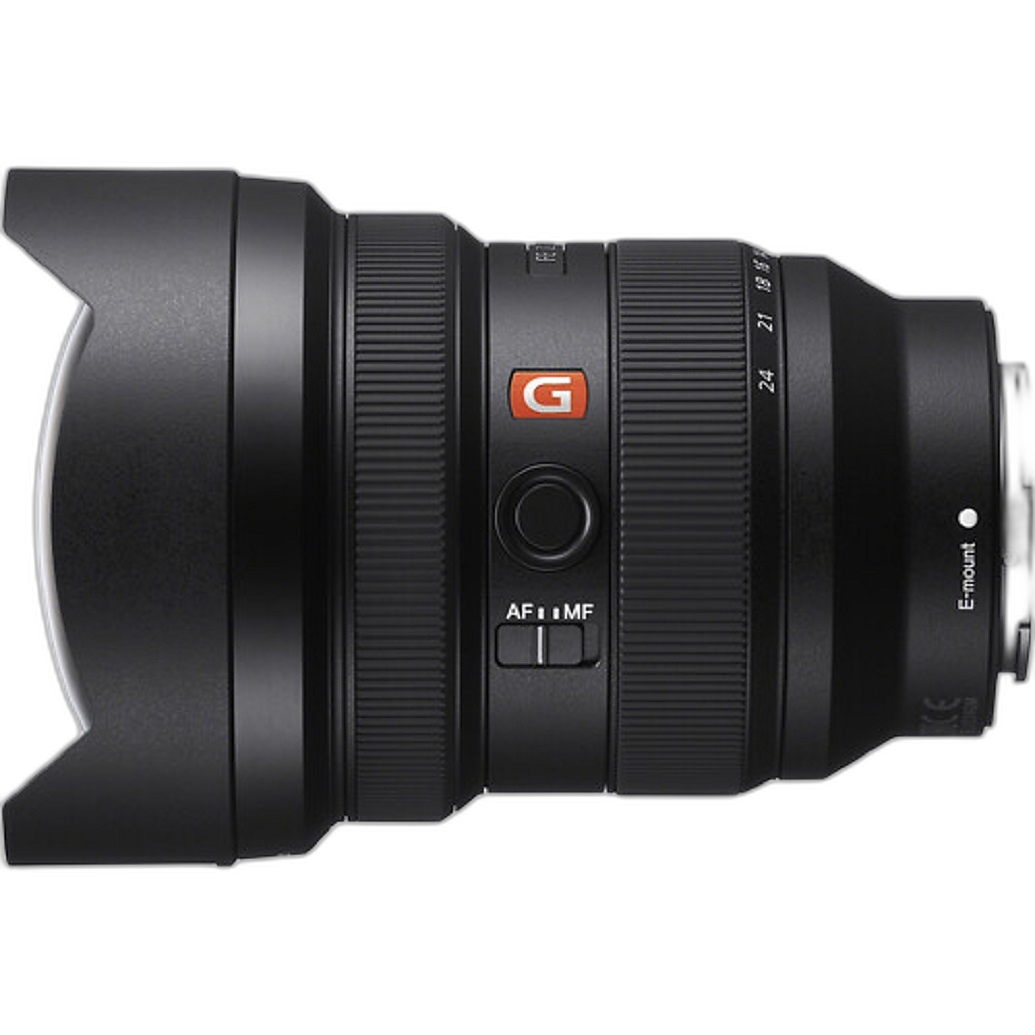
For example, a wider lens like the Sony FE 12-24mm f/2.8 GM Lens is generally not the first choice for traditional close-up portraits, but it can be very effective for dramatic environmental portraits, fashion editorials, or creative location work. Comparing a 24mm frame to an 85mm or 105mm frame quickly shows why perspective matters so much in portrait photography.
Use Sony Lens Compare Beta to Plan Headshots vs Environmental Portraits
A common mistake is choosing one lens for every type of portrait. Sony Lens Compare Beta is especially useful when you separate your portrait work into categories:
- Headshots: Usually benefit from moderate telephoto focal lengths for flattering facial compression.
- Half-body portraits: Flexible focal lengths from around 50mm to 105mm often work well.
- Environmental portraits: Wider focal lengths can help include scenery, architecture, or workplace context.
If your paid portrait work includes families, branding sessions, events, and editorial assignments, a lens like the Sony FE 24-105mm f/4 G OSS Lens can be especially appealing because it covers a broad range without frequent lens changes. Unique Photo customers often look at this kind of zoom when they want one lens that can handle multiple portrait scenarios efficiently.
Pay Attention to Working Distance
Working distance is one of the most overlooked parts of portrait lens selection. Sony Lens Compare Beta can show framing differences, but you should also think about how far you need to stand from your subject to achieve that framing.
This affects:
- How comfortable your subject feels
- How easily you can communicate while shooting
- Whether you have enough space in a studio or indoor location
- How much background control you gain
For instance, 85mm to 105mm can look beautiful for portraits, but in a small room you may not have enough space. On the other hand, 24mm or 35mm may fit the room better but require careful placement to avoid distortion. Unique Photo recommends using Sony Lens Compare Beta as a planning tool, then matching the results to the actual spaces where you shoot most often.
Consider Aperture and Background Blur Realistically
Portrait photographers often search for the most background blur possible, but lens comparison should be practical. Sony Lens Compare Beta may help you narrow focal lengths, yet your final choice should also account for aperture and subject distance. A longer focal length at f/4 can still create strong separation when used well, especially outdoors or with a distant background.
This is why a lens like the Sony FE 24-105mm f/4 G OSS Lens remains relevant for portrait shooters. While it is not an ultra-fast prime, it offers flexibility across several useful portrait focal lengths. For many photographers, that flexibility outweighs the need for a wider maximum aperture in every situation.
Meanwhile, wider lenses such as the Sony FE 12-24mm f/2.8 GM Lens can produce a completely different type of portrait image. Instead of relying purely on blur, they let you emphasize location, scale, and drama. If your portrait style includes architecture, interiors, or dynamic travel imagery, that comparison may reveal creative opportunities you would otherwise miss.
Think About Stabilization and Real-World Portrait Sessions
Not every portrait session happens under perfect studio lighting. If you shoot indoor lifestyle portraits, events, or natural-light sessions near sunset, stabilization can matter. When reviewing options in Sony Lens Compare Beta, don’t stop at framing alone. Check whether a lens supports the kind of shooting pace you need.
The Sony FE 24-105mm f/4 G OSS Lens includes Optical SteadyShot, which can be useful when photographing stationary subjects in lower light. While stabilization does not freeze subject movement, it can still help maintain image quality in many portrait situations. Unique Photo often encourages photographers to weigh convenience and keeper rate alongside pure specs.
Use Comparison Tools Alongside Lighting Education
Lens selection is only one part of a strong portrait workflow. Even the right focal length will not fully elevate your portraits without good lighting technique. If you are refining your portrait style, pairing lens research with lighting education can dramatically improve results.
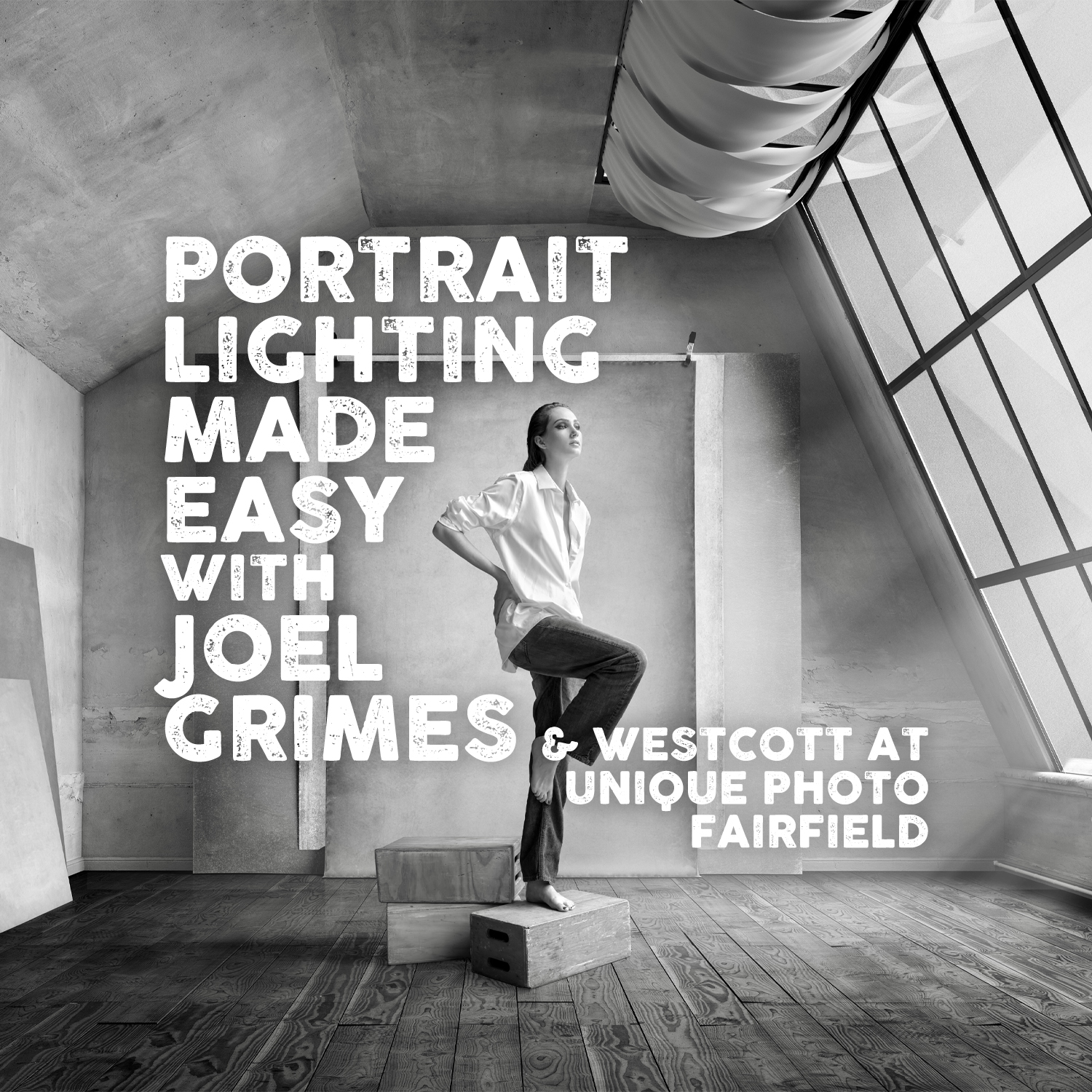
For photographers who want to strengthen their portrait fundamentals, Portrait Lighting Made Easy with Joel Grimes (Westcott) is a relevant learning resource available through Unique Photo. It complements lens comparison by helping you understand how light placement, contrast, and shaping influence the final portrait just as much as focal length does.
Common Mistakes When Using Sony Lens Compare Beta
To get better results from Sony Lens Compare Beta, avoid these common mistakes:
- Only comparing extreme corners or test-chart sharpness: Portrait photographers usually care more about subject rendering, transition to out-of-focus areas, and perspective.
- Ignoring your shooting environment: A lens that looks perfect online may be difficult to use in a small studio or cramped indoor location.
- Choosing based only on maximum aperture: Faster is not always better if the focal range does not match your style.
- Overlooking zoom versatility: A high-quality zoom may be the better portrait solution if you shoot varied assignments.
- Forgetting creative wide-angle options: Not all portraits need classic compression. Environmental portraits can benefit from wider lenses when used carefully.
At Unique Photo, we often see photographers make faster, smarter buying decisions when they compare lenses based on actual portrait needs instead of isolated specifications.
Which Sony Lens Features Matter Most for Portrait Photography?
When reviewing lenses in Sony Lens Compare Beta, prioritize the features that affect portrait results most directly:
- Focal length range: Determines framing, perspective, and subject comfort.
- Maximum aperture: Influences low-light capability and background blur.
- Autofocus performance: Important for moving subjects, candid moments, and eye-detection accuracy.
- Stabilization: Helpful for handheld portrait work in lower light.
- Size and weight: Matters during long sessions or travel portrait shoots.
For photographers who want one versatile lens to cover portraits and more, the Sony FE 24-105mm f/4 G OSS Lens is a practical lens to research. For those exploring dramatic location-driven portraiture, the Sony FE 12-24mm f/2.8 GM Lens may be worth comparing for its creative wide-angle potential.
Final Tips for Getting the Most Out of Sony Lens Compare Beta
The best way to use Sony Lens Compare Beta for portrait photography is to treat it as part of your decision-making process, not the entire process. Compare focal lengths first, think about your typical shooting distance, factor in your lighting conditions, and decide whether you need flexibility or specialization.
For many portrait photographers, a versatile zoom can handle a surprising amount of work. For others, a more specialized lens choice will better match a signature style. Either way, using comparison tools thoughtfully can help you invest more confidently.
Unique Photo is a great place to continue your research, especially if you want to compare Sony lenses, explore portrait education, or build a full portrait kit around your camera system.
For next steps, consider linking your research to related resources on Unique Photo such as Sony lenses, portrait photography gear, lighting tools, and photography classes or workshops. Those internal pages can help you move from online lens comparison to a complete portrait setup that fits your creative goals.