Low Light Photography FAQ: Gear, Lighting, and Practical Setup Tips
Low light photography challenges both your camera technique and your equipment choices. Whether you are shooting portraits indoors, creating cinematic video, or trying to preserve mood without excessive noise, the right lighting tools and workflow accessories can make a major difference.
Below, our team at Unique Photo answers common low light questions and highlights practical gear options that can help you work more confidently in dim environments.
What matters most for better low light image quality?
In low light, image quality usually comes down to balancing three variables: shutter speed, aperture, and ISO. A wider aperture helps gather more light, while a slower shutter speed can brighten the image if your subject is not moving. ISO raises brightness too, but pushing it too far can introduce noise and reduce detail. In real-world shooting, the best results often come from adding or shaping light rather than relying only on high ISO settings.
For portrait or video work, compact LED fixtures are often the most practical upgrade. A controlled light source lets you keep ISO lower, preserve skin tones, and create more intentional contrast. That is why many photographers moving into low light work invest in portable LEDs before chasing more complicated solutions.
Should I use continuous LED lighting for low light portraits and video?
Yes, continuous LED lighting is one of the easiest ways to improve consistency in low light shooting, especially for portraits, interviews, social content, and hybrid photo-video work. Unlike flash, continuous light lets you see your shadows, catchlights, and color balance in real time. That speeds up setup and makes it easier to work with subjects who are not experienced in front of the camera.
A great option is the Godox ML60II Bi-Color LED Monolight Kit 2, which gives you a compact light with useful modifiers for shaping output. Bi-color control is especially helpful in mixed lighting situations, such as balancing tungsten room light with daylight from a window. The included accessories can also help soften or direct the beam for more flattering portraits.
If you need a larger and more flexible setup, the Godox Litemons LA300R RGB LED Light 3-Light Kit with Case is ideal for creators who want more output and full RGB color control. A three-light kit opens up more advanced setups, including key, fill, and background lighting, while still being practical for on-location production.
When is an RGB light kit better than a bi-color light?
A bi-color light is often the better choice when your priority is natural-looking skin tones and quick adjustment between warm and cool white light. It is efficient, straightforward, and excellent for interviews, portraits, and product photography. An RGB kit becomes more valuable when you want creative control over accent colors, background separation, or stylized video scenes.
The Godox Litemons LA300R RGB LED Light 3-Light Kit with Case is especially useful for shooters building a more complete low light studio or location kit. With three fixtures, you can keep one light neutral on the subject and use the others for atmosphere or color contrast in the background. That kind of flexibility is hard to match with a single-source setup.
How can I make low light portraits look more flattering?
Flattering low light portraits are usually less about shooting in darkness and more about controlling soft, directional illumination. Position your key light slightly off-axis from the subject, soften it with a modifier when possible, and keep enough separation between the subject and background to maintain depth. Gentle light shaping often produces much better skin texture and dimension than flat, front-facing illumination.
If you are refining your portrait technique, educational resources can be just as valuable as gear. Portrait Lighting Made Easy with Joel Grimes is a strong option for photographers who want a clearer understanding of how to build professional-looking light, even in challenging environments.
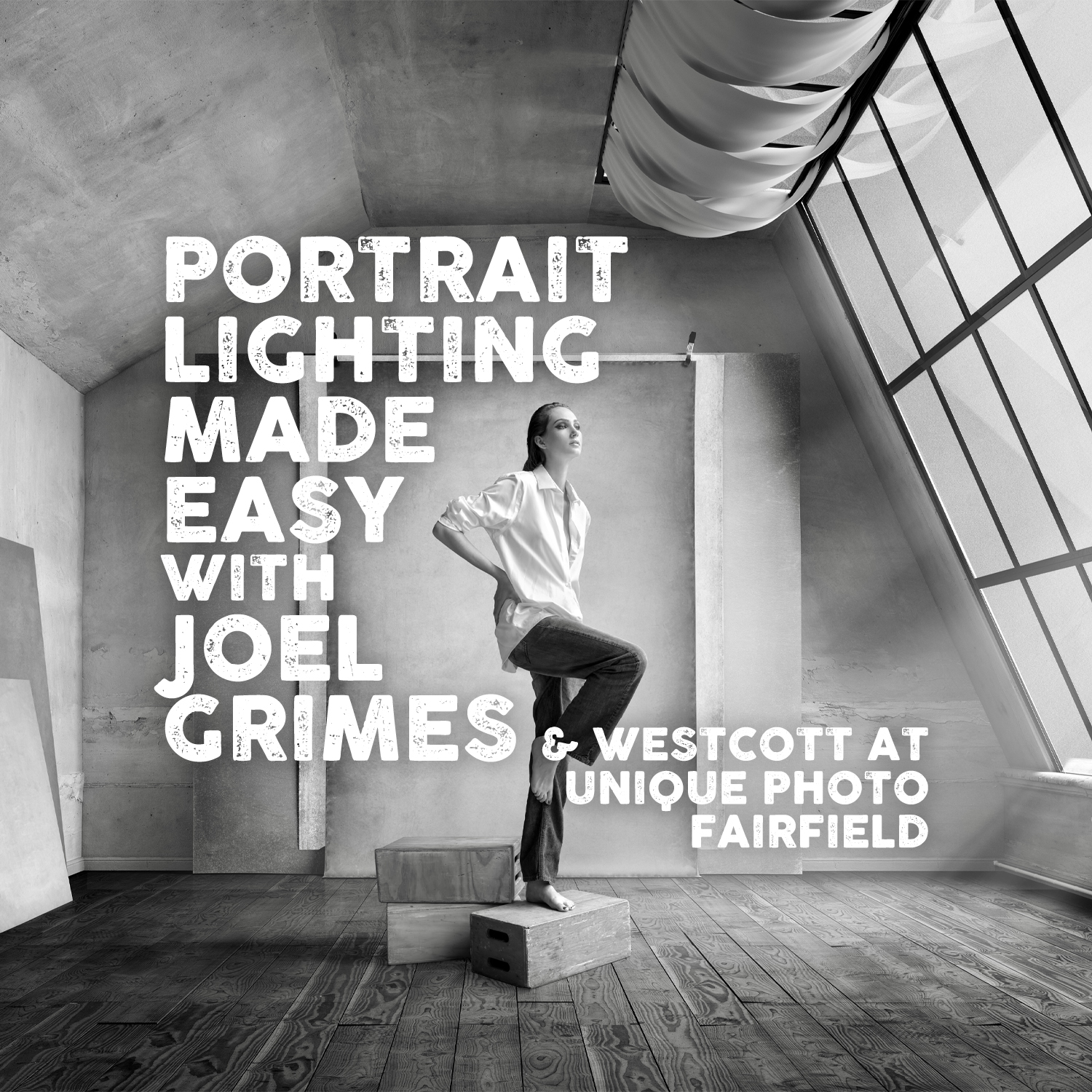
Learning a few dependable lighting patterns can help you get more from compact LED fixtures and improve consistency from one session to the next.
Are glow filters useful in low light photography?
They can be, depending on the look you want. Diffusion and glow-style filters can soften highlights, reduce harsh digital sharpness, and give portraits or practical light sources a more atmospheric quality. In low light scenes with string lights, lamps, or reflections, a glow filter can add mood and a more cinematic rendering.
For example, the Tiffen 82mm Soft Glow 4 Filter can be a creative choice if you want a gentle, dreamier character in portrait or video work. The Tiffen 77mm Golden Glow 2 Filter can also add warmth and a subtle glow effect that may complement skin tones or ambient evening scenes. These are style tools rather than exposure tools, so they will not replace the need for good lighting or steady technique, but they can help define the final look.
What accessories help when building a more stable low light video rig?
Low light often pushes you toward slower shutter speeds, careful framing, and more controlled camera movement. For video shooters, a stable rig becomes even more important when you are working with added lights, monitors, batteries, or focus accessories. A solid support system helps reduce handling issues and keeps your setup repeatable.
The Tilta 10 Lightweight Dovetail Plate (Black) is a useful accessory for rig builders who want a cleaner, more secure base for balancing their camera package. This can be especially helpful if you are assembling a cinema-style setup for low light production where smooth operation matters.
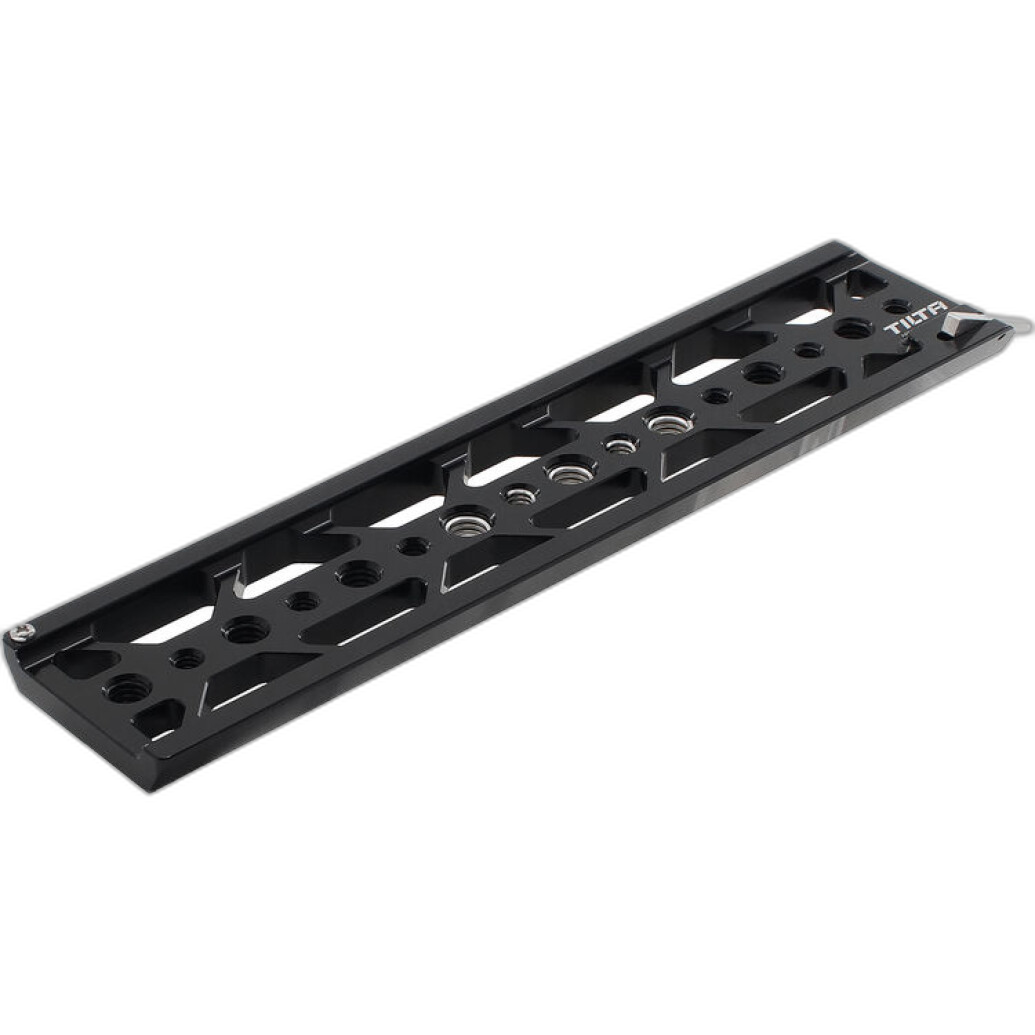
Once your rig is better balanced, it becomes easier to focus on lighting placement and camera movement instead of fighting the build itself.
How should I handle files after a low light shoot?
Low light shoots often produce a high volume of files, especially if you are bracketing exposures, capturing bursts to maximize sharpness, or recording both photo and video. Fast ingest and dependable media handling are important parts of the workflow. A quality card reader helps move files quickly so you can review focus, noise, and exposure decisions without delay.
The Lexar Professional Workflow Dual-Slot SD UHS-II Reader is a smart addition for photographers and content creators who rely on SD media. Faster transfers can save time after events, portrait sessions, or video shoots and help you back up footage sooner, which is always a good habit when working with important client files.
Can filters help with black-and-white low light work?
In the right context, yes. Color contrast filters can influence tonal separation in black-and-white photography, even though their role is different from adding light. A yellow filter, for example, can subtly deepen skies and improve separation between certain colors when converted to monochrome. It is not a universal low light fix, but it can be part of a more deliberate creative workflow.
The B+W 82MM MSTR YELLOW MRC NANO is worth considering for photographers who enjoy black-and-white rendering and want more tonal control at capture. In moody urban scenes or atmospheric outdoor work, even small filtration choices can shape the final image.
What is the best low light upgrade if I am just getting started?
For most beginners, the biggest practical upgrade is not an exotic accessory but a dependable lighting solution and a clear understanding of how to use it. A compact bi-color light is often the easiest place to start because it improves portraits, video, and product photography right away. As your needs grow, expanding into a multi-light RGB setup can unlock more creative control.
If you are learning and want portability, start with a compact solution like the Godox ML60II Bi-Color LED Monolight Kit 2. If you already know you need more output and flexibility for content creation, interviews, or small sets, the Godox Litemons LA300R RGB LED Light 3-Light Kit with Case is a strong next step.
Low light photography rewards careful choices in both technique and gear. If you are ready to upgrade your lighting, refine your portrait workflow, or build a more efficient post-shoot setup, Unique Photo has the tools and expertise to help you put together the right kit for your style of shooting.