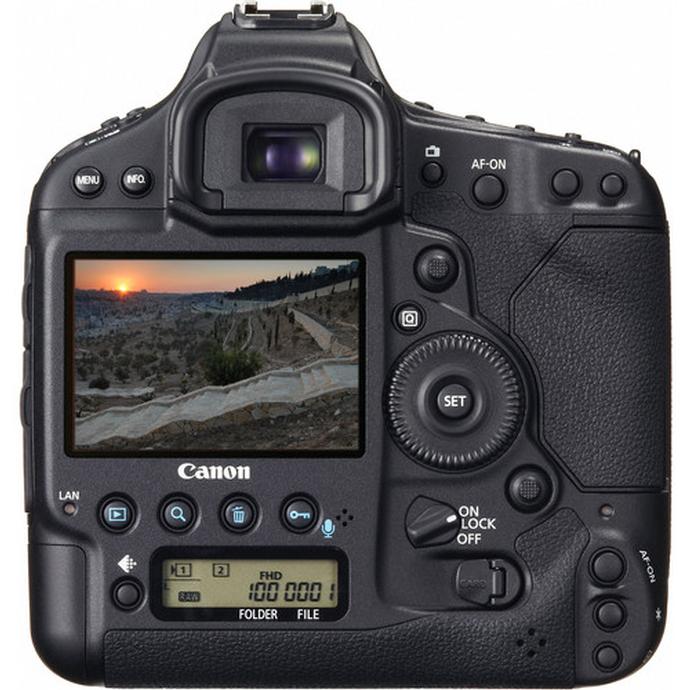
Canon EOS 20D (2004): Faster, Sharper, and a Leap for Prosumer DSLRs
In late summer 2004, Canon expanded the EOS digital SLR lineup with a camera aimed squarely at serious enthusiasts and working photographers who wanted speed, image quality, and room to grow without stepping all the way into the company’s flagship professional bodies. The Canon EOS 20D, announced on August 19, 2004, arrived as a confident statement about where the prosumer DSLR market was heading: faster operation, higher resolution, and a more refined shooting experience in a compact, familiar EOS body.
At launch, the EOS 20D combined an 8.2-megapixel APS-C CMOS sensor, 5 frames-per-second continuous shooting, and the flexibility of the Canon EF mount for a $1,499 launch price. In 2004, that combination looked especially compelling. For photographers covering events, sports, portraits, weddings, travel, and editorial work, the 20D promised a meaningful jump in capability while remaining within reach of ambitious enthusiasts and budget-conscious professionals.
A Strong New Step in Canon’s DSLR Evolution
By 2004, the DSLR market was moving quickly. Early digital SLRs had proven the concept, but many photographers still found themselves balancing compromises in speed, responsiveness, image resolution, and price. Canon had already established momentum in digital imaging, and the EOS 20D represented a carefully judged advancement rather than a mere refresh. It was designed to feel quicker, more polished, and more capable in day-to-day use.
That mattered because photographers were beginning to expect digital cameras to do more than simply replace film capture. They wanted digital bodies that could keep up with real assignments, real deadlines, and real creative pressure. The EOS 20D’s headline numbers told that story clearly: 8.2 megapixels offered increased detail for larger prints and more flexible cropping, while 5 fps continuous shooting signaled a camera ready for action rather than hesitation.
8.2 Megapixels That Matched the Moment
The EOS 20D’s APS-C CMOS sensor placed it in an important sweet spot for the era. In 2004, 8.2 megapixels was a strong, practical resolution for photographers producing magazine work, wedding albums, portraits, stock imagery, and high-quality prints. It offered enough detail to satisfy many professional and advanced enthusiast applications without pushing the camera into an unattainable price class.
Canon’s continued confidence in CMOS technology was also significant. At a time when sensor technology remained a major talking point in camera buying decisions, Canon’s CMOS development helped distinguish its DSLR lineup. For many EOS users, the 20D reinforced the idea that digital capture had matured into a dependable everyday tool rather than an experimental specialty option.
5 Frames Per Second: Speed as a Real Selling Point
One of the EOS 20D’s clearest advantages at launch was speed. A 5 fps burst rate gave photographers a notably more responsive camera for moments that could not be repeated: a peak expression during a portrait session, a fast break on the field, a gesture at a wedding, or a fleeting travel scene on the street. In the prosumer DSLR category, that kind of performance helped separate the 20D from slower, more deliberate bodies.
Just as importantly, burst speed was about more than sports. It changed the feel of the camera. A DSLR that started quickly, responded promptly, and sustained rapid shooting made digital photography more fluid and confident. The EOS 20D was part of a broader shift toward cameras that no longer asked photographers to work around digital lag and interruption. Instead, the camera moved closer to the rhythms photographers already knew from capable film SLRs.
The Canon EF Mount Advantage
The Canon EF mount was one of the EOS 20D’s most practical strengths. By 2004, Canon’s EF lens system was already extensive and highly respected, giving buyers immediate access to a broad range of focal lengths and specialties. For photographers already invested in EOS glass, the 20D offered an easy path into a newer digital body without abandoning existing equipment. For newcomers, it opened the door to a lens ecosystem with room to grow from affordable everyday zooms to specialized professional optics.
This mattered enormously in the real world. A camera body can define the shooting experience, but a lens mount often defines the long-term system value. The 20D was not just an isolated product; it was an entry point into the broader EOS system. That helped make the launch price feel especially competitive, because buyers were not simply purchasing a body—they were joining or extending a platform.
Pricing That Hit a Key Market Segment
With a launch price of $1,499, the EOS 20D landed in a strategically important position. It was expensive enough to signal serious intent, yet accessible enough to appeal to advanced amateurs, part-time professionals, and full-time shooters looking for a capable second body. In the 2004 market, this was exactly the territory where DSLR adoption was accelerating most quickly.
For many photographers, the value proposition was easy to understand. The 20D promised substantial capability without the premium attached to top-tier pro bodies. It was the sort of camera a wedding photographer might trust for paid work, an editorial shooter might carry on assignment, or a dedicated enthusiast might save up for as a long-term creative investment.
A Camera Built for the Expanding Digital Workflow
The EOS 20D also arrived at a time when photographers were becoming more comfortable with fully digital workflows. Clients increasingly accepted digital delivery. Software tools for editing and archiving were improving. Memory cards and hard-drive storage were becoming more practical. In that environment, a camera like the 20D felt well timed. It offered enough speed and image quality to take digital capture from convenience to confidence.
That broader context helps explain why the 20D was more than just another specification bump. It represented a stage in DSLR development where digital no longer felt provisional. A camera in this class could realistically serve as a primary tool for a wide range of photographic work. That was a major shift, and Canon understood the significance of delivering a body that felt complete and dependable.
Why the EOS 20D Mattered
Looking back, the EOS 20D stands as one of those cameras that helped define the serious midrange DSLR. It combined the right attributes at the right time: strong resolution, genuinely useful speed, and the credibility of the EOS lens system. It also reflected the industry’s move toward cameras that served ambitious enthusiasts and professionals with nearly equal seriousness.
Its importance is not only in what it offered on paper, but in what it represented culturally within photography. The 20D belonged to an era when more photographers began trusting digital SLRs for important work. Cameras like this helped normalize the idea that a compact, relatively affordable DSLR could deliver results worthy of publication, exhibition, and client delivery.
An Archival View from 2004
Seen from the perspective of its release, the Canon EOS 20D looked like an exciting and persuasive upgrade for the EOS faithful and a strong lure for photographers considering their first serious DSLR. It was faster, sharper, and more complete in its execution than many buyers had come to expect at this level. For anyone seeking a camera that balanced performance with system flexibility, the 20D entered the conversation with real authority.
Historically, that is what makes it memorable. It was not merely another DSLR on the shelf. It was a camera that captured the momentum of the digital transition and delivered it in a package that photographers could realistically own and use every day.
To explore classic Canon cameras, learn more about photographic history, or shop current Canon gear and lenses, visit Unique Photo.