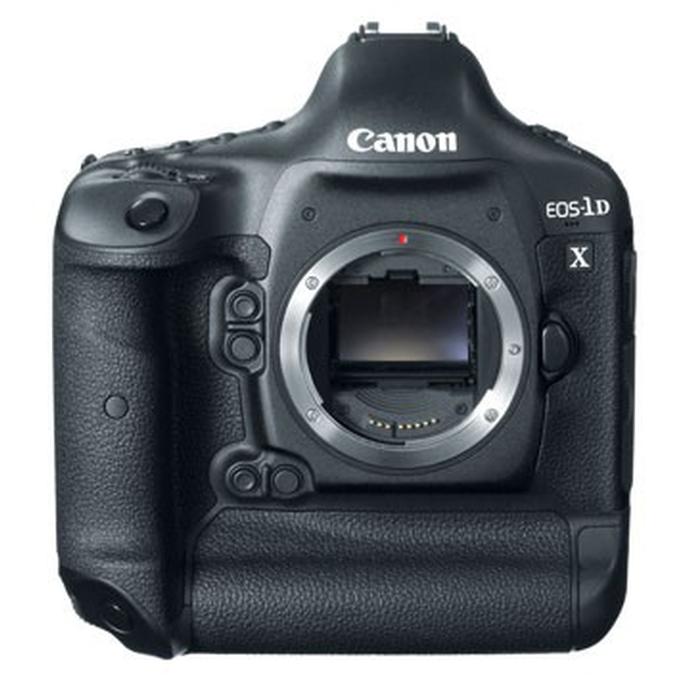
When Canon introduced the EOS 10D on February 27, 2003, it arrived at a pivotal moment in the evolution of digital photography. Professional digital SLRs had already proven themselves in newsrooms, studios, and on demanding assignments, but for many dedicated enthusiasts and working photographers on a budget, the leap to digital still felt expensive and just out of reach. The EOS 10D helped change that. With its 6.3-megapixel APS-C CMOS sensor, Canon EF mount, and a launch price of $1,999, it represented a meaningful shift: digital SLR photography was no longer only for the highest end of the market. It was becoming accessible to serious image-makers who wanted speed, lens choice, and the familiar handling of an EOS camera body.
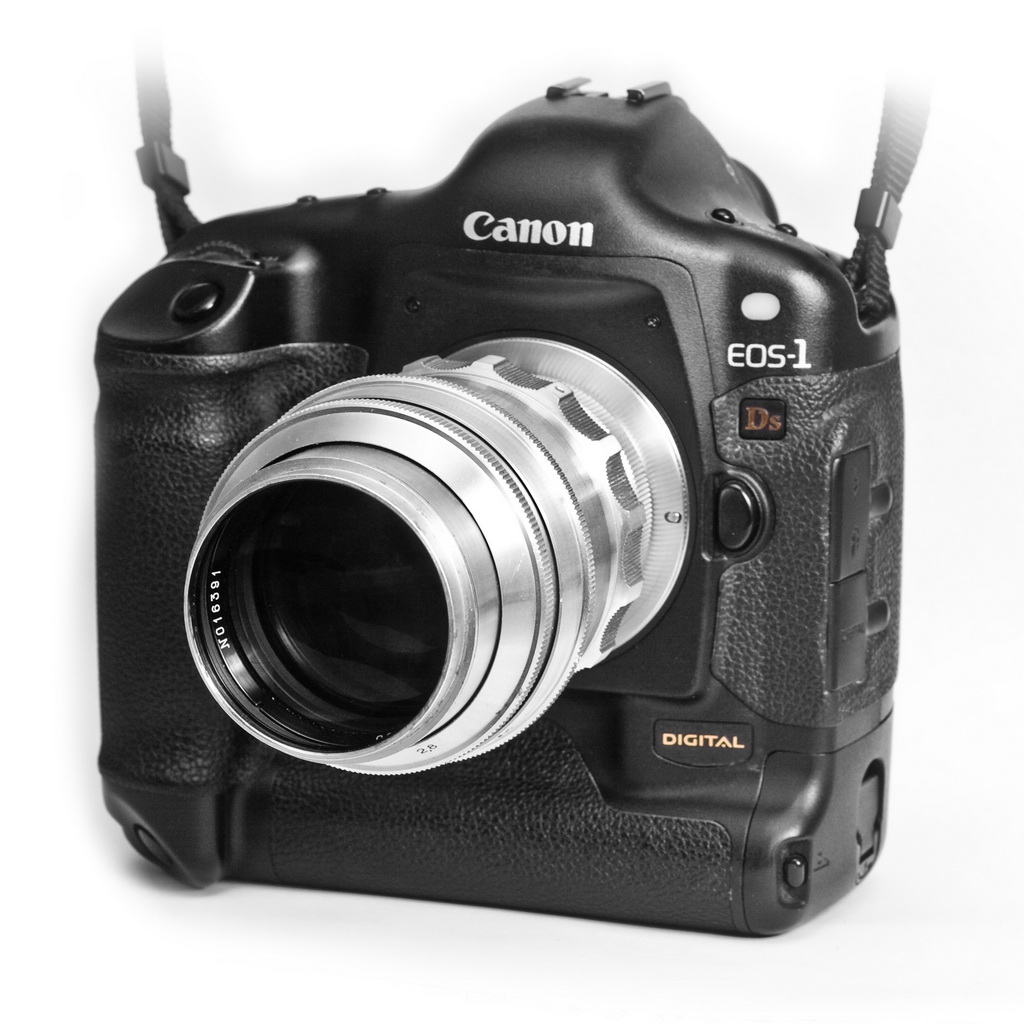
A Key Moment in Canon's DSLR Expansion
By early 2003, Canon had already established itself as one of the defining names in digital SLR development. The company had experience building professional EOS digital bodies and had demonstrated the advantages of pairing in-house sensor technology with its extensive EF lens system. The EOS 10D entered this landscape as a camera aimed squarely at advanced amateurs, semi-professionals, and professionals seeking a more affordable backup or secondary body.
That positioning mattered. A sub-$2,000 launch price for a Canon interchangeable-lens DSLR was headline-worthy in its day. The camera was not marketed as a stripped-down compromise, but as a serious photographic tool with strong image quality potential and direct compatibility with Canon's broad EF ecosystem. In practical terms, the EOS 10D gave many photographers a realistic path into digital without requiring them to abandon their investment in EOS lenses.
The Sensor That Defined Its Appeal
At the heart of the EOS 10D was a 6.3MP APS-C CMOS sensor. In 2003, that specification hit an important sweet spot. It delivered enough resolution for magazine work, editorial assignments, event coverage, portraiture, web publishing, and high-quality prints, while maintaining manageable file sizes for the computers and storage media of the period. For photographers transitioning from film, the camera offered a practical digital workflow without demanding an entirely new infrastructure.
Canon's use of CMOS technology was also significant. Even in this era, Canon's sensor development was becoming one of the company's defining strengths, and the EOS 10D benefited from that growing expertise. The result was a camera that appealed not only because it was affordable by DSLR standards, but because users expected strong image quality from the Canon name. For many buyers, that combination of price, resolution, and trust in Canon's sensor design made the 10D one of the most compelling digital SLR announcements of its class.
Why the EF Mount Made the 10D So Important
The EOS 10D used the Canon EF mount, and that alone was a major part of its value. By 2003, Canon's EF lens lineup was already broad and mature, covering everything from fast primes and professional zooms to specialty optics and accessible consumer lenses. For existing EOS film shooters, the 10D offered continuity. A photographer could step into digital while keeping familiar lenses, flashes, and much of the EOS shooting experience.
This compatibility reduced friction at a time when many photographers were still uncertain about the pace of digital change. Instead of asking users to begin from scratch, Canon placed the 10D within a larger system they already knew. That made the camera especially attractive to wedding photographers, portrait shooters, advanced hobbyists, and photojournalists who needed a dependable body but also needed flexibility in lens selection.
In historical perspective, that system advantage helped the 10D become more than just another model in Canon's lineup. It was a bridge camera: a body that invited traditional EOS users into digital photography with fewer compromises than many had expected just a few years earlier.
Designed for Serious Enthusiasts, Not Casual Snapshooters
The language surrounding the EOS 10D at launch reflected a camera intended for committed photographers. This was not a point-and-shoot replacement. It was an SLR for users who cared about exposure control, interchangeable lenses, optical viewing, and responsive operation. The body's role in the market was clear: it was for photographers who wanted digital convenience but still demanded the handling and discipline associated with traditional SLR work.
That distinction was crucial in 2003. Consumer digital cameras had made impressive gains, but they still often fell short in responsiveness, system expandability, and photographic control. The EOS 10D signaled that digital no longer meant accepting those limitations. It gave serious enthusiasts a camera that felt like part of the established EOS lineage rather than an experimental offshoot.
For many users, that meant confidence. They could approach sports, travel, portraiture, or documentary work with a camera designed around photographic intention rather than simple convenience. In the archival sense, this is one of the reasons the EOS 10D remains an important model in Canon history: it helped normalize the idea that a dedicated enthusiast could own a truly capable DSLR.
Image Quality and Real-World Expectations in 2003
Seen from today's perspective, 6.3 megapixels may sound modest. In 2003, it was anything but. For a large portion of the intended audience, the EOS 10D's resolution was more than adequate for real assignments and serious personal work. It offered enough detail for publication, strong prints, and the flexibility to crop more freely than many earlier digital cameras allowed.
More importantly, the EOS 10D belonged to an era when digital image quality was being judged not only by resolution charts but by whether a camera could replace film in day-to-day use. Could it render portraits convincingly? Could it cover events reliably? Could it satisfy clients and editors? These were the practical tests that mattered. The 10D's appeal rested in the idea that, for a growing number of photographers, the answer was increasingly yes.
That was part of the camera's cultural importance. It was not merely another incremental technology release. It was one of the products that helped move digital photography from aspiration to routine practice among advanced users.
Price Pressure and Market Impact
The EOS 10D's $1,999 launch price deserves special emphasis because it framed nearly every conversation around the camera. Digital SLRs had often been discussed in terms of cost barriers. The 10D did not make digital cheap, but it made it dramatically more plausible for photographers who had been waiting for the right moment. For many, this was the first Canon DSLR that felt financially within reach without stepping down into a fundamentally different class of camera.
That pricing also increased pressure across the industry. The market for enthusiast and prosumer DSLRs was heating up quickly, and the 10D showed how aggressively Canon intended to compete. It was a statement that the future of serious photography would not be reserved for flagship buyers alone.
The EOS 10D's Place in Camera History
Looking back, the EOS 10D occupies a highly respected position in the broader story of the DSLR boom. It arrived during the period when digital was crossing from early adoption into mainstream enthusiast acceptance. It did not stand alone in that shift, but it was one of the cameras that gave the transition real momentum.
Its importance lies in the balance it struck. It combined a 6.3MP APS-C CMOS sensor with the flexibility of the Canon EF mount and brought that package to market at $1,999. Those facts, taken together, explain why the camera matters historically. It gave serious photographers a realistic and credible route into the digital SLR world, and it did so under one of the strongest system brands in photography.
For Canon users especially, the EOS 10D represented reassurance: digital could fit into the EOS system they already trusted. For the wider market, it signaled that the serious enthusiast DSLR category had truly arrived.
Final Thoughts
The Canon EOS 10D remains an important archival milestone because it captured the moment when digital SLR photography became attainable for a much broader community of dedicated photographers. It was not simply a new model announcement; it was evidence of a market transition already underway. Canon understood that enthusiasts wanted more than novelty. They wanted a dependable system camera, strong image quality, and a price that made the leap possible. The EOS 10D delivered that message clearly in 2003.
To explore more landmark cameras from photography history, or to shop current Canon gear and lenses, visit Unique Photo, where photographers can buy equipment and learn more from a team deeply connected to the craft and its evolution.