Candid Feature Photography FAQ: Techniques, Ethics, and Storytelling
Candid feature photography thrives on truth—unposed moments that convey context, character, and emotion. As New Jersey’s destination for photo education and gear, Unique Photo compiled this expert FAQ to help you work respectfully, efficiently, and creatively in the field.
How do I capture authentic expressions without interrupting the scene?
Anticipation is everything. Spend time observing rhythms before you lift the camera. Pre-focus on a zone where action repeatedly happens, then wait for expressions to unfold. Keep your camera at chest height when possible and bring it up slowly to avoid startling subjects. Use short, controlled bursts rather than long rattles, and consider silent or electronic shutters when appropriate. If your camera offers face/eye detection, combine it with continuous AF to lock quickly without hunting. Above all, be patient—let people forget you’re there by remaining still, predictable, and engaged with the environment rather than the gear.
What camera settings help me nail candid moments reliably?
Prioritize a fast enough shutter for motion and expressions, then balance depth of field and noise. A practical starting point for daytime street features is 1/500s, f/2.8–f/5.6, Auto ISO with a ceiling you can tolerate, and exposure compensation tuned to preserve highlights. In low light, open the aperture, enable Auto ISO with a higher max, and consider 1/250s (or lower if your subjects are relatively still). If your camera supports silent electronic shutter, use it judiciously—beware rolling shutter artifacts with fast movement or flickering light. Back-button focus and AF-C with a small, flexible zone keeps you ready, while manual zone focusing is great for consistency at wider focal lengths.
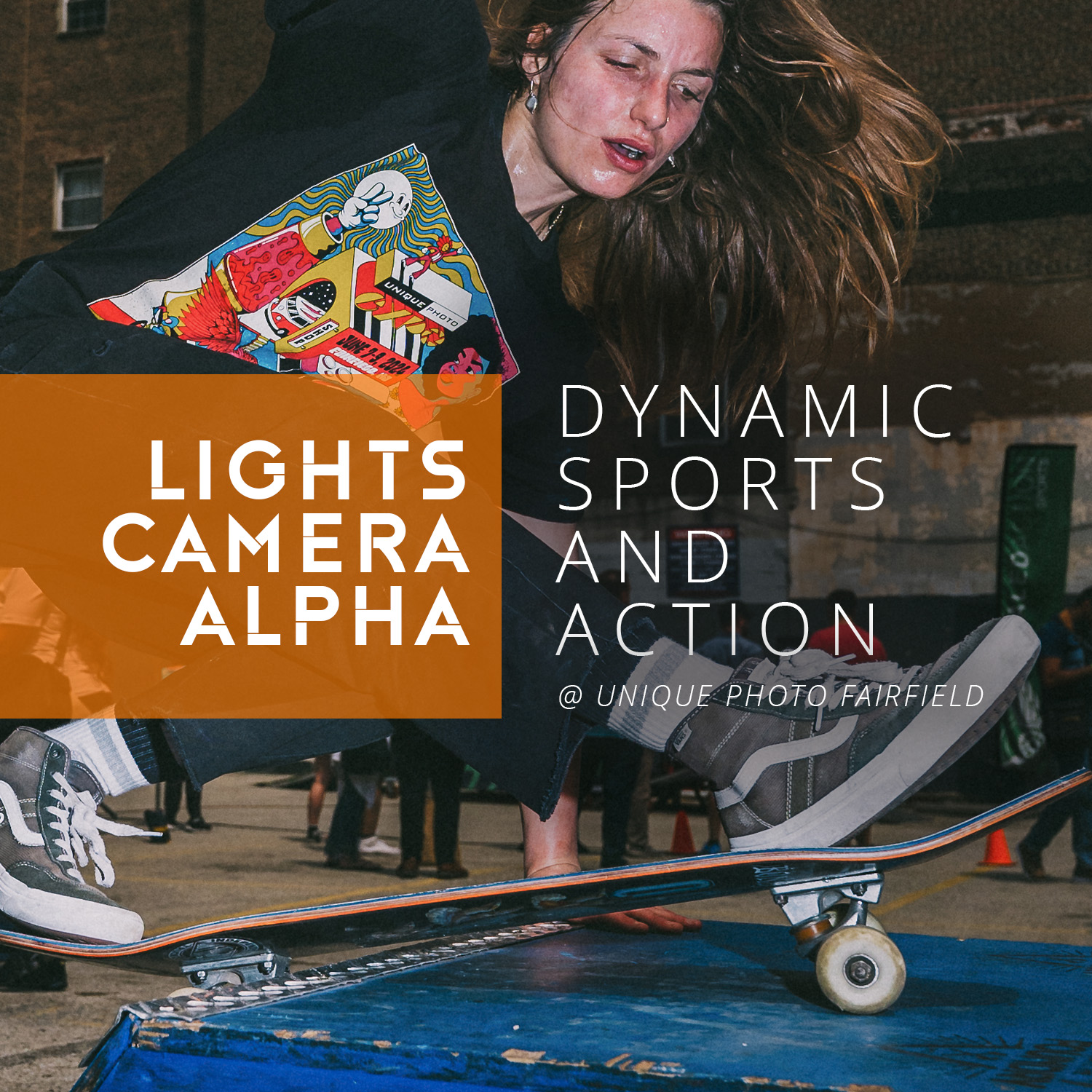
Want to refine tracking and burst discipline before your next assignment? Our action-focused workshops are excellent practice even for candid storytellers.
Which focal lengths work best for natural storytelling?
There’s no single answer; think in terms of perspective and working distance:
- 28–35mm: Immersive, environmental context. You’ll need to work closer, which often yields more intimate, present-tense frames.
- 50mm: A balanced, human perspective—less distortion than wider lenses while still feeling natural.
- 85–135mm: Compresses space and gives breathing room when you can’t be close. Great for isolating expressions without intruding.
- 24–70mm: Versatile for rapidly changing scenes; just be mindful of framing discipline so your edit stays cohesive.
Whatever you choose, keep a consistent look across your story. If you switch focal lengths, do it intentionally to mark a change in scene or emphasis.
How should I approach subjects for permission after shooting candidly?
For editorial and documentary work in public spaces, candid capture is often permissible, but etiquette matters. If the moment feels sensitive—or the subject was central—introduce yourself afterward, explain your project, and show the frame. Offer to share a copy and provide contact information. For commercial use, secure a signed model release. Be extra cautious with minors and private property where permission is essential. A warm, transparent conversation protects trust—and future access.
New to in-person interactions or want to slow down and build rapport through process? Film outings can be a great way to practice mindful, respectful engagement.
How can I blend in and remain unobtrusive on assignment?
Dress to match the environment and move with purpose. Avoid sudden motions; pick a spot and let the scene develop around you. Keep your kit simple—one body and a small prime invites less attention. Turn off chiming sounds, dim screens, and use a discreet strap. Practice hand positions and pre-focus so you can shoot quickly when the moment peaks. Field outings are perfect for sharpening this discipline before high-stakes stories.
How much post-processing is appropriate for candid features?
Thoughtful edits should clarify the story, not rewrite it. Aim for consistent color, restrained sharpening, and gentle contrast to preserve mood. Use local adjustments to guide attention—lift faces slightly, tame hotspots, and maintain believable skin tones. Crop minimally to keep the integrity of moment and context. Apply noise reduction only as needed to avoid plastic textures, and keep a non-destructive workflow so you can revisit decisions as the narrative evolves.
If you want to polish a cohesive, publication-ready look, our editing classes walk through real-world approaches to tone, color, and detail management for honest storytelling.
Any pro tips for building a compelling candid feature narrative?
Think in sequences: start with an establishing frame for context, follow with mid-range action and expressions, then punctuate with details that reveal character. Track a few key subjects and return to them, letting arcs develop over time. Keep thorough caption notes—names, places, and moments matter to editors. Maintain consistent color and focal length choices to unify the edit. Finally, know your camera cold so settings never interrupt the moment.
Need to build low-light discipline and timing? Training that demands patience and precision can sharpen your candid instincts across genres.
What’s a smart way to practice before a big assignment?
Create micro-briefs: limit yourself to one focal length for an hour, or commit to a setting (e.g., f/4, Auto ISO, 1/500s) and focus on anticipating moments. Scout a location on foot for 15 minutes without shooting to study light and human flow. Then build a 6–8 frame mini-story. Review with a neutral eye, noting which frames advance narrative and which distract. Repeat weekly, and your hit rate—and confidence—will climb.
Ready to grow your candid craft? Visit Unique Photo for gear advice, in-store and online classes, and curated books. Our team can help you choose the right tools and training to tell richer, more honest stories.