Thoughtful, detailed user reviews are the lifeblood of the photography community—and they help fellow shooters make smarter purchases at retailers like Unique Photo. Whether you’re evaluating a used film body, a fast prime, or a compact kit zoom, the best reviews are honest, repeatable, and grounded in real-world shooting. Here’s how to write reviews that stand out in search and serve the community.
What makes a good photography gear review?
- Be specific and measurable: Replace “great image quality” with information like “sharp from center to corners at f/4; mild vignetting at f/3.5; flare controlled with hood.”
- Explain your use case: Portrait, landscape, street, sports, macro, travel, or hybrid photo/video—what did you actually shoot?
- Disclose your setup: Camera body, firmware, lenses/filters, stabilization settings, picture profile, and any post-processing.
- Show, don’t tell: Include sample images with EXIF and consistent comparisons when possible.
- Keep it fair: Compare to realistic alternatives in the same class and generation.
- Note value and longevity: Build, reliability, service experience, resale, and how the gear held up over time.
How to test cameras and lenses: a repeatable methodology
Use a simple, repeatable protocol so your results are trustworthy and comparable:
- Baseline settings: Reset camera, install latest firmware, disable lens corrections for optical evaluations, use RAW when testing image quality.
- Sharpness and consistency: Photograph a flat target (bookshelf, brick wall, or printed chart) at multiple apertures and focal lengths. Check center, mid-frame, and corners at 100%.
- Autofocus performance: Test in good light and low light. Measure time-to-focus from minimum distance to infinity and vice versa; track a walking subject for hit rate. For video, check focus transitions and breathing.
- Stabilization: Hand-hold a series at 1/FL, 1/2, 1/4, and 1 second. Record your keeper rate with IBIS/IS on and off.
- Distortion and vignetting: Photograph a grid for distortion; a blank wall or sky for vignetting across apertures.
- Flare and bokeh: Shoot backlit scenes with bright point sources wide open and stopped down; capture specular highlights for bokeh character.
- Color and WB: Use a gray card to evaluate auto white balance accuracy and consistency under different light sources.
- Throughput: For cameras, test burst depth and buffer clear time; for lenses, note focus travel speed and any rattle/IS noise.
- Ergonomics and build: Comment on materials, weather sealing gaskets, control feel, and balance on your body of choice.
Sample review template you can copy
Use this outline to make your review easy to scan and helpful for shoppers at Unique Photo.
- My use case: Genre, shooting conditions, experience level.
- Test setup: Body/firmware, lens/filters, RAW/JPEG, IBIS/IS, profiles.
- Build & handling: Weight, balance, control layout, weather resistance.
- Image quality: Sharpness, contrast, color, flare, vignetting, distortion.
- Focus & stabilization: AF speed/accuracy, tracking hit rate, IBIS/IS keeper rate.
- Video notes (if relevant): AF transitions, rolling shutter, audio preamp noise.
- Reliability & service: Any issues, firmware fixes, support experiences.
- Comparisons: Two or three realistic alternatives and how they differ.
- Who it’s for: Best-fit shooters; where it struggles.
- Value: Price-to-performance, used vs. new, accessories needed.
- Pros/cons: 3–5 bullet points each.
- Verdict: One clear sentence.
Quantify, don’t generalize: the metrics that matter
- Sharpness: Aperture vs. acuity (center/mid/corner). Note diffraction onset.
- AF hit rate: Percentage in a controlled burst on a moving subject.
- Stabilization: Hand-held keeper rate at slow shutter speeds.
- Distortion/vignetting: Stop-down behavior and how in-camera corrections help.
- Weight and balance: Exact weight, and whether it front-heavies certain bodies.
- Noise and artifacts: IS rattle, focus motor sound, onion-ring bokeh, focus breathing.
Real-world use cases to include in your review
- Portraits: Skin tones, eye AF reliability, background blur quality.
- Landscape: Edge-to-edge sharpness, color, sunstars, flare resistance, weather sealing.
- Street/travel: Size, discretion, startup time, battery life.
- Sports/wildlife: AF tracking, burst depth, blackout, stabilization with long lenses.
- Macro/product: Minimum focus, magnification, focus breathing, focus stacking behavior.
Compare fairly: A/B testing and context
Comparison is powerful when it’s apples-to-apples. Match settings, subjects, and light. If you’re comparing a fast manual prime to an autofocus kit zoom, explain that difference clearly and score each within its intended use case and era.
Special considerations for used and film gear reviews
Unique Photo’s Used & Trades department often features classics and workhorses that deserve nuanced reviews. When evaluating legacy or used equipment, add the following checks:
- Optics: Inspect for haze, fungus, separation, cleaning marks, and decentering; test focus at infinity and close range.
- Mechanicals: Aperture blade snappiness, focus ring smoothness, play in the mount, light seals and mirror dampers in cameras.
- Metering and shutter: Consistency across speeds; exposure accuracy vs. a reference.
- Film workflow: If you’re reviewing film gear, describe scanning, development, and chemistry that influenced your results.
Example gear you might review from Unique Photo’s used selection:
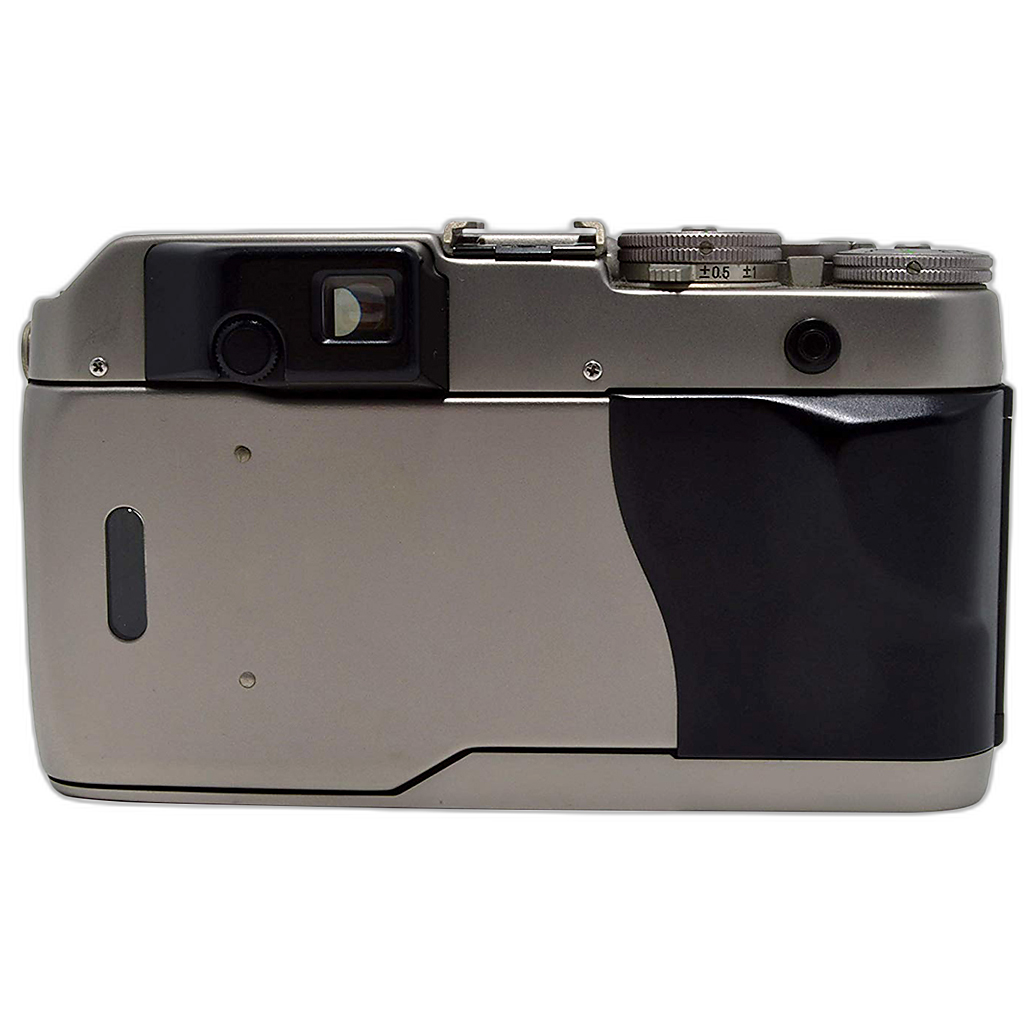
Contax G1 with 45mm f/2 — Discuss the compact rangefinder-style handling, finder clarity, and the 45mm’s rendering. Evaluate focusing behavior in varied light and the practicality for street and travel.
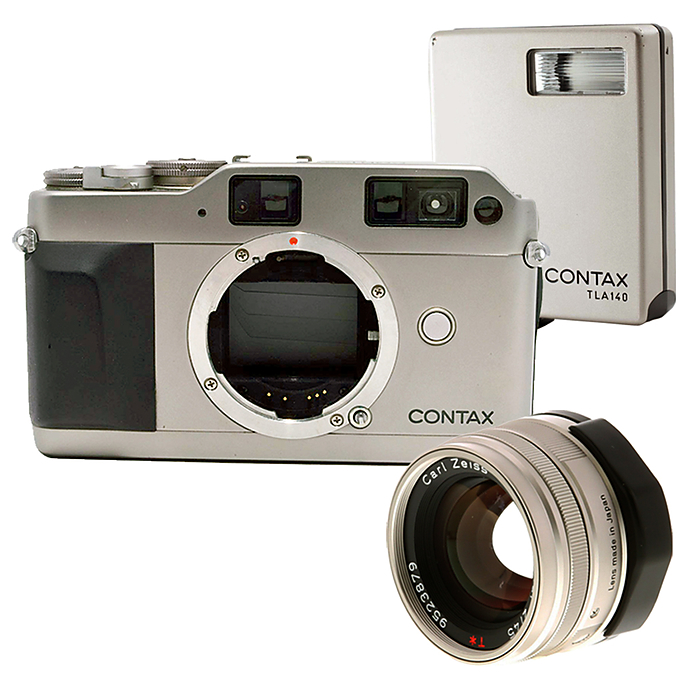
Nikon 50mm f/1.2 Ai — Assess manual focus feel, focus throw, low-light performance at f/1.2, and how it renders highlights and bokeh. Stop-down sharpness and purple fringing control are key details.
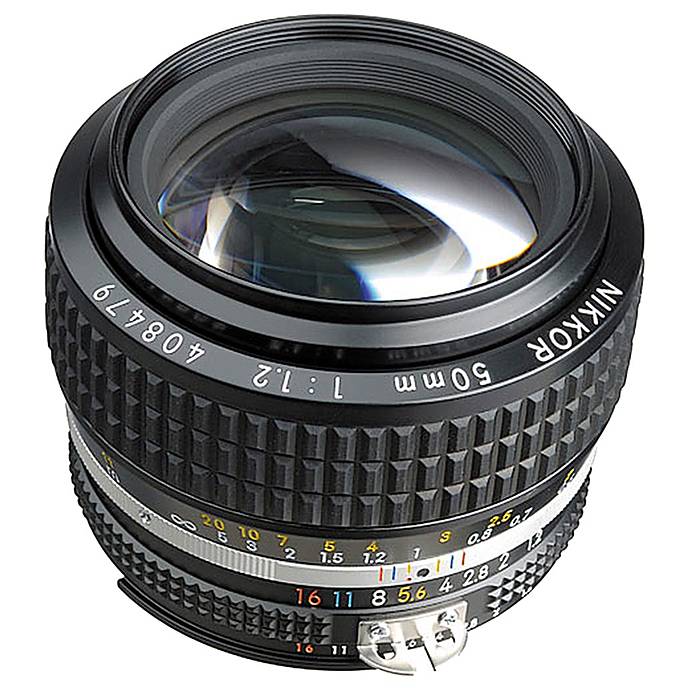
Canon FD 50mm f/1.8 — A classic nifty fifty. Comment on center sharpness, corner improvement by f/4, and flare behavior. Great candidate for mirrorless adaptation—note your adapter and results.
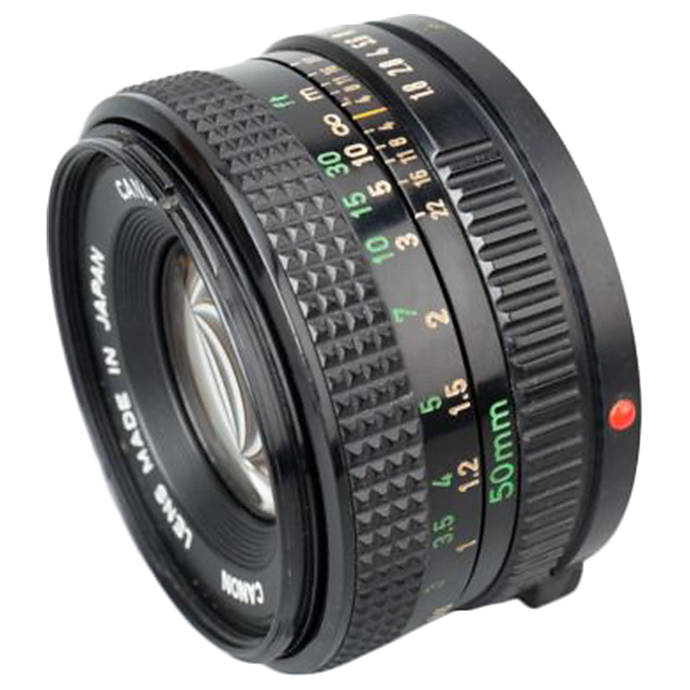
Canon EF-M 15–45mm IS STM — Evaluate stabilization, focus noise, and travel convenience. Explain differences vs. a fast prime and how the IS broadens hand-held use.

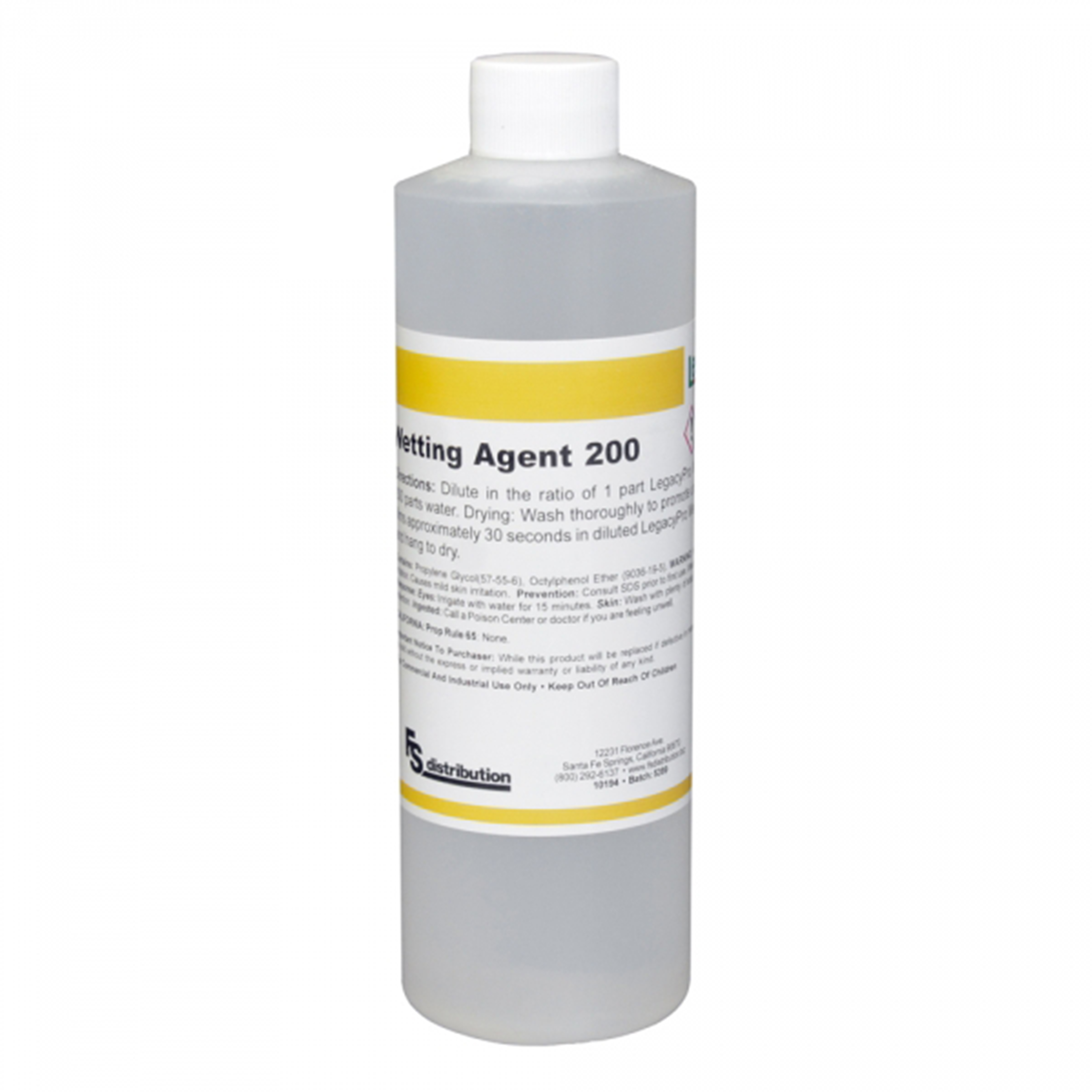
If you’re shooting film, clean processing helps show a lens or camera at its best. A wetting agent can reduce drying marks and improve scan quality—helpful context for your review.
Disclose your biases and settings
Transparency boosts credibility. Mention if the item was loaned or purchased, whether Unique Photo or a manufacturer provided it, and any personal preferences (e.g., you’re a manual-focus enthusiast or you prefer vivid color profiles). List important settings that could influence outcomes (corrections on/off, sharpening defaults, NR levels, IS state).
Photos, videos, and audio: what to include
- Sample gallery: 6–12 images across apertures/focal lengths with EXIF captions.
- 100% crops: Center and corner crops for sharpness and noise.
- Video clips: AF transitions, stabilization walk test, panning for rolling shutter.
- Audio: If evaluating preamps or lens noise, include a short ambient clip.
Common pitfalls to avoid
- One-day verdicts: Don’t draw firm conclusions without varied conditions.
- Software confounds: In-camera corrections and post-processing can mask optical traits—note what’s active.
- Unfair comparisons: Vintage manual glass vs. modern stabilized zooms have different strengths; judge accordingly.
- Cherry-picked shots: Show successes and misses to present a balanced view.
Sharpen your review skills with hands-on shooting
Practice makes better. Unique Photo’s Unique University workshops provide real-world opportunities to test gear thoughtfully. A field class like Macro and Landscape Photography at Duke Farms trains your eye to evaluate sharpness, stabilization, and rendering in nature—perfect material for a compelling review.

Conclusion: Write reviews that help photographers choose smarter
Great user reviews combine clear methodology, honest pros and cons, and sample images that back up your claims. When you shop at Unique Photo, consider posting your experience on the product page—especially for used gems and classic film gear—so the community benefits from your insight.
Internal linking suggestions for site editors at Unique Photo:
- Link “Used & Trades” mentions to the Used & Trades landing page and relevant categories like Lenses Used and Film Cameras Used.
- Link class references to the Unique University calendar and the Macro and Landscape Photography at Duke Farms class page.
- Link specific product names to their respective product pages when in stock.
- Add a “How to Write a Helpful Review” guide in the Support/Blog section and cross-link from product review modules.
Have a favorite lens or camera from Unique Photo? Share your measured results, add sample shots, and help the next photographer make the right choice.