When you’re shopping for camera gear, one of the biggest decisions is whether to buy used or new. For photographers, videographers, and collectors alike, the right answer depends on your budget, your tolerance for cosmetic wear, and how much reassurance you want from the buying process. At Unique Photo, both new and pre-owned gear can make sense—you just need to know what to inspect before you commit.
Whether you’re considering a modern mirrorless lens, a classic manual-focus prime, or a film camera with character, understanding the risks and benefits of used vs new gear can help you make a smarter purchase.
Is It Better to Buy Used or New Camera Gear?
There’s no universal winner. New gear is ideal if you want the latest technology, manufacturer warranty coverage, untouched cosmetics, and the confidence that no one else has put wear on the item. Used gear, on the other hand, can offer significantly better value, access to discontinued favorites, and a lower-cost path into premium systems.
Buying new often makes the most sense when:
- You need the latest autofocus, stabilization, or video features
- You want full manufacturer support and warranty protection
- You depend on your gear professionally and want maximum predictability
- You are buying batteries, accessories, or items where wear matters heavily
Buying used often makes the most sense when:
- You want to stretch your budget further
- You’re interested in vintage or discontinued lenses and film cameras
- You don’t mind minor cosmetic wear if performance is still strong
- You want a second body or backup lens without paying full retail
Unique Photo is a strong resource for both paths because shoppers can compare pre-owned and newer options in one place, making it easier to decide where savings matter most.
What to Check When Buying Used Camera Bodies
If you’re buying a used camera body, your goal is to separate normal cosmetic wear from signs of hard use or potential failure. Surface scuffs are common. Functional issues are where you need to slow down.
Start with these checkpoints:
- Shutter count or usage history: On digital cameras, shutter count can indicate how heavily the camera has been used.
- Sensor condition: Look for scratches, excessive dust, dead pixels, or signs of poor maintenance.
- Buttons and dials: Test every control. Sticky buttons or inconsistent response can signal wear.
- Battery compartment: Check for corrosion, bent contacts, or damage.
- Ports and card slots: HDMI, USB, and memory card slots should feel secure and function properly.
- Mount condition: Lens mounts should not appear bent, overly worn, or loose.
- Viewfinder and screen: Look for scratches, haze, discoloration, or LCD issues.
This is especially important with older film cameras, where mechanical reliability can vary significantly. A camera listed as “as is” deserves extra caution because it may need repair before it’s usable.
How to Inspect a Used Lens Before You Buy
Lenses are often excellent used purchases, but they still need careful inspection. Cosmetic wear on the barrel is usually less important than optical and mechanical condition.
Here’s what to look for in a used lens:
- Glass clarity: Check for scratches, haze, fungus, separation, and excessive internal dust.
- Focus ring feel: Manual focus should turn smoothly without grinding or stiff spots.
- Aperture blades: Blades should be clean, responsive, and free from oil.
- Mount wear: The lens mount should be secure and undamaged.
- Autofocus performance: On modern lenses, AF should be accurate and consistent.
- Image stabilization: If the lens has stabilization, verify that it works as expected.
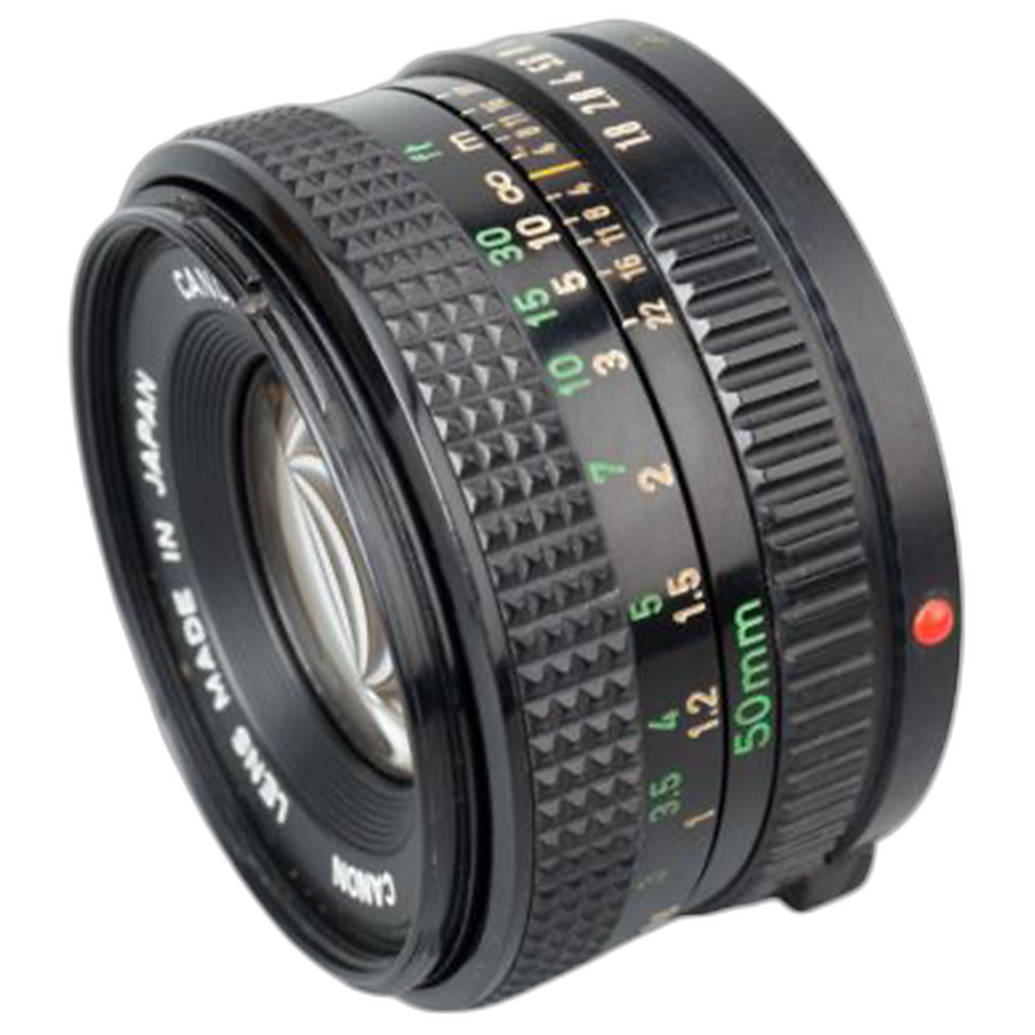
Used lenses can be especially appealing because optics often age better than bodies. For example, a classic prime like the Used Canon FD 50mm f/1.8 Lens - Good can be a great way to explore vintage glass at a more accessible price point.
Used Film Cameras: Extra Things to Watch Out For
Film cameras deserve their own category because age alone can introduce problems, even if a camera looks clean. Light seals can degrade, shutters can drift out of spec, meters can fail, and electronics may become inconsistent.
When buying a used film camera, pay close attention to:
- Shutter accuracy: Inaccurate speeds can ruin exposures.
- Light seals: Deteriorated seals can cause leaks and residue.
- Film advance and rewind: Mechanical transport should feel smooth.
- Meter operation: Built-in meters may not be reliable on older gear.
- Flash compatibility: Confirm included flash units or hot shoes work correctly.
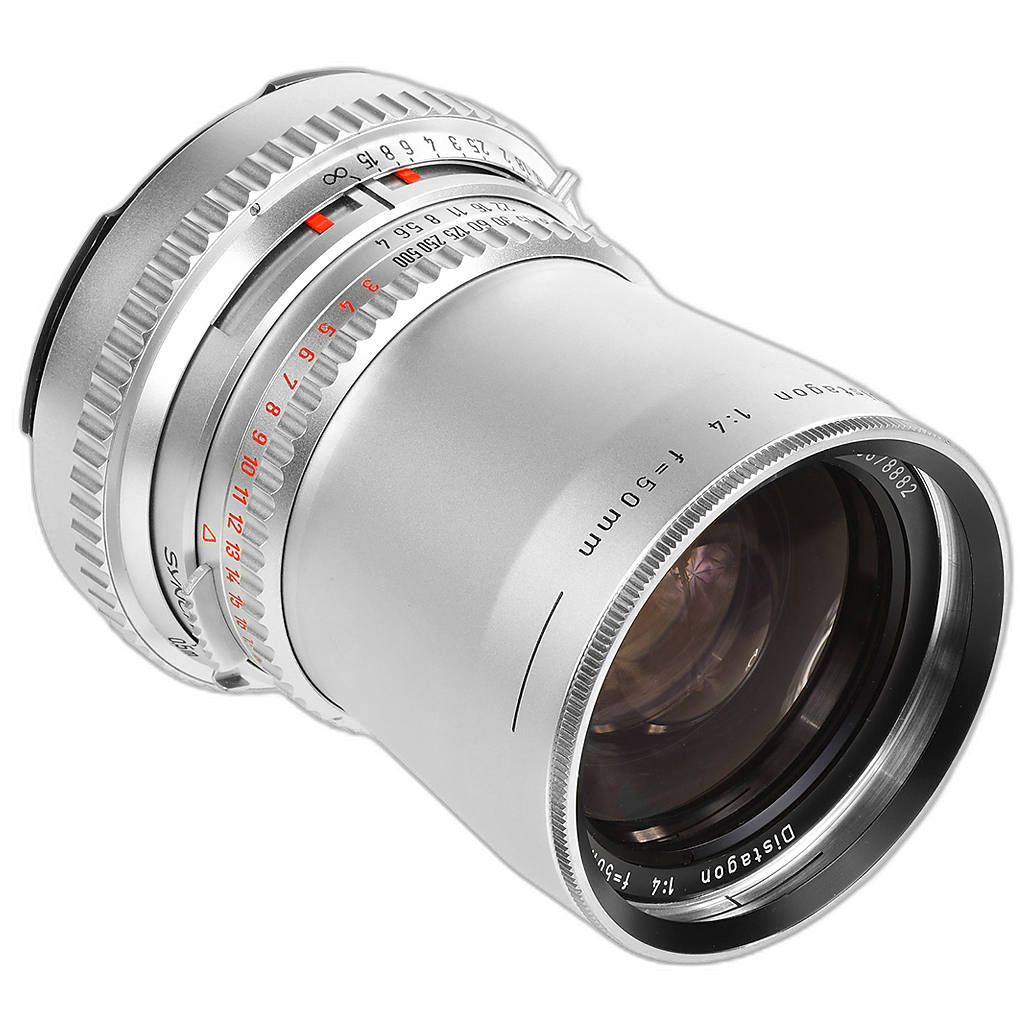
A model like the Used Contax G1 w/ 45mm f/2 and TLA140 Flash - Good can be a compelling used buy because it combines a respected film system with a sought-after lens. But even desirable cameras should be checked carefully for viewfinder condition, autofocus behavior, and battery compartment health.
When Buying New Makes More Sense
Buying new is often the best move if reliability, support, and current features matter more than upfront savings. This is especially true for creators shooting paid work, hybrid photo/video content, or fast-moving subjects where newer autofocus systems and firmware improvements can have a real impact.
New gear also makes sense if:
- You want the latest lens coatings or optical designs
- You need compatibility with current camera systems
- You prefer a full return policy and manufacturer-backed warranty
- You don’t want to troubleshoot inherited issues
If you’re deciding between a used legacy lens and a newer design, think about your intended use. A modern compact zoom may offer autofocus, stabilization, and convenience, while an older manual lens may offer more character and lower cost.
How Condition Ratings Affect Value
Condition ratings are one of the most important parts of shopping used gear. Terms like “Excellent,” “Good,” and “As Is” are not interchangeable, and they should directly influence what you expect and what you’re willing to pay.
As a general guide:
- Excellent: Light wear, strong overall function, well-kept appearance
- Good: Noticeable cosmetic wear, but still operational
- As Is: May have known issues, may require service, limited guarantees
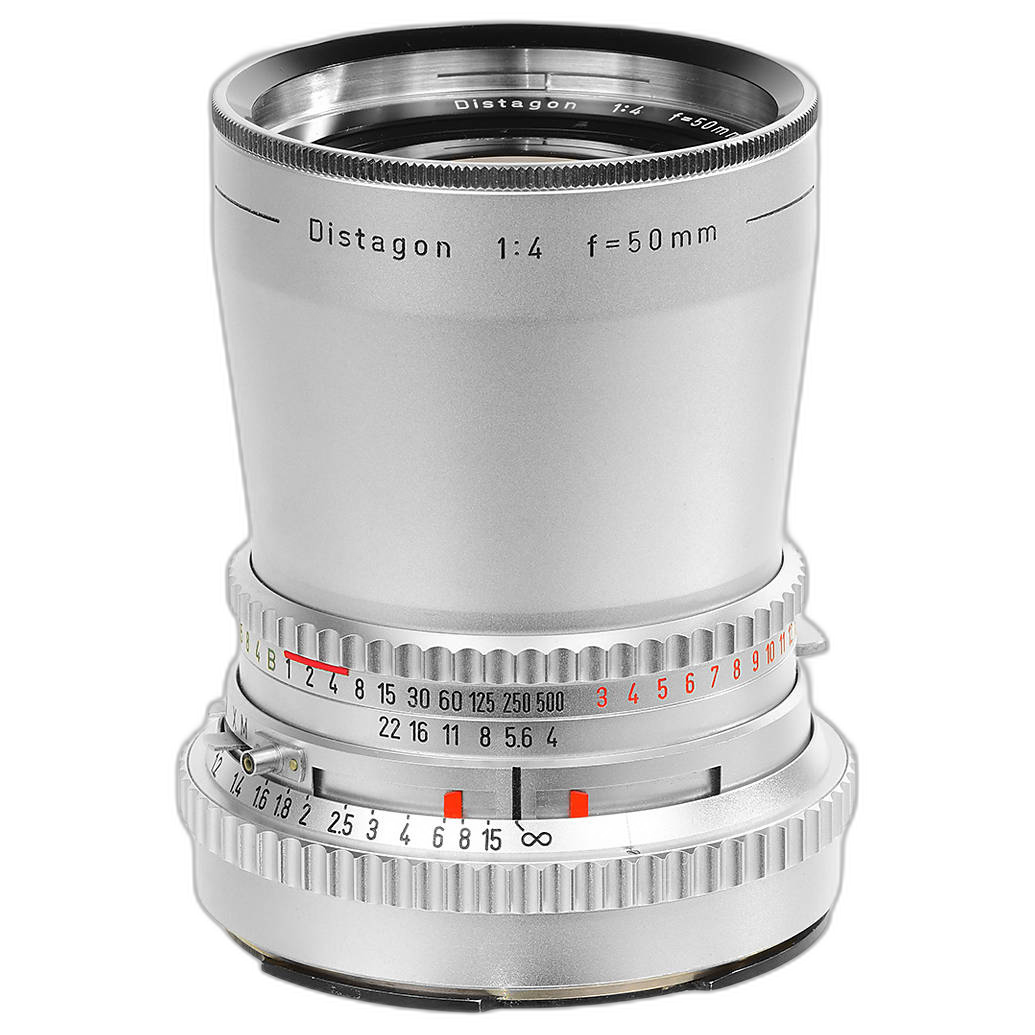
For example, a lens like the Used Hasselblad 50MM F/4 CF T* - Excellent may appeal to photographers who want premium medium format glass without paying new-equipment pricing. Condition matters here because optical quality and smooth mechanics are central to the value of a used lens.
Meanwhile, an “as is” listing such as an older specialty camera may be better suited to collectors, restorers, or buyers who are comfortable budgeting for repair.
Best Used Camera Gear for Budget-Conscious Photographers
If your goal is to maximize value, used lenses are often the safest starting point. Many photographers build impressive kits by pairing a newer body with pre-owned lenses, especially when shopping for manual-focus primes or older DSLR and film-era optics.
Good candidates for buying used include:
- Manual-focus prime lenses
- Vintage film lenses with adapter potential
- Discontinued but respected camera systems
- Backup camera bodies
- Specialty optics you won’t use every day
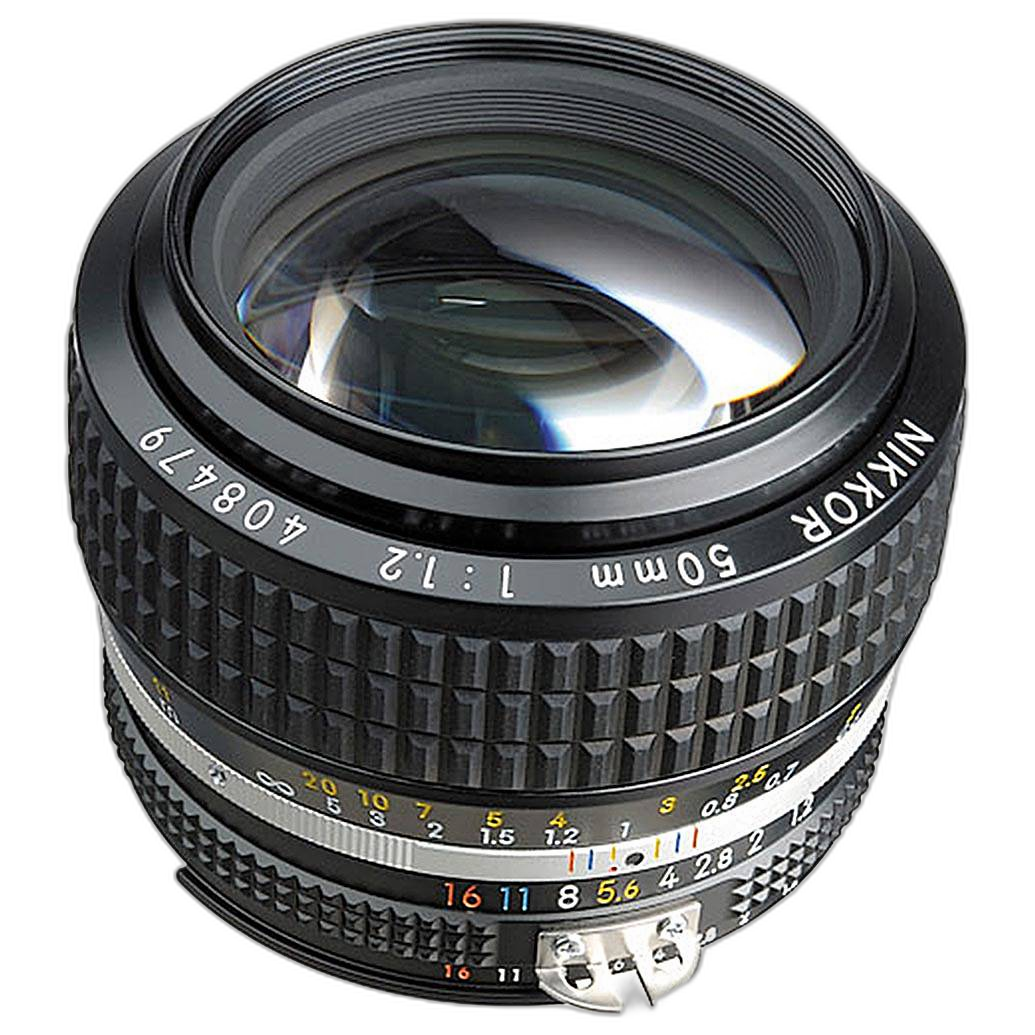
A lens like the Used Nikon 50mm f/1.2 Ai - Good is a good example of where used can be particularly attractive. Fast manual-focus Nikon glass has long appealed to photographers looking for character, low-light capability, and classic handling.
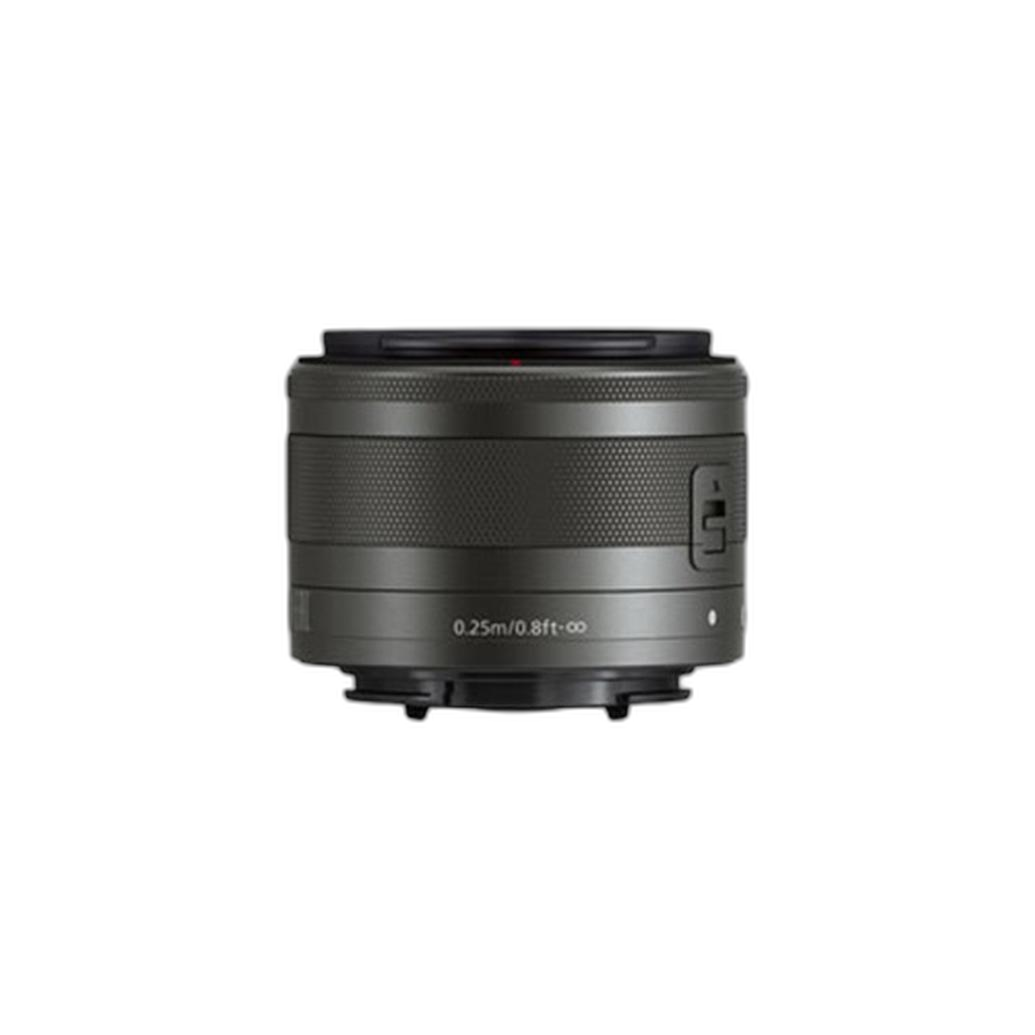
Likewise, a practical modern option such as the Used Canon EF-M 15-45mm f/3.5-6.3 IS STM - Good may be a smart buy for someone building out a compact mirrorless kit on a budget.
Red Flags When Buying Used Camera Equipment
No matter where you shop, there are some warning signs you should never ignore. These issues can indicate abuse, hidden defects, or a product that may cost more to fix than it’s worth.
- Missing photos or vague descriptions
- No clear condition rating
- Fungus, haze, or separation in lens elements
- Battery corrosion
- Loose mounts or damaged filter threads
- Inconsistent shutter or aperture behavior
- Evidence of impact damage
- Seller cannot confirm basic functionality
This is why buying from an established retailer like Unique Photo can be a more comfortable option than rolling the dice on an unknown listing. Clear condition descriptions, product images, and category organization make comparison shopping much easier.
Should Beginners Buy Used or New?
For beginners, used gear can be an excellent way to enter photography without overspending. It reduces the pressure of making a perfect first purchase and can free up budget for essentials like memory cards, bags, film, or a second lens.
That said, beginners may also benefit from the simplicity of buying new, especially if they want modern autofocus, easy connectivity, and warranty support. If you’re just starting out, think less about “used vs new” as a rule and more about where your money matters most:
- Spend on reliability if you need simplicity
- Save on lenses if you’re experimenting
- Prioritize condition over bargain pricing
- Buy from a trusted retailer whenever possible
Final Thoughts: How to Decide Between Used and New
Buying used vs new comes down to balancing value, risk, and your shooting needs. Used gear can unlock serious savings and access to standout classics. New gear offers peace of mind, current technology, and easier support. The smartest buyers know how to evaluate condition, understand their own priorities, and buy from trusted sources.
At Unique Photo, photographers can explore a wide range of used cameras and lenses alongside newer options, making it easier to compare price, condition, and features before making a decision.
If you’re continuing your research, consider browsing internal categories and guides such as Used & Trades, Lenses, Used Film Cameras, and educational content about choosing your first lens, inspecting vintage gear, or building a budget-friendly camera kit.