Getting consistent exposures with manual film cameras is less about chasing perfection and more about choosing a camera that makes deliberate shooting repeatable. For photographers who want dependable meter-aided manual control, clear shutter and aperture feedback, and a build that encourages disciplined exposure technique, the Used Canon F-1 w/ 50mm f/1.4 - Good is an especially compelling option. It sits in a sweet spot between fully mechanical confidence and practical usability, making it one of the most appealing used film bodies for photographers who want to improve exposure consistency roll after roll.
While many classic film cameras can produce beautiful negatives, not all of them make the process equally intuitive. The Canon F-1 is a camera that rewards methodical shooting. Its tactile controls, professional-grade design, and straightforward manual operation help reduce the kinds of mistakes that lead to uneven exposures. For anyone learning to meter scenes more accurately, compare lighting ratios, or maintain consistency across a series, this camera remains a serious tool rather than just a nostalgic collectible.
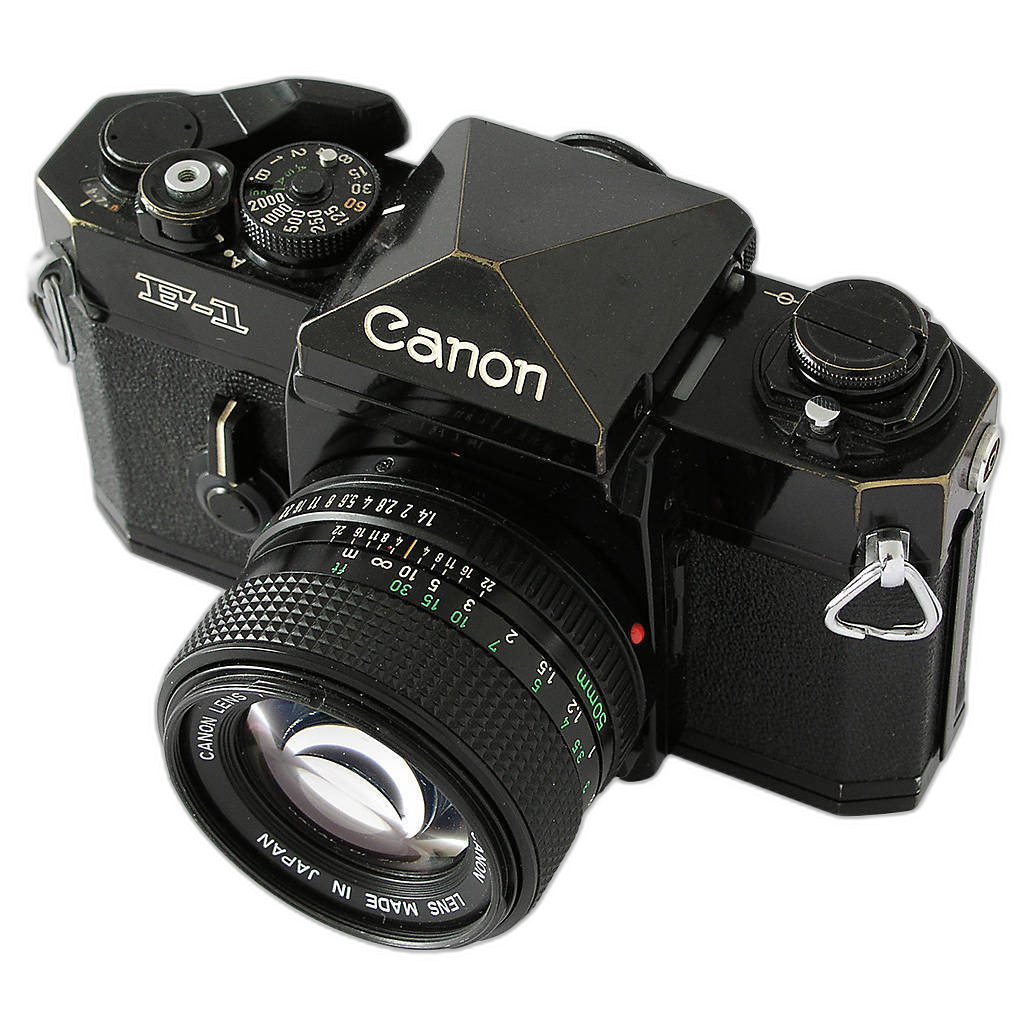
Why the Canon F-1 Fits This Topic So Well
The Canon F-1 is the kind of camera that teaches good habits. Because it is built around intentional control, it pushes the photographer to think carefully about shutter speed, aperture, and film speed instead of relying on automation to make assumptions. That matters when your goal is consistency. Once you establish a metering approach, the F-1 makes it easier to repeat it frame after frame.
Paired with a 50mm f/1.4 lens, this used kit offers an excellent all-purpose field of view and enough speed for a wide range of lighting conditions. The lens is bright enough to support focusing in dimmer scenes and flexible enough for portraits, street work, travel, and general everyday shooting. In practical terms, that means fewer compromises and a simpler path to reliable exposures.
Fully Manual Control Encourages Repeatable Results
One of the biggest reasons manual film shooters struggle with consistency is that they change too many variables at once. The Canon F-1 helps avoid that problem by making each exposure decision explicit. You can set your shutter speed, match your aperture to the scene, and evaluate the meter without second-guessing what the camera may be doing in the background.
This control is invaluable when working under stable lighting. If a scene is not changing, you can meter once, lock in your settings, and continue shooting with confidence. That is often the most reliable way to maintain consistency on negative or slide film alike.
A Professional Mechanical Body You Can Trust
Consistency is not just about the meter. It is also about confidence in the camera itself. The Canon F-1 has long been respected for its robust, professional-grade construction. That solidity matters in use: shutter speed dials feel positive, controls are clearly laid out, and the overall shooting experience is more stable and predictable than with many lighter consumer bodies.
When a camera feels dependable in the hand, photographers are less likely to rush, misread controls, or make accidental adjustments. In a manual workflow, that operational confidence goes a long way.
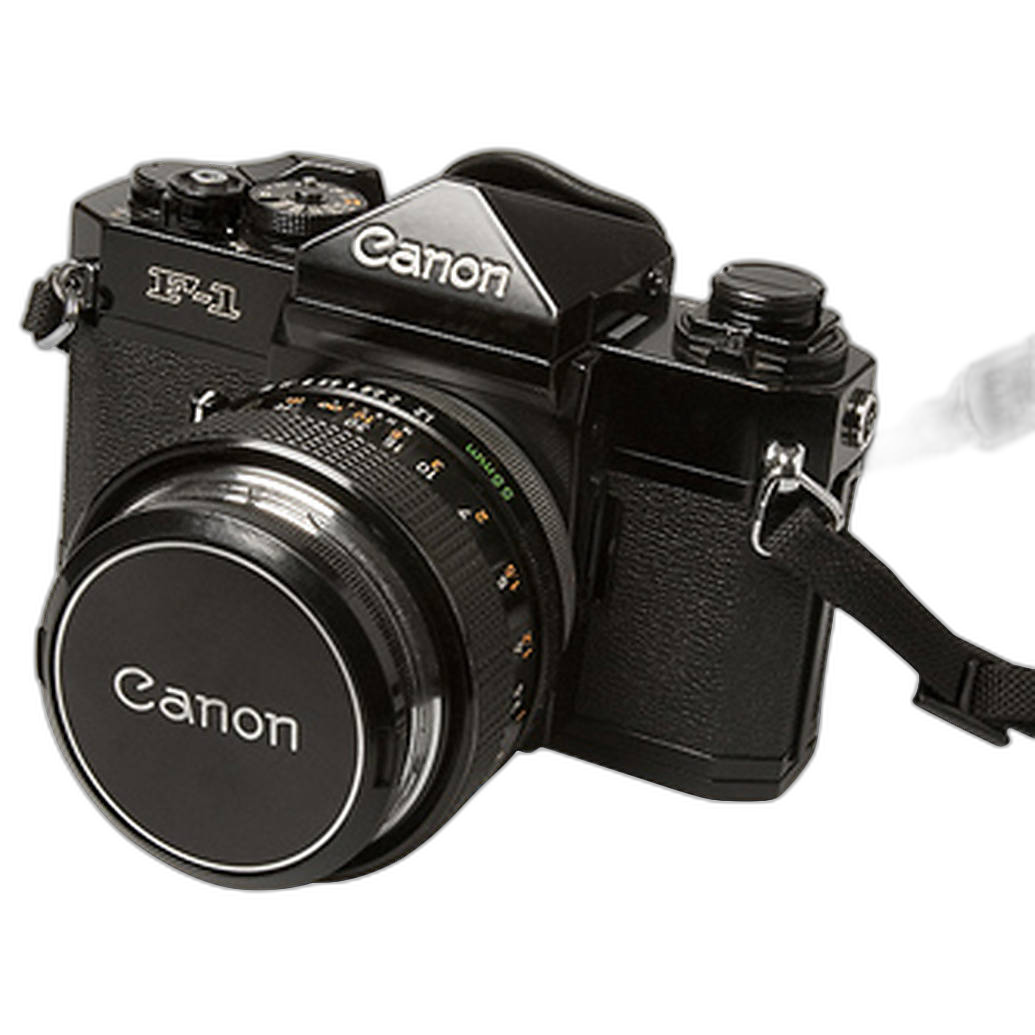
Key Features for More Consistent Film Exposures
Bright 50mm f/1.4 Lens for Versatile Metering and Shooting
The included 50mm f/1.4 lens is one of the strongest parts of this package. A normal lens keeps composition simple and natural, which helps photographers focus more on exposure decisions. The bright maximum aperture also makes focusing easier and opens up more options in low light without immediately forcing a tripod or very slow shutter speed.
From an exposure perspective, this flexibility means you can maintain your preferred shutter speed more often, which reduces the need for abrupt compromises. If you are trying to build a repeatable workflow, that matters.
Manual Exposure Workflow That Builds Skill
The Canon F-1 is not a camera that hides the process. It shows you what exposure discipline looks like in real time. That makes it ideal for photographers learning techniques such as:
- Metering for highlights versus shadows
- Rating film intentionally rather than strictly at box speed
- Locking exposure for a sequence in consistent light
- Using Sunny 16 as a baseline check
- Reading contrast before committing to a frame
In short, the F-1 helps make exposure a thoughtful practice instead of a guessing game.
Classic SLR Viewing for Better Decision-Making
Because this is a traditional SLR, what you see through the finder aligns naturally with how you think about aperture, focus, and depth of field. That directness helps when evaluating scenes with tricky light, especially backlit subjects or mixed contrast situations. You are less likely to be distracted by automation and more likely to notice where the exposure challenge actually is.
Built for Photographers Who Want Reliability Over Gimmicks
There is a reason cameras like the Canon F-1 remain relevant in the used market. They are durable, usable, and serious. If your primary goal is to get consistently exposed negatives rather than simply collect vintage gear, the F-1 offers a practical path. It is a camera you can grow into and continue trusting over time.
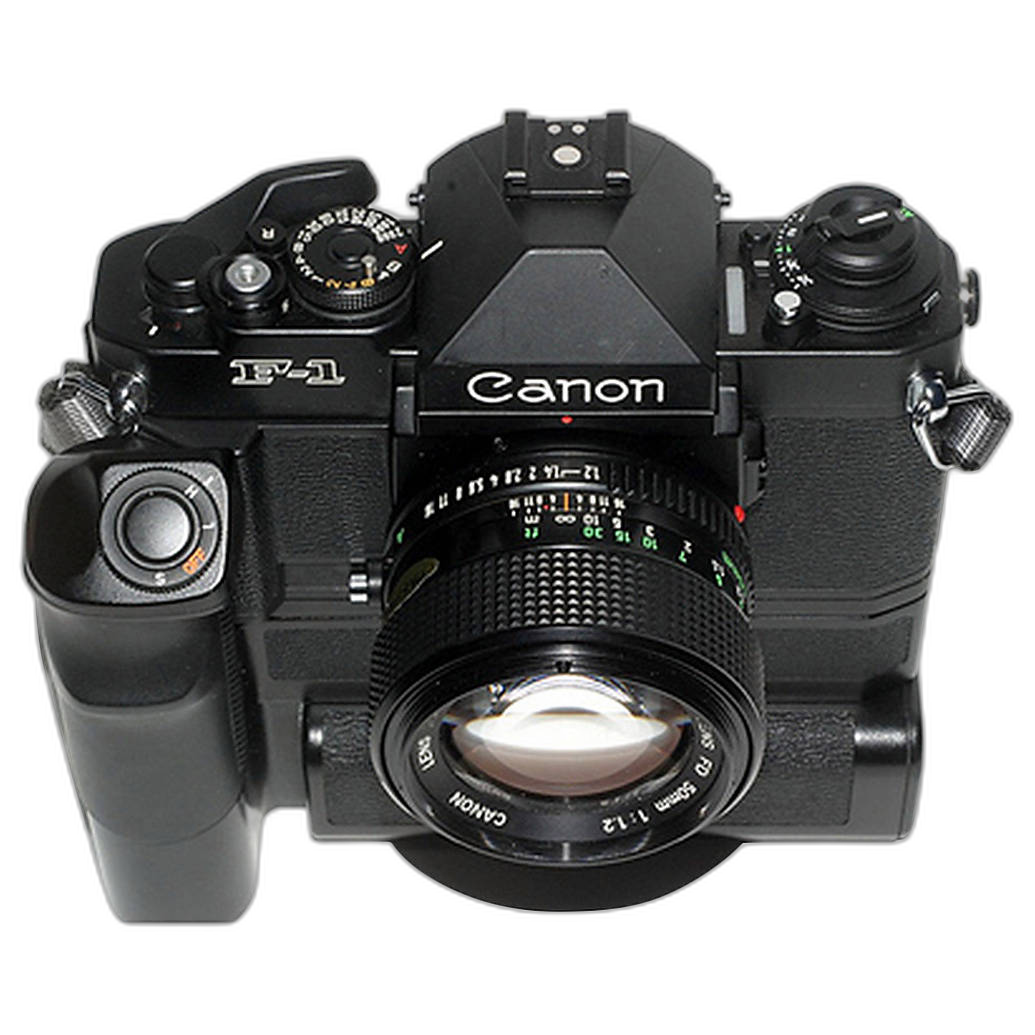
Real-World Use: Who This Camera Is Best For
The Used Canon F-1 w/ 50mm f/1.4 - Good is especially well suited to photographers who want to slow down and improve technique. It makes sense for students of film photography, experienced digital shooters transitioning into analog work, and longtime enthusiasts who want a no-nonsense mechanical SLR that supports a reliable manual workflow.
It is also a particularly smart choice for black-and-white photographers, where consistency in exposure can dramatically affect tonality and printing flexibility. For color negative shooters, the camera gives enough control to establish repeatable metering habits that produce cleaner, more predictable scans.
Pros and Cons
Pros
- Excellent platform for learning and repeating manual exposure technique
- Professional-grade body with a reputation for durability
- Included 50mm f/1.4 lens is bright, practical, and highly versatile
- Encourages deliberate shooting rather than overreliance on automation
- Strong choice for photographers seeking exposure consistency across a roll
Cons
- Less forgiving for beginners who want automatic exposure assistance
- Heavier than many consumer 35mm SLR alternatives
- Used condition means buyers should expect normal cosmetic wear and camera-specific variation
- Manual operation may feel slower for fast-moving or casual shooting situations
How It Compares in Spirit to Other Film Options
There are many attractive used film cameras available, from simpler 35mm bodies to medium format systems, but the Canon F-1 stands out because it balances usability with serious manual control. It is less intimidating than jumping straight into modular medium format, yet more purpose-built for disciplined exposure work than many entry-level SLRs. That balance makes it particularly relevant for photographers trying to improve consistency rather than just experiment occasionally.
Verdict
The Used Canon F-1 w/ 50mm f/1.4 - Good is an outstanding film camera for photographers focused on getting consistent exposures with a manual system. Its clear controls, robust build, and practical normal-lens kit make it a dependable tool for learning, refining, and repeating solid exposure technique. It is not the easiest path for fully casual shooters, but for anyone serious about mastering manual film photography, that is exactly the point.
Recommendation: If you want a classic manual film camera that helps build better habits and delivers a trustworthy shooting experience, this Canon F-1 kit is easy to recommend. For photographers shopping used film gear, Unique Photo is an excellent place to buy, especially when you want access to quality pre-owned equipment from a respected camera retailer.