Choosing between used vs. new camera gear is one of the biggest decisions photographers make, whether they are building a first kit, upgrading a working setup, or adding specialty tools for film, studio, travel, or video work. Both options can be smart. The right choice depends on your budget, shooting style, tolerance for wear, and how much risk you are comfortable taking on.
At Unique Photo, photographers can explore both new and pre-owned equipment, making it easier to compare value across categories like camera bodies, lenses, film cameras, and hard-to-find legacy gear. If you are wondering whether buying used camera equipment is worth it, or when it makes more sense to buy new, this guide covers the major advantages, common pitfalls, and practical inspection tips.
Is it better to buy used or new camera gear?
There is no one-size-fits-all answer. New camera gear typically offers the latest features, manufacturer warranty coverage, cleaner cosmetic condition, and a known history. Used camera gear often delivers better value, access to discontinued favorites, and a lower cost of entry for experimenting with formats or focal lengths.
Buying new usually makes sense when:
- You need maximum reliability for paid work
- You want the newest autofocus, video, or stabilization features
- Warranty coverage is important to you
- You prefer pristine condition and full retail packaging
Buying used often makes sense when:
- You want to save money without sacrificing image quality
- You are building a kit on a budget
- You want to try specialty lenses or vintage systems
- You are shopping for discontinued cameras, film gear, or manual-focus glass
For many photographers, the smartest route is a hybrid approach: buy key workhorse items new, and fill in the rest with carefully selected used gear from a trusted retailer like Unique Photo.
Benefits of buying used camera gear
The biggest advantage of used gear is simple: more value for your money. Cameras and lenses often depreciate faster than their real-world usefulness. That means a used lens in good condition may perform nearly identically to a new copy while costing substantially less.
Other benefits include:
- Lower upfront cost: Stretch your budget toward better optics, lighting, or accessories
- Access to classic gear: Many beloved lenses and film cameras are only available on the used market
- Slower depreciation: Used gear has already absorbed its biggest value drop
- Great for learning: Beginners can explore photography without overspending
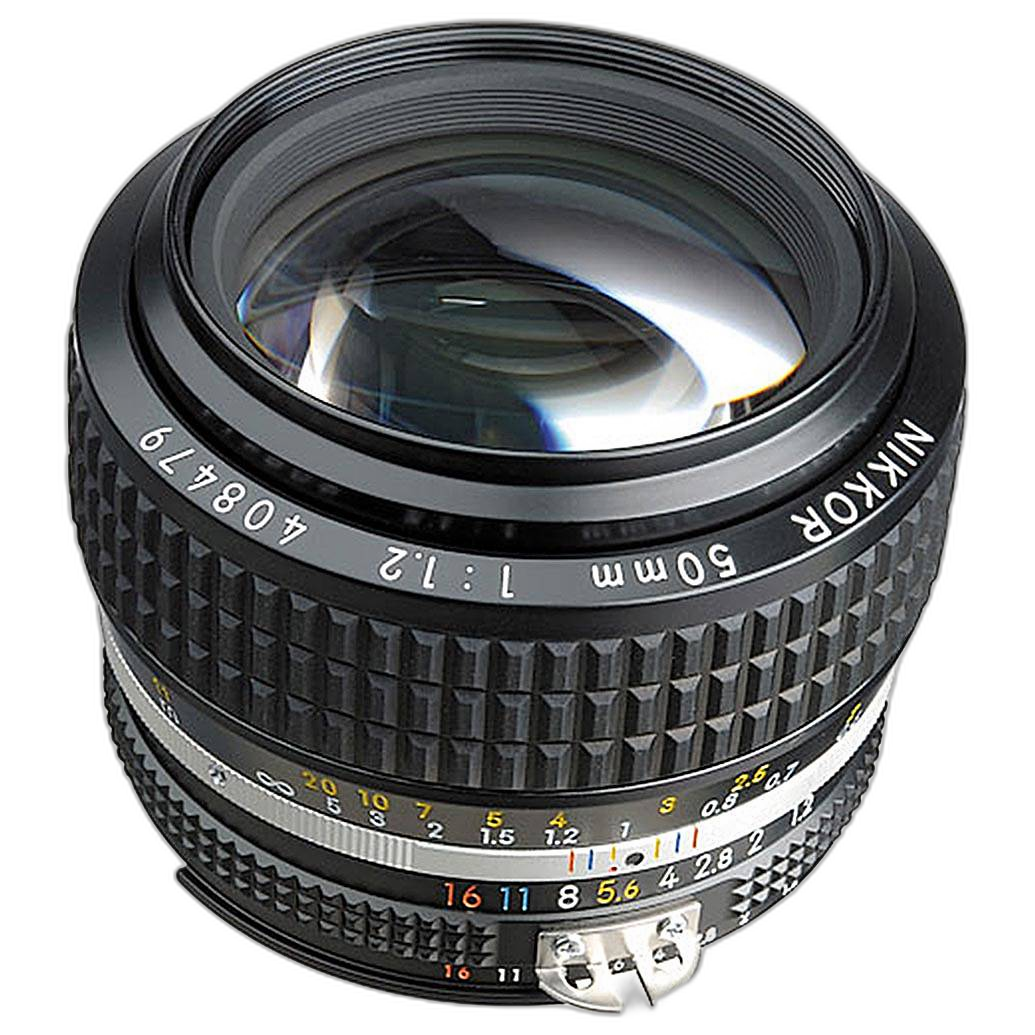
For example, a manual-focus prime like the Used Nikon 50mm f/1.2 Ai - Good can be a compelling used purchase for photographers who want a fast, character-rich lens without chasing a brand-new equivalent.
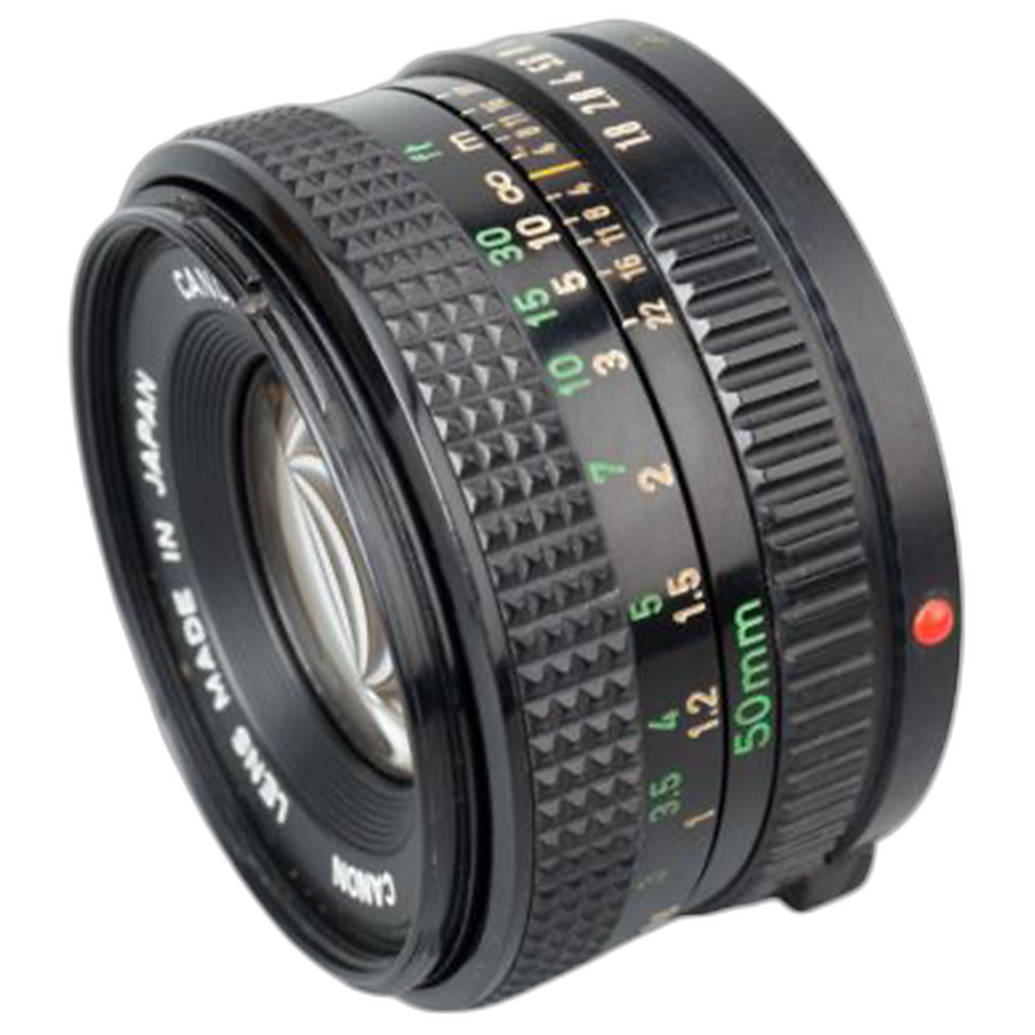
Likewise, used legacy glass such as the Used Canon FD 50mm f/1.8 Lens - Good can be a practical and affordable way to explore film photography or adapted shooting setups.
Advantages of buying new camera gear
New gear still has clear strengths, especially for buyers who prioritize peace of mind. When you buy new, you typically get:
- Manufacturer warranty support
- Unused batteries, accessories, caps, and packaging
- No hidden wear from prior use
- The latest firmware and feature set
- Better long-term support for current systems
If you shoot professionally, cover once-in-a-lifetime events, or need current autofocus and video tools, buying new can reduce uncertainty. Even so, many photographers pair a new camera body with used lenses to strike a balance between performance and value.
What to check before buying used camera equipment
If you are buying used camera gear, inspection matters. Reputable sellers like Unique Photo help reduce risk, but buyers should still understand what to look for.
1. Cosmetic condition vs. functional condition
Small scuffs or worn paint are often harmless. What matters more is whether the camera or lens works properly. Ask whether the condition grade reflects only appearance, or also verified mechanical and optical performance.
2. Lens glass condition
Inspect for:
- Scratches
- Haze
- Fungus
- Separation
- Excessive internal dust
A few dust particles are normal in many used lenses. Fungus, haze, or separation can affect image quality and may be costly to repair.
3. Aperture and focus operation
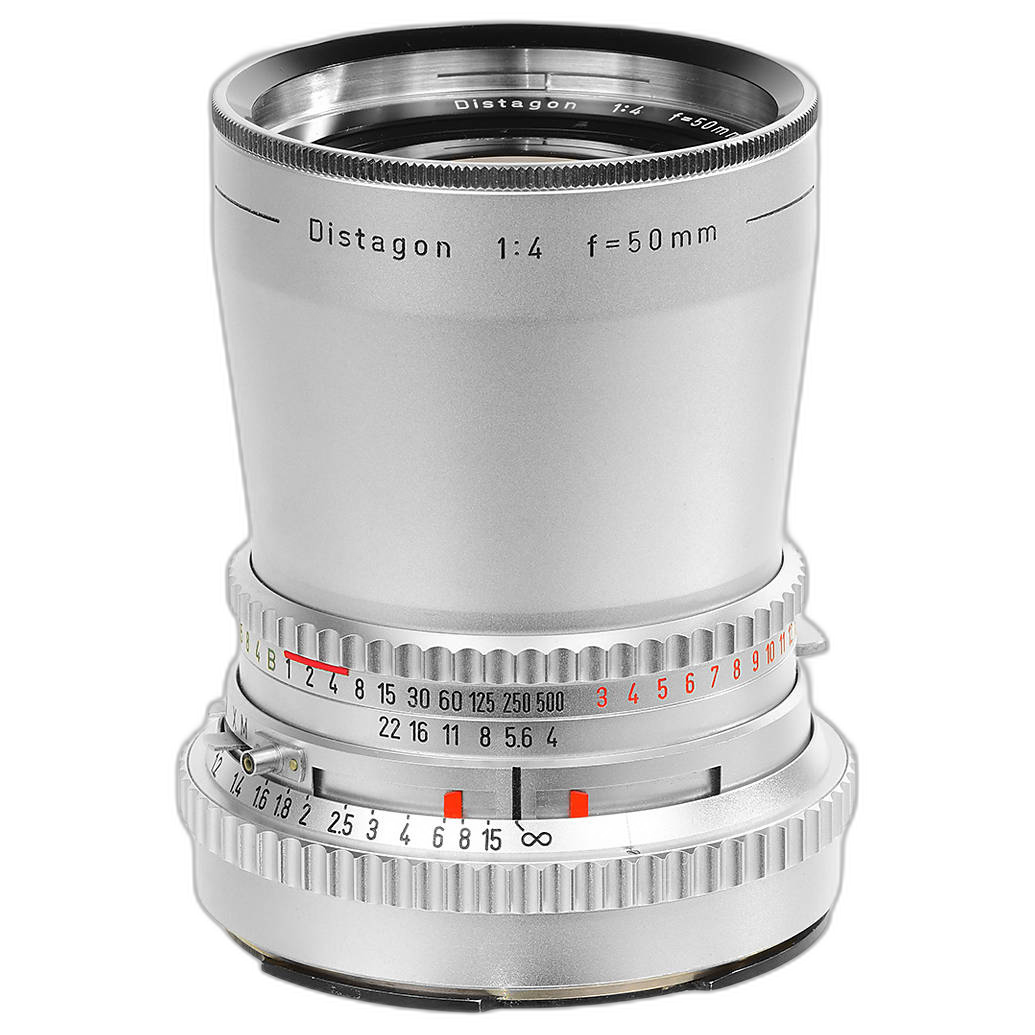
On used lenses, check that the aperture blades are clean and responsive, and that the focus ring turns smoothly. For instance, with older lenses like the Used Hasselblad 50MM F/4 CF T* - Excellent, mechanical feel is a major part of evaluating condition.
4. Camera shutter, meter, and film transport
With used film cameras, mechanical reliability is critical. Make sure the shutter fires consistently, the meter behaves as expected, and the transport system advances properly. Specialty or collectible items may be sold with limitations, so always read condition notes carefully.
5. Sensor, mount, and battery compartment
On digital cameras, inspect the sensor for damage, the lens mount for excessive wear, and the battery compartment for corrosion or damage. These can indicate heavy use or poor storage conditions.
6. Compatibility
Not every great deal is a good fit. Double-check mount compatibility, autofocus support, adapter requirements, image stabilization compatibility, and crop-factor behavior before purchasing. A used lens is only a bargain if it actually works well in your system.
Common pitfalls when buying used camera gear
Used gear can be a smart purchase, but there are a few mistakes buyers make again and again.
Buying solely on price
The cheapest option is not always the best value. A slightly more expensive copy in cleaner condition from a trusted retailer may be the better long-term purchase.
Ignoring condition grades and notes
Terms like “Good,” “Excellent,” or “As Is” matter. “As Is” gear can be appealing for collectors, tinkerers, or parts, but it carries more risk. A camera such as the Used Ermanox Ernemann Camera With 100MM F/2 - As Is *Needs Shutter Replaceme clearly signals that repair may be required, making it a very different purchase from tested user-ready equipment.
Overlooking repair costs
A low purchase price can quickly stop being a bargain if a CLA, shutter repair, fungus treatment, or battery-door replacement is needed. Always factor in possible maintenance.
Assuming vintage means better
Vintage lenses and film cameras can be wonderful, but they are not automatically superior. Some older gear offers beautiful rendering and build quality, while other pieces are difficult to repair or source parts for.
Not considering resale liquidity
Popular focal lengths and well-known systems tend to hold value and resell more easily. Niche items may take longer to move later, even if they are excellent tools.
Used lenses vs. used camera bodies: which is safer to buy?
In many cases, used lenses are a safer buy than used camera bodies. Lenses often have fewer failure points than digital bodies, especially if they are manual-focus designs. A well-kept used lens can remain useful for decades.
Examples of used lenses that may offer strong value include:
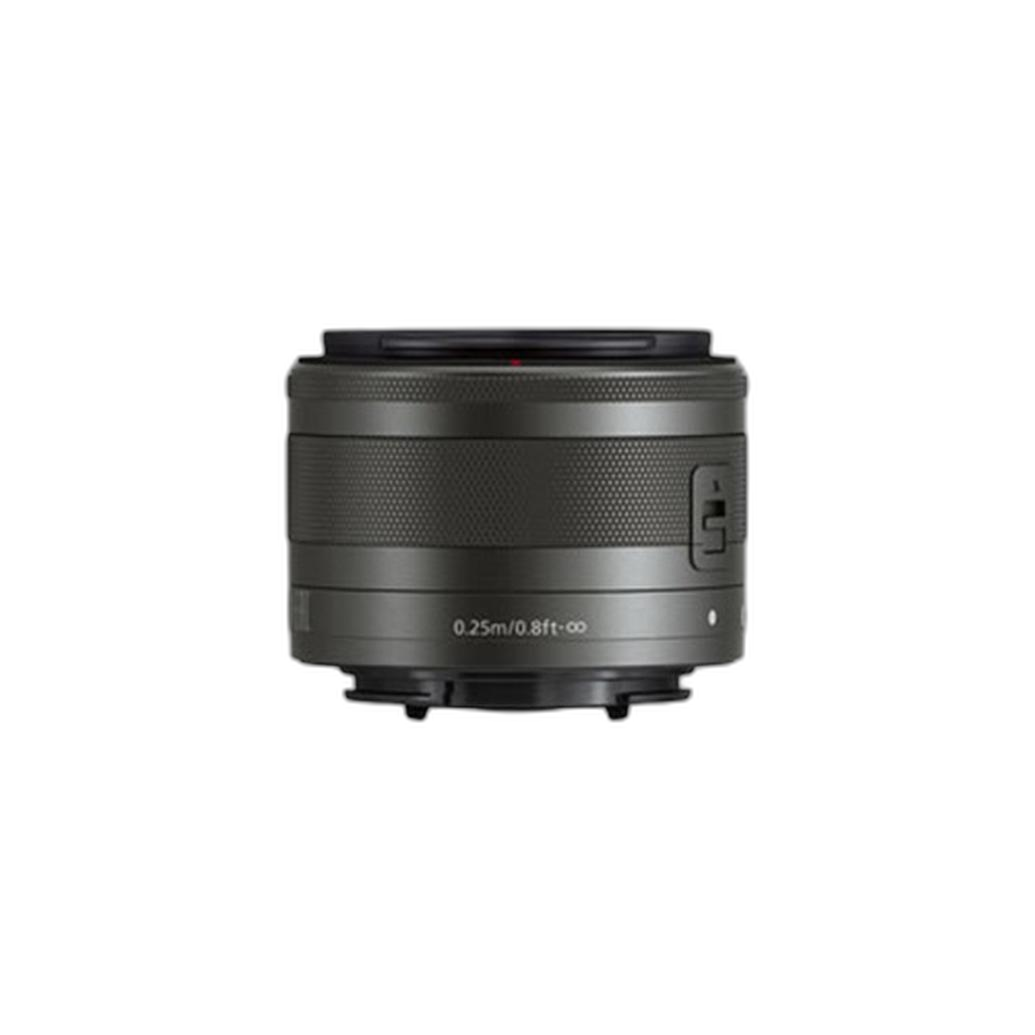
- Used Canon EF-M 15-45mm f/3.5-6.3 IS STM - Good for compact mirrorless users seeking an affordable native zoom
- Used Canon FD 50mm f/1.8 Lens - Good for film shooters or adapted vintage setups
- Used Hasselblad 50MM F/4 CF T* - Excellent for medium format photographers expanding a system
By comparison, used camera bodies may have more concerns, including shutter count, worn controls, sensor issues, dead pixels, electronic faults, or battery compatibility problems. That does not mean used bodies are a bad idea; it just means buyers should inspect them more carefully.
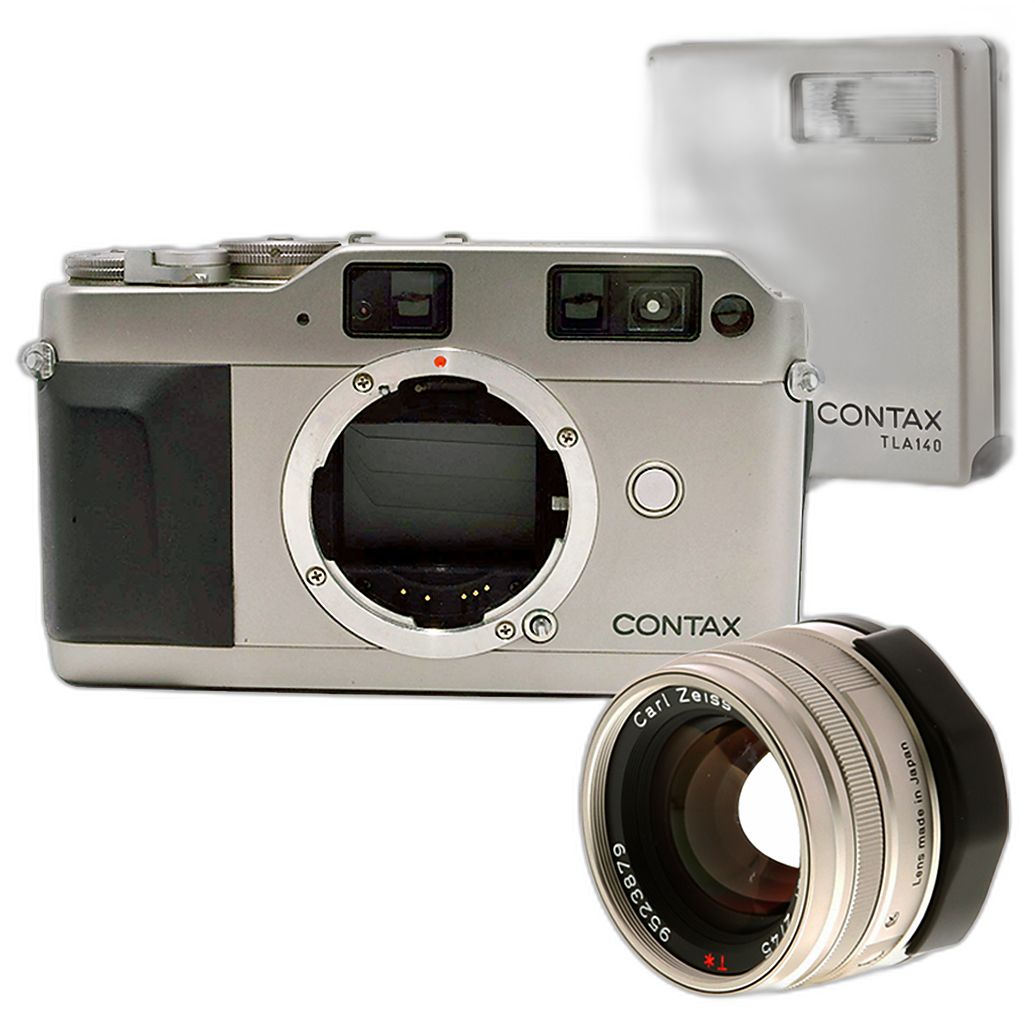
For film enthusiasts, a camera like the Used Contax G1 w/ 45mm f/2 and TLA140 Flash - Good may be especially attractive because it combines a respected body and lens pairing in one package.
When buying new makes more sense than buying used
Even dedicated used-gear shoppers should know when new gear is the better call. Consider buying new if:
- You need dependable performance for professional assignments
- You want advanced autofocus, subject detection, or current video codecs
- You need the latest battery ecosystem and accessory support
- The used discount is too small to justify giving up a warranty
- You are buying a mission-critical body or lens for frequent use
In some categories, especially current digital camera bodies, pricing can make new gear surprisingly competitive once warranty and support are factored in.
How to decide between used and new camera gear for your budget
A simple way to decide is to rank your purchases by importance.
- Buy new for the items where reliability matters most
- Buy used for accessories, secondary lenses, specialty optics, or experimental formats
- Mix both to maximize value without compromising your core shooting needs
For example:
- A wedding photographer might buy a new main body, but a used portrait prime
- A film beginner might buy a tested used body and a low-cost used standard lens
- A collector might focus on rare used gear and accept restoration needs
If your budget is limited, prioritize lenses over bodies whenever possible. Strong optics can outlast several camera generations and usually affect image character more than incremental body upgrades.
Where to buy used camera gear with confidence
Where you buy matters almost as much as what you buy. A trusted camera retailer can provide clearer condition grading, better descriptions, and a more reliable buying experience than an unknown marketplace listing.
Unique Photo is a strong option for photographers who want access to used gear from a recognized camera retailer. Shopping through a known source can help reduce uncertainty, especially when evaluating pre-owned lenses, film cameras, or specialized items that may not be easy to assess from photos alone.
Whether you are comparing a used legacy lens, a compact mirrorless zoom, or a collectible film camera, buying through a reputable seller gives you a better starting point than taking a gamble on an incomplete listing.
Final thoughts on buying used vs. new camera gear
There is no universal winner in the used vs. new camera gear debate. New gear offers warranty protection, current features, and predictable condition. Used gear offers affordability, access to classic equipment, and the chance to build a more capable kit for less money.
The best strategy is to buy intentionally. Research the specific item, inspect condition notes closely, confirm compatibility, and think beyond the price tag. For many photographers, the smartest move is not choosing all used or all new, but building a balanced kit over time.
Unique Photo makes that process easier by offering photographers a place to explore pre-owned gear alongside current equipment. If you are ready to keep researching, helpful internal linking options for readers would include pages covering used camera gear, used lenses, film cameras, mirrorless lenses, and camera trade-in options at Unique Photo.