Best 35mm Film for Portraits: FAQ on Film Stocks, Skin Tones, and Budget Picks
Choosing the right 35mm film for portraits comes down to the look you want, your lighting conditions, and your budget. At Unique Photo, we help photographers balance classic portrait color, flattering skin tones, and practical considerations like availability, exposure latitude, and scanning or printing workflow.
Whether you are building a film portrait kit for the first time or refining your favorite stock, this FAQ covers the most common questions we hear about 35mm portrait film, from premium color negative options to affordable alternatives and the realities of shooting expired film.
What makes a 35mm film stock good for portraits?
A strong portrait film usually offers pleasing skin-tone reproduction, smooth tonal transitions, and enough latitude to handle imperfect exposure. Color negative films are often preferred for portraits because they are forgiving, especially in mixed lighting or outdoor sessions where conditions can change quickly. Many portrait photographers also look for moderate contrast and fine grain, since those traits help preserve flattering facial detail without making the image feel harsh.
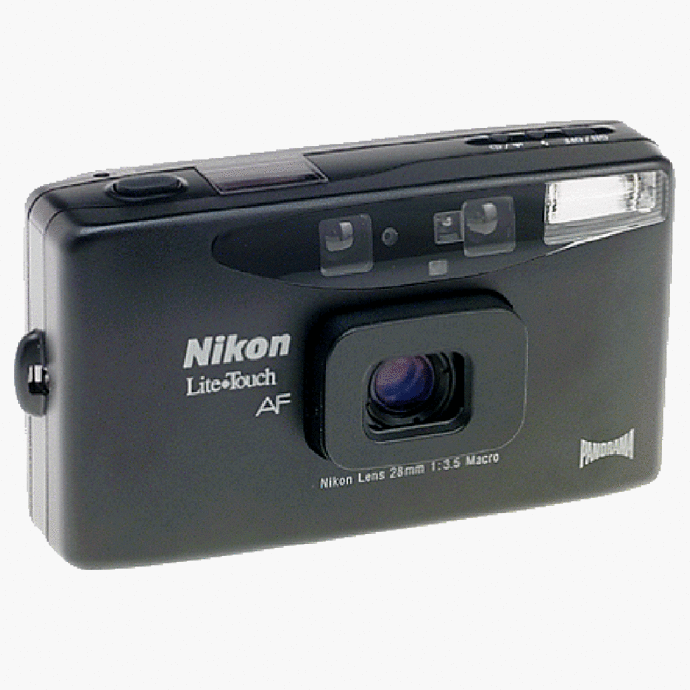
Your lens and camera matter too. A compact film camera can be a great casual portrait option when you want spontaneity and a more relaxed shooting experience. For example, a compact model like the Nikon Light Touch 35mm point-and-shoot can be a fun way to make natural-looking portraits with 35mm film, especially for candid sessions or everyday lifestyle work.
Is Kodak Portra 400 still one of the best choices for portraits?
Yes. Portra 400 remains one of the most dependable portrait films because it combines flattering color, wide exposure latitude, and flexibility across different lighting situations. It performs well in open shade, overcast weather, golden hour, and even indoor ambient light if your camera and lens setup can support the shutter speed you need.
What makes it especially popular for portraits is the way it handles skin. Tones tend to look natural and balanced rather than overly saturated, and highlights roll off smoothly. That gives photographers more room to slightly overexpose for a softer, luminous look without losing the overall portrait feel many film shooters want.
For photographers who are just getting started, Portra 400 is often the easiest premium stock to recommend because it is versatile and forgiving. If your style leans toward classic, clean, and polished portrait results, it is still a benchmark film.
How does Portra 400 compare with Fujifilm Pro 400H for skin tones?
When photographers compare these two films, the conversation usually centers on color palette. Portra 400 is widely appreciated for neutral-to-warm skin rendition and gentle contrast, while Fujifilm Pro 400H became known for a cooler, slightly pastel character with soft greens and a more airy overall feel. For portraits, that often meant Pro 400H could look especially appealing in bright natural light, with a delicate color signature many wedding and lifestyle shooters loved.
In practical terms, Portra 400 generally feels more universal and easier to match across different skin tones and lighting environments. Pro 400H, when available on the secondary market or in older stock form, may offer a distinct look, but consistency can be harder to predict depending on storage conditions and age. If your priority is dependable results and easy skin-tone control, Portra 400 is usually the safer pick. If you love a cooler pastel aesthetic and can source well-kept stock, the Fujifilm look can still be inspiring.
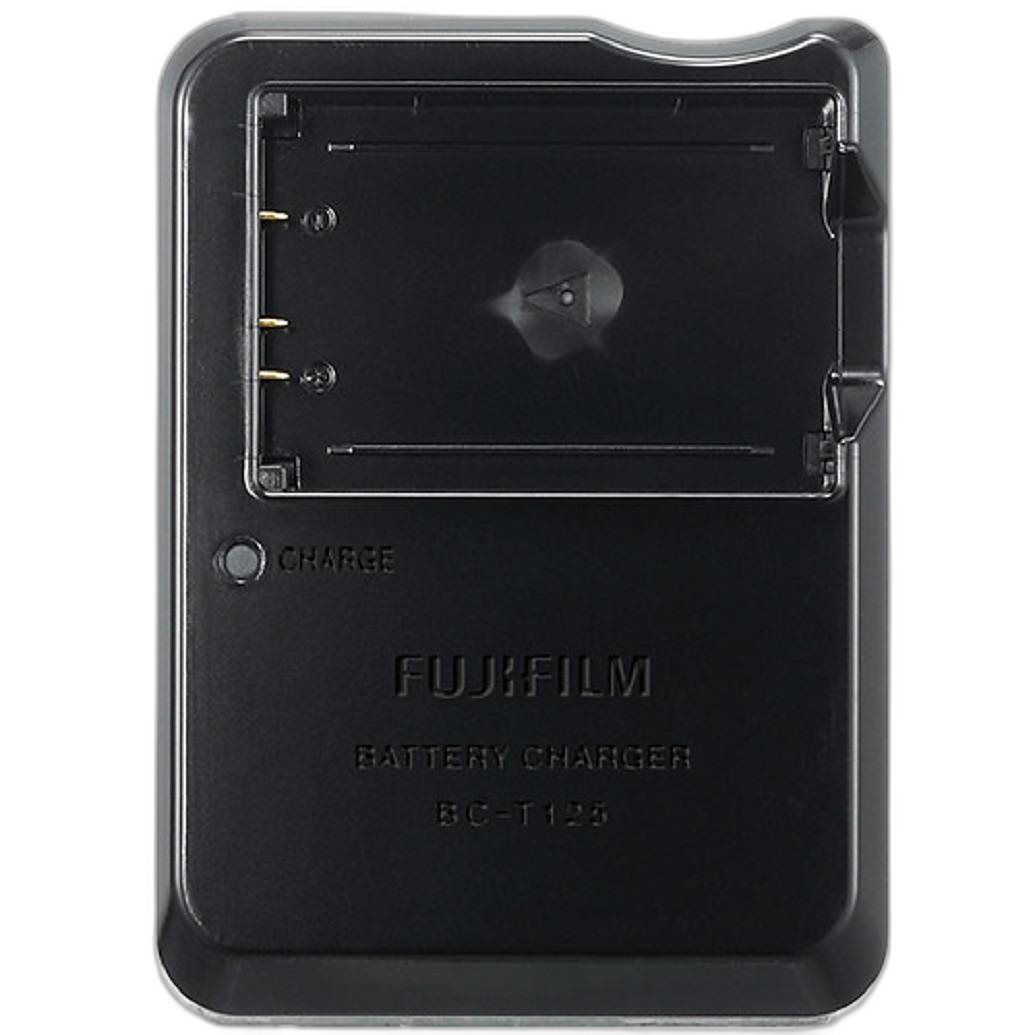
For photographers who enjoy the Fujifilm color philosophy beyond film, building a broader portrait workflow with Fujifilm tools and accessories can also make sense. Even support gear like a reliable charger can matter on long portrait days if you are using a hybrid digital-and-film workflow.
What are some budget-friendly alternatives to premium portrait films?
If premium portrait stocks are stretching your budget, there are still good options. Kodak Gold 200 is a common choice for photographers who want warm color and a classic consumer-film look at a more approachable price. Kodak Ultramax 400 can also work well for portraits, especially outdoors, though it is usually punchier and less subtle than Portra. Fujifilm consumer color films, when available, can also deliver pleasing results for casual portraits with a slightly different color bias.
Budget portrait film choices usually involve tradeoffs. You may see more contrast, stronger saturation, or less refined grain than you would with premium emulsions. That does not make them worse; it simply means the look is more stylized and often more nostalgic. For environmental portraits, family snapshots, and lifestyle sessions, those characteristics can actually be a benefit.
If you are working with affordable film, technique becomes even more important. Good light, careful metering, and a lens that renders faces attractively will do more for your portraits than simply choosing the most expensive stock available.
Is 35mm film still a good format for portraits, or should I use medium format instead?
35mm remains an excellent portrait format, especially if you value portability, lower cost per frame, and faster shooting. It is ideal for candid portraiture, documentary-style sessions, and photographers who want to shoot more freely without the expense of larger film formats. A 35mm setup also gives you access to a wide range of compact cameras and lenses that keep portrait sessions comfortable and unobtrusive.
Medium format can offer smoother tonality and a different rendering style, but 35mm is more than capable of beautiful portrait results when paired with the right film and lens. A classic 35mm focal length can be especially useful for environmental portraits, where you want to include some context around the subject. Vintage options such as a used Fujinon 35mm lens can appeal to photographers who enjoy older rendering characteristics and a more character-driven look in their portrait work.
Do expired films work well for portraits?
Expired film can be interesting, but it is usually not the first recommendation for portraits where skin tone accuracy matters. As film ages, color shifts, loss of sensitivity, increased grain, and unpredictable contrast can all become factors. Those changes may produce a unique mood, but they can also create green, magenta, or muddy skin tones that are difficult to correct in scanning or printing.
If you want to experiment, expired film is best treated as a creative effect rather than a dependable portrait solution. Well-stored expired stock may still perform reasonably, especially if refrigerated or frozen throughout its life, but there is no guarantee. For paid work, family portraits, or once-in-a-lifetime sessions, fresh film is the safer choice. For personal projects, test a roll first before committing to an important shoot.
A good rule is to reserve expired film for portraits where unpredictability is part of the concept. If your goal is flattering, consistent skin color, fresh color negative film is the better tool.
How should I expose portrait film for the best skin tones?
Most color negative portrait films respond well to slight overexposure, particularly if you are scanning the negatives. Rating a 400-speed film at EI 200 or 320 can help produce denser negatives, smoother shadows, and a softer overall rendering. That approach is especially common with portrait-oriented stocks because it supports a luminous look in skin without the brittle highlights that can come from underexposure.
The key is to protect skin in the midtones and avoid deep, empty shadows on the face. In outdoor portraits, open shade or backlit conditions often work beautifully with color negative film. Indoors, window light can provide a similar softness. If your camera meters inconsistently or your scene has difficult contrast, erring on the side of a bit more exposure is usually smarter than underexposing.
Your prints matter too. Once your portraits are developed and scanned, many photographers like to make physical prints to evaluate tone and color more accurately. In a lab or darkroom-oriented workflow, Fujifilm photo paper products can support high-quality output for reviewing portrait work in print form.
What lens or camera setup works best for 35mm film portraits?
For classic head-and-shoulders portraits on 35mm film, many photographers prefer short telephoto focal lengths because they provide flattering perspective and comfortable working distance. However, a 35mm lens can be excellent for environmental portraiture, street portraits, and more intimate compositions where the setting is part of the story.
If you enjoy experimenting with vintage gear, used lenses can add personality to your images through unique contrast and rendering. If you prefer portability and speed, a point-and-shoot 35mm camera can be a simple, effective way to capture authentic portraits without intimidating your subject. The right setup depends less on prestige and more on how you like to work with people in front of the camera.
How can I improve my film portraits beyond just picking a film stock?
Film choice matters, but portrait quality is shaped even more by light, posing, lens selection, and your ability to direct or connect with your subject. Soft directional light, clean backgrounds, and thoughtful composition usually have a bigger impact than switching from one premium stock to another. Consistent metering and a reliable lab or scanning workflow also make a major difference.
For photographers who want to sharpen their portrait technique, hands-on education can be incredibly valuable. Unique Photo regularly offers learning opportunities, including portrait-focused classes and workshops that help photographers improve posing, lighting, and visual storytelling.

What is the best overall recommendation for most portrait photographers shooting 35mm film?
If you want the simplest answer, a fresh roll of Portra 400 is still one of the strongest all-around choices for 35mm portraits. It is forgiving, flattering, and versatile enough for a wide range of faces, lighting conditions, and shooting styles. If you want to save money, Kodak Gold 200 or other consumer color negative films can produce beautiful portraits with a more nostalgic look. If you are drawn to experimentation, expired film can be fun, but it should not be your first option when accurate skin tone is important.
At Unique Photo, we recommend choosing your portrait film based on the look you want first, then building a dependable workflow around your camera, lens, exposure method, and final output. Explore our used film cameras, lenses, printing tools, and educational workshops to create a portrait kit that fits your style, and shop Unique Photo for the gear and guidance to bring your film portraits to life.