Film Photography Metering FAQ: Better Exposures for Negative and Slide Film
Metering film well is less about memorizing one perfect rule and more about understanding how different film stocks respond to light. At Unique Photo, we regularly help photographers refine their exposure technique for color negative, black-and-white, and slide film so they can get more consistent results in the field.
If you have ever wondered whether to protect highlights, open up for shadows, or rely on a handheld meter instead of your camera's internal meter, this FAQ breaks down the fundamentals in practical terms.
How should I meter for highlights versus shadows on negative film?
Negative film is generally very forgiving in the highlights and less forgiving in deep shadows. In practical terms, that means most photographers get better results by making sure the shadow areas they care about receive enough exposure. When a scene has both bright and dark areas, exposing a little more generously often preserves usable shadow detail while the negative still retains highlight information surprisingly well.
A good working method is to meter the most important midtone or shadow area where you want texture and detail, then expose accordingly. If your meter is averaging the entire scene and the subject is surrounded by very bright tones, the reading may underexpose the film. In those situations, adding exposure compensation or taking a more selective reading can help. This is especially important with backlit portraits, shaded subjects against bright skies, or interiors with windows.
Once you start evaluating your negatives and prints, you will notice patterns in how your preferred film stock responds. Printing and reviewing your work carefully is part of improving your metering judgment, which is why many film photographers continue to value darkroom and output materials from Fujifilm for assessing tonal range in finished prints.
Do the same metering rules apply to slide film?
No. Slide film has a much narrower exposure latitude than negative film, so precision matters far more. While negative film often tolerates modest overexposure, slide film tends to punish overexposed highlights very quickly. That means you usually want to meter carefully for the brightest important areas and avoid letting them blow out.
For outdoor scenes, many photographers take a reading from a bright area that must retain detail, then place exposure conservatively so highlight texture remains intact. If the contrast is extreme, you may need to accept some shadow loss in order to keep the highlights under control. This is one reason transparency film rewards careful technique and consistent testing.
If you are learning how to see tonal relationships in landscape work, hands-on education can be incredibly helpful. Unique Photo classes and workshops can give photographers a stronger foundation in reading light before they commit a roll of film.
Is a handheld light meter better than my camera's internal meter?
Neither is universally better; each has advantages. A camera's internal meter is convenient, fast, and often accurate enough for many everyday scenes. It is especially useful when you are moving quickly, shooting casually, or working with changing light. However, built-in meters are reflective meters, which means they are reading the light bouncing off the scene. Bright snow, dark clothing, or high-contrast backgrounds can all mislead that reading.
A handheld meter can offer more control, particularly if it includes incident metering. Incident readings measure the light falling on the subject rather than the light reflected back to the camera, which often gives a more reliable baseline exposure. This can be very helpful for portraits, still life work, and situations where the subject is lit consistently but the background varies in brightness.
If you are just starting out, it is perfectly reasonable to learn with your camera's internal meter first. The key is understanding when it can be fooled. As your confidence grows, a handheld meter can become a valuable tool for difficult scenes and more deliberate shooting styles.
What exposure compensation usually works best for slide film outdoors?
There is no single compensation setting that works for every slide film, lens, or lighting condition, but conservative exposure is usually the safest approach. In bright outdoor light, many photographers prefer to err slightly on the side of underexposure rather than overexposure because highlight detail on slide film is so easy to lose.
The best approach is to test your specific film stock and camera meter combination. Start by shooting a controlled series in consistent daylight, making frames at the meter's recommendation and then in small increments above and below that exposure. When you review the results, pay attention to clouds, light-toned skin, white clothing, and sunlit surfaces. Those areas will reveal quickly whether your meter tends to place highlights too high.
Keeping notes is invaluable. Over time, you may find that one particular slide film works best at a slight compensation setting in your favorite outdoor conditions. That kind of repeatable testing is what turns metering from guesswork into a dependable workflow.
How do I meter backlit subjects without ruining the exposure?
Backlighting is one of the most common situations where average metering fails. If your subject is in shade or partial shadow and a bright sky or window fills much of the frame, your camera's internal meter may recommend too little exposure for the subject. The result is often a silhouette when you actually wanted visible facial detail or texture.
To handle this, get a reading from the subject area itself if possible, move closer so the subject fills more of the frame, or apply positive exposure compensation. With negative film, giving the subject a little more exposure often produces a better balance because the film can usually hold the bright areas reasonably well. With slide film, you need to be much more cautious, since preserving the highlights may force you to accept a darker subject or use fill light.
Developing an eye for these high-contrast situations is part technical and part creative. If you enjoy field-based learning, travel and storytelling programs can also help sharpen your instincts for working quickly in changing light.
What is the easiest way to meter tricky mixed lighting scenes on film?
Mixed lighting can be difficult because different parts of the scene may have very different brightness levels and color characteristics. Start by deciding what matters most in the frame: skin tone, a sunlit facade, a dark interior, or a bright window. Meter for the area that carries the visual priority of the image, not necessarily the scene average.
For negative film, exposing for the important shadows or midtones often gives you a more printable negative. For slide film, evaluate whether the highlights are critical and protect them first. If the contrast range simply exceeds what the film can hold, consider changing your composition, waiting for softer light, or simplifying the frame.
Workshops focused on landscape and nature imagery can be especially useful here because they teach you to analyze contrast before pressing the shutter. That habit translates directly to stronger film exposure decisions.
Should I trust box speed, or rate my film differently?
Box speed is the manufacturer's recommended starting point, and it is usually the best place to begin. That said, some photographers prefer to rate negative film slightly slower than box speed to give themselves a little more shadow detail, especially when using older cameras or meters that tend to underexpose. With slide film, many stay at box speed unless testing reveals a consistent reason to adjust.
The important thing is consistency. If you change how you rate film, do it deliberately and evaluate the results over multiple rolls rather than a single outing. Exposure decisions, lab processing, scanning, and printing all affect how your final images look. A methodical approach helps you separate meter behavior from film behavior and from post-processing choices.
How can I get more consistent exposure results over time?
Consistency comes from testing, note-taking, and reviewing finished work instead of relying on memory. Shoot the same type of scene in controlled variations. Compare exposures. Look at where highlights hold, where shadows block up, and how your scans or prints respond. This process reveals whether your habits are helping or hurting your results.
Books and educational resources can also accelerate that learning curve by giving you a stronger technical framework for exposure and tonal control. While many guides focus on digital cameras, the foundational ideas about light, metering, and scene contrast are still highly relevant to film photographers.
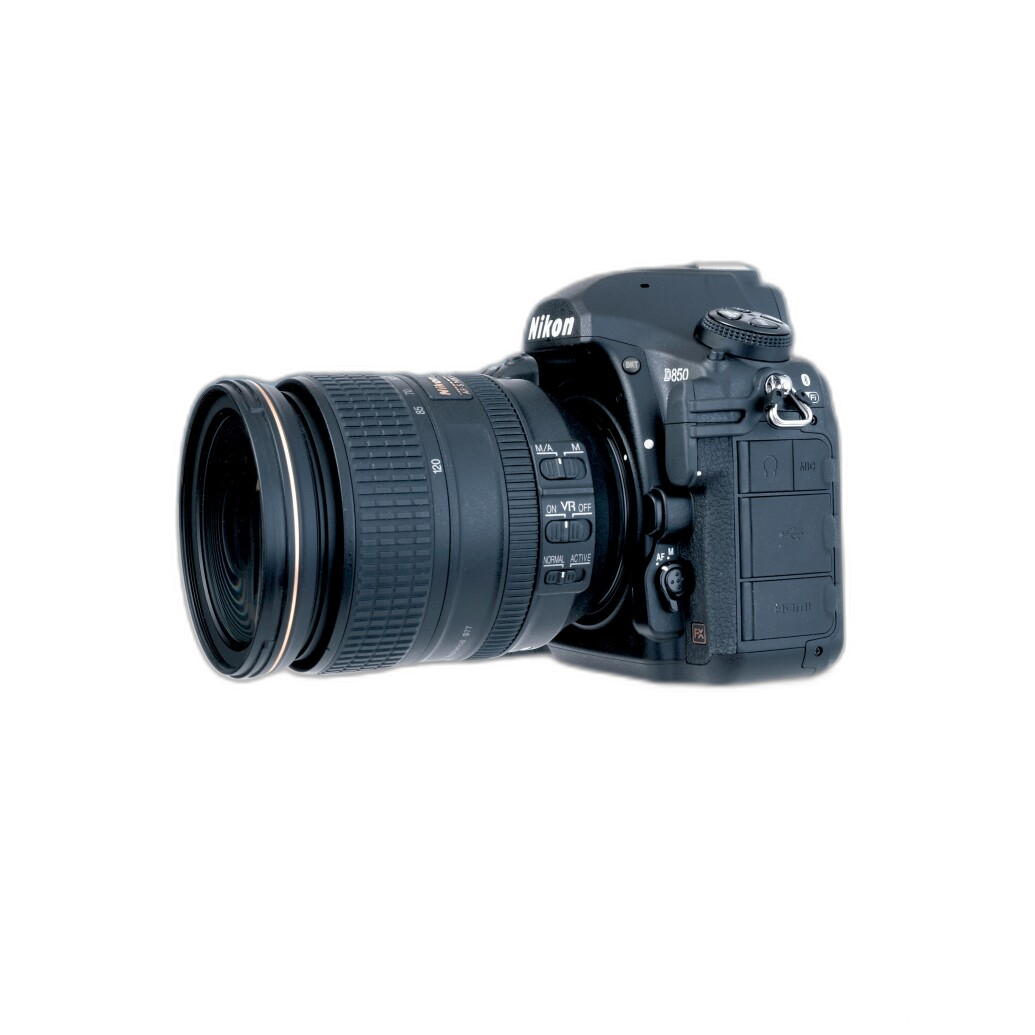
The more intentionally you study your exposures, the more reliable your instincts become in the field.
What matters more: perfect metering technique or understanding the film's latitude?
Both matter, but understanding latitude often makes metering technique easier to apply. If you know negative film can usually tolerate extra exposure better than deep underexposure, your choices become more confident. If you know slide film demands precision in highlights, you will meter with much more care in bright outdoor scenes.
Metering is not only about getting a technically correct exposure. It is also about deciding which parts of the scene deserve priority. That judgment improves with practice, feedback, and thoughtful review of your negatives, scans, and prints.
At Unique Photo, we are here to help you build that confidence with educational opportunities, printing and darkroom supplies, and expert guidance for every stage of your film workflow. Explore our classes, imaging products, and photography resources to sharpen your technique and get more from every roll.