Introduction: Treat Photography Contests Like an Investment, Not a Lottery Ticket
Photography contests can be valuable, but only when you enter the right ones for the right reasons. Some are excellent for exposure, portfolio building, feedback, and networking. Others are little more than expensive entry-fee funnels with vague judging, weak promotion, and questionable rights policies. If you approach contests the way you would any other photography purchase, as an investment of money, time, and creative energy, it becomes much easier to decide which are actually worth entering.
In this review-style guide, I am looking at free versus paid photography contests from a practical photographer’s perspective: what you get, what you risk, and where each type makes sense. For photographers building a stronger contest-ready portfolio, educational resources and workshops can often improve your results more than simply submitting to more competitions. That is why contest strategy should go hand in hand with sharpening technique, editing, and presentation.
If you are preparing images for competitive submission, learning environments like Unique Photo classes can be especially helpful. Workshops focused on landscape, macro, post-production, storytelling, and genre-specific shooting can help you create stronger entries before spending heavily on submission fees.
Free Photography Contests: Best for Exposure, Practice, and Emerging Photographers
Free photography contests are often the most sensible place to start. They remove the financial barrier, making them ideal for students, hobbyists, and photographers who are still figuring out their visual identity. The best free contests offer one or more of the following: reputable judges, meaningful visibility, category diversity, and clear rights language.
That said, free contests vary widely in quality. A worthwhile free contest should have transparent rules, a recognizable organizer, and a reasonable explanation of how winners will be promoted. If the organizer gains broad commercial usage rights over every submitted image without compensation, even a free contest may not be worth your time.
Why Free Contests Are Worth Entering
Free contests are useful when your goal is to:
- Test how your images perform competitively
- Build confidence and submission discipline
- Gain modest exposure without financial risk
- Experiment with niche genres and themes
- Strengthen your CV or artist bio with shortlist mentions
They are also ideal for photographers developing category-specific work such as landscape, documentary, astrophotography, film, or product imagery.
When Free Contests Are Not Worth It
A free contest is less attractive if it has poor branding, no visible judging panel, no examples of past winners, or broad image usage clauses. If there is no indication that selected work will actually be seen by a meaningful audience, the contest may function more as content collection than artist promotion.
Paid Photography Contests: Worth It Only When Prestige, Judging, and Promotion Are Real
Paid contests can absolutely be worthwhile, but the standard should be much higher. If you are paying entry fees, you should expect some combination of prestige, respected jurors, excellent exposure, exhibition opportunities, publication, networking value, or meaningful prizes. A fee alone does not make a contest legitimate, and a large prize pool does not automatically make it a smart investment.
The best paid contests are often those run by established publications, museums, galleries, nonprofits, camera brands, or long-running international organizations. Their value lies not just in winning, but in being selected, shortlisted, or even judged in a credible field.
What Makes a Paid Contest Worth the Fee
Before entering, ask these questions:
- Is the organizer reputable and established?
- Are the judges named and respected?
- Are rights limited to contest promotion, or are they overly broad?
- Does the contest provide press, exhibition, publication, or networking value?
- Are category definitions clear and relevant to your work?
- Is the total cost reasonable if you submit multiple images?
If the answer to most of these is yes, a paid contest may be a strong strategic choice. If not, your money may be better spent on printing, education, or portfolio development.
Key Feature Review: What Actually Improves Your Odds in Contests
1. Stronger Editing Often Matters More Than New Gear
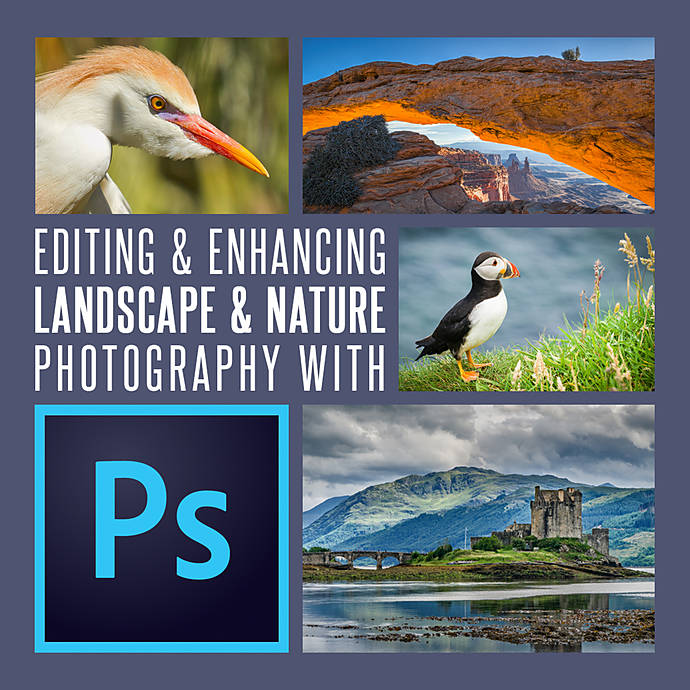
Many photographers assume contests are won in the field, but the editing stage is often where entries become competitive. Image sequencing, tonal restraint, color consistency, crop decisions, and output sharpening all affect whether a photo feels polished enough for judging. A workshop like Editing and Enhancing Landscape and Nature Photography with Photoshop can be more valuable than entering several weakly prepared paid contests.
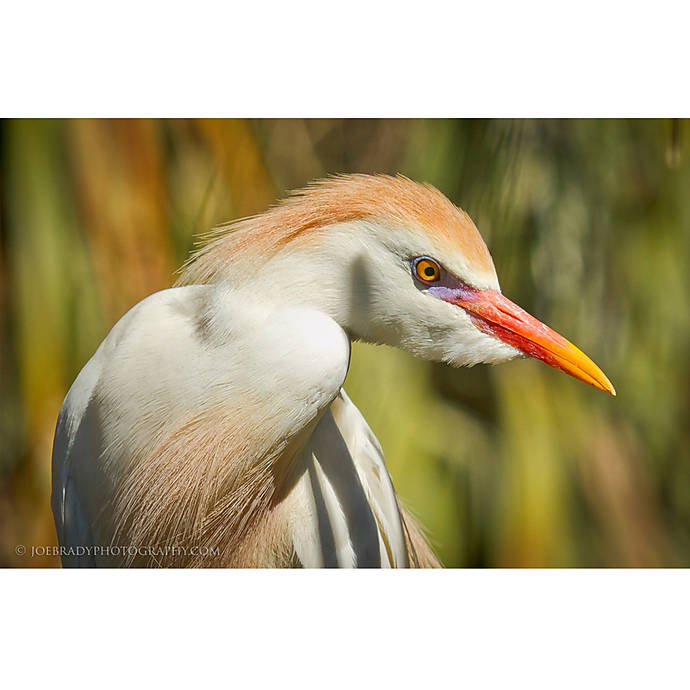
For landscape and nature contests especially, judges often respond to files that are dramatic but still believable. Overprocessed skies, excessive saturation, and heavy-handed HDR can quickly weaken an otherwise strong image.
2. Genre Education Helps You Enter the Right Categories
Contest success is not just about quality; it is also about fit. A beautifully made image can still fail if entered into the wrong category or if it does not align with what judges expect from a genre. Education tailored to a specific photographic discipline can sharpen your understanding of what makes an image successful in that field.
For example, Macro and Landscape Photography at Duke Farms with Michael Downey supports the kind of fieldcraft and composition that can strengthen nature and scenic submissions, while UUOnline: Astrophotography 4-Part Series with Temu Nana is the kind of focused learning that can help astrophotographers create more technically polished entries.

3. Storytelling Gives Paid Contests an Edge
In many reputable paid contests, especially editorial, travel, documentary, and fine-art competitions, storytelling matters as much as raw visual impact. A single striking image can stand out, but a body of work or a photograph with emotional and narrative depth often performs better with serious jurors.
That is why events such as EXPO: Stories from the Road - Photography Across Worlds w. Matthew Borowick are especially relevant to photographers hoping to compete beyond basic beauty-image categories. Learning how to frame a visual story can increase your chances in contests where judges are looking for substance, not just spectacle.

4. Specialty Looks Can Help, but Only If They Support the Image
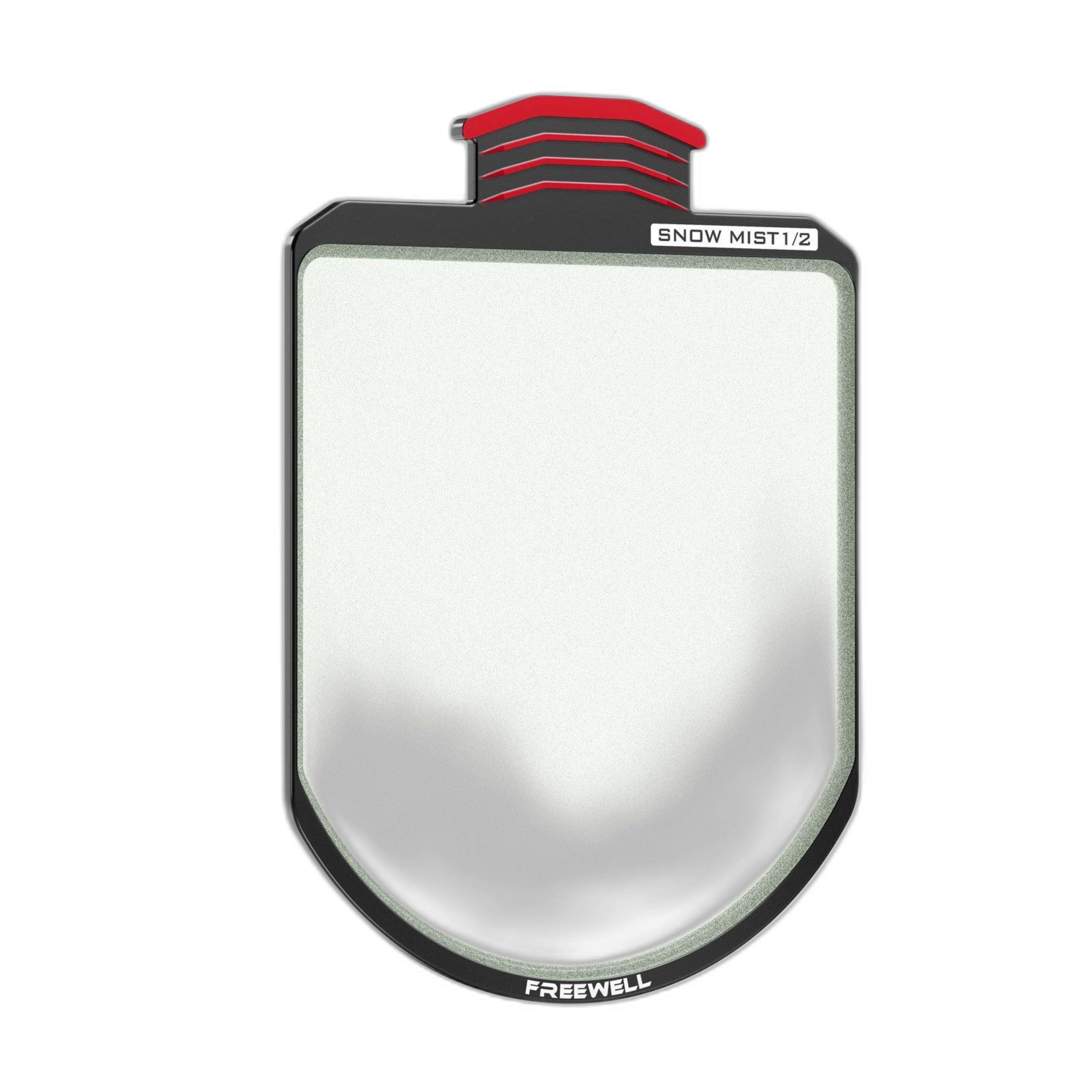
Accessories and stylistic tools can give an image a distinctive edge, but only when used with restraint. A product like the Freewell Snow Mist Diffusion Filter Compatible with K2 Filter Series (1/4) can create a softer, more atmospheric rendering that may suit portrait, cinematic, or moody landscape work. In contests, though, the effect must enhance the image rather than draw attention to itself.
Judges can usually tell when a visual effect is carrying a weak composition. Use stylization as a finishing choice, not a substitute for content.
5. Books and Fundamentals Still Matter
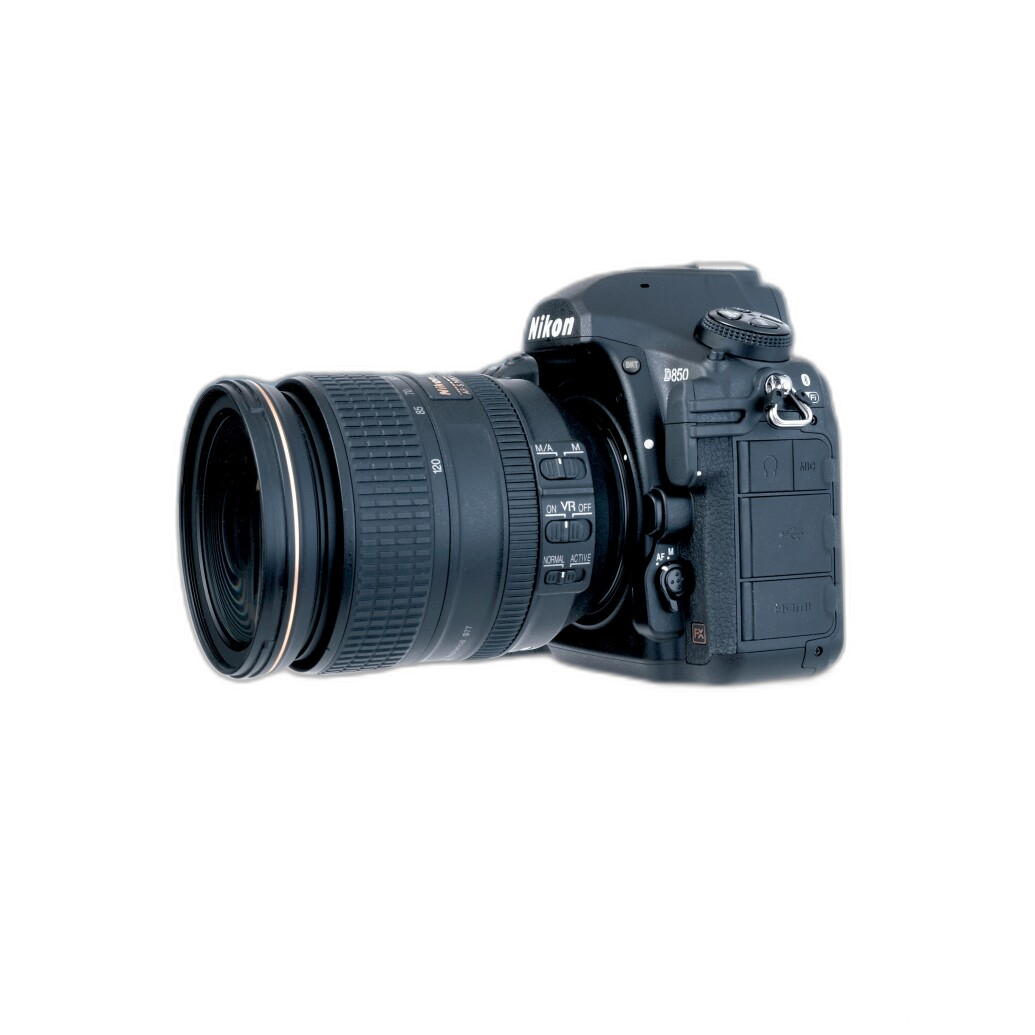
If your contest entries suffer from inconsistent technique, revisiting fundamentals can pay off. A title like Nikon D850 Guide to Digital SLR Photography by David Busch may sound camera-specific, but resources like this are often useful reminders about exposure, control, workflow, and maximizing image quality from your equipment. Contest judges may not know what camera you used, but they will notice clean files, dynamic range control, and sharpness where it matters.
How to Decide if a Contest Is Worth Entering
Here is the simplest framework:
Enter Free Contests When:
- You are early in your photography journey
- You want practice without financial pressure
- You are testing new genres or styles
- The organizer is credible and the rights terms are fair
Enter Paid Contests When:
- The contest has real prestige or exposure value
- The judges are respected in your field
- The promotional or exhibition upside is significant
- Your submission is polished and strategically chosen
- The rights agreement is reasonable
Skip Any Contest When:
- The rights grab is excessive
- The fees are high and the benefits unclear
- The organizer is unknown and poorly presented
- The categories are vague or overloaded
- You are submitting work that is not fully ready
Pros and Cons of Free vs. Paid Photography Contests
Pros
- Free contests are accessible, low-risk, and ideal for learning the submission process
- Paid contests can offer stronger prestige, better judges, and more meaningful exposure
- Both can help build confidence and portfolio direction when chosen carefully
- Shortlists and honorable mentions can still add value even without a win
- Preparing for contests often improves editing discipline and portfolio curation
Cons
- Free contests sometimes offer weak promotion or collect images with limited artist benefit
- Paid contests can become expensive quickly, especially with multiple category entries
- Not all contest organizers are transparent about judging or image rights
- Many photographers enter too broadly instead of targeting appropriate contests
- Frequent submissions without portfolio improvement can waste both time and money
Review Verdict: Which Are Worth Entering?
The best free photography contests are worth entering for practice, visibility, and experience, especially if you are still refining your style or testing how your work performs. The best paid photography contests are worth entering only when they offer credible judging, genuine exposure, and fair terms. In other words: free contests are often the better default, while paid contests should be selective, strategic, and tied to your strongest work.
If you are deciding between paying multiple contest fees or investing in your skills first, the smarter move is often education. Classes, workshops, and creative events can produce stronger images that perform better everywhere, from competitions to client portfolios to gallery submissions. Unique Photo is an excellent place to buy that kind of educational support, from workshops and events to books and accessories that help elevate your photography.
Final recommendation: enter free contests regularly, enter paid contests selectively, read the rights terms every time, and invest in learning before overinvesting in fees. For photographers looking to strengthen their work before competing, Unique Photo is a smart place to start.