Budget-Friendly Gear for Photo Contests: Pro Results on a Starter Setup
You don’t need a flagship camera to place in a major photo contest. Judges reward vision, timing, and craft—things you can control on any budget. Use this FAQ to turn a smartphone or entry-level kit into a contest-ready system, with smart accessory, lighting, and editing choices from Unique Photo.
Can I compete with a smartphone or entry-level camera?
Absolutely. Many winning images come from accessible gear. The keys are clean light, intentional composition, and technically sound files. If you’re using a phone, shoot in RAW/Pro mode when available, keep ISO low, avoid digital zoom, and stabilize on a wall, tripod, or tabletop. Entry-level mirrorless/DSLR shooters should use aperture-priority around f/5.6–f/8 for maximal sharpness, enable highlight warnings, and meter for the brightest important tone. Whether phone or camera, work your scene: vary angles, wait for gesture, and bracket exposures when the light is tricky.
Which budget lenses consistently deliver contest-worthy results?
Affordable primes are your best value. A 35mm or 50mm prime often delivers sharper results, cleaner bokeh, and better low-light performance than most kit zooms. Macro lenses (or extension tubes) elevate detail-rich subjects. If you’re shooting manual-focus vintage glass to save money, add a gear ring for precise focusing and repeatable results—especially helpful for portraits and macro.
For cine-style control on still lenses, consider a fitted gear ring:
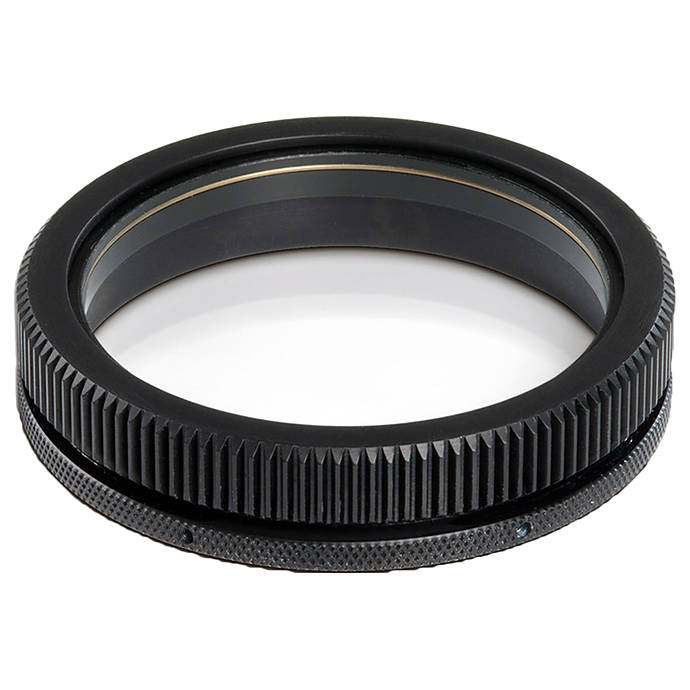 Zeiss Lens Gear - Large adds durable, even gearing to compatible lenses for smooth, precise manual focus on a budget rig.
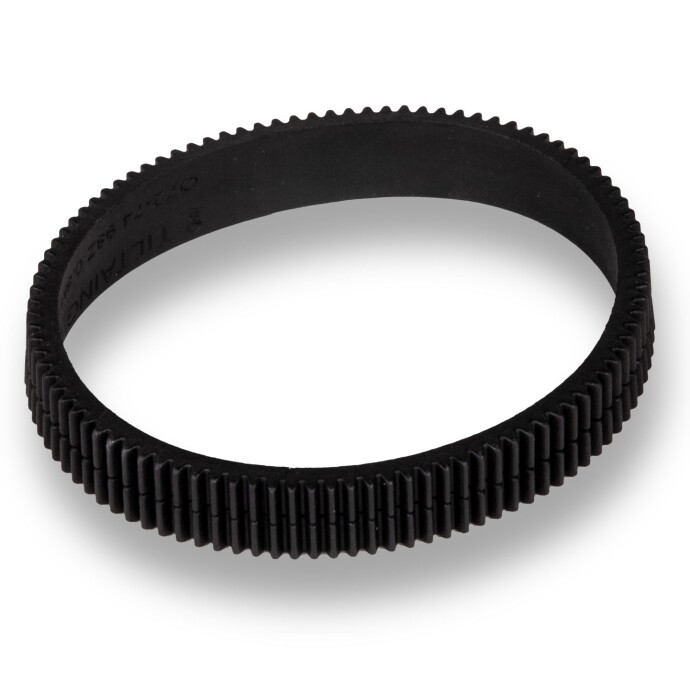 Tilta Seamless Focus Gear Ring (53–55mm) gives you cine-style teeth without gaps—great for adapted primes you’re using to stretch your budget.
How do I get critically sharp focus without expensive bodies or lenses?
Use what you already have more precisely. Activate magnified live view, focus peaking, and a 2-second timer or remote. A stable support (tripod, clamp, or even a beanbag) matters more than gear tier. For repeatable precision—focus stacking, macro, or portraits at wide apertures—add a tactile focus interface so micro-adjustments are consistent.
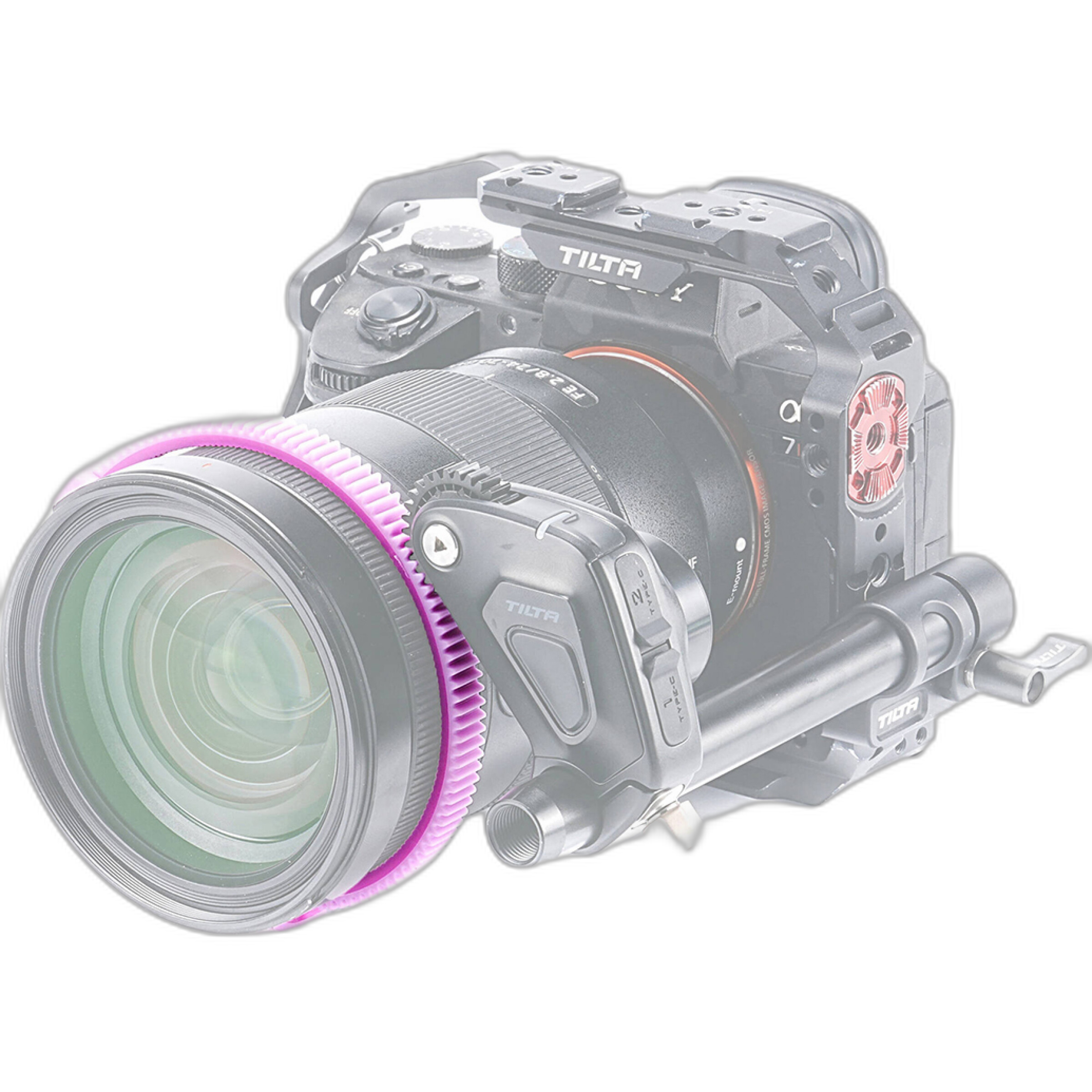
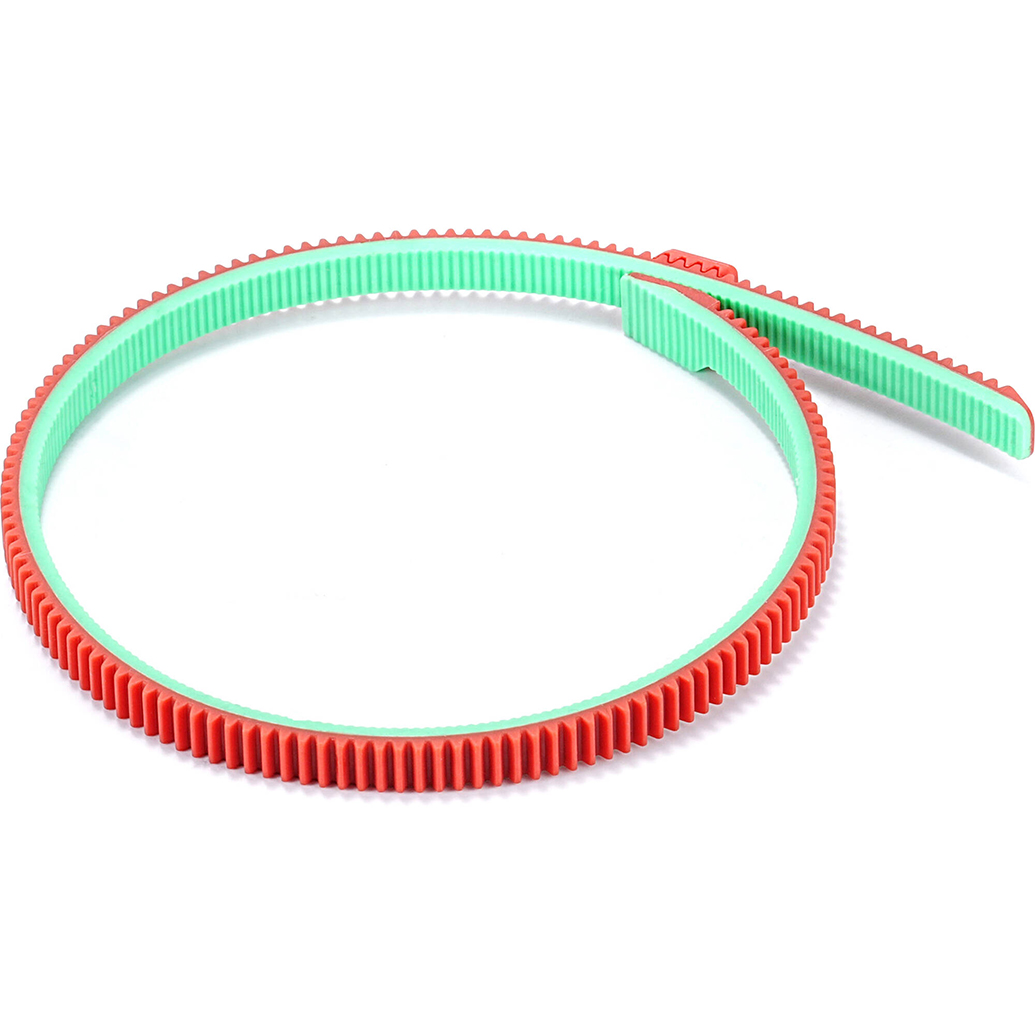 Tilta Universal Focus Gear Ring (Red) wraps most focus rings to provide even, grippy travel and compatibility with follow-focus units.
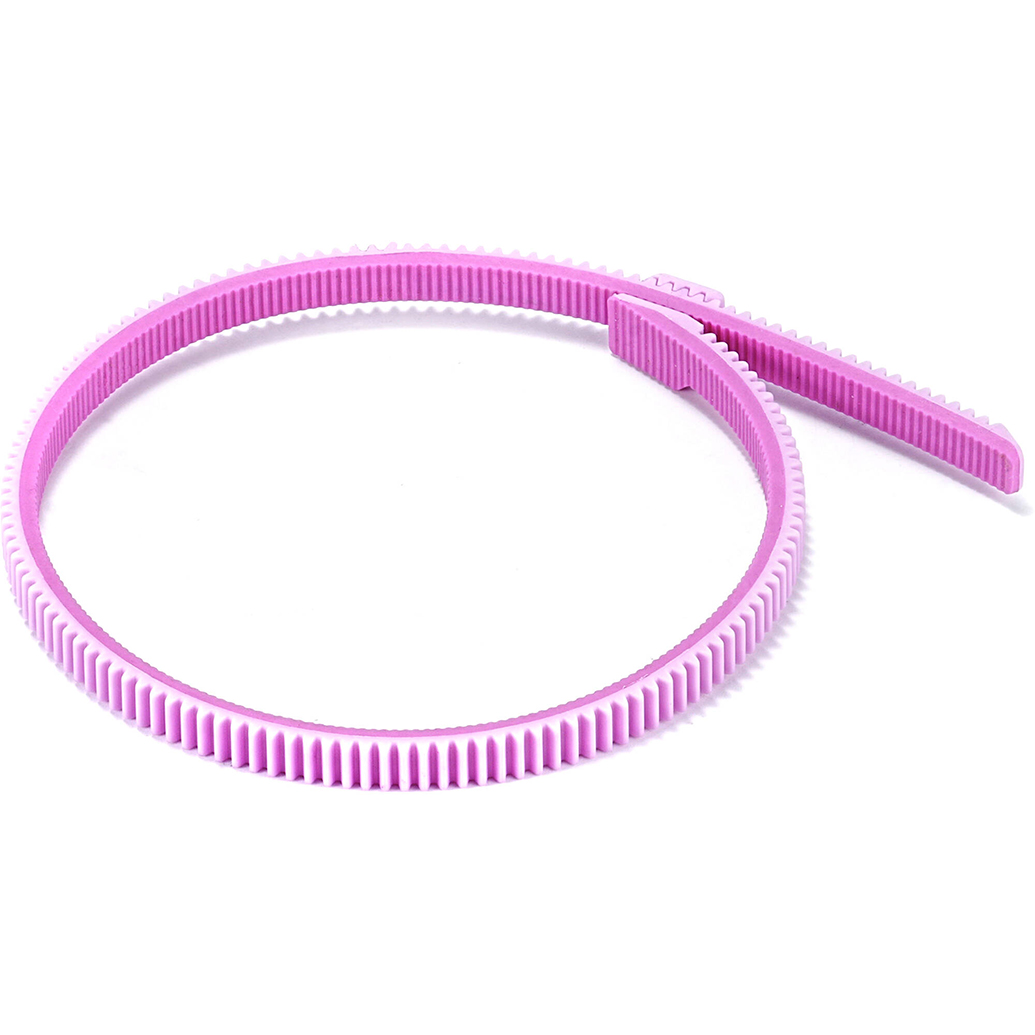 Prefer a different size or color cue? The Pink Universal Focus Gear Ring offers the same control for other lens diameters.
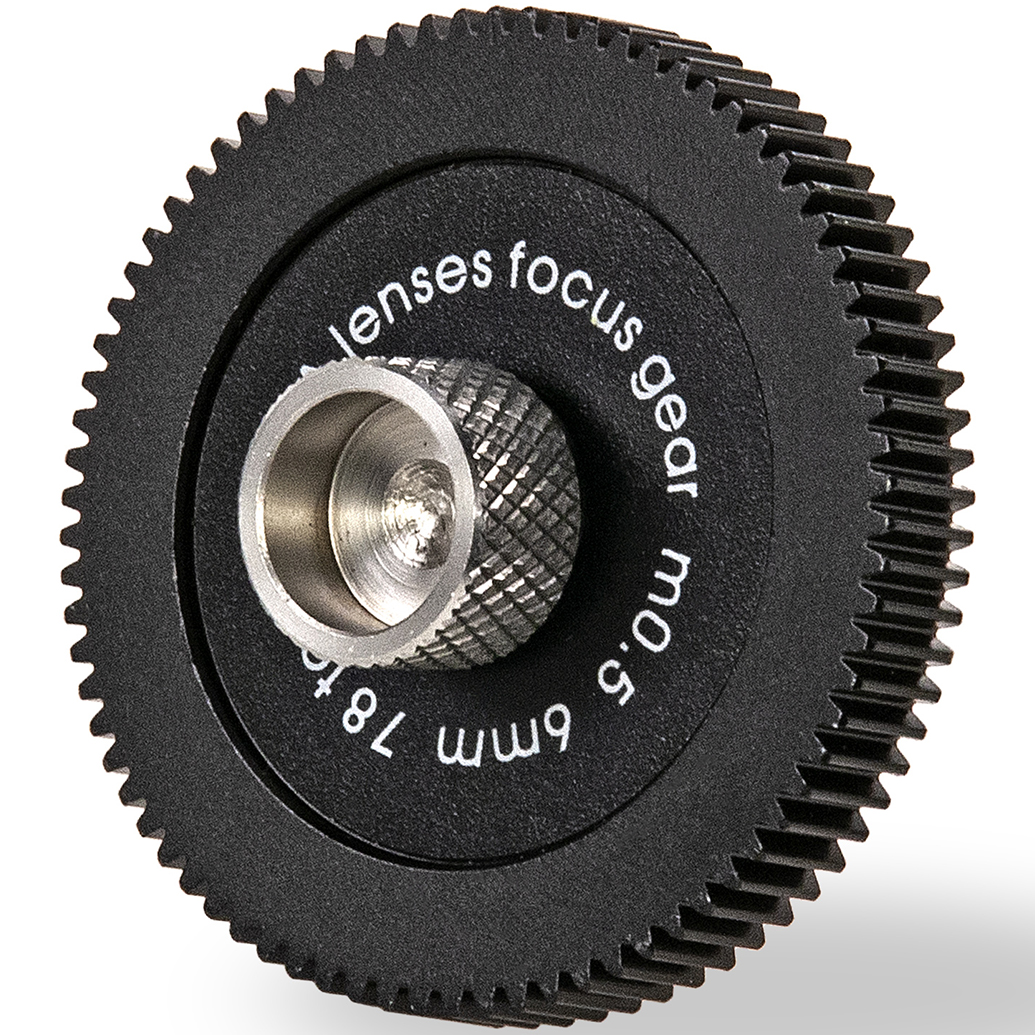 Pair a universal gear ring with a drive gear such as the Tilta Follow Focus Lens Drive Gear for FF-T05 to make tiny, repeatable focus pulls—useful for macro stills or series where consistency counts.
What affordable lighting moves actually make judges notice?
Start with great natural light. North-facing window light and a $20 reflector (or white foam board) can shape faces beautifully. Diffuse midday sun with a translucent shower curtain or sheer fabric. For controlled setups, entry-level speedlights or compact LEDs let you bounce light off walls and ceilings for soft, flattering results. Don’t forget negative fill—using a black card to deepen shadows adds dimensionality that reads as “pro.”
Are there low-cost editing tools judges respect?
Yes. What matters is clean processing, not the price tag. For RAW, consider free options like Darktable, RawTherapee, or your camera maker’s software (e.g., Nikon NX Studio, Canon DPP). On mobile, Lightroom’s affordable plans or free tools like Snapseed are excellent. Keep edits natural: correct color cast, balance contrast, tame highlights, and remove distractions. Export in sRGB unless rules specify otherwise, and avoid heavy noise reduction that smears detail.
How should I export and deliver files to meet contest specs?
Read the rules line by line. Common specs: sRGB JPEG, long edge 2000–4000 px, high-quality compression (80–95), and embedded metadata. DPI is typically irrelevant for digital submissions—pixel dimensions rule. Include accurate captions, keywords, and model/property releases where required. Verify sharpness at 100% and check for artifacts along edges and gradients before submitting.
Any budget-friendly tips for action or drone categories?
For motion, prioritize shutter speed and anticipation—burst mode on entry-level cameras is fine when timing is intentional. If you’re entering drone categories, protect your craft and camera to keep your horizon level and footage steady between launches.
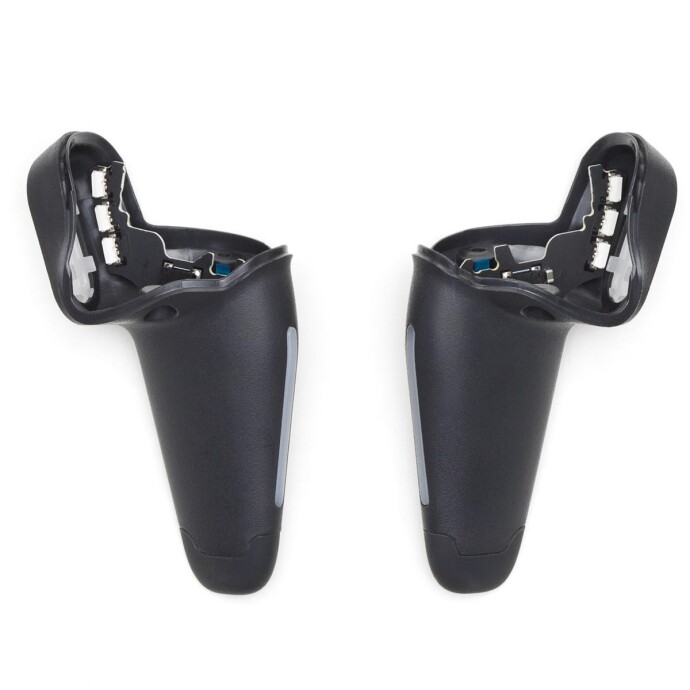 DJI FPV Landing Gear adds clearance and stability during takeoff/landing, helping safeguard your lens and gimbal so you can focus on nailing the shot.
Where can I learn from winners and get feedback without overspending?
Study successful entries, practice with constraints, and seek critique. Unique Photo hosts classes, community events, and gear rentals so you can try before you buy. For inspiration, watch how pros break down winning frames:
 NJ Monthly 2020 Cover Search Contest Winners Reveal—see how standout images were conceived, lit, and refined.
When you’re ready, bring your shortlist of images into the store or chat with us online—our team will help you fine-tune edits, verify specs, and pick any last-mile accessories that elevate your submission.
Ready to compete without overspending? Visit Unique Photo online or in-store. We’ll help you build a lean, contest-ready kit—smart lens choices, precise focusing tools, thoughtful lighting, and efficient editing—so your vision stands out to the judges.