Who this guide is for
If you regularly shoot concerts, night streets, moody portraits, interiors, or run‑and‑gun video, low light can test your skills and gear. This buying guide breaks down the techniques and tools that make dim scenes look clean, sharp, and cinematic—whether you’re building a compact kit or a full lighting setup—available at Unique Photo.
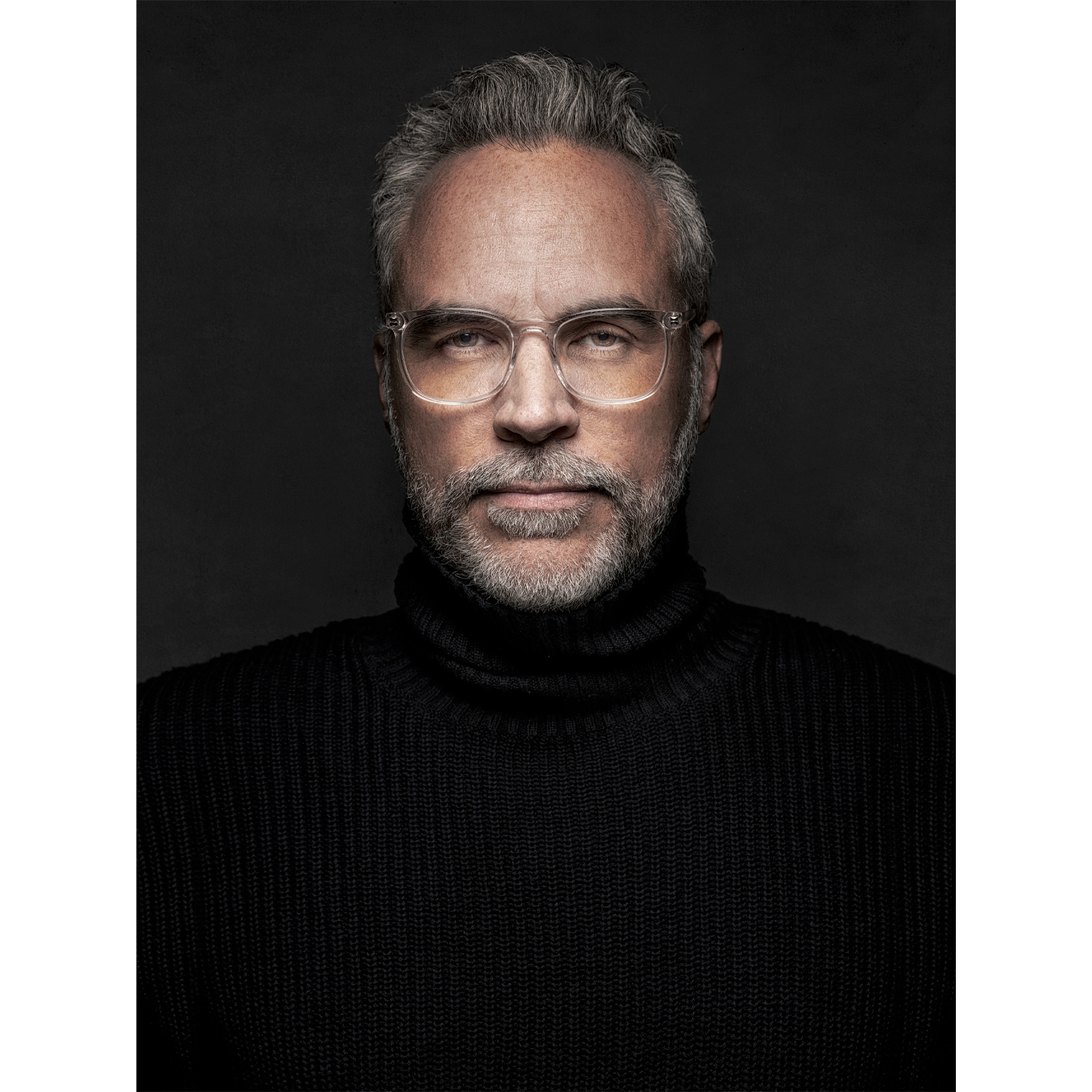
Dial in your camera for low light
- Open the aperture: Use the widest f‑stop you have to gather light and reduce ISO noise.
- Use the right shutter: For stills, keep shutter speed near or above 1/(2× focal length) when handholding; for video, start near 1/48–1/60 for natural motion blur.
- Raise ISO intelligently: Modern sensors handle moderate ISO well. Expose to protect highlights and plan for noise reduction in post.
- Leverage stabilization: IBIS, lens IS, or a rig reduces blur so you can shoot slower shutter speeds.
- Focus with intent: Use AF assist lamps, contrasty edges, or manual focus with magnification/peaking.
- White balance matters: Mixed light is common at night—set Kelvin or custom WB for consistent color.
- Shoot RAW (or Log for video): Maximizes latitude for noise reduction and color grading.
Add light—your best low‑light advantage
Clean, controllable light beats cranking ISO. A compact LED can lift shadows, shape a face, or create separation from a dark background.
Godox Litemons LA300R RGB LED Light 3-Light Kit with Case
An approachable three‑point kit for studio, interviews, or creative color in dark environments. The LA300R units deliver RGB color control for gels‑free looks and effects, making it easy to add mood or match ambient sources.
- Why it’s great in low light: High output class with full RGB lets you add key, fill, and rim while painting the scene’s color.
- Who it’s for: Creators who want a versatile three‑light foundation for controlled setups.
Godox ML60II Bi-Color LED Monolight Kit 2 (Softbox, Grid, Handle, Reflector)
Portable bi‑color heads that pack a punch for their size. This kit adds essential light shaping—softbox, grid, handle, and reflector—so you can soften, focus, or handhold light fast.
- Why it’s great in low light: Compact 60W‑class fixtures slip into small bags and deliver flattering, quiet light where you need it.
- Who it’s for: Solo shooters, wedding and event teams, travelers, and hybrid photo/video creators.
Shape, soften, and learn to light
Controlling light quality matters as much as quantity in the dark. Soft sources reduce harsh speculars and help skin look clean at higher ISOs.
CS: Key Lighting Methods with Mark Raker (Nanlite)
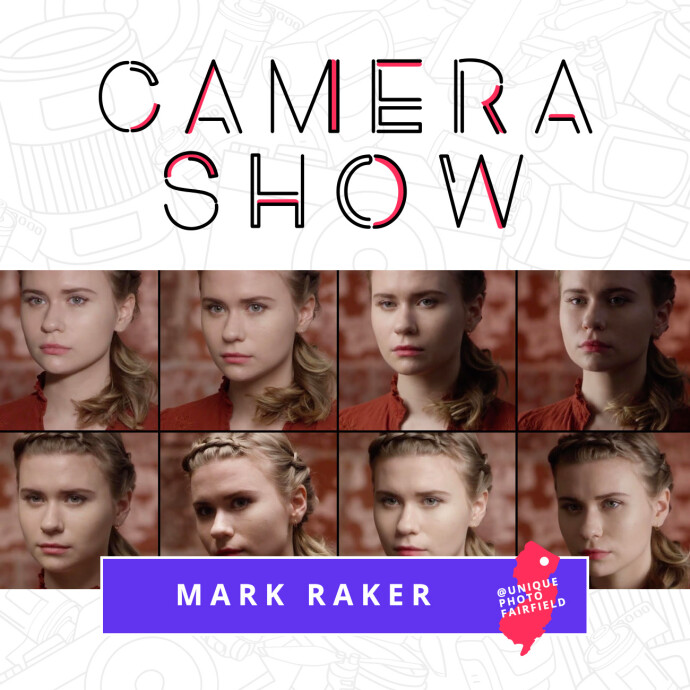
Hands‑on instruction that demystifies key light placement, shaping, and ratios—skills that pay off immediately in low light.
Portrait Lighting Made Easy with Joel Grimes (Westcott)
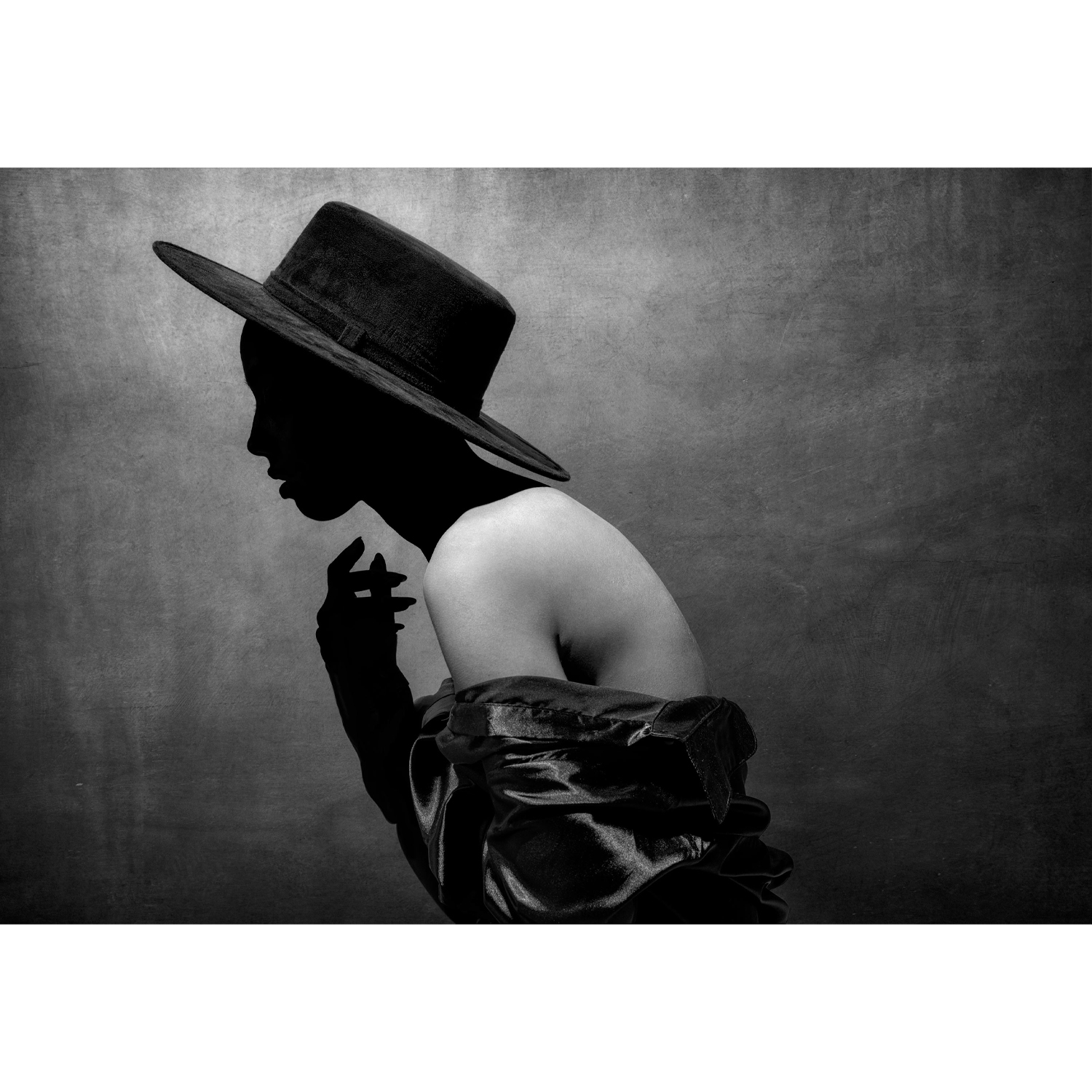
Learn how to build dramatic, low‑key looks quickly and confidently using simple setups—ideal for portraits in dim spaces.
Create low‑light mood with optical filters
Diffusion and glow filters help tame hard point sources and add cinematic halation around highlights without extra lights.
Tiffen 82mm Soft Glow 4 Filter
Ideal for evening cityscapes and concerts—softens micro‑contrast and gently blooms bright highlights for a dreamy, filmic feel.
- Best use: Night portraits, neon‑lit streets, live events.
- Tip: Stop down slightly to balance glow with fine detail.
Tiffen 77mm Golden Glow 2 Filter
Adds a warm, golden tone that flatters skin and sunsets while subtly softening contrast—great for late‑hour portraits.
- Best use: Golden‑hour into blue‑hour transitions, candle‑lit scenes.
- Tip: Set a neutral white balance to preserve the intended warmth.
Stabilize for sharper shots and smoother moves
Support is critical in the dark. Even small movements can blur detail or cause jittery video.
Tilta 10 Lightweight Dovetail Plate (Black)
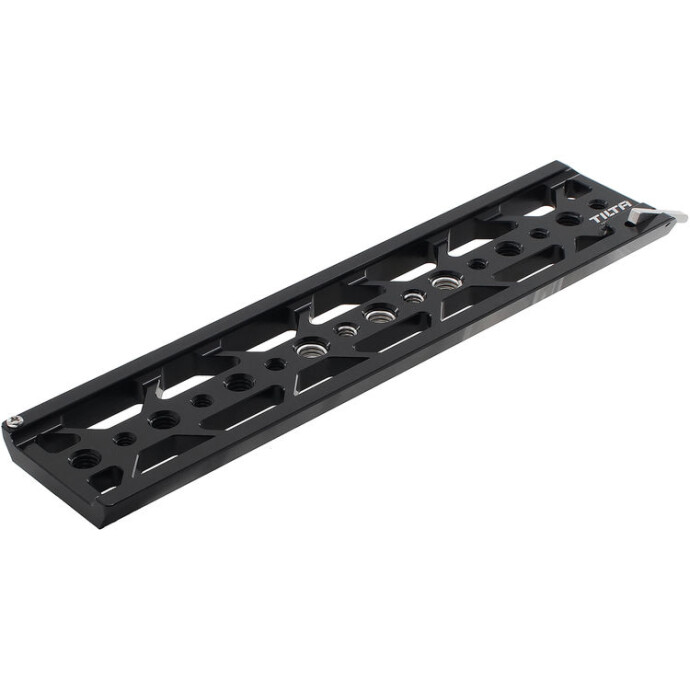
Build a balanced rig that keeps weight over the center of gravity for steadier handheld or shoulder‑mounted work in low light.
- Why it helps: Better balance reduces micro‑shake so you can safely use slower shutter speeds or lower ISOs.
Workflow that keeps up in the dark
Lexar Professional Workflow Dual-Slot SD UHS-II Reader
Fast dual‑slot ingest shortens turnaround after night shoots. Back up on‑site and start noise reduction and grading sooner.
- Tip: Use dual‑dest backups on set—copy to two drives immediately to protect valuable low‑light takes.
Godox low‑light kits compared
| Feature | Godox LA300R RGB 3‑Light Kit | Godox ML60II Bi‑Color Kit 2 |
|---|---|---|
| Output class | Higher‑output studio‑oriented heads | Compact 60W‑class heads |
| Color control | Full RGB for creative color and effects | Bi‑color (tungsten to daylight) |
| Kit contents | Three lights with case for 3‑point setups | Two lights with softbox, grid, handle, reflector |
| Best for | Controlled sets, interviews, narrative, color styling | Travel, events, portraits, quick run‑and‑gun |
| Portability | More pieces; best on stands in a kit | Ultra‑portable; easy to handhold or boom |
Our Pick
Our Pick: Godox ML60II Bi‑Color LED Monolight Kit 2. For most creators working in low light, two portable bi‑color heads with included softbox and grid deliver fast, beautiful results with minimal bulk. Add a small third light or reflector as your kit grows.
Field‑tested low‑light checklist
- Carry a fast prime (f/1.8 or faster) and a compact LED.
- Set manual WB or Kelvin to match ambient/motivated light.
- Use diffusion (softbox, grid) to control spill and contrast.
- Stabilize: tripod/monopod, shoulder rig, or balanced dovetail plate.
- Shoot RAW/Log; expose carefully and protect highlights.
- Pack spare batteries; LEDs and IBIS can drain power faster at night.
- Back up immediately with a fast dual‑slot reader.
Conclusion: Build a low‑light kit with confidence
Nail the fundamentals—exposure, stabilization, and color—then add lighting and creative filters to elevate your look. For most shooters, the Godox ML60II Bi‑Color LED Monolight Kit 2 is the smartest first step; studio‑focused creators will love the creative latitude of the Godox LA300R RGB 3‑Light Kit. Round things out with Tiffen glow filters for style, a stable Tilta base, and a fast Lexar reader for tight turnarounds. Visit Unique Photo online or in‑store to get hands‑on guidance and build the right low‑light kit for your workflow.