Who this guide is for
If you’re filming sit-down interviews, vox pops, or quick corporate spots and you want clear dialogue without overspending, this guide is for you. We’ll compare shotgun mics versus lavaliers in real-world interview scenarios and show you budget-friendly ways to build a reliable audio chain with gear available at Unique Photo.
Shotgun vs. Lavs: The quick take
Both approaches can deliver professional voice clarity, but they shine in different conditions:
- Shotgun mic: Best when you can keep the mic close on a boom just out of frame in a relatively quiet space. You get natural, open sound without a mic on clothing.
- Lavalier (clip-on) mic: Best when the environment is less controlled or your subject moves. The mic stays a consistent distance from the mouth and often rejects room noise better than a distant mic.
On a tight budget, a wired lav into a compact interface can be the most cost-effective way to capture consistent dialog. A shotgun becomes the better investment when you have a quiet room and a camera or recorder that supplies proper phantom power.
Shotgun vs. Lavs: Side-by-side
| Feature | Shotgun Mic | Lavalier Mic |
|---|---|---|
| Typical placement | Boomed just out of frame | Clipped on talent |
| Room noise handling | Good in controlled spaces; suffers in echoey/noisy rooms | Often better in noisy spaces due to closeness |
| Set-up speed | Requires stand/boom and aiming | Fast clip-and-go |
| Clothing noise risk | None | Possible rustle; careful placement required |
| Multi-person interviews | Needs careful mic placement or multiple mics | One lav per person keeps levels consistent |
| Budget pathway | Needs XLR and phantom-capable input for many pro shotguns | Wired lav + compact interface is very affordable |
Budget-friendly interview builds
Simple two-person lav-to-phone or laptop build
Ideal for interviews in active spaces or when you need the quickest setup.
- Plug one or two wired 3.5mm lavaliers into the Rode AI‑Micro.
- Connect the AI‑Micro to your smartphone, tablet, or computer via USB.
- Record into a camera app, DAW, or video platform; monitor with headphones.
Why it works: Each lav stays close to its speaker, minimizing room noise and handling level differences between voices—without a big investment. The AI‑Micro auto-senses TRS/TRRS lavs and provides plug‑in power for most 3.5mm lavs.
Controlled-room shotgun build for camera
Best for sit-down interviews in quieter rooms with a cinematic look.
- Mount the Rode NTG5 on a boom stand just out of frame, pointed at the talent’s chest.
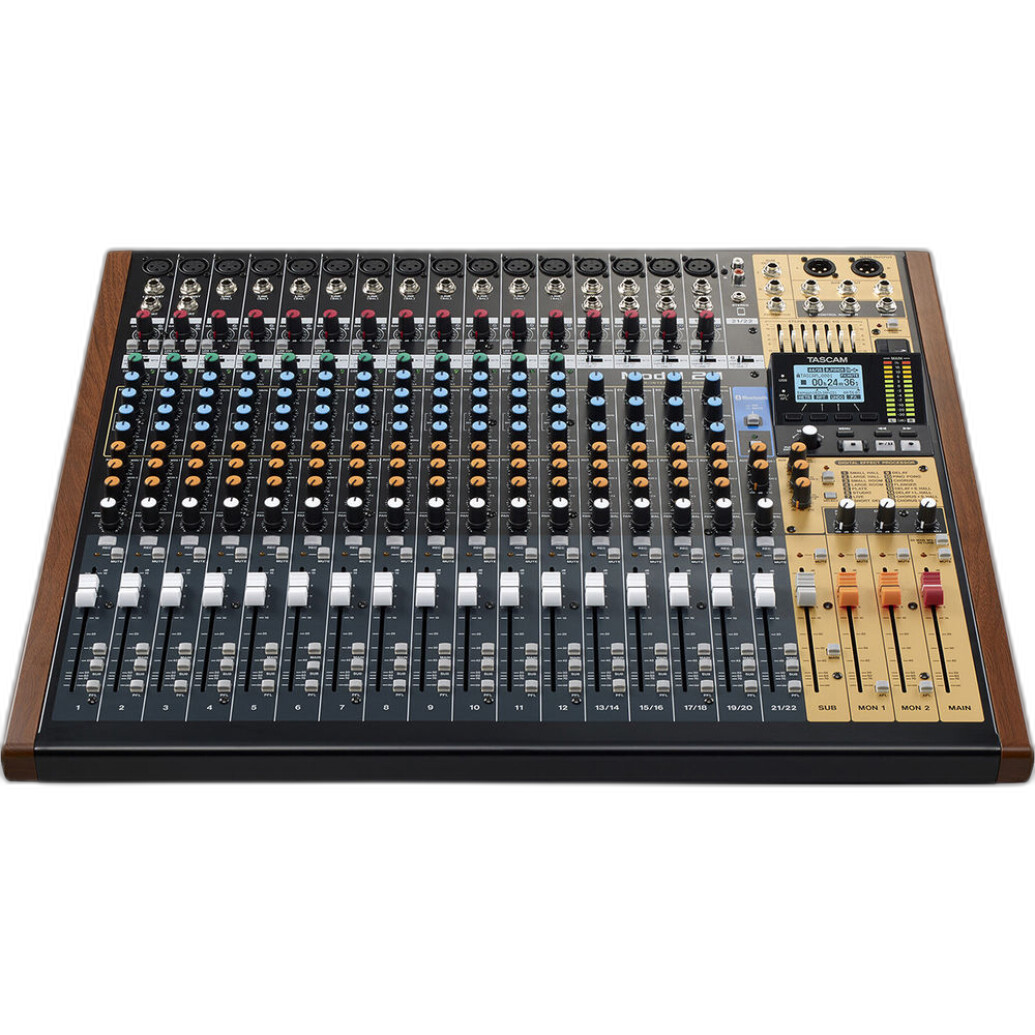
- Feed the mic into a camera XLR module like the Panasonic LUMIX DMW‑XLR2 (for compatible LUMIX bodies) or into a mixer/recorder that can supply 48V phantom power, such as the Tascam Model 24.
- Set conservative input levels and monitor with headphones.
Important: The NTG5 requires 48V phantom power. Do not connect it directly to a 3.5mm camera input with a passive adapter.
Product recommendations
Rode NTG5 Moisture Resistant Shotgun Microphone Location Recording Kit
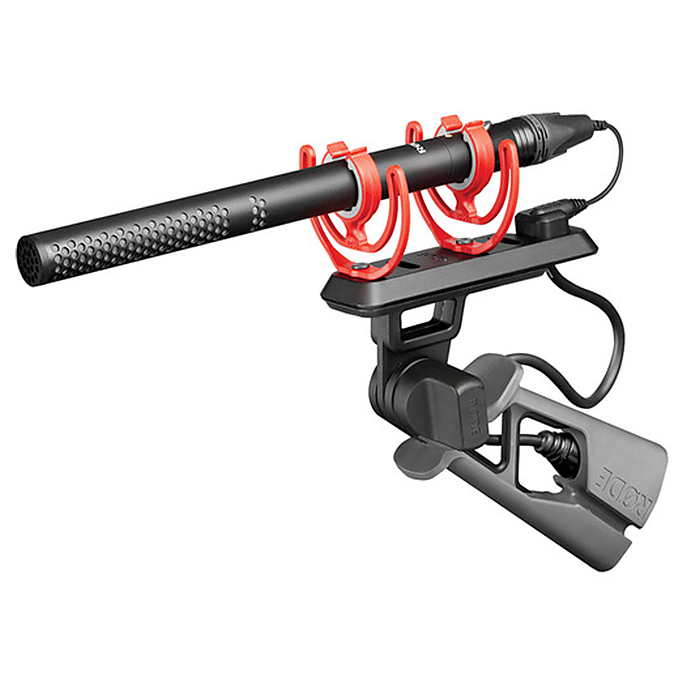
- Lightweight broadcast‑grade shotgun with very low self-noise and excellent off‑axis rejection.
- Moisture resistant for reliability on location.
- Perfect on a boom just out of frame for dialogue clarity in controlled spaces.
- Requires 48V phantom power from a camera XLR module or recorder.
Panasonic LUMIX DMW-XLR2 Audio Expansion Unit
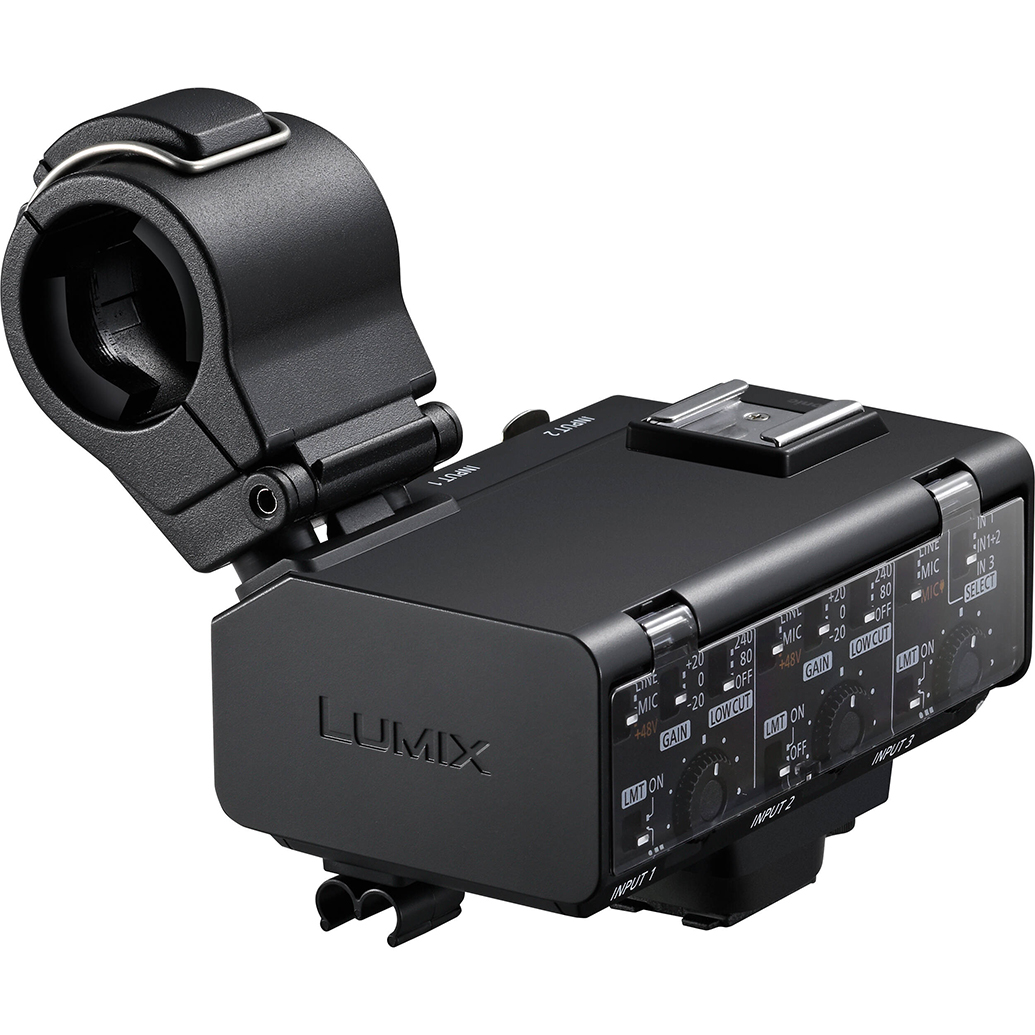
- Adds dual XLR inputs with phantom power and physical controls to compatible LUMIX cameras.
- Clean, camera-integrated workflow for shotgun or handheld XLR mics.
- Great for one‑to‑two mic interview setups straight into the camera.
Rode AI-Micro Ultracompact USB Type-C Audio Interface
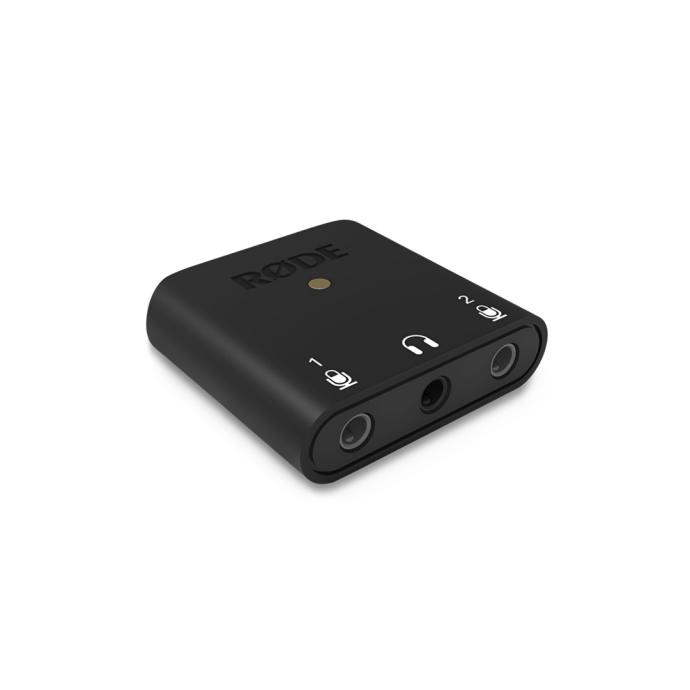
- Two auto‑sensing 3.5mm mic inputs (TRS/TRRS) with plug‑in power—ideal for wired lavs.
- Connects to phones, tablets, and computers for flexible on‑the‑go recording.
- Record two interview subjects to separate channels for easier post.
Tascam Model 24 - Digital Mixer, Recorder, and USB Audio Interface
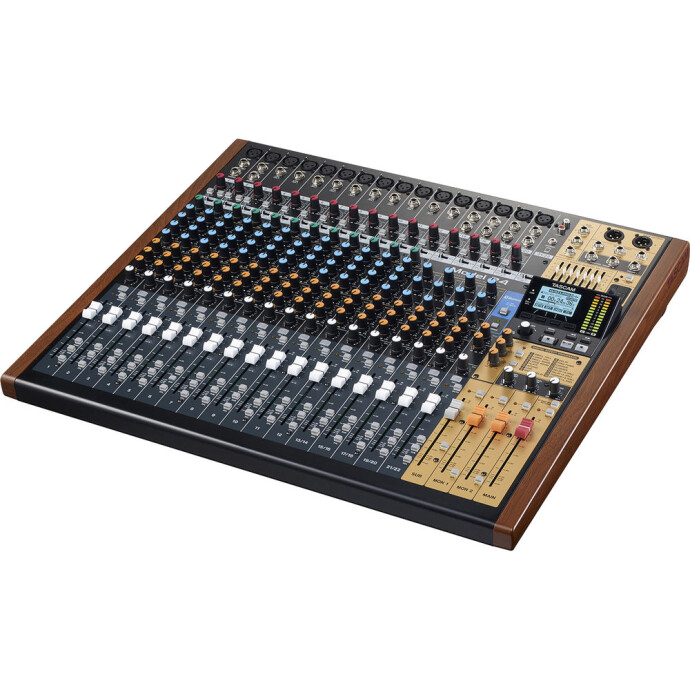
- All‑in‑one solution for multi‑mic interviews or panel discussions.
- Onboard multitrack recorder and USB interface for direct-to-computer capture.
- Mic preamps with phantom power available for condenser/shotgun mics like the NTG5.
Kondor Blue HDMI to USB-C Capture Card for Live Streaming Video and Audio
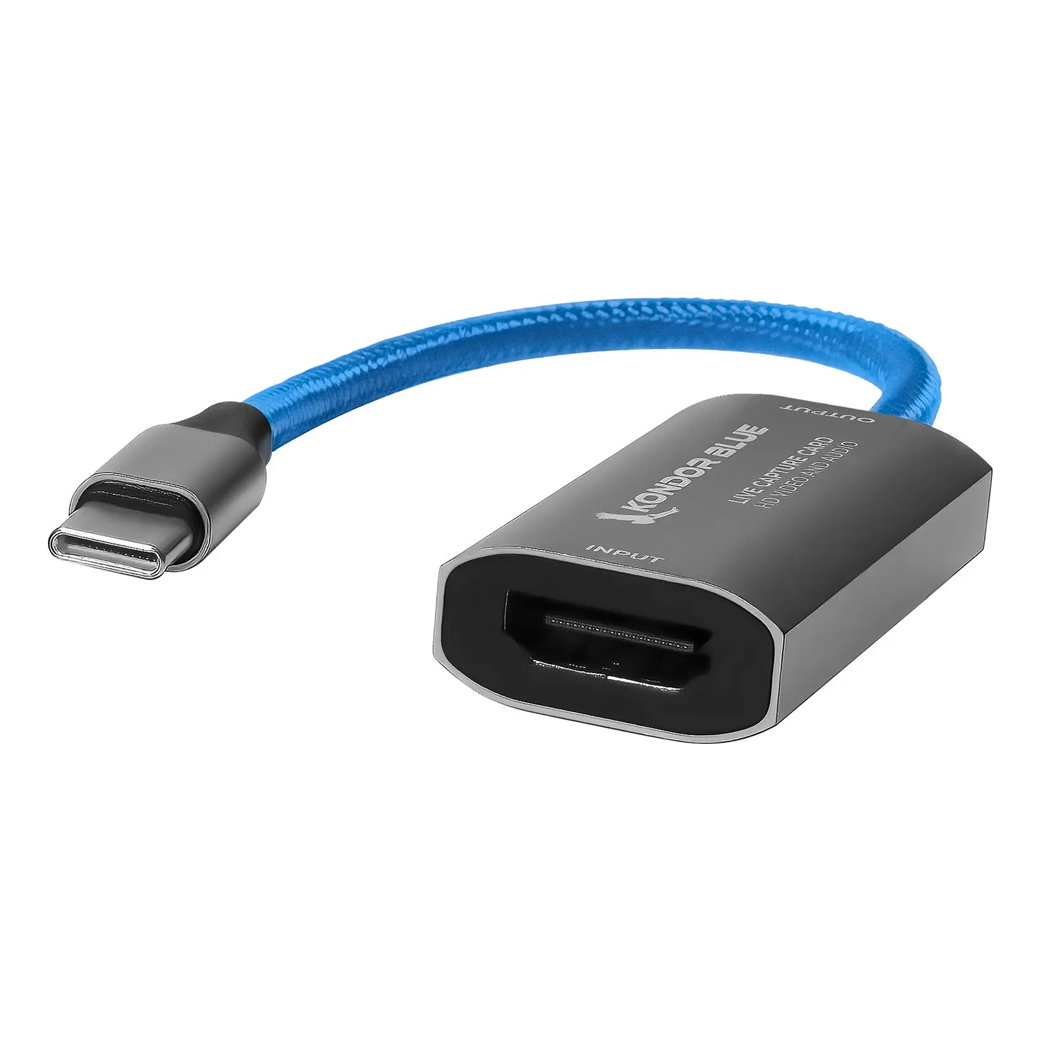
- Bring your camera’s HDMI video and embedded audio into your computer for livestream interviews.
- Slick, compact, and bus‑powered—great for portable rigs.
Kondor Blue Braided Female XLR to 3.5mm TRS Male Audio Cable (17-Inch, Blue)
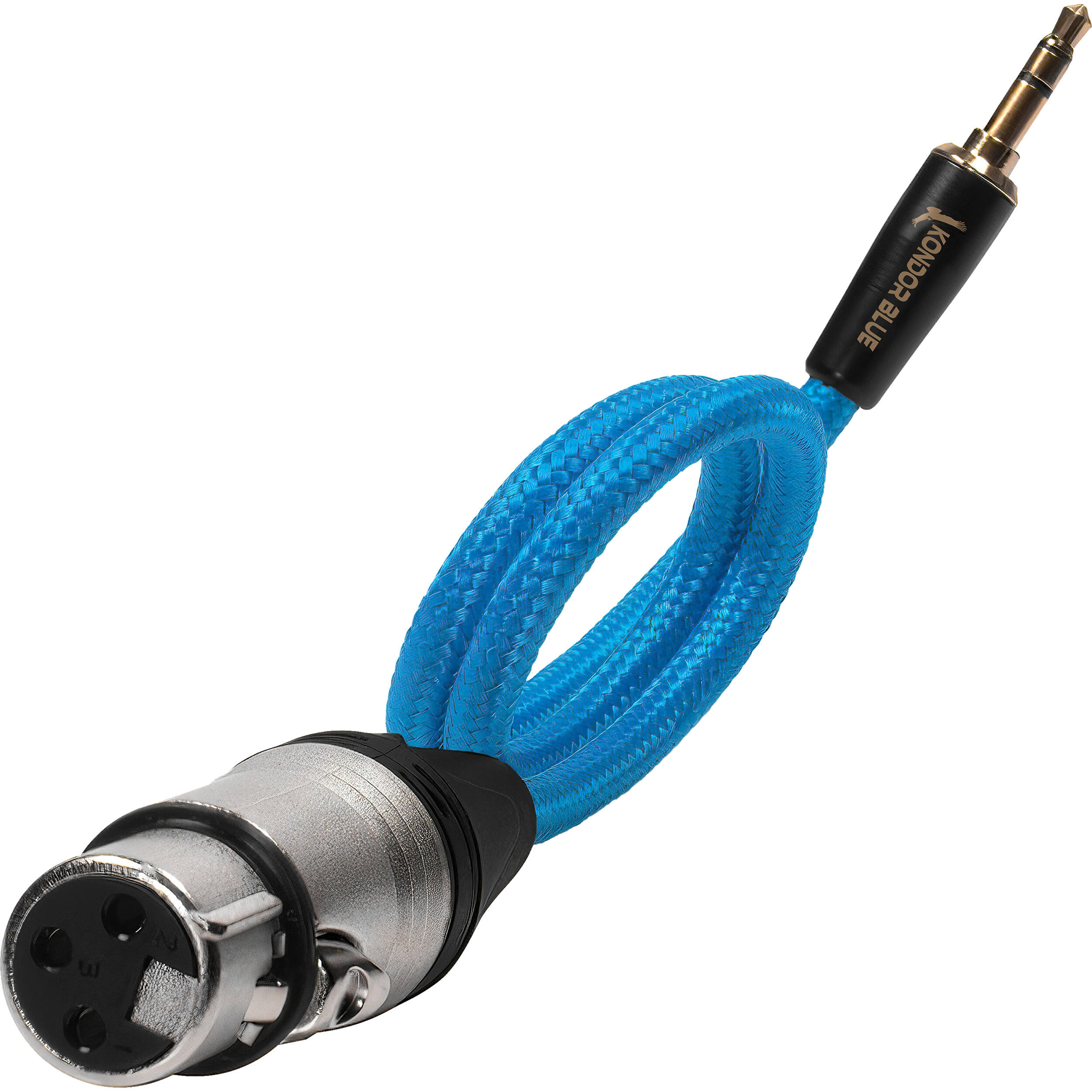
- Adapters an XLR output to a camera’s 3.5mm mic input for self‑powered mics or line‑level sources that do not require phantom power.
- Rugged, short run—ideal for on‑camera use to keep clutter down.
Note: This passive cable will not provide phantom power; it’s not suitable for condenser mics that require 48V (e.g., the NTG5) unless they’re powered upstream.
Hosa Technology Balanced 1/4in TRS Male to 3-Pin XLR Male Audio Cable (10FT)
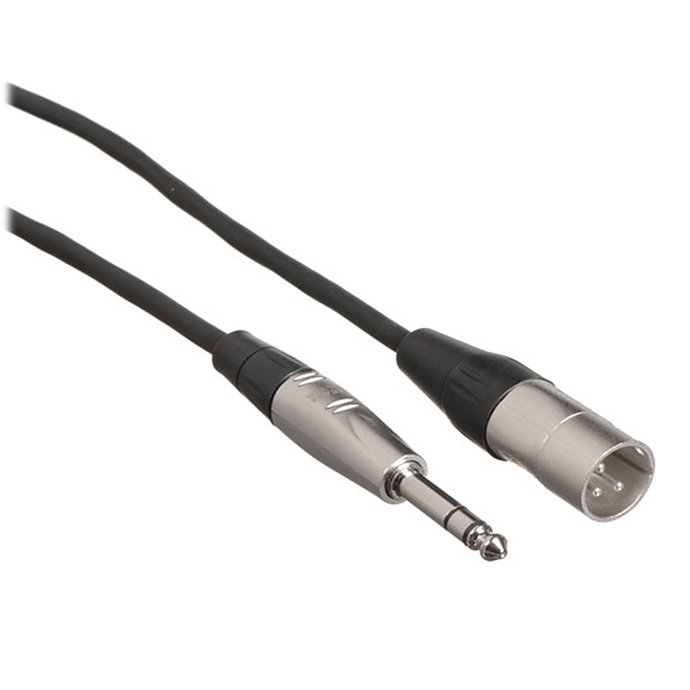
- Useful for sending a balanced line from mixers/interfaces (1/4" TRS out) into XLR inputs on cameras or recorders.
- Handy in multi‑mic setups when feeding a final mix to a secondary recorder or video switcher.
Practical tips to save money (and headaches)
- Mic placement beats gear upgrades: A lav tucked cleanly or a shotgun aimed precisely at chest level will outperform pricier setups used poorly.
- Monitor everything: Always wear headphones and set conservative levels to avoid clipping.
- Record a safety: If your device allows it, record a lower “safety” track to protect against sudden peaks.
Conclusion
If you’re starting out or shooting in lively environments, a wired lav or two into the Rode AI‑Micro is the most budget‑friendly path to clean, consistent dialogue. If you can control the room and have an XLR input with phantom power, the Rode NTG5 delivers a refined, natural sound that feels “in the room.” Whichever path you choose, Unique Photo has the gear and guidance to build a reliable, affordable interview kit. Visit us online or in store to compare options and get hands‑on advice.