Introduction
Choosing the right subject is often just as important as choosing the right camera when entering a photo competition. Some themes consistently stand out because they combine visual impact, emotional connection, technical challenge, and storytelling potential. In this comparison, we look at several of the most competition-friendly photography subjects head-to-head: wildlife and action, portraiture, street/documentary, conceptual/composite work, and formal ID-style portraiture. The goal is to help photographers decide which type of subject best matches their strengths, creative voice, and available gear.
To illustrate the kinds of tools that may support these themes, we’ve also included a few relevant products from Unique Photo’s catalog.
Side-by-Side Comparison
| Subject/Theme | Why It Performs Well in Competitions | Key Strengths | Main Challenge | Best Fit For |
|---|---|---|---|---|
| Wildlife & Action | Delivers drama, timing, and technical difficulty | Peak moments, motion, rarity | Requires speed, patience, and reach | Photographers who excel at timing and field craft |
| Portraiture | Creates instant emotional connection | Expression, lighting, human storytelling | Needs strong subject direction and polish | Photographers with strong people skills |
| Street & Documentary | Feels authentic and culturally relevant | Storytelling, observation, realism | Hard to capture truly unique moments | Photographers with sharp instincts and narrative vision |
| Conceptual & Composite | Stands out through originality and imagination | Creative control, symbolism, visual impact | Can feel overworked if not executed carefully | Artists who like planning and post-production |
| Formal ID/Studio Precision | Showcases technique, consistency, and clean execution | Lighting control, accuracy, professionalism | Less emotionally dramatic than other genres | Photographers focused on technical perfection |
Head-to-Head Analysis
Wildlife and Action vs Portraiture
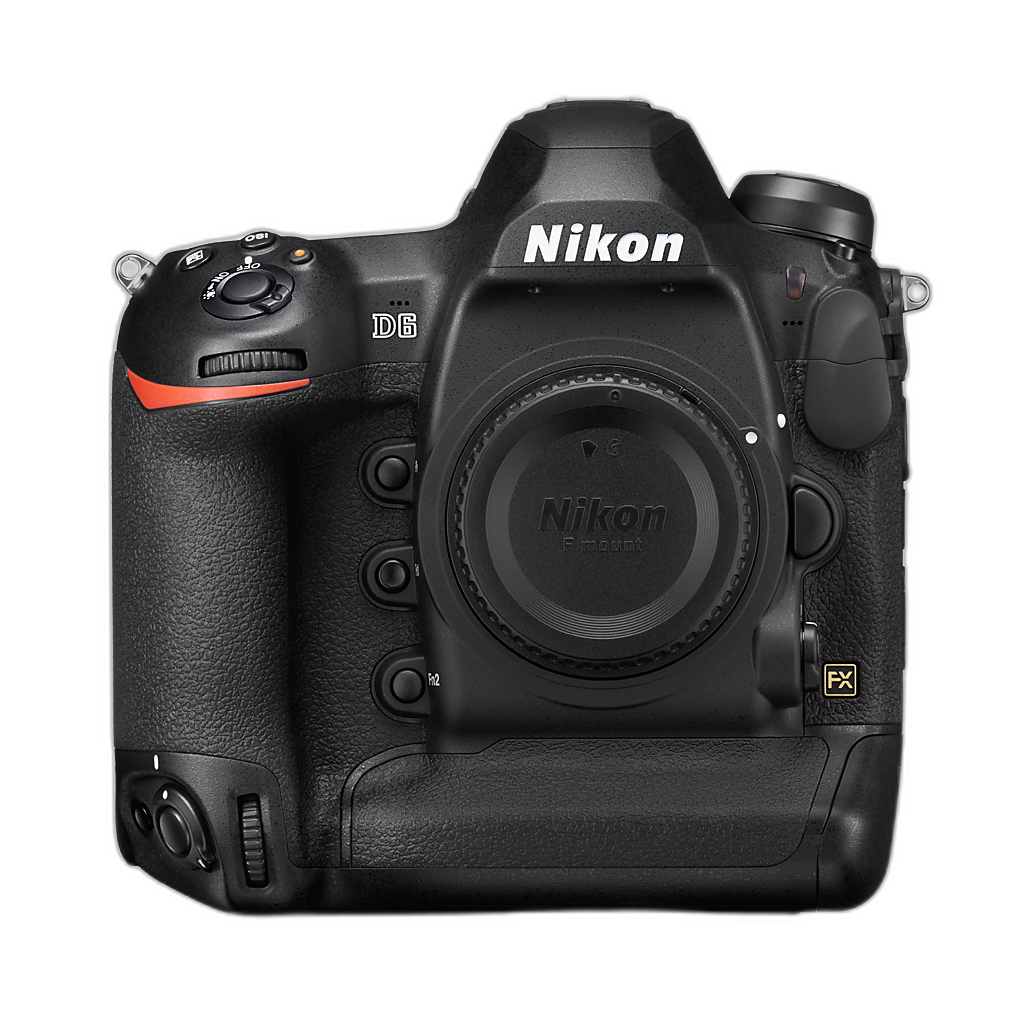
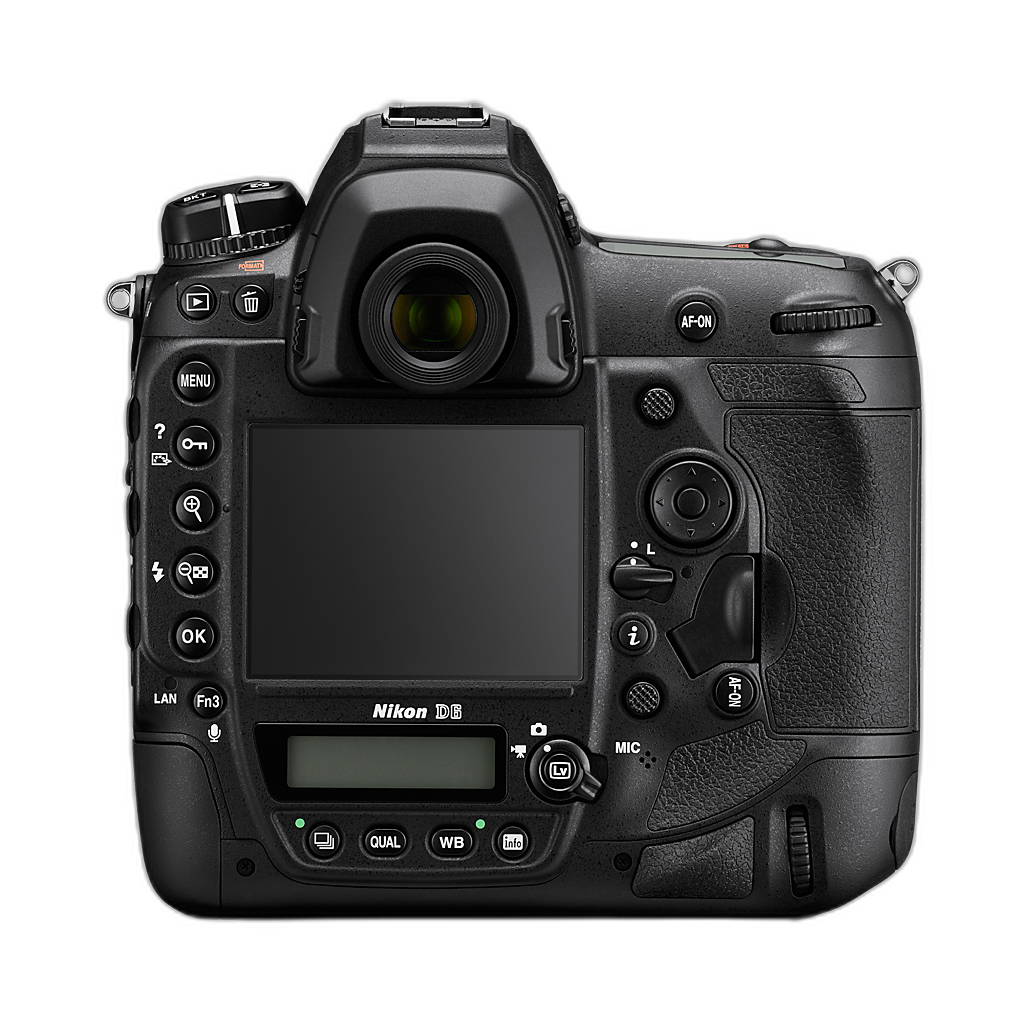
If competition judges are likely to reward decisive moments and technical difficulty, wildlife and action photography has a strong advantage. A fast-moving subject, perfect framing, and split-second timing can create the kind of image that immediately commands attention. Cameras such as the Nikon D6 FX-Format Digital SLR Camera are associated with this kind of demanding shooting, where autofocus performance and responsiveness matter.
Portraiture, however, often has broader appeal because it connects emotionally right away. A powerful face, expressive eyes, or subtle gesture can outperform a technically impressive action shot if the portrait tells a stronger story. Portraits also allow more control over lighting, styling, and composition, which can be a major advantage when building a competition-ready image.
Winner: Portraiture for emotional range; wildlife and action for impact and difficulty.
Portraiture vs Street and Documentary
Portraiture is usually more controlled, while street and documentary photography depends on observation and authenticity. In competitions, documentary-style images can feel more honest and socially meaningful, especially if they reveal a place, community, or issue in a compelling way. The downside is that many candid images feel ordinary unless the photographer finds a truly unusual or layered moment.
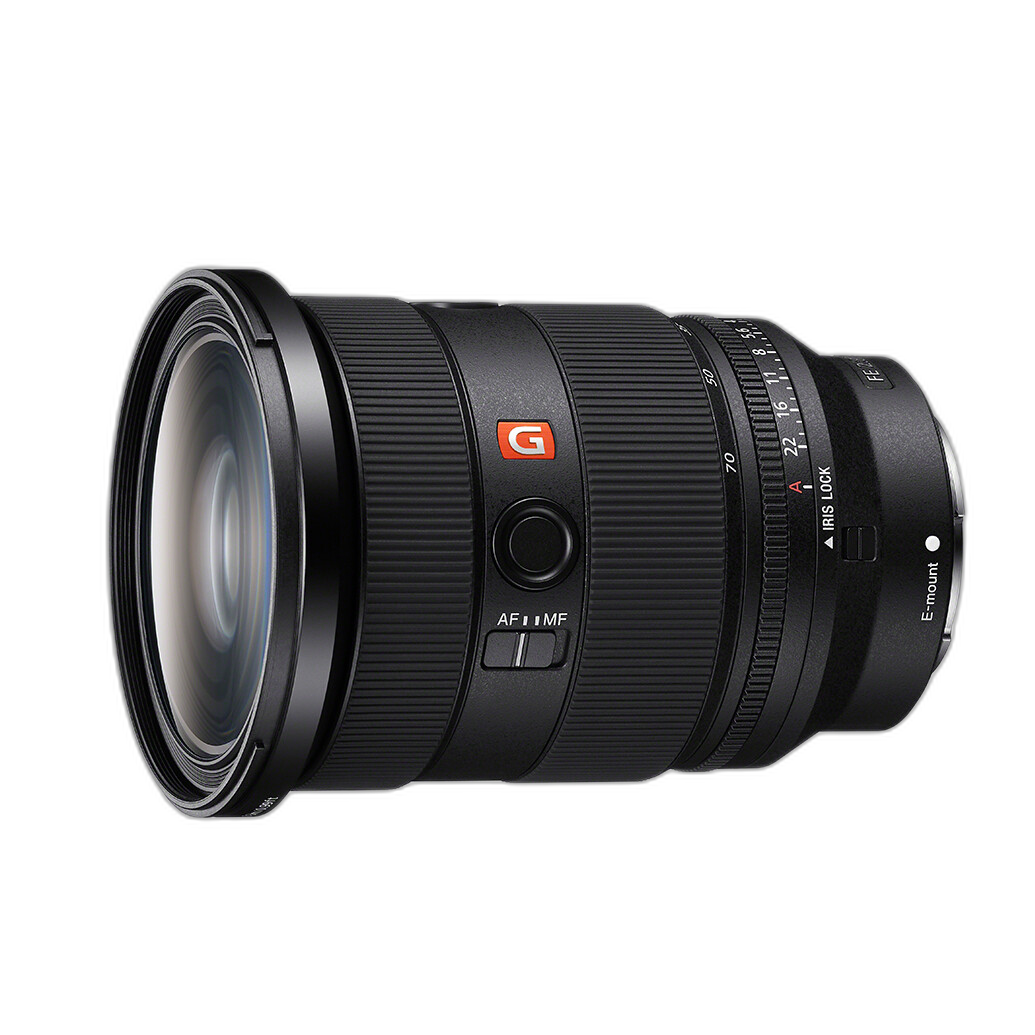
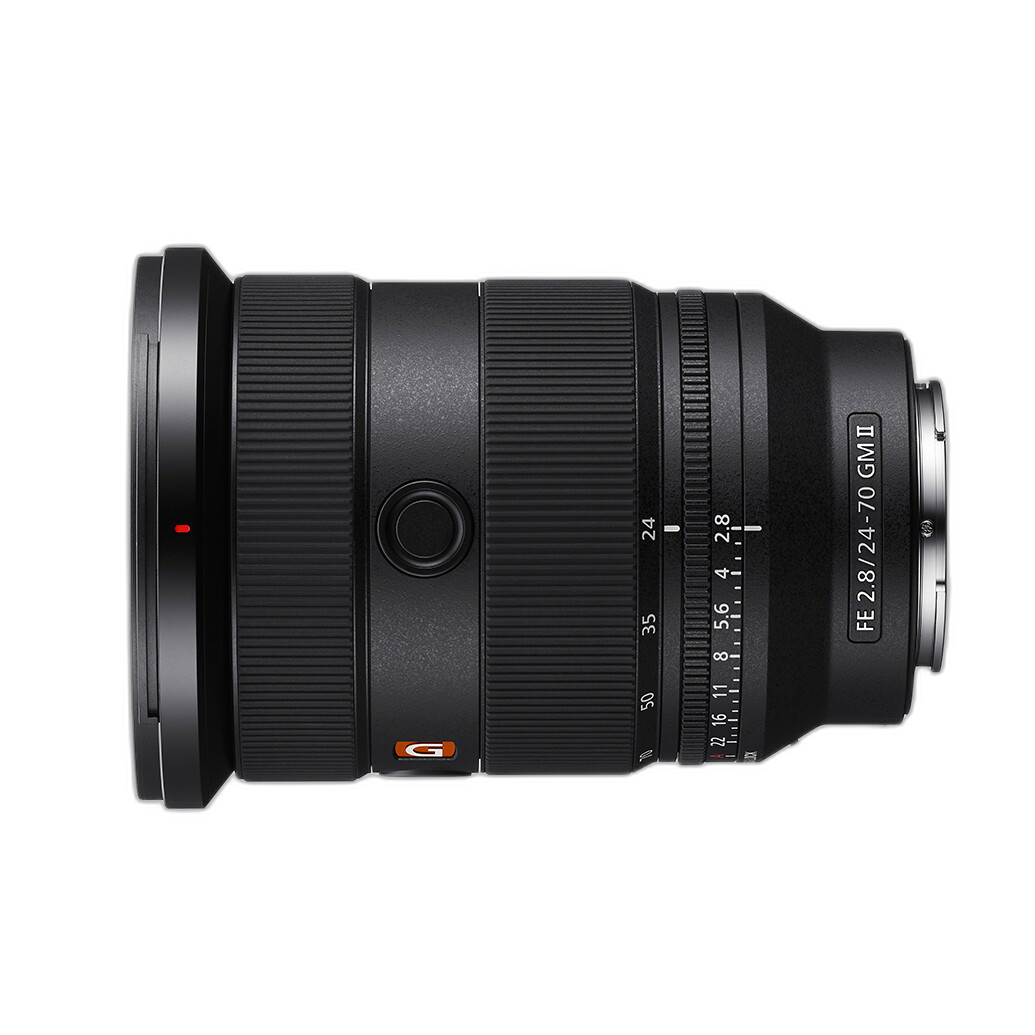
Portraiture has the edge when polish matters. A versatile lens such as a 24-70mm f/2.8 zoom is a classic portrait and event tool because it allows everything from environmental framing to tighter compositions. That flexibility can help photographers shape stronger submissions.
Winner: Street/documentary for authenticity; portraiture for consistency and judge-friendly presentation.
Conceptual and Composite Work vs Straight Photography
Conceptual work can be one of the strongest categories in a competition because originality stands out. A well-executed visual concept can communicate mood, metaphor, or narrative more directly than a literal image. For photographers interested in advanced compositing, tools and workflows related to professional post-production are highly relevant. The Blackmagic Design Ultimatte 12 8K Keyer/Advanced Compositing Processor represents the kind of compositing-oriented technology that aligns with image-makers working in constructed visual environments.

The risk with conceptual or composite work is overproduction. Judges may respond negatively if the image feels heavy-handed or technically flashy without a clear idea behind it. Straight photography, by contrast, often earns respect for authenticity and photographic discipline.
Winner: Conceptual work for originality, provided the concept is stronger than the effects.
Formal Studio Precision vs Expressive Storytelling
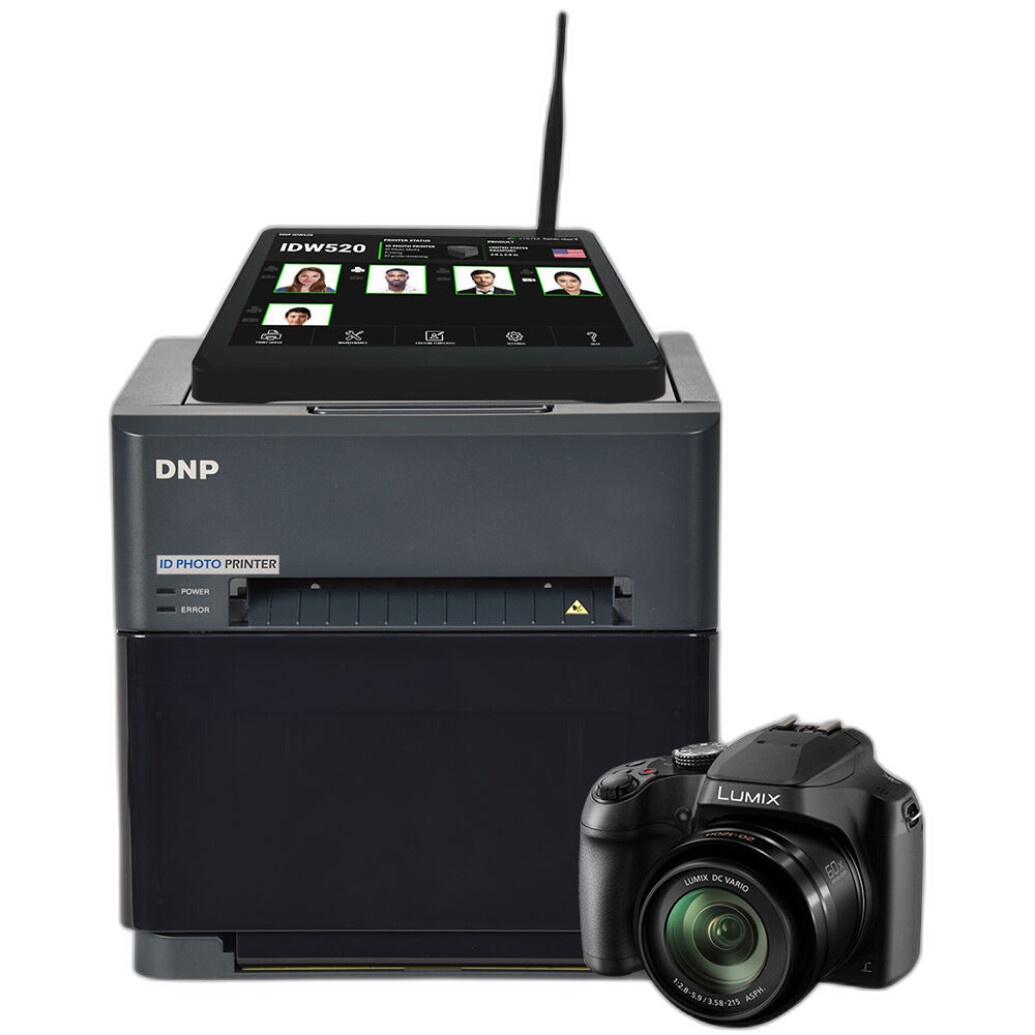
Some competitions reward impeccable technique, and that is where formal studio work can shine. Clean backgrounds, exact lighting, skin tone accuracy, and consistency all demonstrate control. A product like the DNP IDW520-SET Passport and ID Photo Solution reflects the highly structured side of portrait production, where precision and repeatability are central.
Still, in most creative competitions, expressive storytelling usually beats technical neatness on its own. A perfectly executed image without emotional or conceptual weight may not be as memorable as a less conventional image that says something meaningful.
Winner: Expressive storytelling, unless the competition specifically emphasizes technical excellence.
The Value of Research and Strategy
One often overlooked competition advantage is understanding the rules, judging criteria, licensing terms, and presentation standards before entering. That makes business and professional guidance surprisingly important for competition photographers. The book Best Business Practices for Photographers by John Harrington is not a subject matter tool, but it reflects the strategic side of photography success: preparing work professionally, presenting it properly, and making informed decisions about submissions.
Even the strongest subject can underperform if entered into the wrong category or presented without attention to competition requirements.
Our Pick
Best overall subject type for photo competitions: Portraiture with a storytelling angle.
If you want the most reliable balance of emotional impact, originality, accessibility, and technical control, portraiture is our pick. It works across beginner and advanced competition levels, can be produced with relatively accessible gear, and gives photographers room to express mood, identity, culture, and narrative. Better still, portraiture can blend with documentary, conceptual, or environmental themes, making it one of the most flexible competition categories available.
For photographers who thrive on patience and timing, wildlife and action remain excellent choices. For those with a strong visual imagination, conceptual work may offer the highest ceiling. But as an all-around recommendation, storytelling portraiture is the most dependable path to memorable competition entries.
Conclusion
The best competition subject is ultimately the one that matches both your creative strengths and the judging style of the event. Wildlife and action reward timing, portraiture rewards connection, street photography rewards observation, and conceptual work rewards originality. Whatever direction you choose, planning, execution, and presentation matter just as much as the idea itself. For cameras, lenses, accessories, and photography resources to support your next competition entry, explore the selection at Unique Photo.