Introduction: Which System Helps Beginners Learn Faster?
For new photographers, the DSLR vs mirrorless debate is less about hype and more about how each system teaches you to see, compose, and control light. DSLRs still offer a classic, straightforward learning path with optical viewfinders, familiar handling, and a huge used-lens ecosystem. Mirrorless cameras, meanwhile, make photography feel more immediate thanks to electronic viewfinders, live exposure preview, advanced autofocus, and generally more compact designs.
In this beginner-focused review, the real question is not which category is universally better, but which one better supports the way you want to learn. If you want a traditional foundation in exposure, lenses, and camera control, DSLR gear and DSLR learning resources remain extremely effective. If you want modern autofocus, real-time visual feedback, and a system that reflects where the industry is heading, mirrorless has a strong edge.
To illustrate both sides, this guide looks at learning-oriented DSLR books from David Busch and a current premium mirrorless example from Fujifilm. While the Fujifilm GFX100RF is not a typical entry-level camera, it clearly demonstrates many of the strengths that make mirrorless systems appealing for learning photography today.
DSLR for Beginners: Why It Still Makes Sense
DSLRs remain one of the best ways to understand photographic fundamentals. The optical viewfinder gives you a direct look through the lens, and the shooting experience tends to encourage intentional technique. For many beginners, that slower, more tactile approach can be a benefit rather than a limitation.
Traditional Handling Builds Strong Habits
A DSLR often rewards deliberate shooting. You learn how shutter speed affects motion, how aperture shapes depth of field, and how ISO changes exposure and noise, without relying as heavily on computational assistance. That process can build a strong technical foundation.
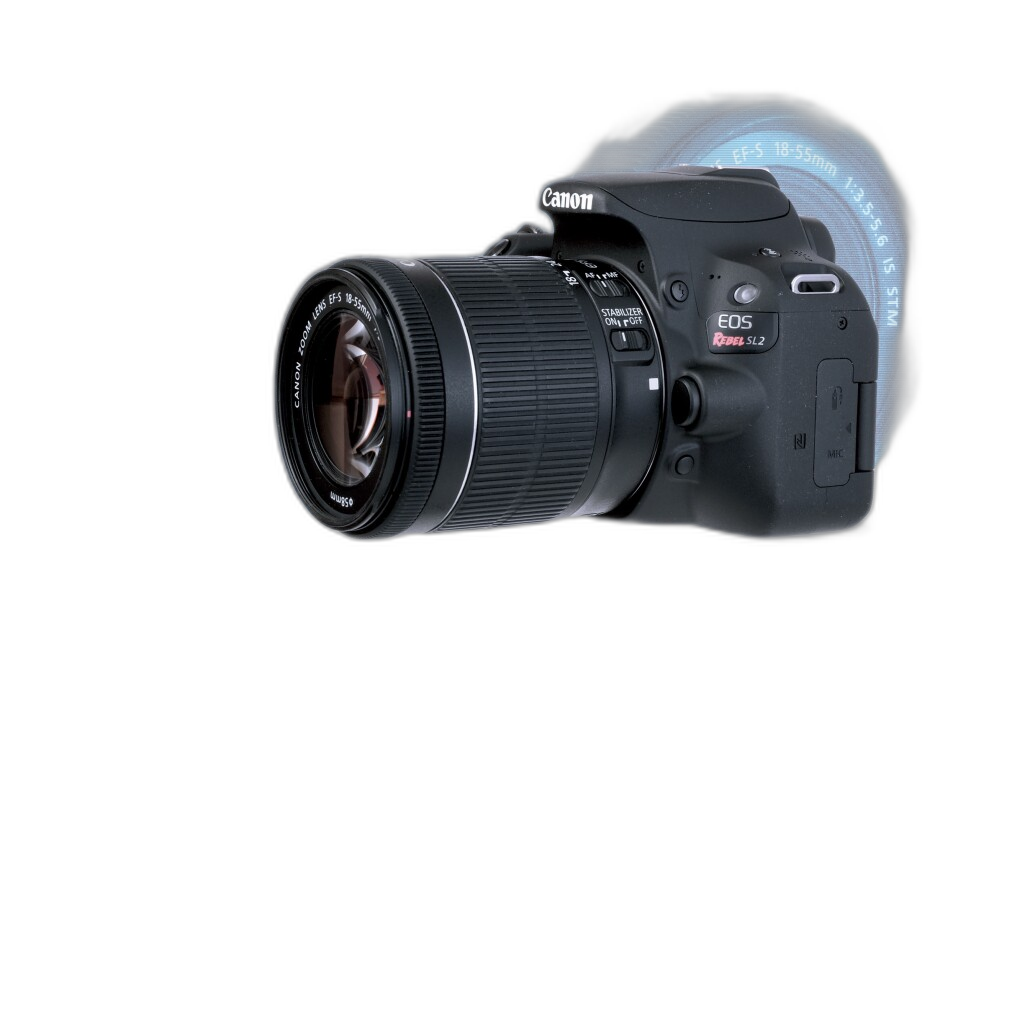
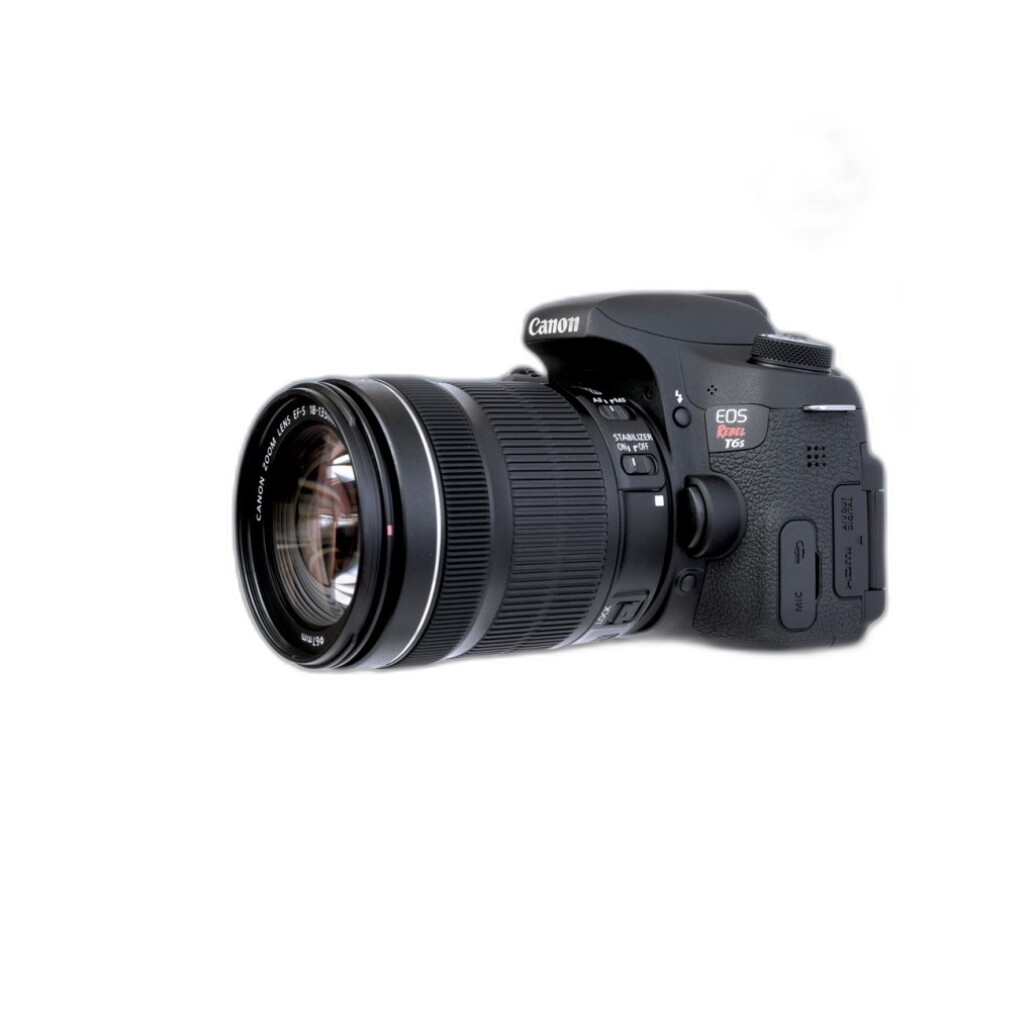
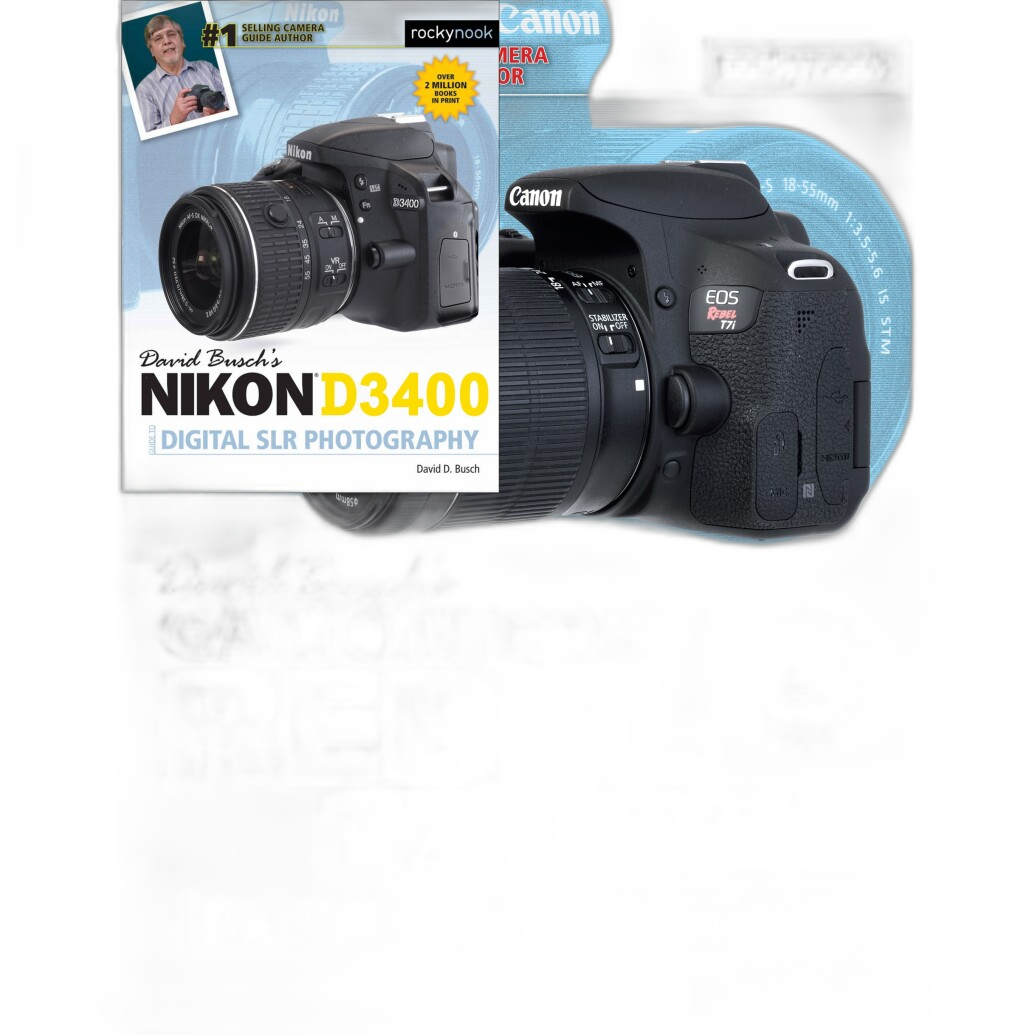
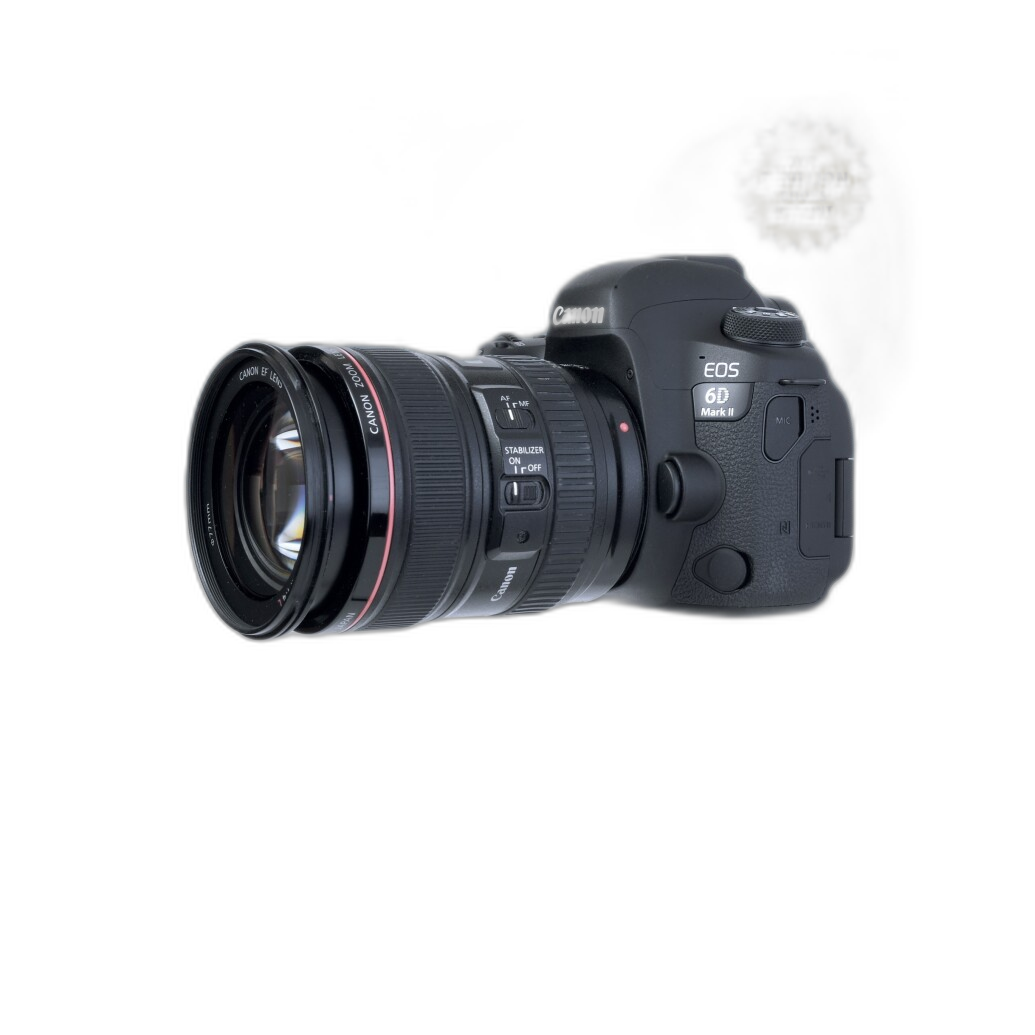
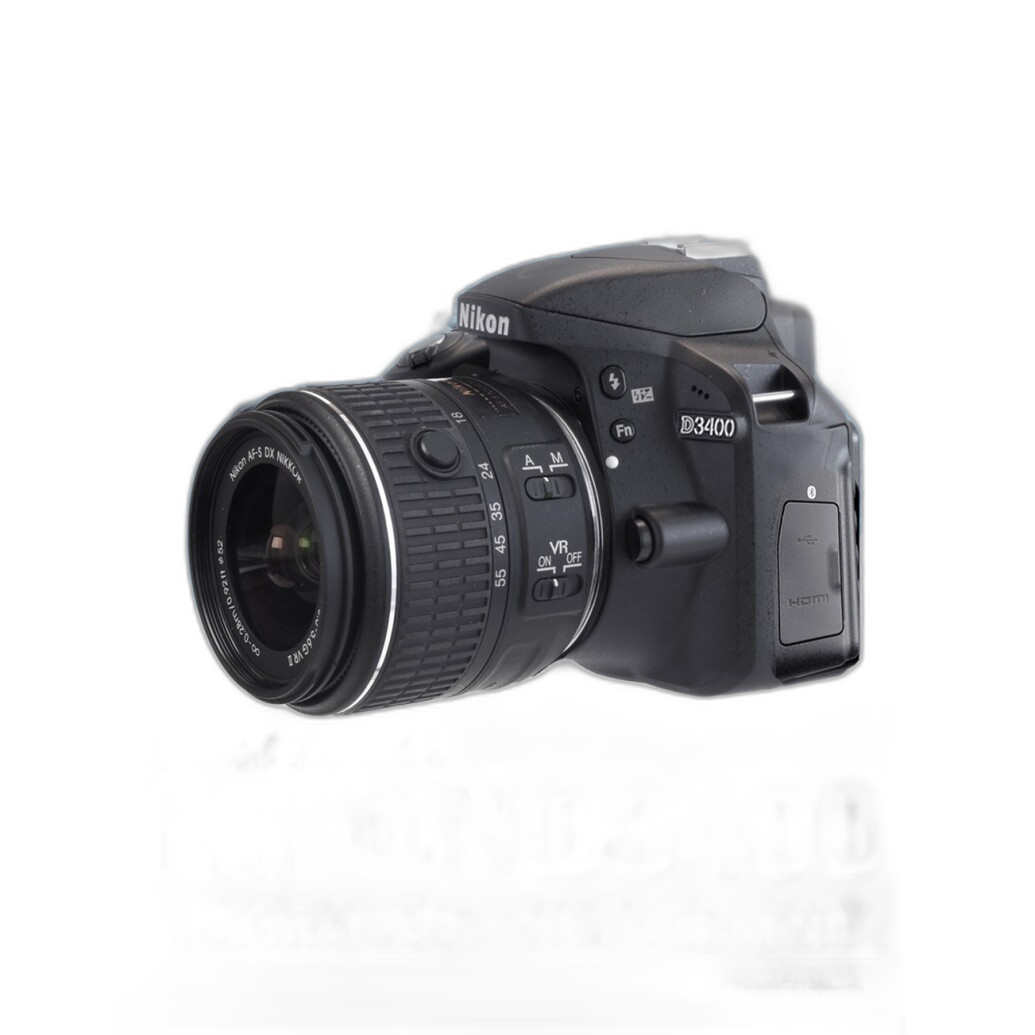
Books like Canon EOS Rebel SL2 Guide to DSLR Photography by David Busch, Canon Rebel T6s/T6i Guide to DSLR Photography by David Busch, Canon EOS Rebel T7i Guide to DSLR Photography by David Busch, Canon EOS 6D Mk II Guide to DSLR Photography by David Busch, and Nikon D3400 Guide to Digital SLR Photography by David Busch are ideal companions for beginners using Canon and Nikon DSLRs. They help translate camera menus, buttons, autofocus settings, and exposure controls into understandable lessons.
Lens Selection and Value Matter
One of the strongest arguments for beginners choosing DSLR is value. There are many affordable DSLR bodies and lenses on the market, especially used. That makes it easier to try different focal lengths and styles of photography without overspending. Portrait lenses, telephotos, and basic zooms are widely available, and that flexibility supports experimentation.
Learning Resources Are Excellent
DSLRs have been a standard educational platform for years, so the ecosystem of guides, tutorials, and support materials is deep. A focused title like the David Busch camera-specific books can shorten the learning curve by helping beginners understand not just photography concepts, but exactly how their camera applies them in practice.
Mirrorless for Beginners: The Modern Learning Advantage
Mirrorless cameras have changed how many people learn photography. Their biggest educational advantage is simple: what you see is much closer to what you get. Through an electronic viewfinder or rear screen, exposure compensation, white balance shifts, film simulations, and depth-of-field changes can often be previewed before you press the shutter.
Live Preview Speeds Up Understanding
For beginners, instant visual feedback is powerful. Instead of taking a shot, reviewing it, adjusting, and trying again, many mirrorless cameras let you preview the effect of your settings in real time. That can make aperture, shutter speed, and exposure compensation feel less abstract.
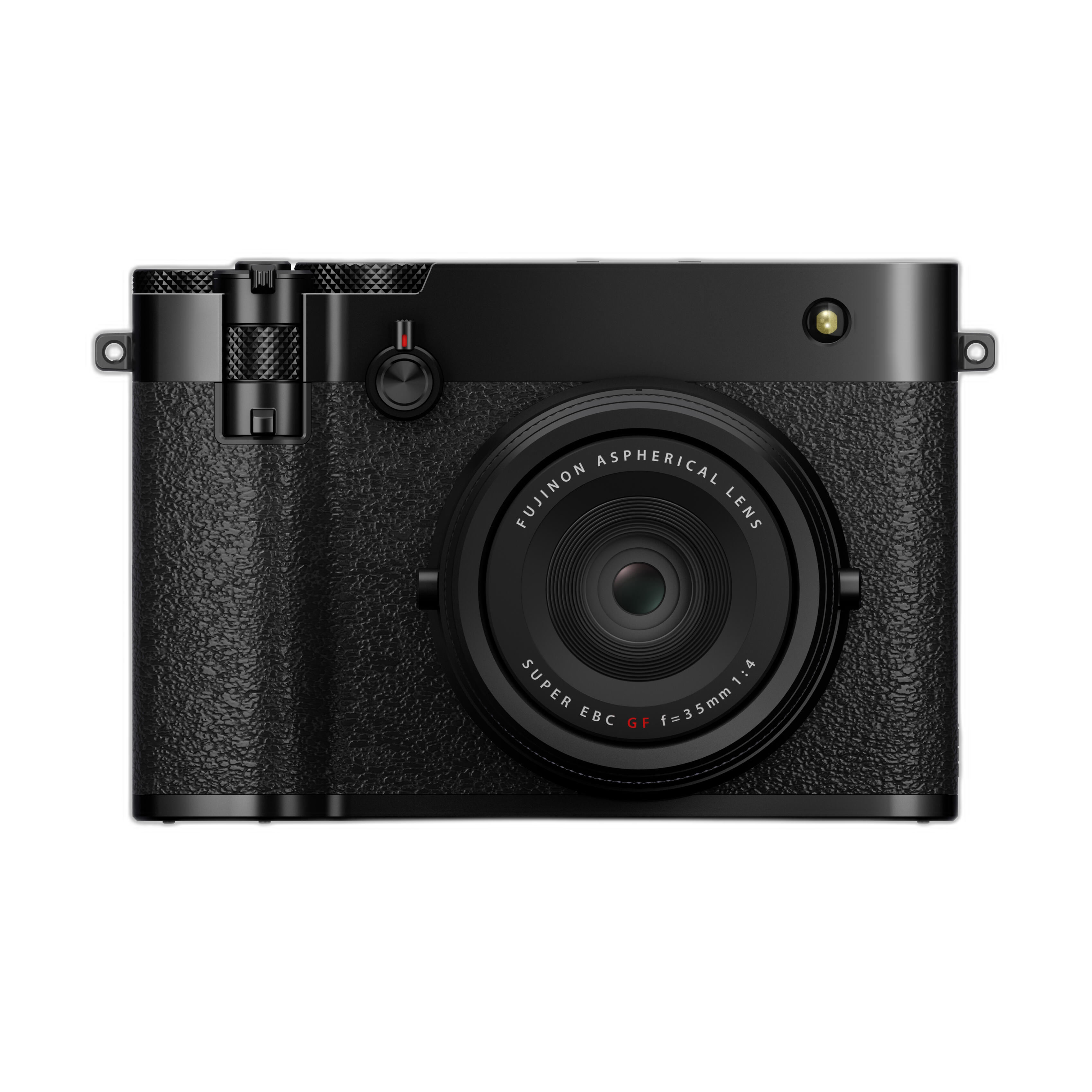
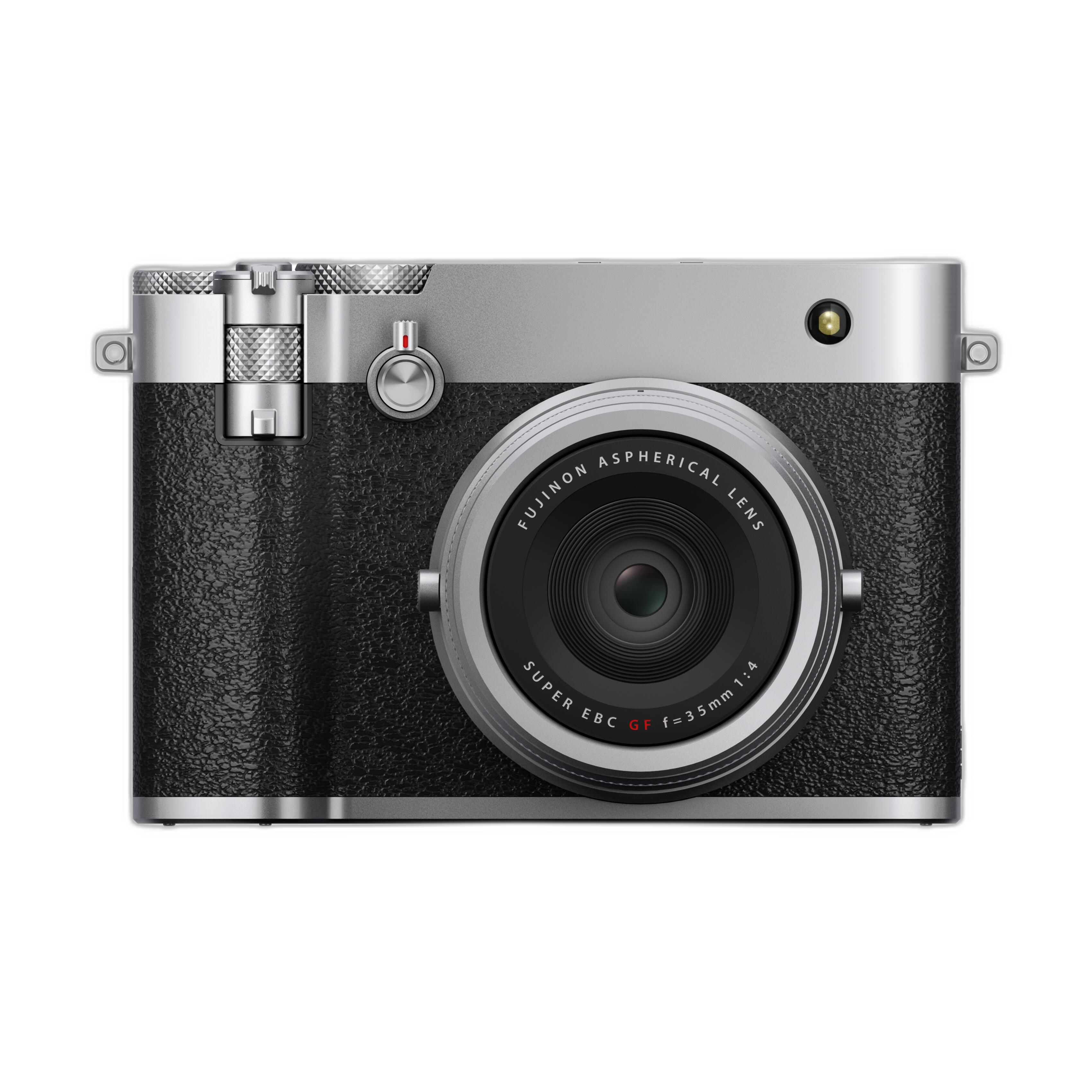
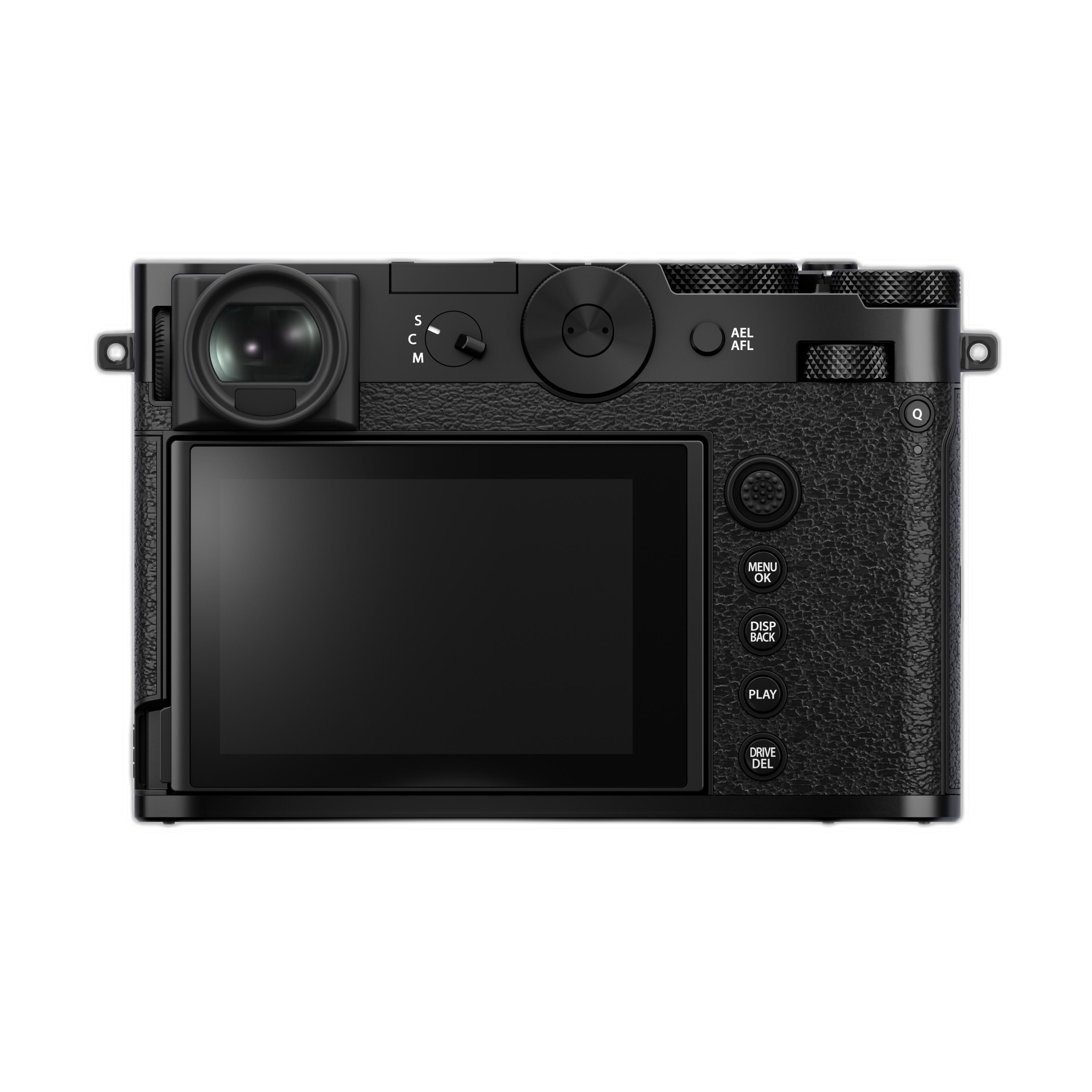
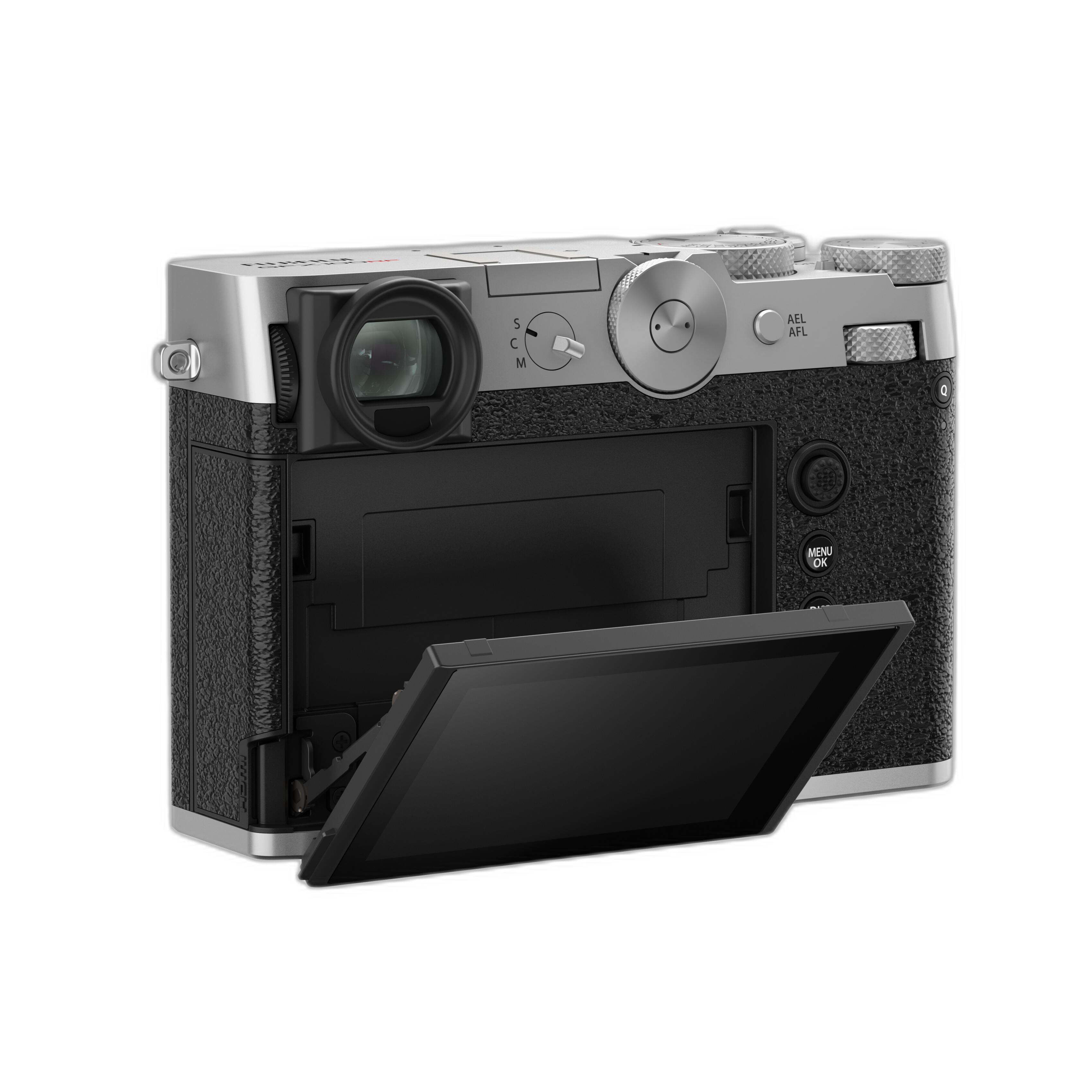
The Fujifilm GFX100RF Mirrorless Digital Camera in both silver and black finishes showcases this mirrorless philosophy. Again, it is a premium large-format compact-style camera rather than a beginner-priced option, but it highlights how mirrorless design emphasizes visual confirmation, modern controls, and a highly engaging shooting experience.
Autofocus and Everyday Usability
Modern mirrorless systems are especially attractive to beginners who want help with focus tracking, face detection, and subject recognition. These tools reduce frustration and increase keeper rate, especially for family, travel, pets, and casual portrait photography. That can keep early learning fun rather than discouraging.
Mirrorless Is Where the Market Is Moving
For a beginner planning to grow into a system long term, mirrorless has a practical advantage: it is the direction most major camera development is heading. New lenses, new autofocus systems, and new body innovations are largely concentrated here. If you want to invest in a platform with current momentum, mirrorless is the safer bet.
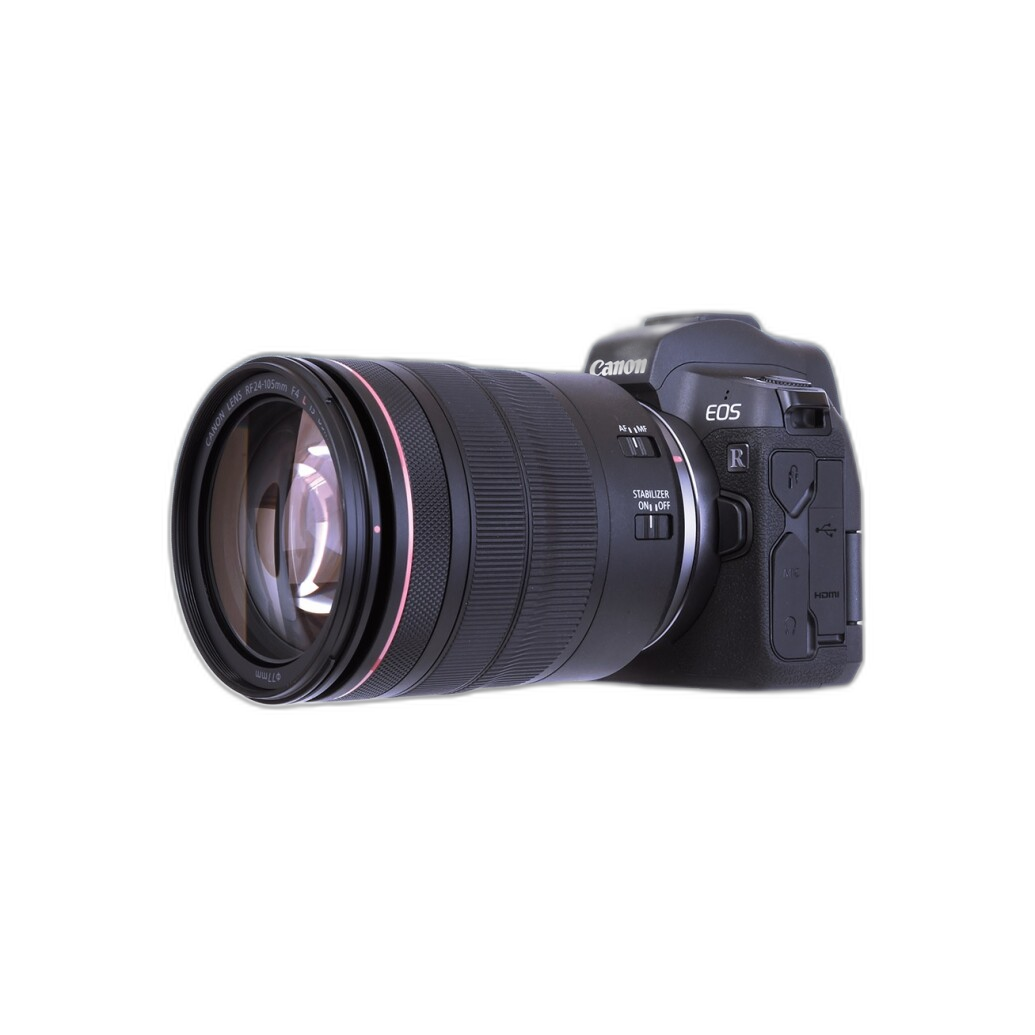
For Canon learners, the Canon EOS R Guide to Digital Photography by David Busch is a useful bridge into the mirrorless world, showing that the same detailed educational approach available for DSLRs also exists for Canon's RF-system cameras.
Key Buying Considerations for Beginners
Choose DSLR If You Want a Lower-Cost Learning Platform
If your goal is to master photography fundamentals affordably, DSLR remains compelling. You can often get more lens variety for less money, and the traditional shooting experience encourages careful technique. A beginner DSLR paired with a camera-specific David Busch guide is still a smart way to learn exposure, composition, and focus control.
Choose Mirrorless If You Want Faster Feedback and Future Growth
If you learn best by seeing your settings update live and want access to the newest autofocus and system development, mirrorless is easier to recommend. The interface is often more intuitive for modern users, especially those transitioning from smartphones and expecting visual responsiveness.
Books and Guided Learning Still Matter
One of the clearest takeaways from comparing these products is that beginners improve faster when they have structured guidance. A camera-specific book can turn a confusing menu system into an organized learning path. Whether you choose DSLR or mirrorless, pairing hardware with a quality reference is a strong investment.
Pros and Cons
DSLR Pros
- Often more affordable for beginners, especially with used gear
- Strong foundation for learning manual photography skills
- Large selection of lenses and accessories
- Excellent educational support through camera-specific books
- Optical viewfinders appeal to traditional shooters
DSLR Cons
- Bulkier bodies and older system designs
- Less real-time visual feedback than mirrorless
- Autofocus features may feel dated compared to newer mirrorless cameras
- Less future-facing in terms of ongoing development
Mirrorless Pros
- Live exposure preview helps beginners understand settings faster
- Generally better autofocus technology
- Often smaller and easier to carry
- Represents the current direction of camera innovation
- Great for hybrid shooters interested in both stills and video
Mirrorless Cons
- Can be more expensive depending on body and lens choice
- Battery life is often shorter than DSLR
- Some beginners may become reliant on automation rather than fundamentals
- Premium mirrorless models can be overkill for first-time buyers
Verdict: Which Is Better for Learning Photography?
If you are a true beginner on a budget and want to build strong technical habits, DSLR is still a very good place to start. The learning curve is manageable, the gear can be cost-effective, and books like the David Busch guides make the process much more approachable. For structured learning, that combination remains highly practical.
If you want the easiest visual path to understanding exposure and focus, and you plan to stay current with modern camera technology, mirrorless is the better long-term choice. Its real-time feedback and autofocus advantages are especially helpful for new photographers who want quicker success.
Overall, for most beginners buying today, mirrorless gets the recommendation as the more future-ready system, while DSLR remains the best value-oriented classroom for photographic fundamentals. The right answer depends on whether you prioritize budget and traditional technique or modern convenience and system growth.
If you are ready to choose your first learning resource or camera system, Unique Photo is an excellent place to buy, with photography books, cameras, and expert support to help beginners start on the right path.