Introduction: Building a Better Portrait Photography Kit
Portrait photography is less about chasing the longest spec sheet and more about choosing tools that help you shape flattering light, create connection, and render people naturally. When shopping for portrait gear, the features that matter most usually come down to lighting control, focal length and perspective, color quality, handling, and the educational resources that help you improve your technique faster.
Rather than treating portrait photography as a single-product category, this buying guide reviews the most relevant types of products for portrait shooters: lenses, lighting tools, and educational resources. For photographers trying to decide what deserves priority in their budget, these recommendations show where real value lives. If you are shopping for portrait gear and learning materials, Unique Photo is a strong place to buy, with a curated selection for photographers at different skill levels.
What Features Matter Most for Portrait Photography?
The best portrait tools usually emphasize a few core qualities:
- Light quality and control: Soft, directional, and repeatable light matters more than raw power alone.
- Perspective and focal length: Your lens choice shapes facial proportions, background compression, and environmental context.
- Sharpness with pleasing rendering: Portrait shooters want detail in the eyes, but not harshness that flatters nobody.
- Color accuracy: Skin tones must look natural and consistent.
- Ease of use: Fast setup and intuitive operation help you focus on the subject, not just the gear.
- Education: Books and guides can improve portrait results faster than buying the wrong accessory.
With those priorities in mind, here is how the available products stack up as portrait photography buying recommendations.
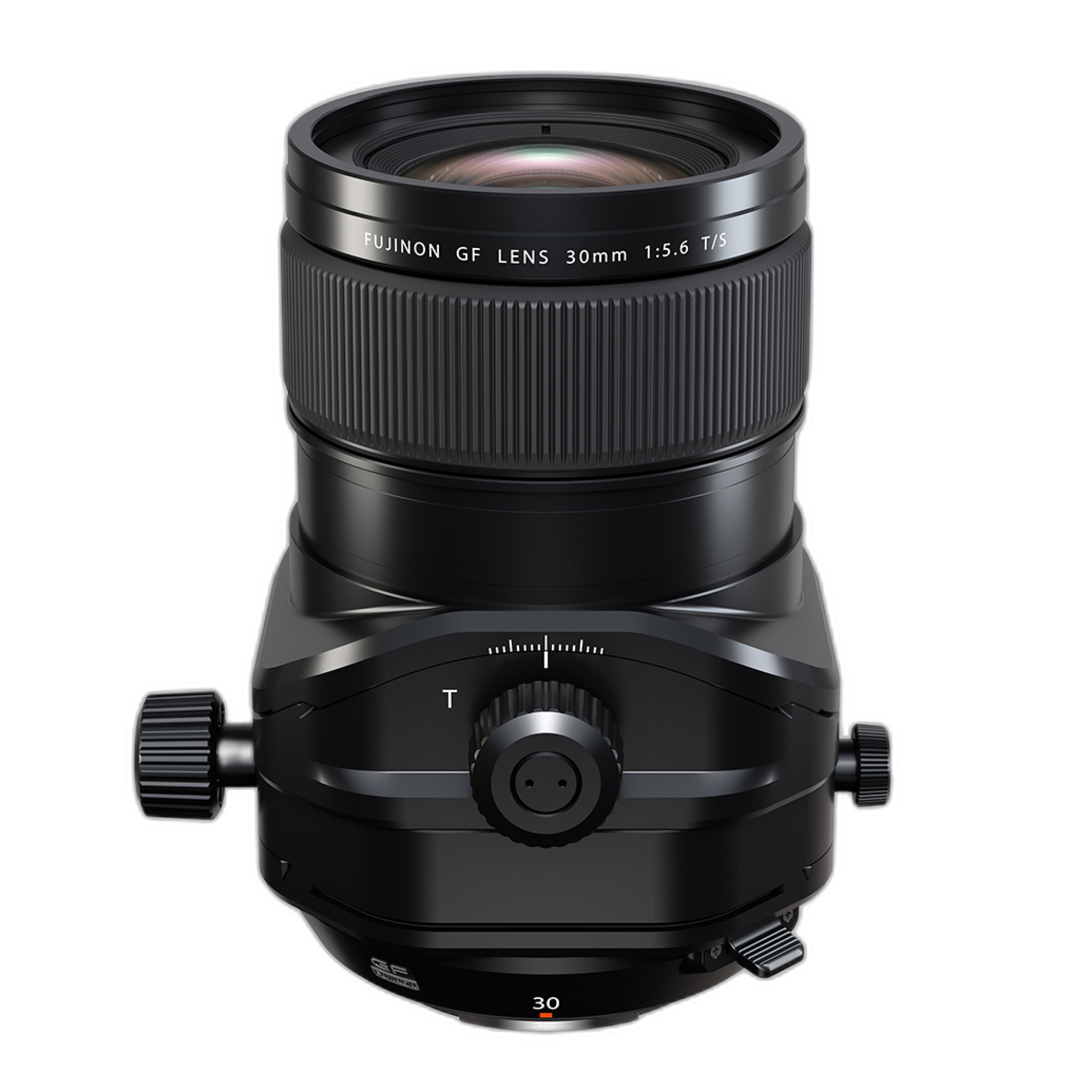
Featured Product Review: Fujifilm FUJINON GF 30mm f/5.6 T/S Lens
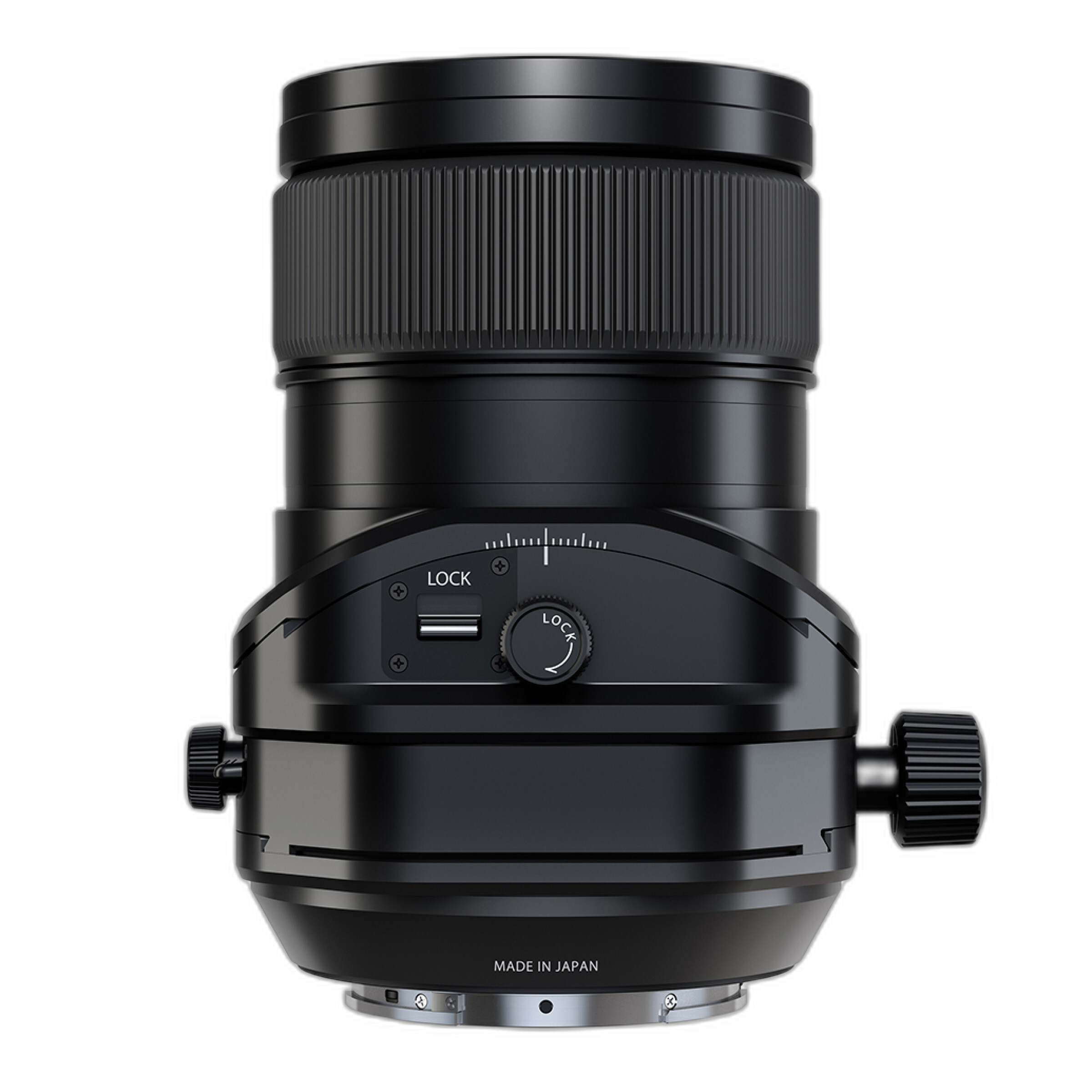
The Fujifilm FUJINON GF 30mm f/5.6 T/S Lens is the most technically advanced imaging tool in this selection, and while it is not a conventional first-choice portrait lens, it highlights an important buying-guide lesson: the most expensive or specialized lens is not always the one that matters most for portrait photography. This tilt-shift medium format lens is built for precision perspective control, architecture, interiors, and highly deliberate environmental portraiture.
For portrait photographers who work in editorial, commercial, or environmental styles, its standout feature is perspective management. In situations where a subject must be shown within a scene without exaggerated distortion or converging lines, a tilt-shift lens offers creative and technical control that standard optics cannot match. That said, for classic headshots or shallow-depth portraits, this lens is more niche than essential.
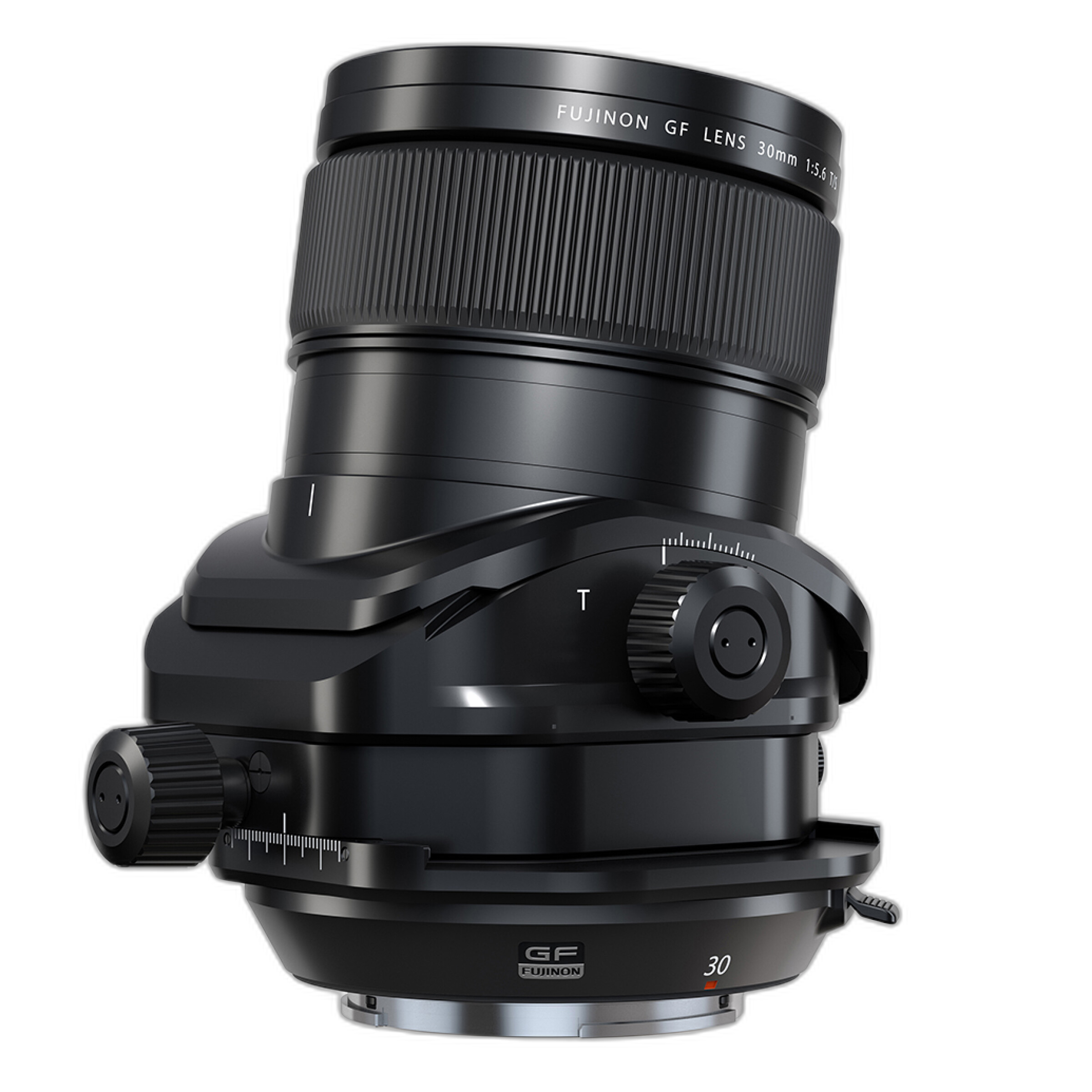
Why Perspective Control Can Matter in Portraiture
Portrait photography is often associated with flattering compression and background blur, but not every portrait is a close-up. Environmental portraits frequently benefit from a wider view that includes workplace, architecture, or context. The challenge is that wide lenses can distort faces and surroundings when used carelessly. A tilt-shift design helps manage lines and framing with far greater precision, making this kind of lens valuable for commercial portrait artists who need both the person and place to look intentional.
Build and System Positioning
As part of the Fujifilm GFX system, the GF 30mm f/5.6 T/S is aimed at advanced users who prioritize image quality, careful composition, and studio-grade workflow. It is not a casual recommendation, but it does represent an important category for portrait buyers: specialty optics designed to solve specific visual problems.
Who Should Consider It
This lens is best for photographers creating environmental portraits, branding sessions, corporate editorial imagery, and commercial work where scene geometry matters. It is less compelling for beginners seeking a simple portrait lens, but highly compelling for professionals who need exacting control.
Lighting Matters More Than Many Buyers Expect
If there is one category that consistently changes portrait quality more dramatically than a new camera body, it is lighting. The Savage RGB Portrait Kit stands out in this guide because it addresses one of the most important features in portrait photography: the ability to shape mood and color intentionally. Continuous lighting is particularly useful for portrait photographers who want to visualize the result in real time, making it approachable for still shooters and hybrid creators alike.
Savage RGB Portrait Kit: Real-Time Creative Control
RGB lighting opens up more than flashy color effects. In portraiture, it can be used subtly to create separation from the background, add stylized edge light, or establish a modern editorial mood. For buyers evaluating portrait lighting, the key features to prioritize are consistency, controllability, and ease of adjustment. A kit like this makes sense for creators shooting social content, creative portraits, musicians, fashion concepts, or studio experiments where visual variety is important.
For many portrait photographers, a controllable light kit will improve results faster than upgrading to a more specialized lens. That makes lighting one of the strongest buying priorities in portrait work.
Learning Tools That Actually Improve Portrait Results
One of the smartest portrait photography purchases is often a great educational resource. Books remain incredibly valuable because portrait photography depends on judgment, taste, communication, and seeing light clearly. This guide includes several strong Rocky Nook titles that are directly relevant to portrait shooters.
Mastering the Natural Light Portrait by Scott Kelby
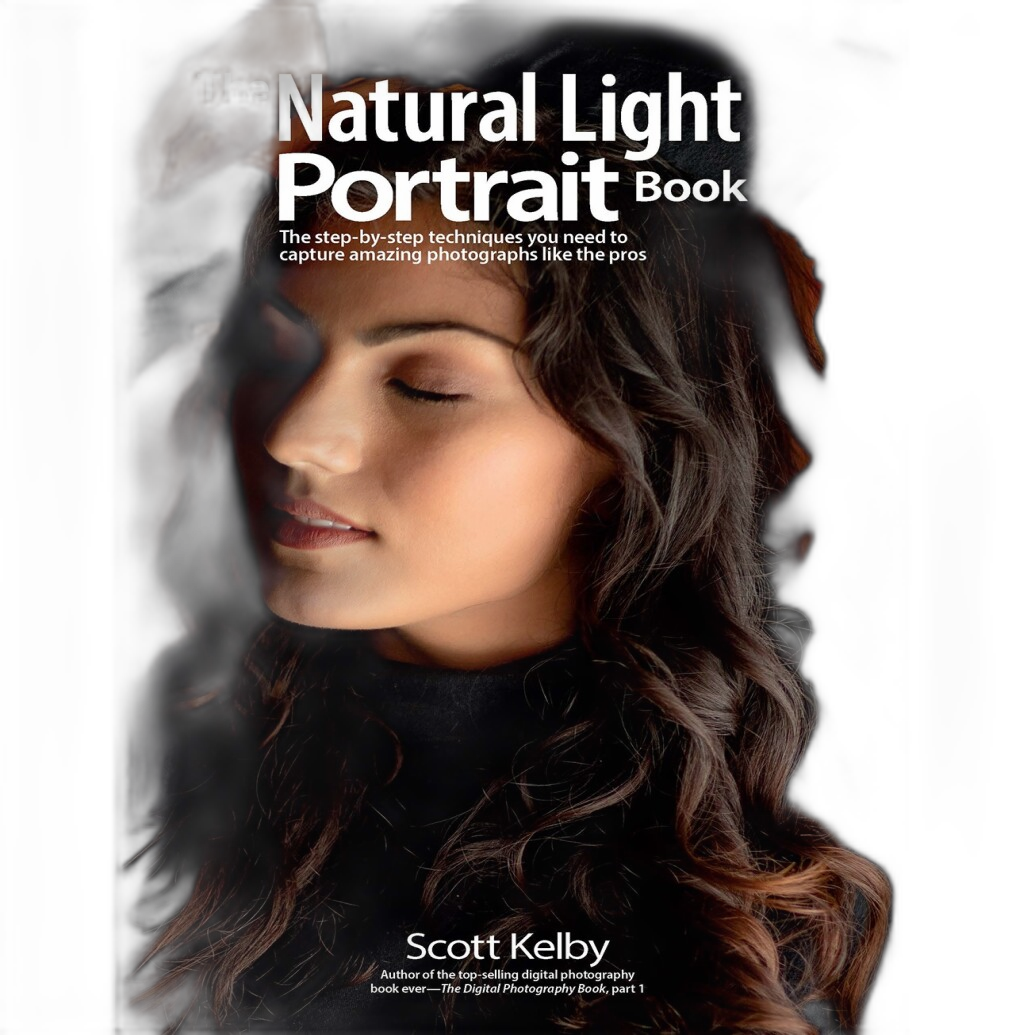
This is an excellent recommendation for photographers who want to understand how to work with available light before investing heavily in lighting gear. Natural light portraiture teaches you to evaluate direction, softness, shadow transition, and timing. Those skills transfer directly into studio work later. For beginners and enthusiasts, this may be one of the highest-value purchases in the entire guide.
The Portrait 2nd Edition by Tim Meyer - Glenn Rand
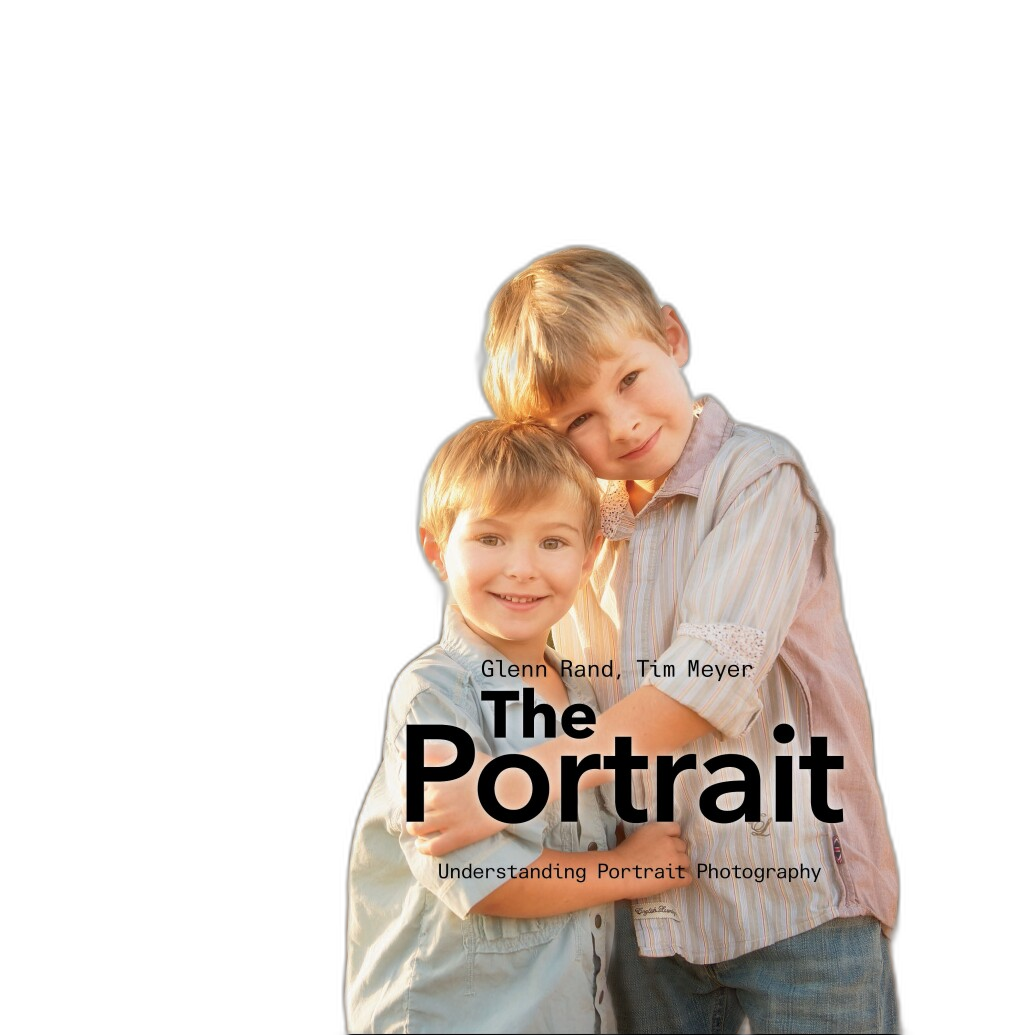
This title is well positioned for photographers who want a broader understanding of portrait construction, style, and approach. Buying-wise, this kind of book matters because it helps users identify what kind of portrait photographer they want to become, which in turn leads to better gear decisions.
The Enthusiasts Guide to Portraiture by Jerod Foster
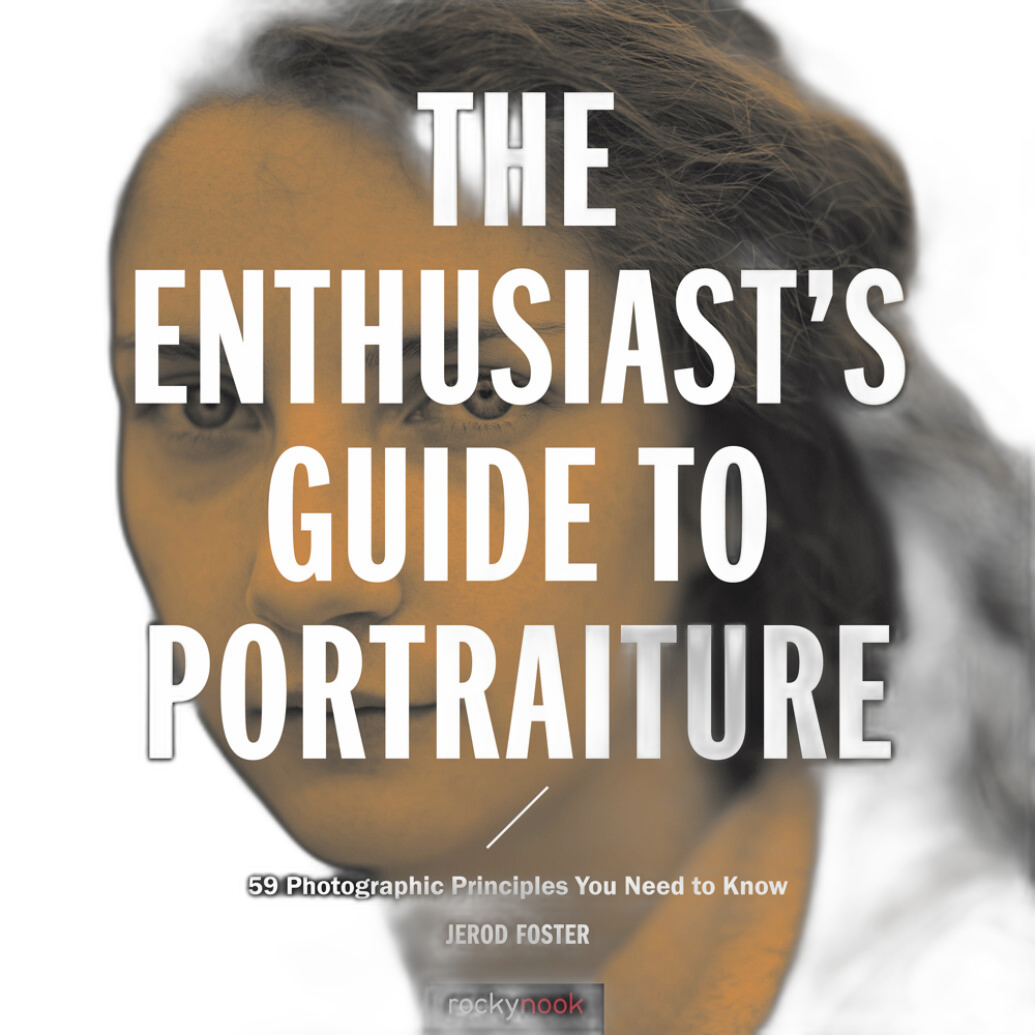
This is a strong fit for developing photographers who want practical growth. It bridges technical and creative concerns well, making it especially relevant for buyers who are not yet sure whether they need better lighting, a new lens, or more posing confidence. As a buying-guide recommendation, it supports better future purchases.
Authentic Portraits by Chris Orwig
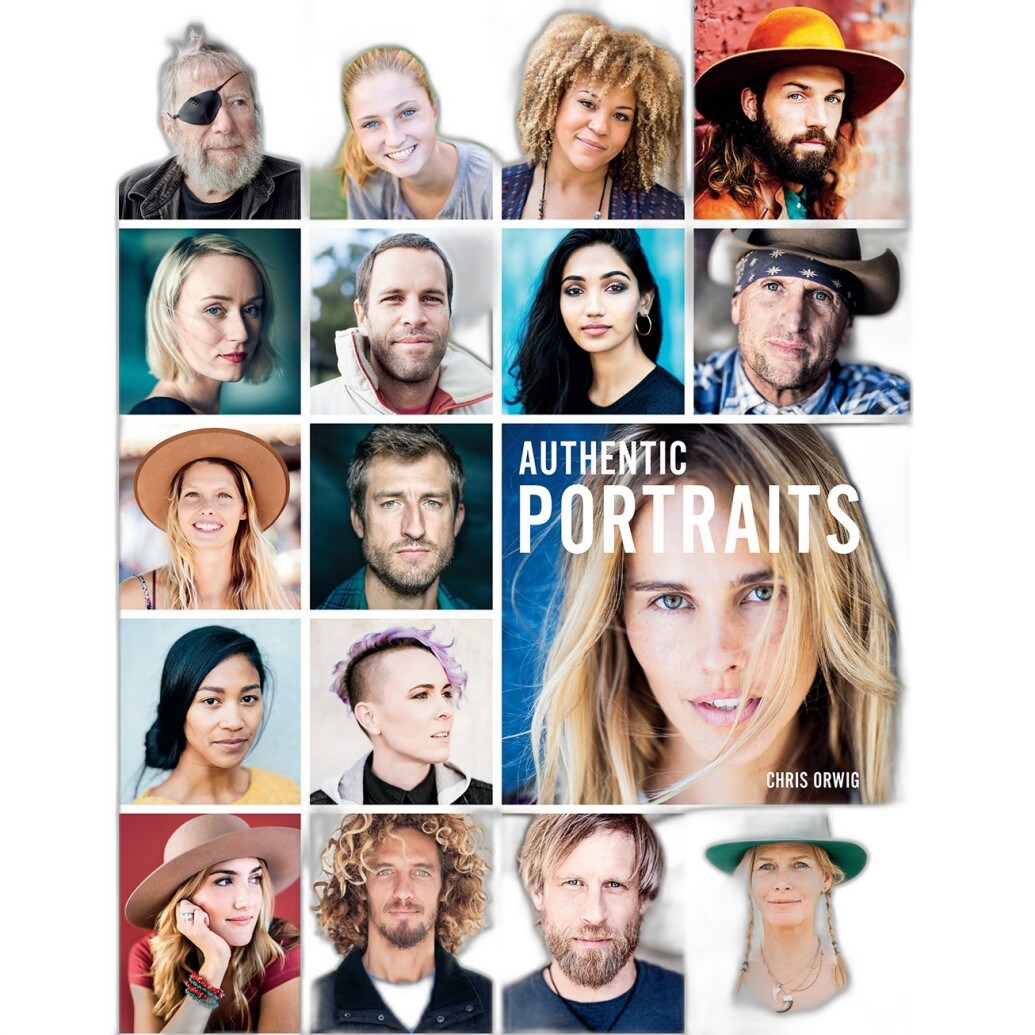
Not every important portrait feature is technical. Expression, trust, subject comfort, and emotional honesty are just as critical. This book is valuable because it addresses the human side of portraiture, something gear alone cannot solve. For photographers whose images feel technically competent but emotionally flat, this kind of resource can be transformative.
Pros and Cons
Pros
- Highlights the most important portrait buying priorities: light, perspective, and education
- Fujifilm GF 30mm f/5.6 T/S offers exceptional control for environmental and commercial portrait work
- Savage RGB Portrait Kit supports creative and repeatable portrait lighting setups
- Rocky Nook books provide high-value skill development for portrait shooters at multiple levels
- Strong mix of practical tools and learning resources for building a portrait workflow
Cons
- The Fujifilm tilt-shift lens is specialized and not ideal as a first portrait lens for most buyers
- RGB lighting may be more stylized than some traditional portrait photographers need
- Books improve technique but do not replace hands-on lighting and posing practice
- This selection is stronger on education and specialty gear than on classic portrait lens choices
Buying Recommendations by Photographer Type
For Beginners
Prioritize education first. Mastering the Natural Light Portrait and The Enthusiasts Guide to Portraiture are likely to improve your portraits more than an advanced specialty lens. Learn light, posing, and subject connection before overspending.
For Creative Studio Shooters
The Savage RGB Portrait Kit is the standout recommendation because lighting variety gives you more visible creative options right away. If your portraits need more mood or separation, lighting should come before niche optics.
For Commercial and Environmental Portrait Pros
The Fujifilm FUJINON GF 30mm f/5.6 T/S Lens is the most compelling high-end option in this guide. If your work involves architecture, interiors, branding, or editorial context, its perspective control can be a serious asset.
Verdict
If you are asking what features matter most for portrait photography, the answer is clear: light control, flattering perspective, natural color, and photographer skill matter more than hype-driven specs. In this guide, the Fujifilm FUJINON GF 30mm f/5.6 T/S Lens is an impressive specialty choice for environmental portrait professionals, while the Savage RGB Portrait Kit represents one of the most practical ways to improve visual impact. For many photographers, though, the smartest buy may be one of the Rocky Nook portrait books, especially if you are still developing your eye and technique.
For the best place to buy these portrait photography tools and learning resources, check out Unique Photo. Their selection makes it easier to build a portrait kit based on what truly improves images rather than what simply sounds impressive on paper.