
Best Travel Cameras: Image Quality vs. Portability — Expert FAQ
Planning a trip and want pro-grade photos without hauling a heavy kit? Our experts break down how to balance image quality, size, and convenience so you can travel smarter and shoot better—whether you pack a compact, a mirrorless body, or just your phone.
Below, we answer the most common questions about travel cameras and accessories, and share a few field-proven add-ons you can pick up at Unique Photo.
Which compact camera delivers the best image quality on the road?
For the smallest bodies with big-image punch, look at premium fixed-lens compacts. Models with 1-inch or APS-C sensors offer noticeably better dynamic range and low-light performance than phones, with fast lenses and true optical zooms. APS-C compacts with 28–35mm equivalent primes are favorites for travel street work thanks to high sharpness, discreet size, and reliable autofocus.
If you prefer flexibility, a compact with a 24–70mm or 24–120mm equivalent zoom keeps weight down while covering landscapes, portraits, and details. When comparing options, prioritize sensor size, lens speed (f/1.8–f/2.8 zooms shine), and stabilized optics for hand-held twilight shots.
Are smartphones good enough for serious travel photography these days?
For many travelers, yes—especially in bright light. Modern phones excel at quick sharing, stabilization, and computational HDR. But physics still matters: smaller sensors struggle with high-contrast scenes, night shots, and real optical reach. If your trip includes dim interiors, wildlife, or prints larger than 11×14, a dedicated camera’s larger sensor will pay off with cleaner files and more editing latitude.
A strong hybrid approach is using your phone for spontaneity and a compact or mirrorless for low light, telephoto, and your must-have hero images.
Is it worth going APS-C or full frame for travel if size matters?
APS-C mirrorless bodies are a sweet spot for most travel photographers: excellent image quality, modest body size, and plentiful lightweight lenses. A 16–50mm or 18–55mm kit zoom plus a small f/2–f/2.8 prime can keep your bag under a kilo while covering almost everything.
Full frame gives extra dynamic range and cleaner high ISO—but lenses are larger. If you opt for full frame, consider compact primes (28/35/50mm) or a travel zoom (24–105mm f/4) to keep weight manageable. If you’re hiking or city-hopping all day, the APS-C kit often wins on comfort without sacrificing much quality.
What accessories actually move the needle for travel image quality?
Small accessories deliver outsized gains. A circular polarizer deepens skies and tames reflections; a 3–6 stop ND enables long-exposure water or motion blur without bulk. Don’t overlook a comfortable, organized daypack to protect gear and speed up access—you miss fewer shots when your bag works with you.
The Nomatic Luma Camera Pack 18L is a compact, urban-friendly pack sized for a body, a couple of lenses, and travel essentials, with quick-access and weather-resistant materials—ideal for city breaks or light hikes. 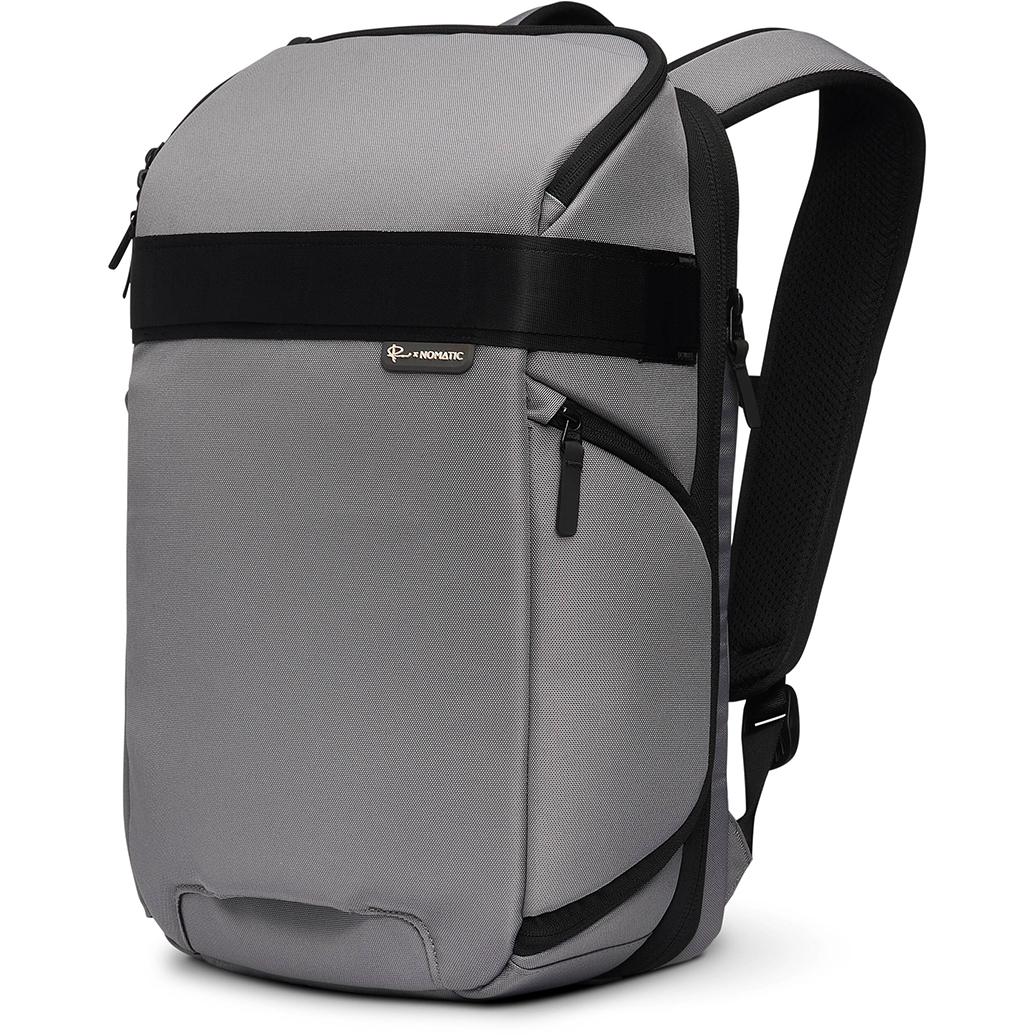
How do I keep my kit light without compromising versatility?
Build around your must-have focal lengths. Options that keep weight down:
- One-lens setup: a 24–70mm (FF) or 16–50mm (APS-C) for most subjects.
- Two-prime combo: a 28/35mm for wide scenes and a 50/75mm for portraits and details.
- Compact plus phone: use the phone for ultra-wide and the compact for low-light and zoom.
Pack spares smartly: one extra battery, a tiny charger, and a single fast SD card per shooting day. Use a slim, structured bag insert inside a daypack to avoid overpacking.
Do I need extended warranties or coverage when traveling?
Trips can be tough on gear—coverage helps you bounce back. At minimum, confirm your camera’s manufacturer warranty and consider extended coverage if you’re traveling remotely or shooting a once-in-a-lifetime event. Cinematographers and content creators using dedicated cinema bodies should especially consider manufacturer-backed plans.
For example, RED users can add coverage such as the RED Extended Warranty for KOMODO-X to reduce downtime during demanding productions on the road. 
How should I manage power and charging on the road?
Plan for outlets and field charging. A compact USB-C PD charger and a high-output power bank (20,000 mAh+) keep cameras, phones, and action cams topped up. If you’re shooting video or hybrid photo/video with specific power requirements, carry a dedicated OEM or third-party power supply so you’re not dependent on hotel bricks.
For Blackmagic Pocket Cinema Camera users, a dedicated power supply like the Blackmagic Design Power Supply for Pocket Cinema Camera is a compact way to ensure reliable charging between shoots and during backups. 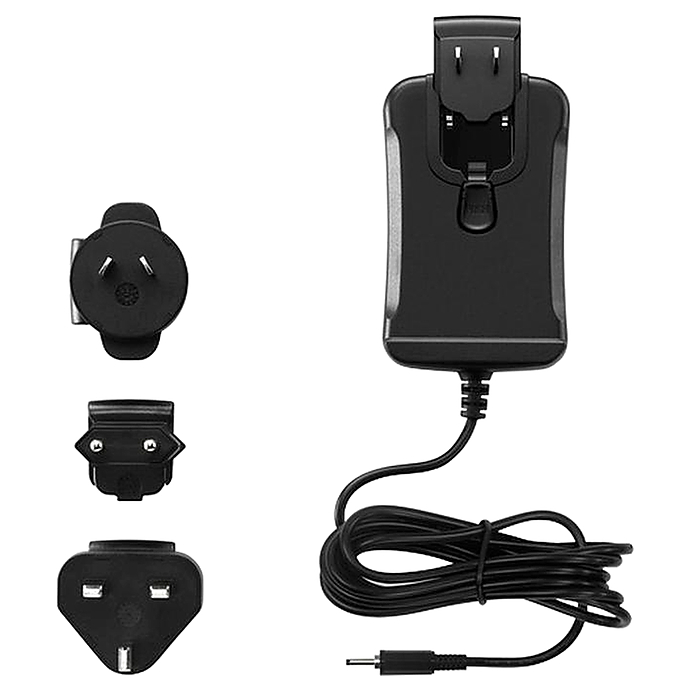
What’s the simplest travel kit for most travelers?
For a minimal yet capable setup: an APS-C mirrorless body, a compact standard zoom, a small prime for low light, your phone for ultra-wide and quick sharing, one spare battery, and a light daypack. Keep it ready in an 18L pack with a rain cover, and you’ll handle everything from sunrise cityscapes to evening street portraits in comfort.
Ready to build your travel kit? Visit Unique Photo online or in-store for expert advice and to outfit your bag with the right camera, protection, power, and support—so your next trip looks as good as it feels.