From the latest community thread at Unique Photo to everyday shooting debates, one topic never gets old: which film stock is best for a given subject. Whether you’re crafting a warm portrait, chasing vivid landscapes, soaking in gritty street scenes, or pushing into low light, choosing the right film has a bigger impact on your results than almost any other decision. Below, we break down popular choices, how to think about ISO, grain, palette, and processing, and how to print or scan for the look you love.
Best film for portraits: warm skin tones and flattering contrast
Portrait photographers often prioritize subtle grain, consistent color, and forgiving latitude. In the thread, the consensus tends to favor medium-speed color negative film with smooth tonal transitions:
- Kodak Portra 160/400 for natural skin tones, soft contrast, and excellent latitude in mixed light.
- Kodak Gold 200 as a budget-friendly, slightly warmer option that still handles skin well outdoors.
- Black and white portraits: Ilford HP5 Plus 400 gives classic tonality with flexible push potential; Ilford FP4 Plus 125 for extra fine grain and crisp detail.
Tip: If you shoot portraits in unpredictable light, pick a stock with generous latitude (e.g., Portra 400) and rate slightly lower (EI 320) for richer shadows.
Best film for landscapes: saturation, fine grain, and punch
Landscape shooters often prefer tight grain and bold color. The thread highlights:
- Kodak Ektar 100 for ultra-saturated color with very fine grain—great for bright daylight and detailed scenes.
- Slide film (E6) like Fujifilm Velvia 50/100 and Kodak E100 for punchy color and high contrast—rewarding but demanding exposure precision.
- Black and white landscapes: Ilford Pan F 50 for silky fine grain; Ilford Delta 100 for modern fine-grain clarity.
Slide film magnifies exposure errors; meter carefully, bracket when possible, and avoid extreme contrast mid-day unless that’s the desired look.
Best film for street: versatile, pushable, and classic
Street shooters benefit from stocks that tolerate fast-changing light and respond well to pushing:
- Kodak Tri‑X 400: timeless grain with strong contrast—push to 800/1600 for more bite.
- Ilford HP5 Plus 400: flexible, forgiving mid-tones—pushable with smoother grain character at higher EIs.
- Color street: Portra 400 for stable color and latitude; Kodak ColorPlus 200 for budget-friendly daytime work.
For dynamic scenes, err on slightly faster shutter speeds and consider rating your 400-speed film at EI 800 with a push during development to keep motion sharp.
Best film for low light and night
Low light calls for higher ISO stocks or push processing:
- Ilford Delta 3200 or Kodak T‑Max P3200 for night street and indoor ambient—expect distinct grain with expressive tonality.
- CineStill 800T (tungsten-balanced) for artificial light and neon—watch halation highlights as part of its signature look.
- Portra 400 pushed to 800/1600 when you want color in dim environments.
Meter for shadows in low light if you want texture; if you prefer more graphic contrast, bias exposure to protect highlights and accept shadow drop-off.
How to choose film: ISO, grain, palette, and latitude
- ISO: Lower ISO (50–200) gives finer grain and more detail; higher ISO (400–3200) offers speed and moodier grain.
- Grain: Classic character (Tri‑X) vs modern smooth (Delta/T‑Max). Match grain to subject—gritty for street, refined for portraits.
- Color palette: Warm/neutral (Portra), saturated (Ektar, Velvia), tungsten-balanced (800T). Think skin tones vs scenery.
- Latitude: Color negative film is forgiving; slide film demands accuracy. Choose based on how precise you want to be.
35mm vs 120 (medium format): look and workflow
35mm offers portability and a classic grain structure, while 120 (medium format) gives smoother tonality and higher resolving power. If you’re exploring 6×6, compact folders like the Voigtländer Perkeo I are beloved for travel-friendly medium format. Unique Photo’s Used & Trades department often features gems like this, ideal for upgrading your film experience without breaking the bank.
Color negative vs slide (E6) vs black & white
- Color negative (C‑41): Wide latitude and easy printing/scanning; excellent for portraits and general purpose.
- Slide (E6): Striking color and contrast; perfect for landscapes and projection, but precise metering is crucial.
- Black & white: Highly controllable development, timeless aesthetic, and strong push/pull flexibility.
Push/pull processing: when and why
Pushing increases effective speed (rate higher EI, extend development), boosting contrast and grain—great for low light and street. Pulling (rate lower EI, shorten development) tames contrast and enhances shadow detail, ideal for high-contrast daylight. Consult your lab or recipe carefully to keep results predictable.
Printing and lab workflow: papers, chemistry, and consistency
If you plan to print your work, paper choice and lab consistency matter. Unique Photo carries a range of Fujifilm papers and lab supplies to help your results shine.
For glossy lab prints with pop and durability, many shooters choose color papers designed for digital RA workflows:
Shown: Fujifilm DIGITAL PRO Glossy paper—an excellent choice for high-contrast landscape prints and vibrant color output.
Ink quality affects color stability and consistency in minilab printers. Keeping your system stocked with the right consumables ensures repeatable results:
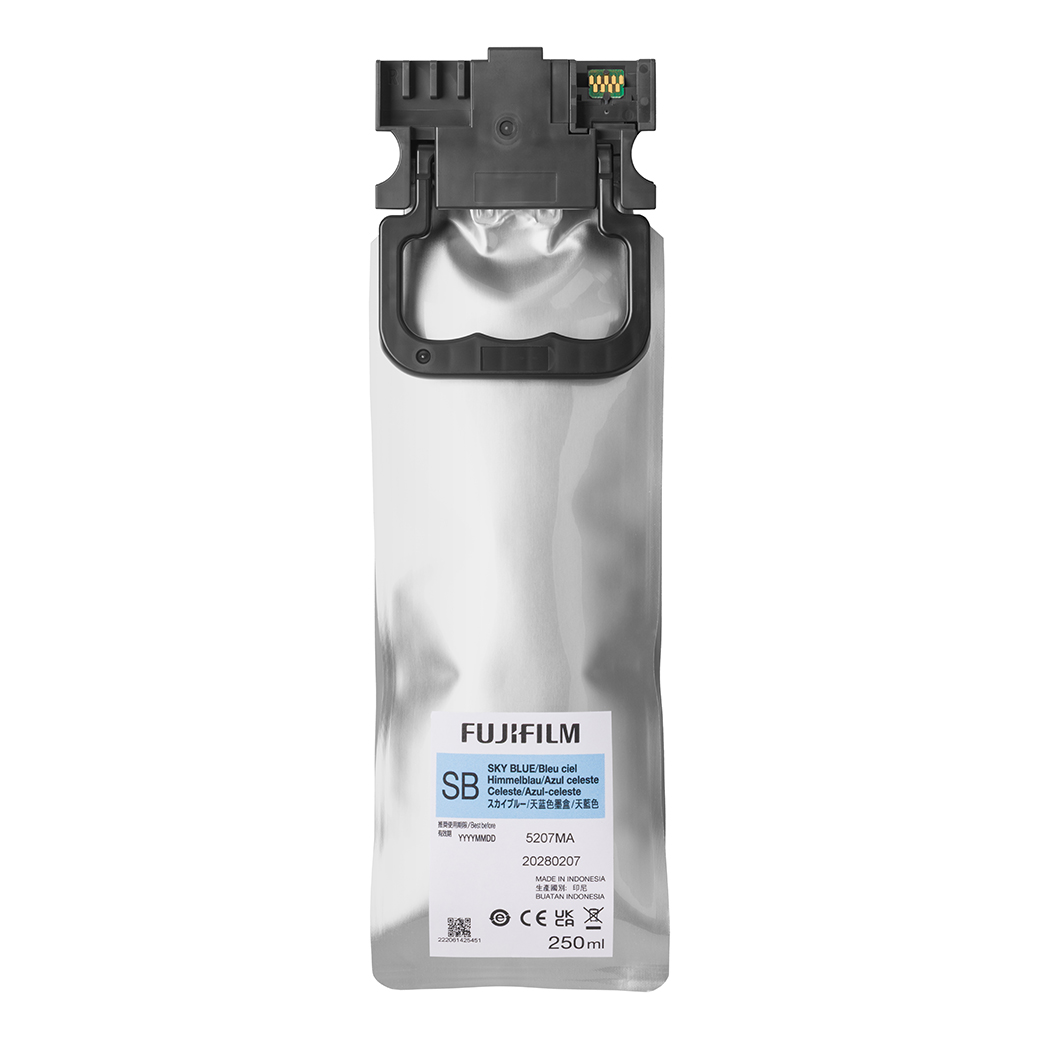
Shown: Fujifilm Sky Blue Ink for DX400W—part of a balanced color set for long-run reliability.
Pair your papers and inks with appropriate RA chemistry and maintenance routines for clean, neutral prints. Unique Photo also supports matte finishes for subdued, elegant portrait presentation—Fujifilm Super Type CN matte papers are a favorite for softer tonality.
Darkroom enlarging: lenses and paper choice
For traditional optical prints, an enlarger lens with high resolving power and flat-field performance makes a tangible difference. The Used Rodenstock 240mm f/5.6 Rodagon‑G is renowned among large-format printers for edge-to-edge sharpness and contrast control. Combine premium optics with color papers or fine B&W fiber papers for archival results. When working with RA color processes, match paper type to intended finish (glossy for punch, matte for subtlety) and maintain precise temperature control for consistency.
Scanning your film: getting the most from negatives
If you scan instead of print in the darkroom, expose for the look you want, then aim for consistent development. Calibrate your scanner and tailor your color profile to the film stock—Ektar benefits from restrained saturation during inversion; Portra often likes gentle contrast and careful skin tone balancing. Keep a reference workflow so your results remain repeatable across rolls.
Community examples: what shooters are seeing
Across the thread, users consistently report:
- Portra portraits with soft, flattering skin tones and rich shadow detail.
- Ektar landscapes with crisp microcontrast and saturated blues/reds.
- Tri‑X street frames with lively grain and punchy mid-tones—especially when pushed.
- Delta 3200 night scenes with expressive grain and atmospheric highlights.
Share your results with the Unique Photo community—describe your film, EI rating, meter method, and lab notes so others can learn from your workflow.
Gear to support your film journey
Protecting your lenses and keeping your hybrid setup running smoothly makes film shooting easier day-to-day.
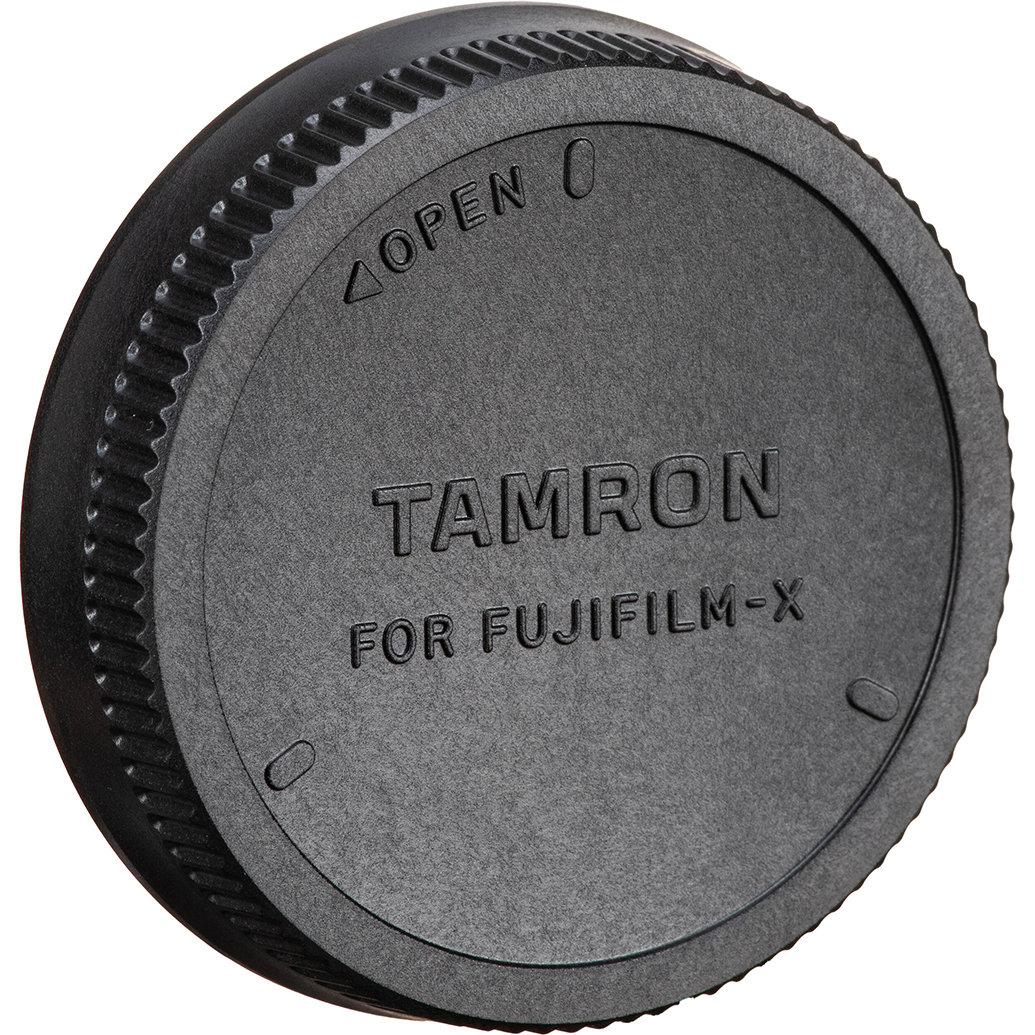
Shown: Tamron RMC‑FUJI rear lens cap—simple protection that prevents dust, moisture, and accidental damage to your lens mount.
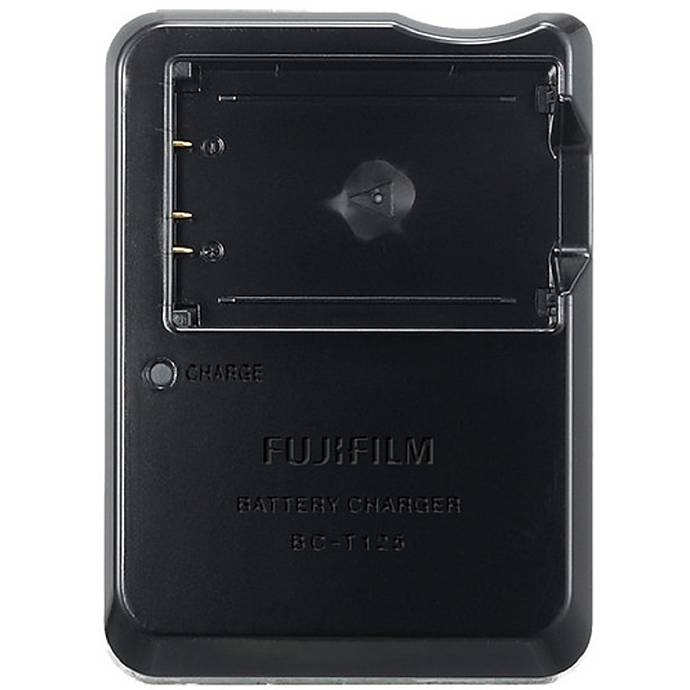
Shown: Fujifilm BC‑T125 charger for GFX systems—ideal if you’re digitizing your film workflow with a high‑resolution camera scan setup and need reliable power management.
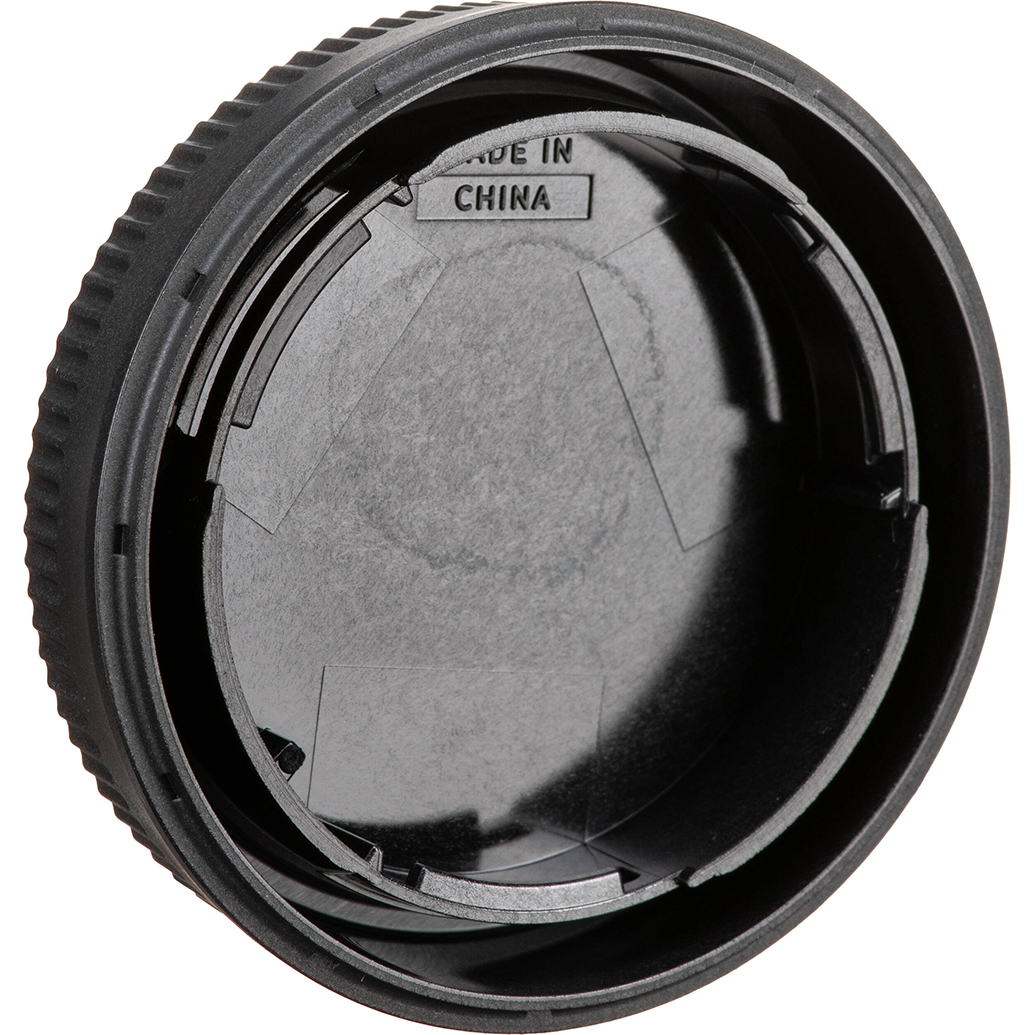
Alternate view: Tamron rear lens cap—compact, durable, and easy to locate in a crowded camera bag.
Quick selection guide: matching film to subject
- Portraits: Portra 160/400; HP5 400 for B&W.
- Landscapes: Ektar 100; Velvia/E100 for slide drama.
- Street: Tri‑X/HP5 400 (pushable); Portra 400 for color latitude.
- Low light: Delta 3200, T‑Max P3200; CineStill 800T; push Portra 400.
When in doubt, pick a versatile 400-speed stock, expose generously for shadows, and let your lab or darkroom tweaks refine contrast to taste.
Conclusion: next steps at Unique Photo
Your ideal film depends on subject, light, and the look you want in print or scan. Start with a stock that matches your priorities, test at a couple of EIs, note your lab settings, and refine. For supplies and gear, Unique Photo can help you dial in every part of the workflow—from film and used cameras to papers, chemistry, and accessories.
Internal linking suggestions:
- Shop Film (35mm & 120)
- Darkroom Supplies (papers, chemistry, enlarging)
- Used Film Cameras & Lenses
- Fujifilm Paper & Mini Lab Supplies
- Photo Lab Printing Services
Visit Unique Photo online or in-store to explore film stocks, ask questions, and share your results with the community.