Travel Cameras Compared: What Matters Most on the Road
When photographers debate the best camera for travel, the discussion usually comes down to a few practical priorities: size, weight, durability, and image quality. Some travelers want the lightest possible kit for city walks, flights, and day trips, while others are willing to carry more if it means getting stronger low-light performance, better lenses, and more room to grow creatively.
Because the available products here do not include multiple camera bodies, this comparison approaches the topic the way many photographers actually do: by comparing a compact, lightweight travel setup against a higher-end travel-oriented system built around premium optics and supporting gear. That makes this a useful guide for deciding whether portability or ultimate image quality should lead your travel buying decision.
Side-by-Side Travel Setup Comparison
| Category | Compact Travel Setup | Higher-End Travel Setup |
|---|---|---|
| Best For | Minimal packing, casual travel shooting, all-day carry | Landscape, architecture, environmental portraits, premium results |
| Core Travel Philosophy | Keep gear light and simple | Accept more gear for better image quality and creative flexibility |
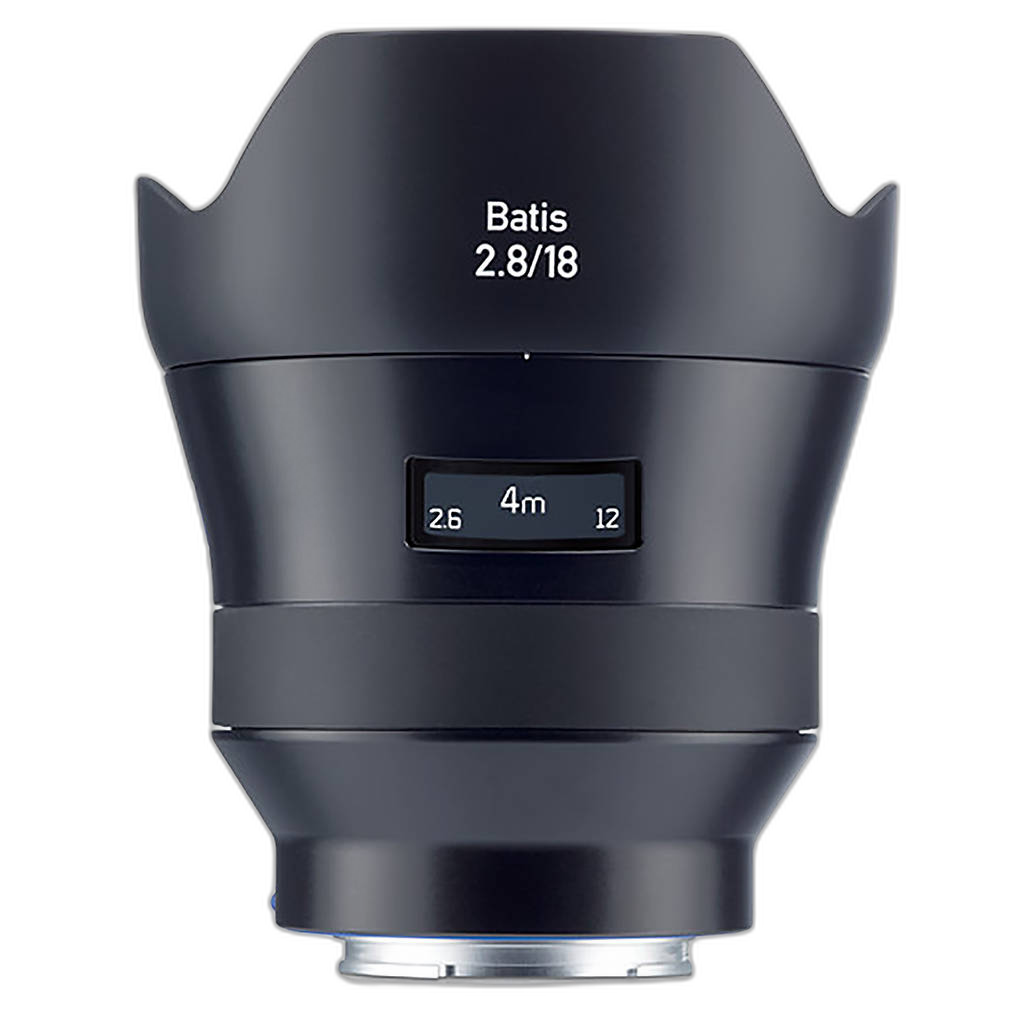
| Representative Product | Peak Design Travel Crossbody 3L Sage | Zeiss Batis 18mm f/2.8 AF lens for Sony Full Frame E-Mount Cameras |
| Portability | Excellent | Moderate |
| Optical/Image Potential | Good for streamlined kits | Excellent, especially for wide travel scenes |
| Durability Focus | Bag-based protection and easier carry | Premium lens build suited for serious use |
| Travel Shooting Style | Walkaround, street, quick access | Intentional shooting, scenic work, editorial-style travel imagery |
| Who Should Choose It | Photographers prioritizing comfort and mobility | Photographers prioritizing output quality and lens performance |
How Travel Photographers Usually Break Down the Decision
Most travel camera recommendations fall into two camps. The first favors compact bodies and smaller bags so the camera is always with you. The second favors higher-end systems because travel often brings once-in-a-lifetime scenes, and many photographers do not want to compromise when it comes to detail, dynamic range, or lens rendering.
In other words, the best travel camera is not always the smallest one. It is the one you will comfortably carry and trust when the light gets beautiful, the streets get busy, or the landscape opens up in front of you.
Size and Weight
This is usually the first consideration. A compact travel setup wins if your goal is to move quickly through airports, museums, markets, and long walking days. A smaller kit is easier to keep at your side and less likely to become a burden by late afternoon.
The Peak Design Travel Crossbody 3L Sage represents that minimalist approach well. A small travel bag encourages discipline: one body, one lens, extra battery, cards, and a few essentials. That simplicity often leads to more spontaneous photography because you are not constantly deciding what to carry.
By contrast, a higher-end setup built around premium glass like the Zeiss Batis 18mm f/2.8 asks you to accept a little more size in exchange for better output. It is still a very travel-relevant focal length, especially for architecture, landscapes, interiors, and environmental scenes, but it is part of a more intentional system approach rather than an ultra-minimal one.
Durability and Real-World Travel Practicality
Travel gear needs to handle movement, weather changes, quick packing, and occasional bumps along the way. Photographers who travel frequently often prefer gear that feels robust and dependable, even if it is not the smallest option available.
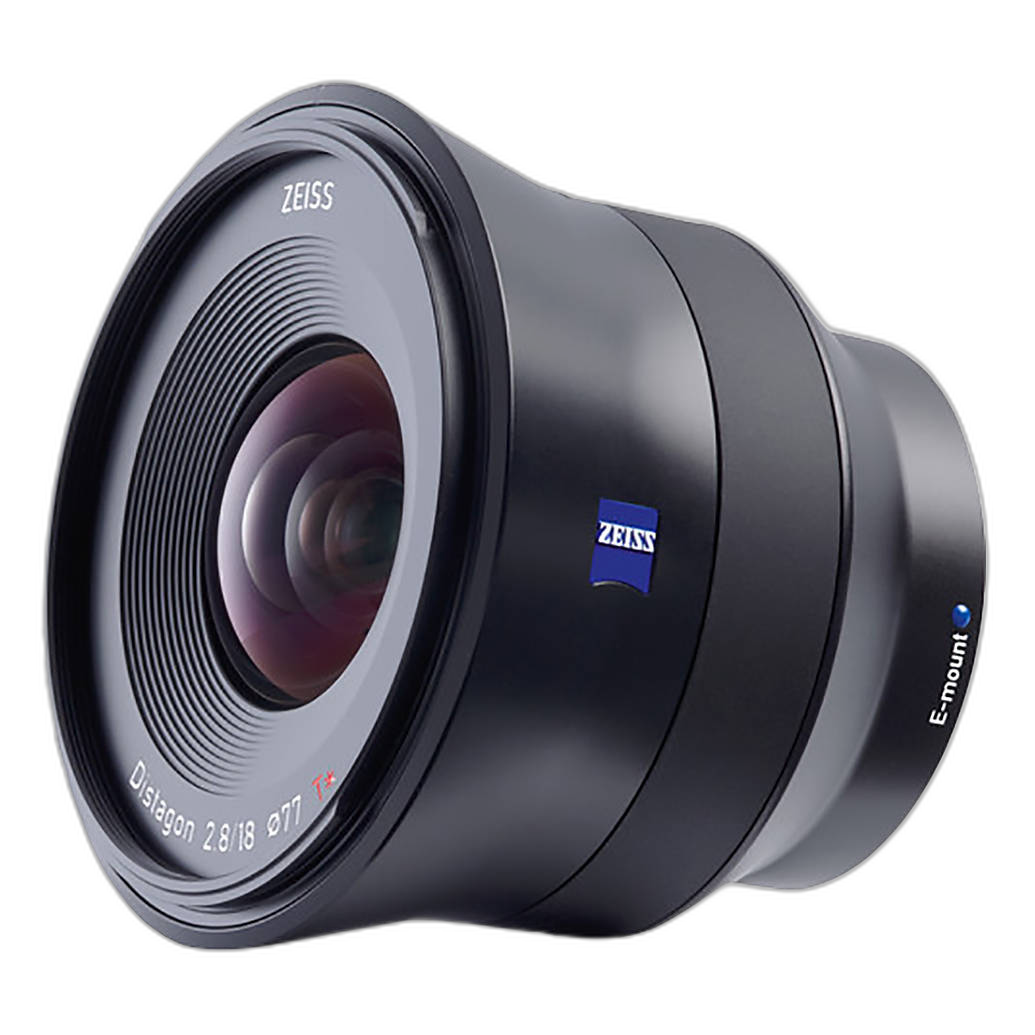
Premium lenses tend to inspire more confidence over time, particularly for photographers who shoot often and expect consistent performance. The Zeiss Batis line has long appealed to shooters who want a polished, high-quality feel in a travel-capable package.
That said, durability is also about how you carry your gear. A compact bag can make a real difference in keeping equipment protected while staying easy to access. For many travelers, the smartest durability decision is not just buying tougher gear, but also reducing how much gear gets exposed during the day.
Image Quality
This is where higher-end travel setups justify their place. If image quality is your top priority, a premium lens can have more impact on your final photos than shaving a few ounces from your bag. The Zeiss Batis 18mm f/2.8 AF lens for Sony Full Frame E-Mount Cameras is a strong example of a travel-friendly premium optic because the 18mm focal length is highly useful on the road.
For travel photography, 18mm is especially appealing for:
- Expansive landscapes
- Cityscapes and architecture
- Interior travel scenes
- Environmental portraits
- Dramatic storytelling compositions
A lens like this supports the kind of image quality enthusiasts and professionals often want when traveling to memorable destinations. If your trips are centered around making portfolio-worthy images rather than simply documenting the journey, higher-end glass becomes easier to justify.
Ease of Use While Traveling
Compact travel kits generally win here. Less gear means faster setup, less fatigue, and fewer decisions. That matters when you are navigating unfamiliar streets, changing transportation, or trying to enjoy the trip without overthinking your equipment.
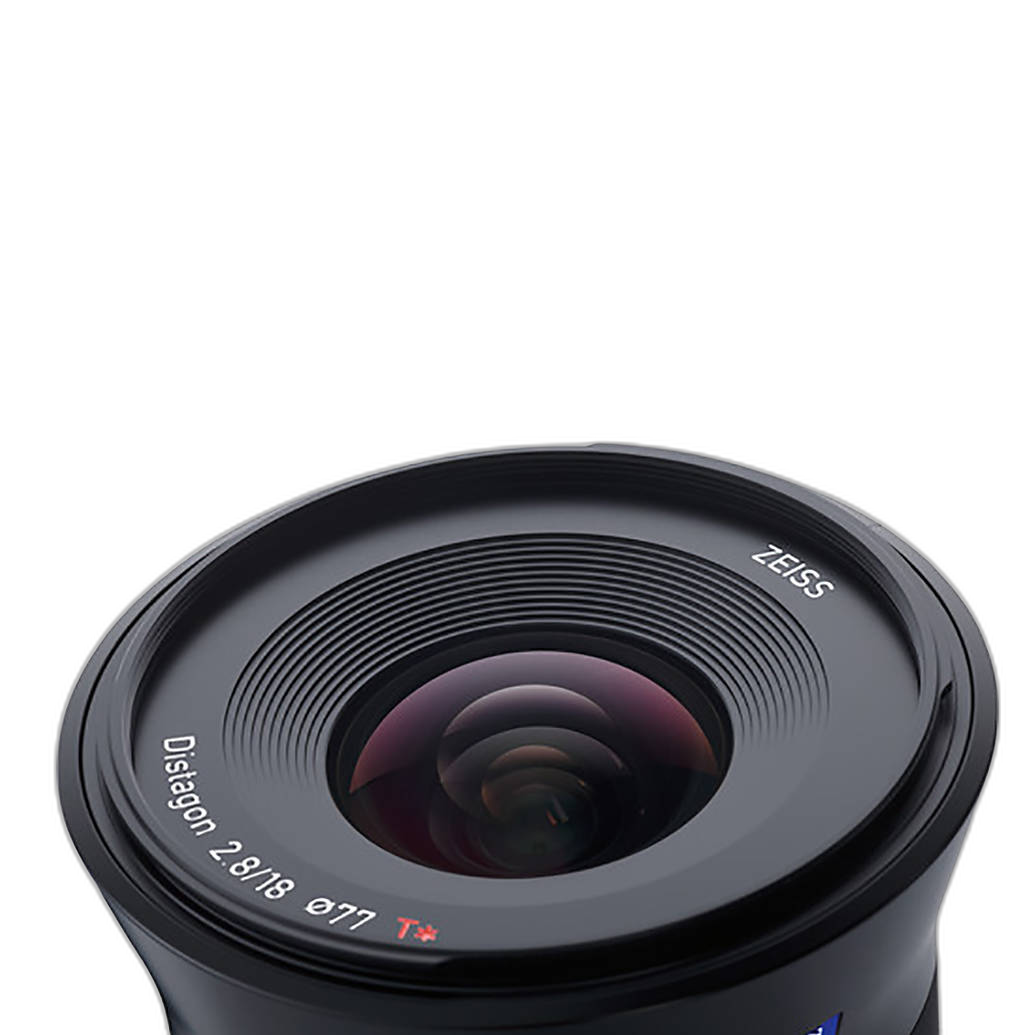
But ease of use is not always about having the least gear. For some photographers, a well-chosen high-end lens on a familiar camera body is actually the simplest solution. One excellent wide-angle lens can cover a huge range of travel subjects and reduce lens swapping altogether.
Who Should Go Compact?
A compact travel setup is the better choice if you:
- Walk long distances every day
- Want to carry as little as possible
- Prefer casual or documentary-style travel shooting
- Need a kit that stays comfortable from morning to night
- Value convenience over ultimate image quality
This is the setup style many travelers actually use most successfully, because it removes friction and makes it more likely the camera is always with you.
Who Should Go Higher-End?
A premium travel setup makes more sense if you:
- Travel specifically to make great photographs
- Print your work or deliver client-level results
- Care deeply about lens rendering and edge-to-edge quality
- Shoot landscapes, architecture, or interiors often
- Are comfortable carrying a more serious kit
For these photographers, travel is not just about portability. It is about coming home with images that fully reflect the experience.
Our Pick
Our Pick: The higher-end travel setup built around the Zeiss Batis 18mm f/2.8 AF lens for Sony Full Frame E-Mount Cameras.
If we have to choose one direction for photographers who care most about balancing travel practicality with truly strong image quality, the premium-lens route is the better long-term recommendation. The Zeiss Batis 18mm f/2.8 gives travelers a versatile, high-value focal length for many of the subjects that define travel photography, from sweeping exteriors to immersive street scenes.
That said, the best supporting strategy is to keep the rest of the kit lean. Pairing a premium lens with a disciplined carry solution is often the smartest middle ground between comfort and performance.
Final Thoughts
Photographers will always have different opinions about the best travel camera because travel itself varies so much. Some want the lightest setup possible, while others prioritize image quality enough to carry premium gear. In practice, the best option is the one that matches how you travel and what you want your photos to become afterward.
If your priority is effortless portability, keep your setup small and streamlined. If your priority is getting the most impressive travel images you can, investing in better optics is often the more meaningful upgrade. For photographers building a travel kit with confidence, Unique Photo is a great place to explore dependable gear and expert-backed recommendations.