Entering a photo contest can be exciting, but strong images alone do not always guarantee strong results. Winning submissions usually combine great storytelling, careful editing, thoughtful presentation, and close attention to the rules. Whether you are entering a local club competition or a larger themed contest, these best practices can help you present your work with more confidence and professionalism.
If you regularly print and review your images, keeping selects organized in a physical album like the Pioneer 4 x 6 In. Bi-Directional Memo Photo Album (200 Photos) - Black can make it easier to compare entries side by side before you submit. 
1. Read the Contest Rules Carefully
Know the theme, file specs, and restrictions
One of the fastest ways to weaken your chances is to submit a photo that does not match the theme or technical requirements. Before choosing an image, review the contest guidelines for category definitions, aspect ratio rules, file size limits, editing restrictions, deadlines, and eligibility. Some contests allow only minimal retouching, while others welcome more creative post-production.
Create a simple checklist before uploading so you do not miss small but important details such as naming conventions or required captions.
2. Choose One Clear, Memorable Image
Favor impact over quantity
If a contest allows multiple entries, resist the urge to submit several versions of the same idea. Judges often respond best to a single image with a strong subject, clear composition, and emotional pull. Ask yourself what makes the frame memorable in just a few seconds.
Printing small proofs and storing contenders in something like the Pioneer 4 x 6 In. Embossed Leather Frame Photo Album (200 Photos)-Brown can help you step back from the screen and judge images more objectively. 
3. Edit with Restraint
Polish the photo without overprocessing it
Good editing should strengthen your image, not distract from it. Clean up exposure, color balance, contrast, and cropping, but avoid heavy-handed sharpening, unnatural saturation, or excessive skin smoothing unless the contest style specifically supports that look.
If you want to refine your post-processing workflow, educational tools like Editing and Enhancing Landscape and Nature Photography with Photoshop or UUOnline: Photoshop Mentoring (Session 3) can help you make stronger, more controlled adjustments that still feel authentic. 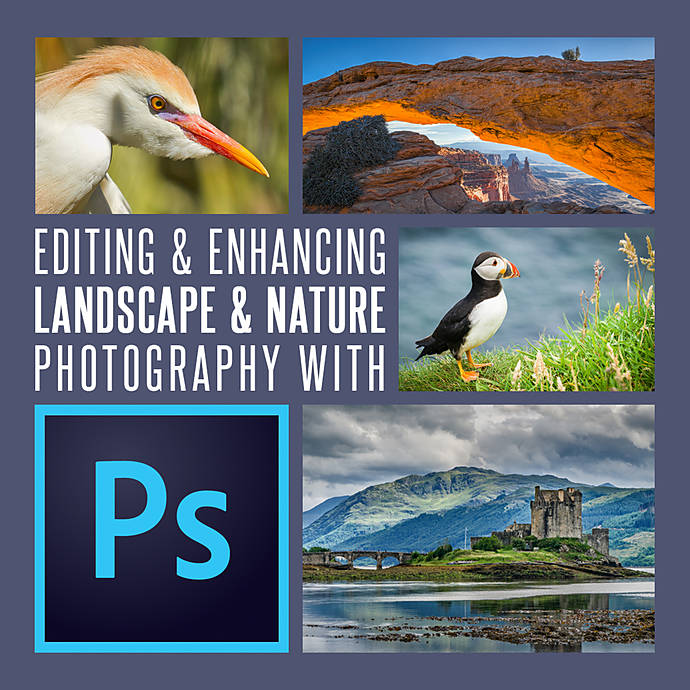

4. Pay Attention to Storytelling
Make the viewer feel something
Technical quality matters, but many contest images stand out because they communicate a moment, mood, or idea immediately. Look for gesture, timing, light, and context that add meaning. A simple photograph with a strong emotional connection often outperforms a technically perfect image that feels generic.
For photographers who enjoy people, street, or celebration imagery, learning from programs like Seminar: How to Capture Great Festival and Event Photos with David Wells can sharpen your instinct for timing and visual storytelling. 
5. Crop and Format for the Final Presentation
Optimize the image for how it will be judged
Some contests are judged on screens, others in print, and some in projected presentations. Prepare your file for the actual viewing format. Check edge distractions, horizon lines, and whether your crop strengthens the subject. Leave enough resolution for the contest requirements, and export using the requested color space and dimensions.
This is also where careful review helps. If you maintain printed finalists in a ring-bound organizer like the DF Memo Ring-Bound 2up Classic Album, it becomes easier to compare crops and sequencing when choosing the final submission.
6. Get Feedback Before You Enter
Use outside opinions to catch weak points
Fresh eyes can reveal issues you have stopped noticing, from awkward cropping to over-editing or unclear subject emphasis. Ask a trusted photographer, mentor, or photo community to review your top choices. Feedback is especially useful if a contest theme is broad and you are unsure which image has the strongest impact.
Watching contests and winner reviews, such as UUOnline (Free): NJ Monthly 2020 Cover Search Contest Winners Reveal, can also give you insight into what judges often respond to in real-world submissions. 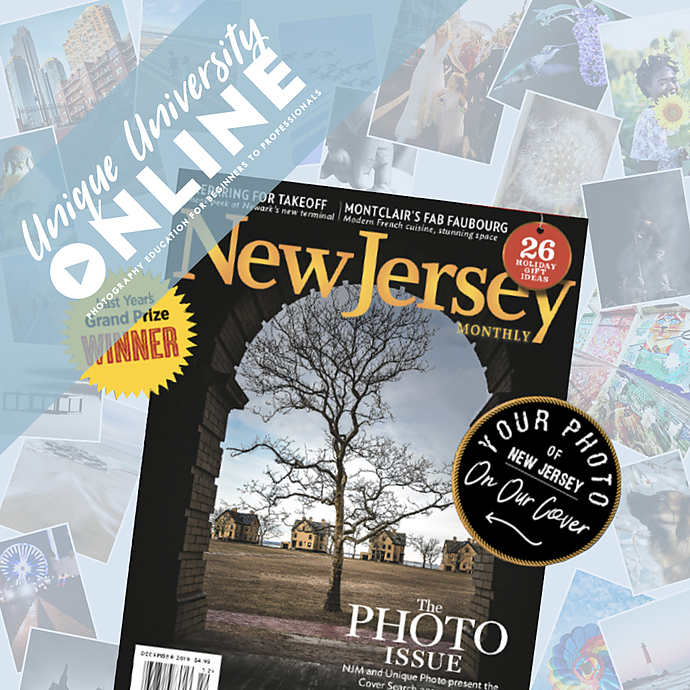
7. Keep Your Best Work Organized
Build a submission-ready archive
Contest opportunities come up quickly, and disorganization can lead to rushed decisions. Keep your best printed images, notes, and alternates together so you can revisit them when new contests appear. Albums such as the Pioneer 4 x 6 In. Bi-Directional Memo Photo Album or the matching Pioneer Album Refill Pages for BP-200 Album make it easy to expand your archive as your portfolio grows. 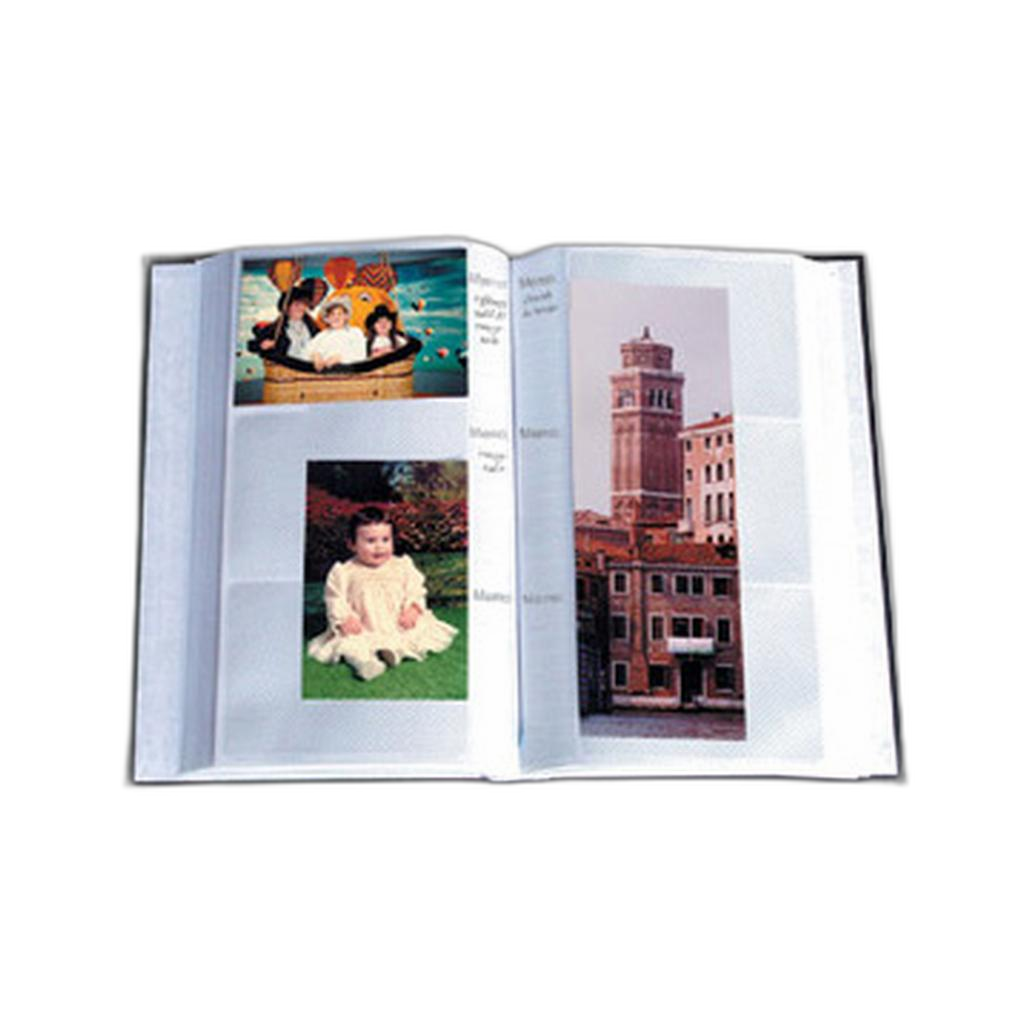
8. Double-Check Everything Before Hitting Submit
Review the small details that matter
- Confirm the correct file was uploaded
- Check spelling in titles and captions
- Make sure metadata does not violate anonymous judging rules
- Verify the image meets the stated dimensions and size limit
- Submit before the deadline to avoid technical problems
A careful final review shows professionalism and prevents avoidable mistakes from hurting an otherwise strong entry.
Conclusion
Winning contest photos are usually the result of strong vision paired with smart preparation. By following the rules, choosing your most compelling image, editing thoughtfully, and presenting your work carefully, you give yourself the best chance to stand out. Keep learning, keep refining, and keep entering. For tools, education, and photo organization essentials to support your next submission, explore more from Unique Photo.