Photo contests can be thrilling, but they also come with one big gray area: editing. A little contrast adjustment or dust-spot cleanup is usually fine, while compositing, object removal, or AI-generated elements may get your image disqualified. The key is understanding where creative post-processing ends and rule-breaking begins. If you want your work judged on its merits instead of questioned over its authenticity, these tips can help you stay on solid ground.
Start with the Contest Rules, Not Your Assumptions
1. Read every category description carefully
Different contests define acceptable editing differently. A fine art category may welcome dramatic tonal shifts, while documentary, wildlife, and photojournalism categories often prohibit adding, moving, or removing content. Words like minor adjustments, faithful representation, and no manipulation matter. Before you submit, read the guidelines line by line and check whether RAW files or original JPEGs may be requested.
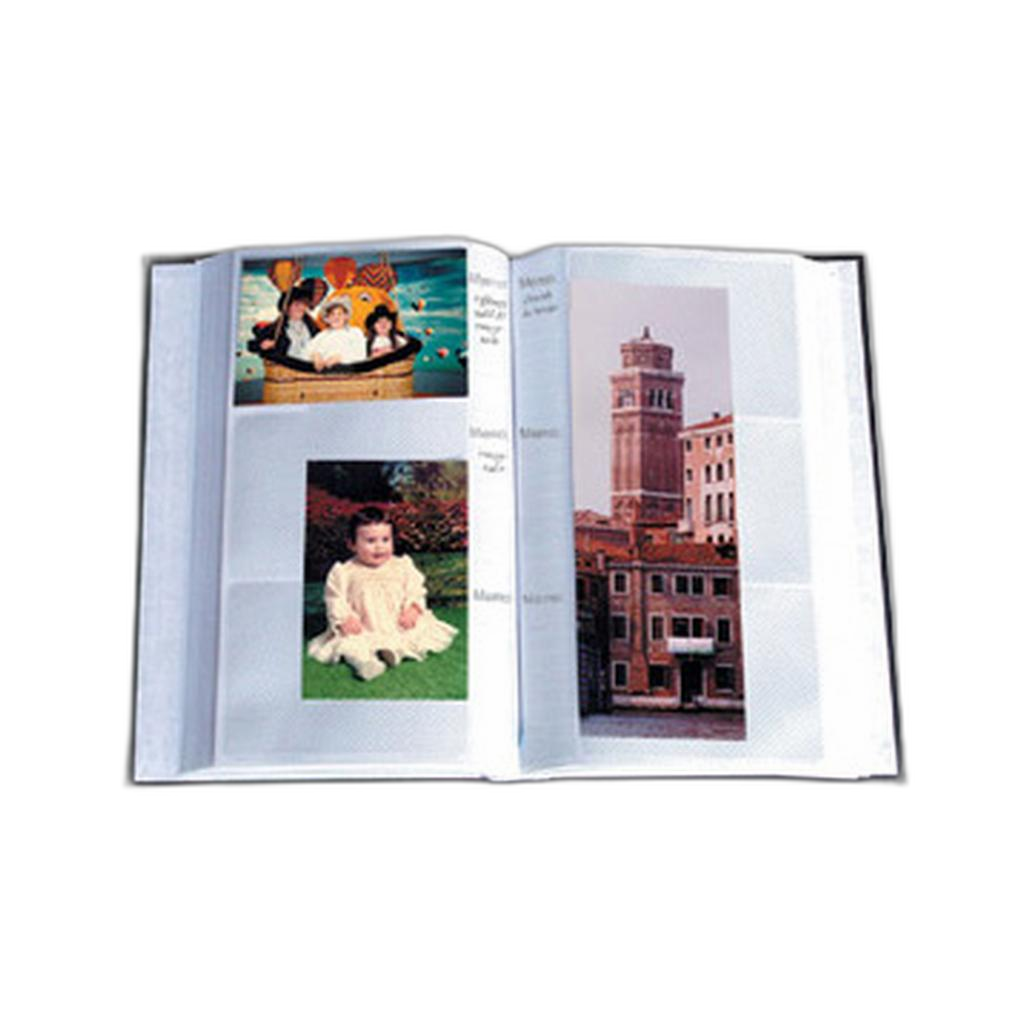
If you are building a submission workflow, it helps to keep notes and printed references. A simple physical archive, like the Pioneer 4 x 6 In. Bi-Directional Memo Photo Album, can be useful for storing test prints, rule summaries, and past contest notes alongside your images.
Know the Difference Between Correction and Manipulation
2. Basic global edits are usually acceptable
In many contests, reasonable adjustments to exposure, white balance, contrast, sharpening, noise reduction, and color are considered normal finishing steps. Cropping may also be allowed, depending on the rules. These changes refine what the camera captured without fundamentally changing the scene.
3. Content-changing edits are where problems begin
Removing power lines, cloning out distractions, replacing skies, blending multiple frames, adding blur effects in post, or combining subjects from different moments can quickly move an image into disallowed territory. Even if the result looks natural, it may violate the contest's expectation that the scene be represented honestly.
When in doubt, ask yourself one question: Would a judge consider this the same moment I originally photographed? If the answer is no, the edit may be too much.
Be Especially Careful in Documentary and Nature Categories
4. Wildlife, travel, and journalism contests often have the strictest standards
These categories are built on trust. Judges and audiences expect the photograph to reflect reality, not a digitally improved version of reality. That means no baiting implications, no heavy subject isolation that changes context, and no deleting elements that affect the story of the frame.
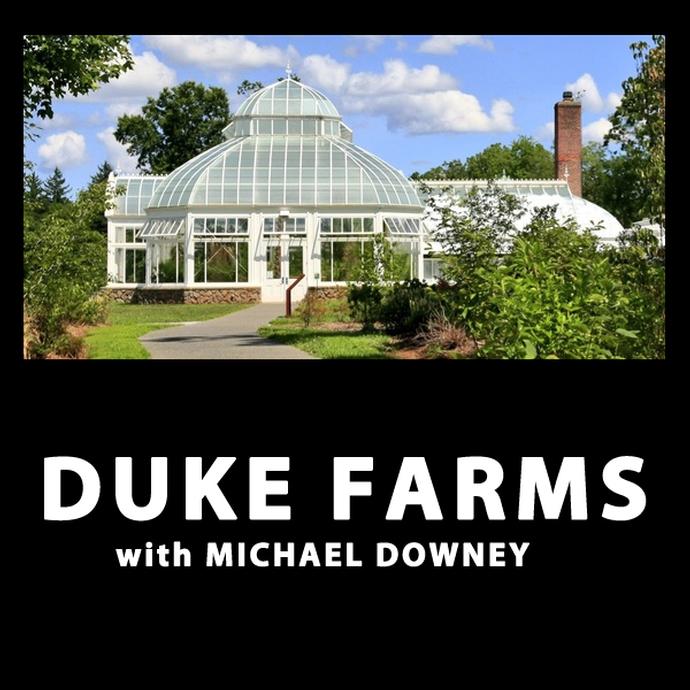
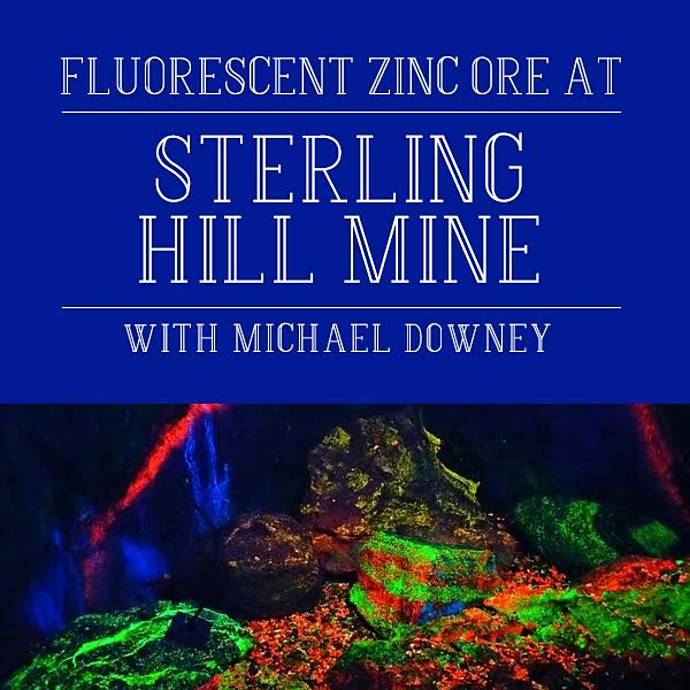
Educational experiences can sharpen your judgment here. Field-based learning opportunities such as Macro and Landscape Photography at Duke Farms with Michael Downey or Photograph Fluorescent Zinc Ore at Sterling Hill Mine can help photographers strengthen technique in-camera so they rely less on extreme editing later.
Keep Your RAW Files and Editing History
5. Always save originals and export versions
Many reputable contests ask finalists to provide RAW files or original captures for verification. If you cannot produce them, even an honestly edited image may be rejected. Save your RAW file, layered file if applicable, and final export. Keeping a clear sequence of your workflow protects you if questions come up.
For photographers who like a physical backup of key work, albums and refill pages can help organize contact prints or proof sets by contest and date. The Pioneer Album Refill Pages for BP-200 Album are handy for extending an archive as your submissions grow.
Print Your Image Before You Submit
6. Prints reveal overediting fast
An image that looks dramatic on a bright screen can fall apart in print. Oversharpening, crushed shadows, halos, unnatural saturation, and sloppy masking often become much more obvious on paper. Making a print is one of the best ways to judge whether your editing still feels credible and polished.
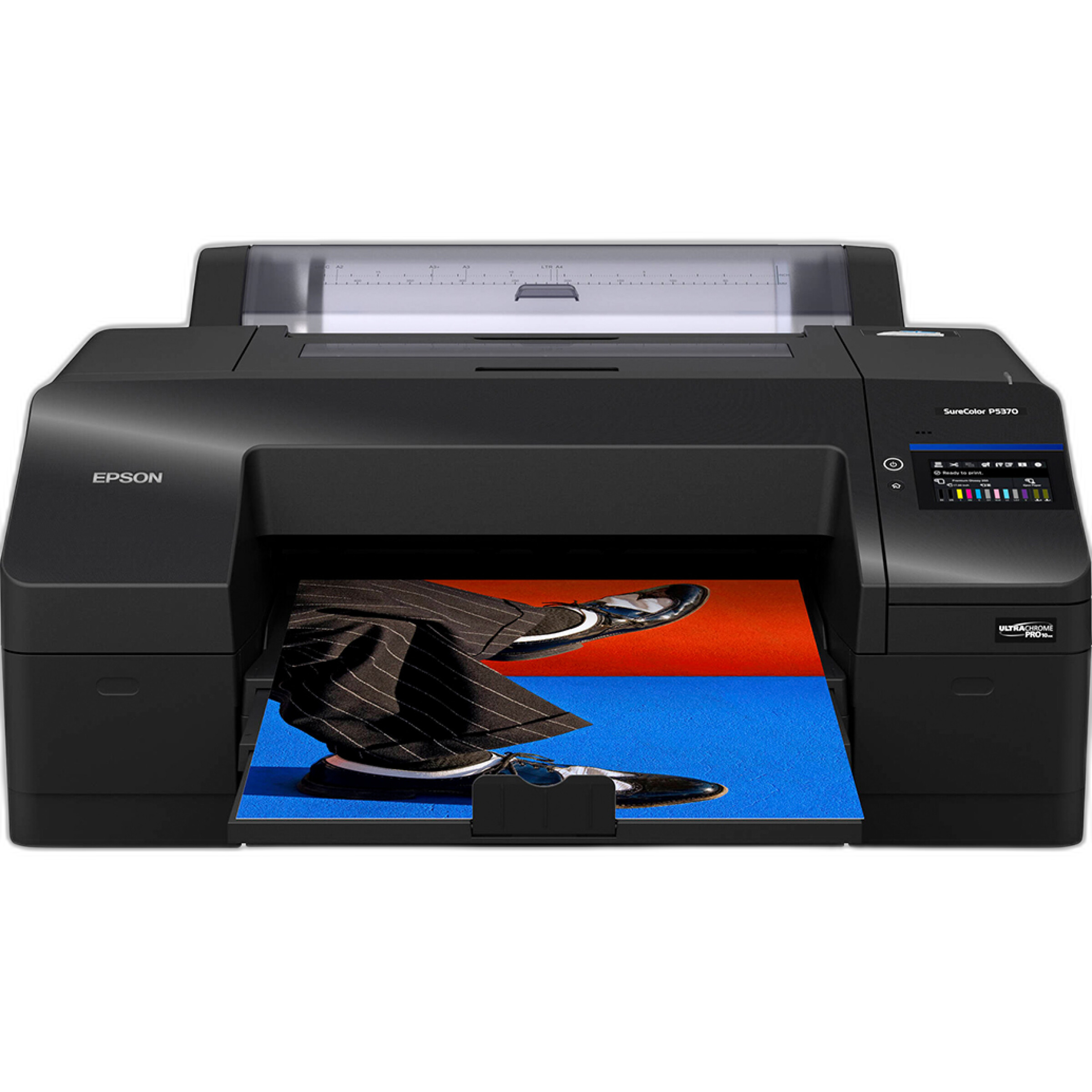
A strong setup for proofing contest entries could include the Epson SureColor P5370 17-Inch Professional Photographic Printer paired with Kodak Professional Metallic Photo Inkjet Paper 44 x 100 Roll when you want to evaluate detail, tonal transitions, and presentation quality more critically.
Don't Let Style Override Honesty
7. A strong visual voice is fine, but it should still fit the category
Every photographer develops a look, whether that means bold contrast, muted color, deep blacks, or airy highlights. Style itself is not unethical. The issue is whether your style crosses the contest's line for accuracy. A heavily stylized landscape may be acceptable in an open category but questionable in a nature competition that expects a truthful rendering.
Studying how experienced photographers present their work can be helpful. Programs like EXPO: Stories from the Road - Photography Across Worlds w. Matthew Borowick can offer perspective on storytelling, editing choices, and how photographic intent shapes ethical decisions.

Captioning and Context Matter Too
8. Be accurate in your descriptions
Ethics in contests are not only about pixels. Misleading captions, vague location claims, or omitted context can also create problems. If an image was made at a workshop, in controlled conditions, or with permitted staging, disclose it if the rules require it. Transparency supports credibility.
When You're Unsure, Disclose or Choose Another Image
9. The safest contest entry is one you can defend confidently
If you are wondering whether a specific retouch, composite element, or AI tool use is pushing too far, that hesitation is worth listening to. Reach out to the organizers, review the rules again, or submit a different frame. It is better to enter a cleaner, fully compliant image than risk disqualification over a borderline edit.
Some photographers find it useful to maintain a physical shortlist of contest-ready images in archival albums. The Pioneer TS-246 Oxford Brass Corner Photo Album can be part of that review process, especially when comparing alternate edits and deciding which version feels most authentic.
Conclusion
In photo contests, "too much editing" usually means any change that misrepresents the original scene or breaks the specific rules of the category. The best approach is simple: know the guidelines, edit with restraint, preserve your originals, and be honest about your process. If you want to improve both your technique and presentation, Unique Photo offers classes, events, printing tools, and photo organization products that can help you submit with confidence.