Wedding photographers and hybrid shooters ask this question constantly: do you really need a gimbal, or can modern in-body image stabilization do enough on its own? The honest answer is that it depends on how you shoot, how much you move, and how polished you want your video coverage to look. For some creators, a gimbal is essential for cinematic entrances, smooth aisle tracking shots, and dynamic reception footage. For others, a stabilized camera, careful technique, and a lighter footprint are the better choice for long wedding days.
This guide is for wedding photographers adding video, videographers refining their kit, and hybrid shooters deciding whether portability or maximum smoothness matters more. Since the provided catalog does not include dedicated gimbal hardware, the recommendations below focus on the best educational resources and learning tools to help you decide when a gimbal is worth carrying, when IBIS is enough, and how to improve your wedding coverage either way.
Do You Need a Gimbal for Weddings?
A gimbal is most useful when you want consistently smooth motion while walking, circling a couple, following a bride down the aisle, or creating polished establishing shots of venues and receptions. It can make footage look more cinematic than handheld stabilization alone. But it also adds setup time, balancing time, fatigue, and one more piece of gear to manage during a fast-moving event.
For many wedding shooters, IBIS can absolutely cover parts of the day: static vows, prep details, speeches, handheld cutaways, and tighter focal lengths where movement is minimized. However, IBIS usually cannot fully replace a gimbal for long walking shots or movement-heavy sequences where horizon stability and float-like motion matter.
Best rule of thumb: if video is a major deliverable and you regularly promise cinematic motion, a gimbal is often worth it. If video is secondary to photography, or you prefer a fast documentary style, strong IBIS and disciplined handheld technique may be enough.
What Matters Most When Choosing a Gimbal Strategy
| Factor | Why It Matters for Weddings | When It Favors a Gimbal | When IBIS May Be Enough |
|---|---|---|---|
| Ease of Use | Wedding timelines move fast and leave little room for setup | You practice regularly and can balance quickly | You want minimal gear complexity |
| Portability | Long days make heavy rigs exhausting | You prioritize signature moving shots | You need to stay nimble all day |
| Camera Stabilization | Modern cameras reduce shake well for many moments | You need walking and tracking shots | You shoot mostly static or short clips |
| Lens Choice | Heavier lenses are harder to stabilize and balance | You use compact primes or balanced zooms | You stay with lighter handheld setups |
| Shooting Style | Documentary and cinematic styles demand different tools | You build sequences with motion | You favor natural, observational coverage |
Our Pick
Our Pick: PCS: Video for Photographers with Shiv Verma (Lumix) is the strongest recommendation for wedding photographers deciding whether to commit to a gimbal workflow. Before buying more support gear, understanding motion, camera handling, and how to transition from stills to video is the smartest investment.
Recommended Resources for Wedding Shooters Debating Gimbals
PCS: Video for Photographers with Shiv Verma (Lumix)
This is the most directly relevant recommendation for shooters trying to improve wedding video without guessing their way through technique. If you're unsure whether your camera's IBIS is enough or whether a gimbal would meaningfully improve your footage, a course built around video fundamentals can help you make that call with more confidence.
Why it stands out:
- Best fit for photographers transitioning into wedding video
- Helps build better camera movement habits before adding more gear
- Useful for understanding when stabilization comes from technique, camera features, or support tools
Best for: hybrid wedding shooters, photographers adding highlight films, and creators comparing handheld versus gimbal-based coverage.
Filmmaking Essentials for Photographers by Eduardo Angel
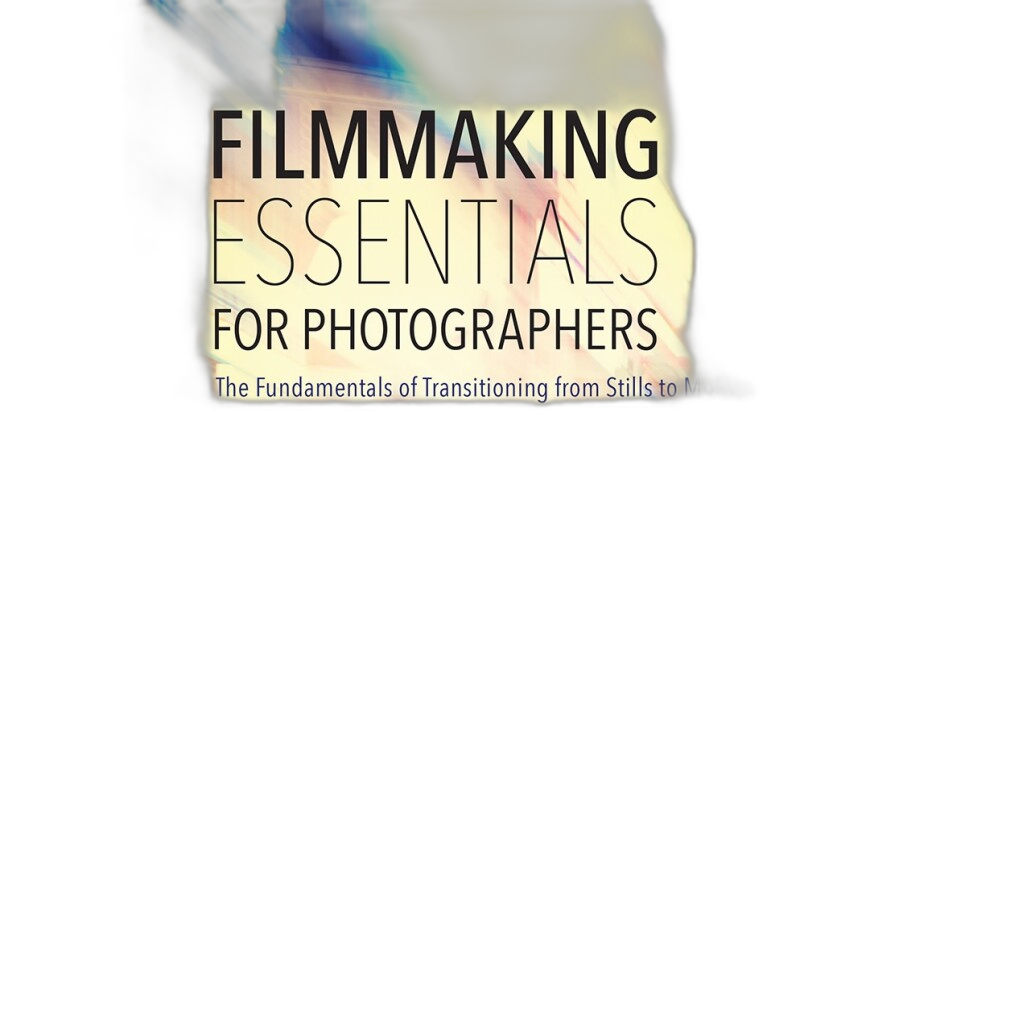
If you're evaluating whether a gimbal is a necessity or just one option in a larger video toolkit, this book is a smart buy. Wedding shooters often over-focus on gear when storytelling, shot selection, and camera movement discipline matter just as much. A filmmaking guide helps put stabilization in context.
Why it stands out:
- Excellent for photographers who want broader video knowledge
- Helps define when motion supports storytelling and when static shots are stronger
- Useful foundation before investing in heavier wedding video rigs
Best for: shooters building a cinematic wedding workflow from the ground up.
50 Things Photographers Need to Know About Focus by John Greengo
One of the overlooked truths about gimbal use at weddings is that stabilization only solves one problem. If focus control is inconsistent, smooth motion won't save the footage. For wedding shooters balancing movement, subject tracking, and changing light, focus knowledge can be just as valuable as stabilization hardware.
Why it stands out:
- Addresses a critical issue for moving wedding footage
- Especially useful if you shoot wide open during ceremonies and receptions
- Helps improve keeper rate whether you use a gimbal or not
Best for: videographers and hybrid shooters who need stronger autofocus and focus-management skills during motion.
UUOnline (Free): Photographers and Relationships with Mike Grippi

At first glance this may seem unrelated to gimbals, but wedding work is as much about client management and presence as gear. A large gimbal setup can either impress clients or get in the way of intimate moments if used poorly. Learning how to work around people gracefully is valuable when deciding whether bigger support gear fits your style.
Why it stands out:
- Free resource with practical value for wedding professionals
- Helps shooters think beyond gear specs
- Supports a smoother client experience on emotionally important days
Best for: wedding professionals who want their production approach to feel polished but unobtrusive.
When a Gimbal Makes the Most Sense at a Wedding
You should lean toward using a gimbal if most of the following apply:
- You deliver dedicated wedding films, not just short clips
- You frequently shoot walking sequences and venue reveals
- You want a polished cinematic look with deliberate camera movement
- Your camera and lens combination is compact enough for practical all-day use
- You have time to practice balancing, operating modes, and transitions
In these cases, a gimbal is less a luxury and more a creative tool that expands your shot list.
When IBIS and Handheld Shooting Are Usually Enough
You may not need a gimbal for every wedding if these points sound more like your workflow:
- Photography is still your primary deliverable
- You only capture short video clips for social reels or highlight add-ons
- You value speed, discretion, and reduced fatigue
- Your camera's in-body stabilization is strong and your lenses are relatively light
- You prefer documentary realism over highly stylized motion
For many shooters, this is the more sustainable approach. Great wedding coverage often comes from being in the right place at the right time, not from carrying the most elaborate rig.
Quick Decision Guide
| Your Situation | Recommendation |
|---|---|
| You shoot full wedding films and want cinematic motion | Invest time in a gimbal workflow and video education |
| You are a photographer adding light video coverage | Start with handheld and IBIS, then add a gimbal if clients demand more motion |
| You struggle with setup speed and fatigue | Prioritize portability and technique over larger rigs |
| You are unsure whether gear or skill is the limiting factor | Start with training resources before buying more hardware |
Final Recommendation
For wedding creators, the real question is not whether gimbals are necessary for everyone, but whether they are necessary for your style of coverage. If your work depends on smooth tracking shots and cinematic movement, a gimbal can be absolutely worth it. If you shoot a faster, more documentary wedding day with strong in-body stabilization, you may be better served by keeping your kit light and your workflow simple.
Before making a gear decision, we recommend building your skills with PCS: Video for Photographers with Shiv Verma and Filmmaking Essentials for Photographers. They offer the strongest foundation for deciding when a gimbal adds value and when your camera and technique are already enough. For more educational tools and practical guidance for hybrid creators, shop with Unique Photo.