Portrait Lens Buying Advice: Budget, Focal Length, and Aperture
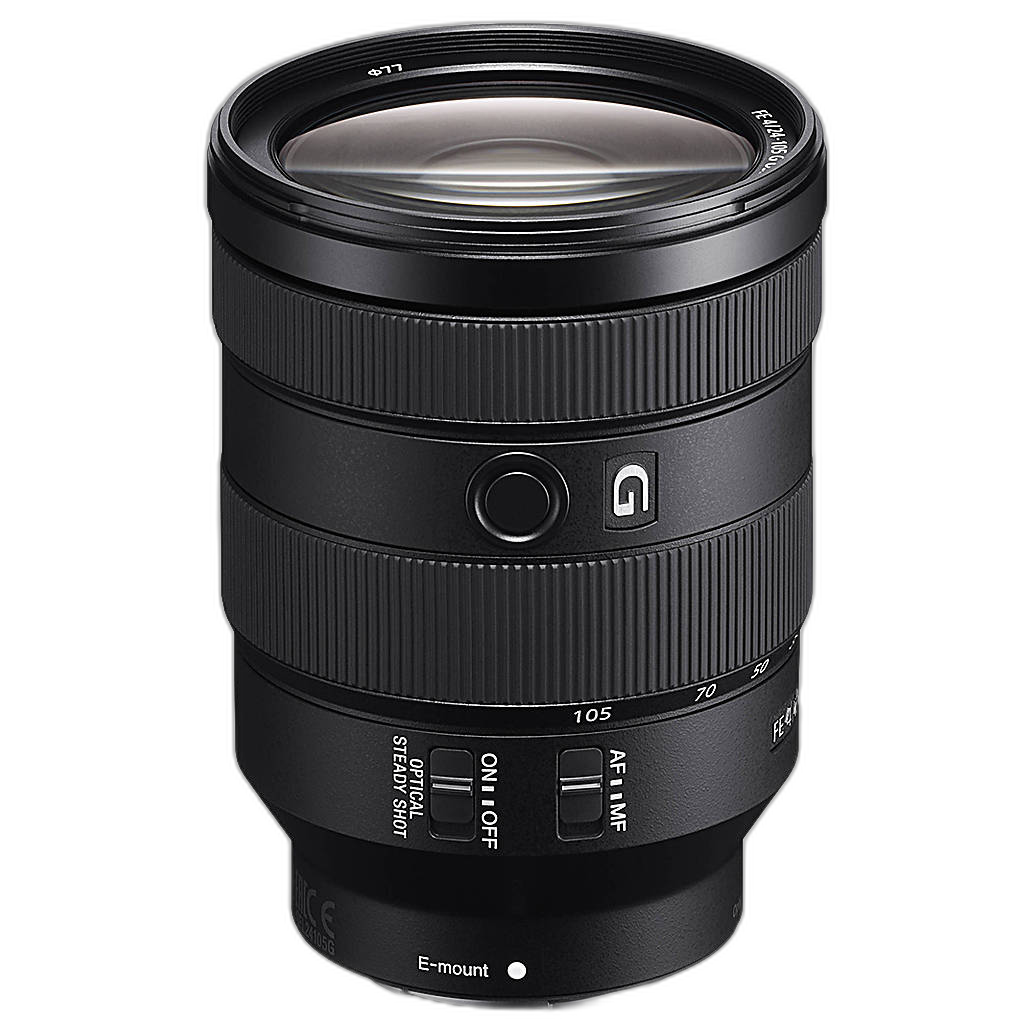
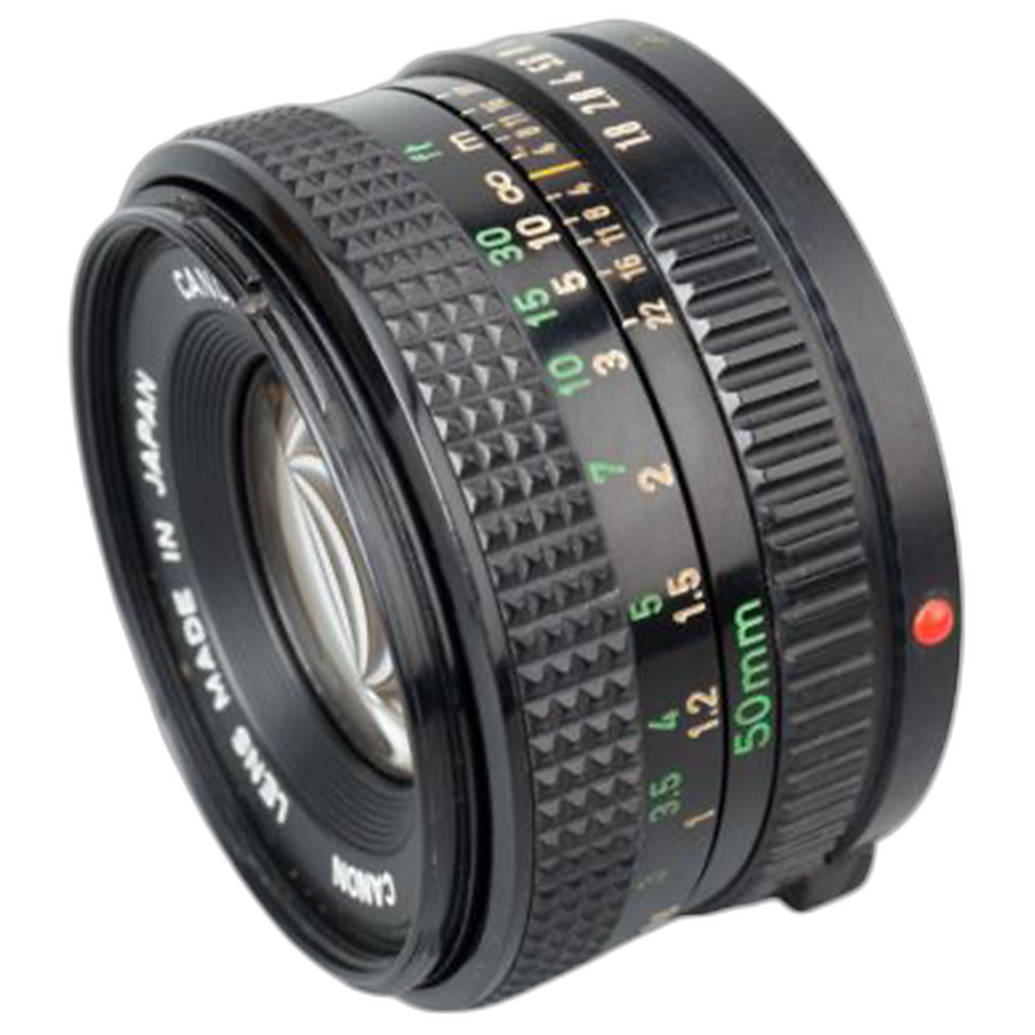
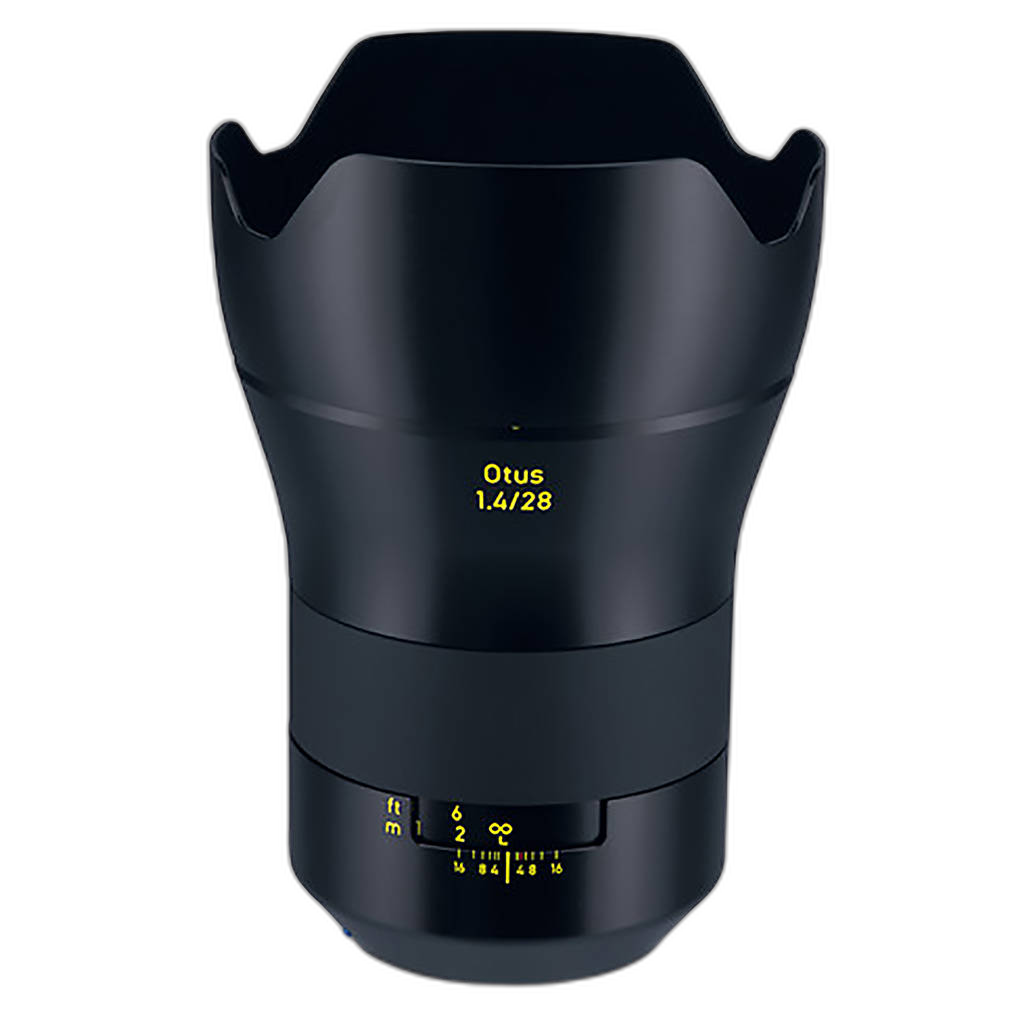
Portrait photographers usually narrow their lens search around a few core questions: how much background blur they want, how much working distance feels comfortable, whether they need autofocus, and how much they want to spend. For this comparison, we’re looking at three very different options that speak to different portrait budgets and shooting styles: the Sony FE 24-105mm f/4 G OSS as a flexible modern zoom, the Used Canon FD 50mm f/1.8 as an affordable classic prime, and the Zeiss 28mm f/1.4 Otus as a premium specialty lens with exceptional optics.
While portrait shooters often gravitate toward 50mm, 85mm, and 135mm focal lengths, real-world buying advice depends on what and how you shoot. Some photographers need one lens to handle headshots, half-body portraits, and environmental work. Others want the most affordable path to shallow depth of field. And some want elite image quality, even if the lens is unconventional for traditional portraits.
Side-by-Side Specs Comparison
| Lens | Type | Focal Length | Max Aperture | Best For | Portrait Takeaway |
|---|---|---|---|---|---|
| Sony FE 24-105mm f/4 G OSS | Autofocus zoom | 24-105mm | f/4 | Versatility, events, outdoor portraits, travel portraits | Covers multiple portrait looks in one lens, especially useful from 50-105mm |
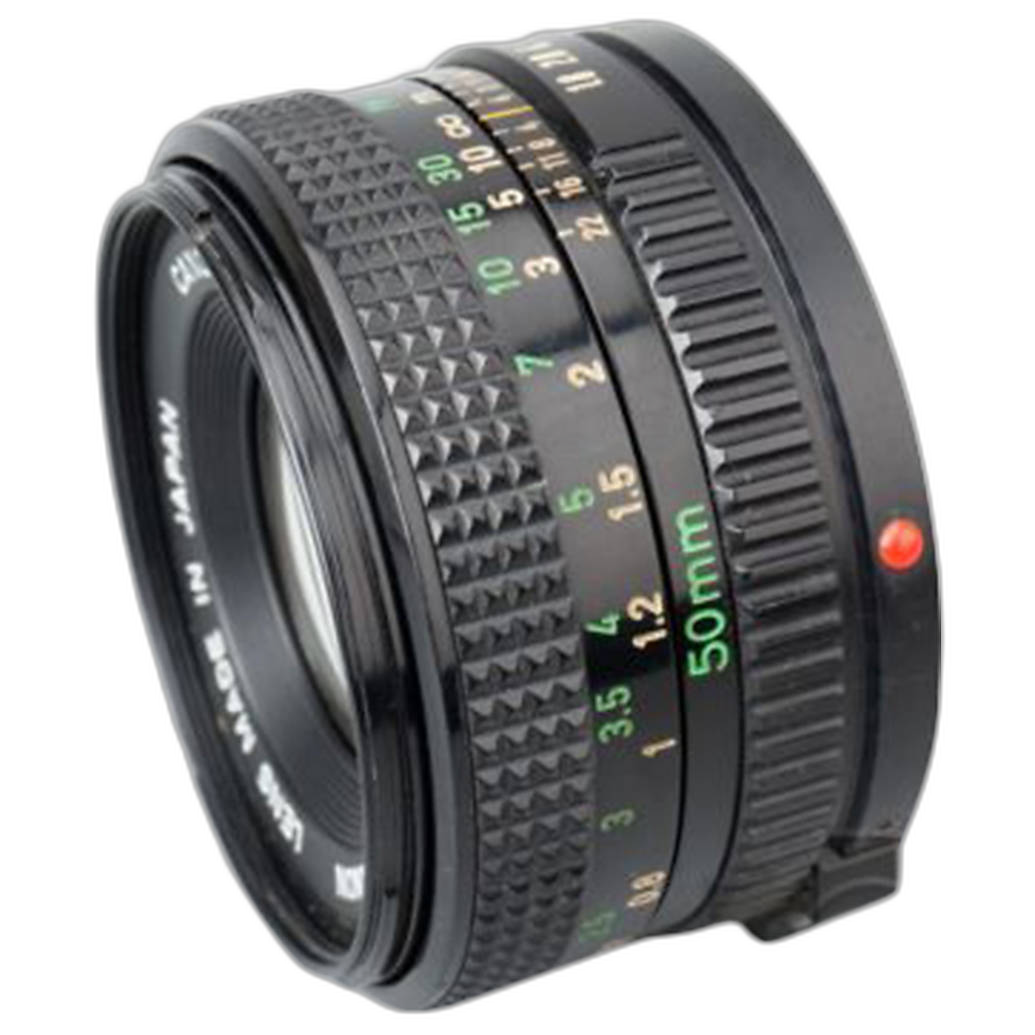
| Used Canon FD 50mm f/1.8 | Manual focus prime | 50mm | f/1.8 | Budget portraits, classic rendering, shallow depth of field on a budget | Great entry point for natural perspective and stronger subject separation |
| Zeiss 28mm f/1.4 Otus | Manual focus prime | 28mm | f/1.4 | Environmental portraiture, artistic work, premium image quality | Not a classic tight portrait focal length, but superb for dramatic wide-context portraits |
How Focal Length Changes the Portrait Look
50mm: The Classic Budget-Friendly Starting Point
If you’re learning portrait photography or want the most affordable place to begin, 50mm remains one of the smartest choices. It gives a natural perspective, works well for half-body and full-body portraits, and is typically available with bright apertures. The Used Canon FD 50mm f/1.8 fits that role well. Even though it’s an older manual-focus design, the combination of a normal focal length and f/1.8 aperture makes it attractive for portrait photographers who prioritize subject isolation without spending much.
For shooters adapting vintage glass, 50mm is also forgiving. It’s easier to compose with than a wider lens and generally more flattering than 28mm for standard portraits.
24-105mm: The Most Flexible Portrait Range
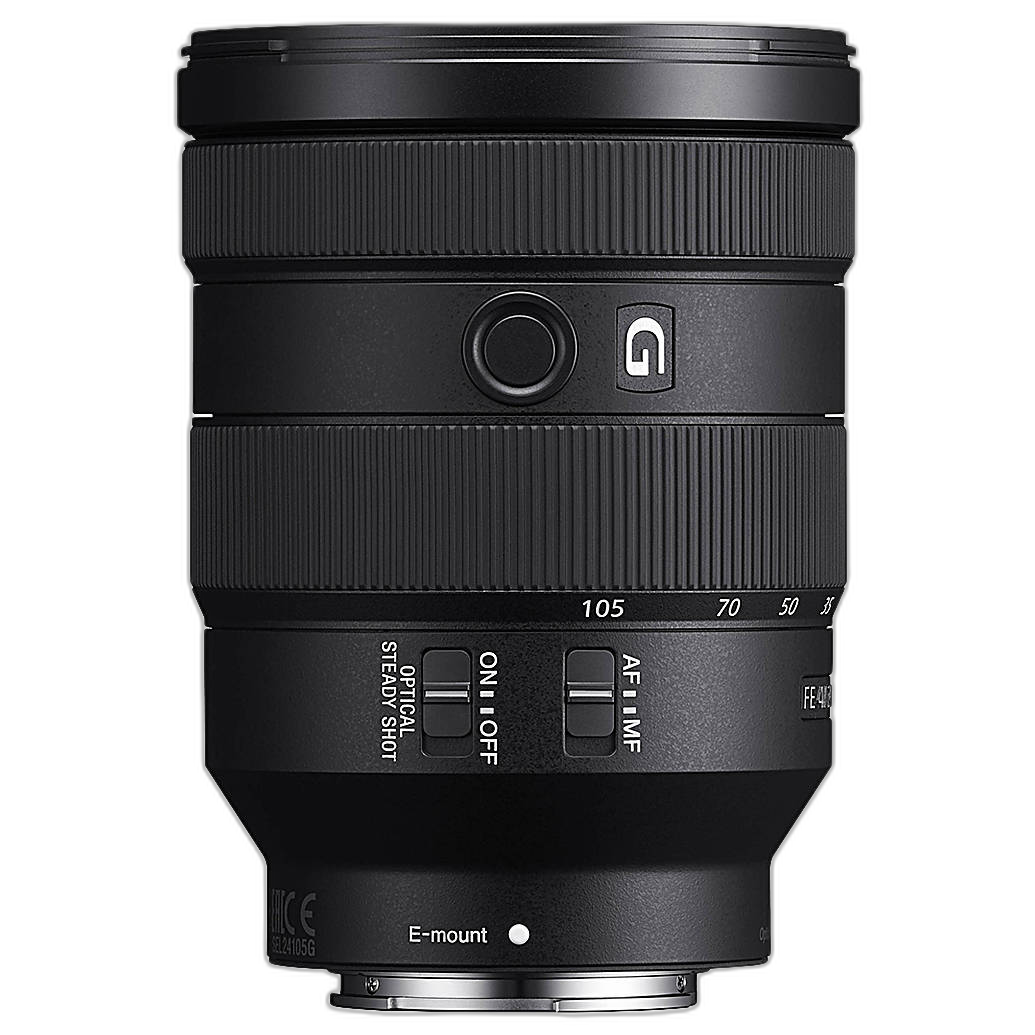
The Sony FE 24-105mm f/4 G OSS is arguably the most practical lens here for photographers who shoot portraits in varied situations. At the long end, 85mm to 105mm is especially useful for flattering headshots and compressed background rendering. At 50mm to 70mm, it handles lifestyle and editorial portraits nicely. And at 24mm to 35mm, it can create environmental portraits that include more of the setting.
The tradeoff is aperture. At f/4, it won’t blur the background like an f/1.8 or f/1.4 prime. But if your priority is convenience, framing speed, and having one lens that can cover multiple portrait styles, this zoom is a compelling option.
28mm: Wider, More Environmental, More Demanding
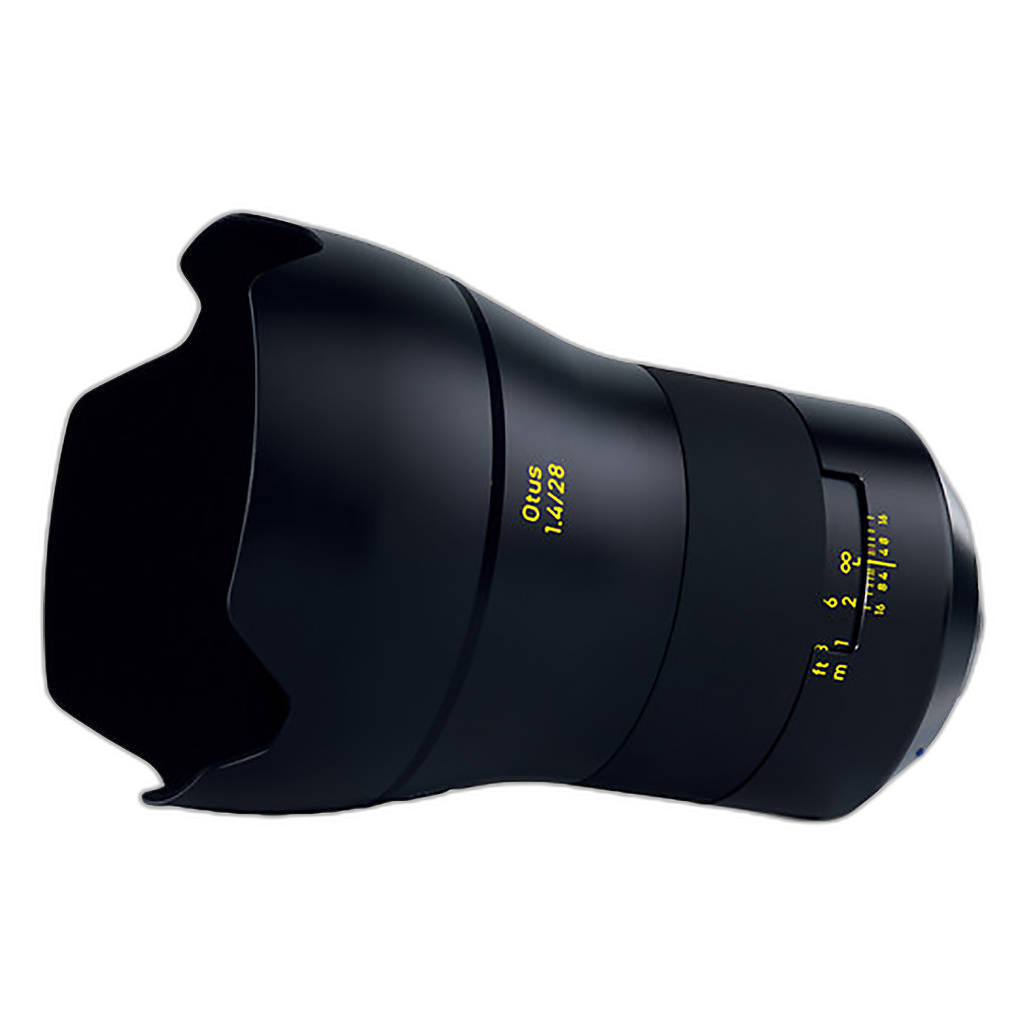
The Zeiss 28mm f/1.4 Otus is the most specialized choice in this comparison. A 28mm lens is not the default recommendation for classic head-and-shoulders portraiture because it can exaggerate facial features if used too close. But for environmental portrait photographers who want to place a subject in context, 28mm can be extremely powerful. Think editorial portraits, documentary-inspired work, musicians in rehearsal spaces, chefs in kitchens, or creative location sessions where the scene matters as much as the person.
Its f/1.4 aperture helps preserve subject separation even at a wide focal length, which is one reason lenses like this appeal to advanced shooters.
Aperture and Background Blur
Why f/1.8 Still Matters for Portrait Shooters
When buyers ask whether aperture really matters for portraits, the answer is usually yes. A wider aperture can help separate the subject from the background, improve low-light shooting, and create the soft rendering many portrait shooters want. That’s why the Canon FD 50mm f/1.8 stands out despite its age and simplicity. It delivers a brighter aperture than the Sony zoom, making it more attractive for photographers chasing blur on a budget.
Why f/4 Isn’t a Dealbreaker
The Sony 24-105mm f/4 G OSS proves that maximum aperture isn’t everything. If you shoot portraits outdoors, use longer focal lengths, or work with clean backgrounds, f/4 can still produce strong subject separation. At 85mm to 105mm, especially, the lens can still create polished portrait results. It also adds the practical advantage of quick reframing, which is useful during family sessions, graduation portraits, and events.
Why f/1.4 on a 28mm Lens Is Different
The Zeiss Otus 28mm f/1.4 uses its bright aperture differently. Instead of producing the compressed, creamy blur associated with longer portrait lenses, it gives a more immersive look with stronger subject emphasis than most wide lenses can manage. That makes it a creative tool rather than a general-purpose portrait recommendation.
Autofocus vs Manual Focus for Portrait Work
Sony for Speed and Ease
If you shoot moving subjects, work professionally, or need a dependable everyday portrait lens, autofocus is a major advantage. The Sony FE 24-105mm f/4 G OSS is the easiest recommendation here for photographers who want modern handling and efficiency. It’s especially suited to hybrid portrait shooters who cover both posed and candid moments.
Vintage and Manual Focus for Deliberate Shooting
Both the Canon FD 50mm f/1.8 and Zeiss 28mm f/1.4 Otus favor a slower, more intentional process. That can be rewarding for controlled portrait sessions, especially if you enjoy carefully composing and focusing each frame. The Canon appeals because it’s affordable and character-rich. The Zeiss appeals because it offers a premium manual-focus experience for photographers who demand exceptional optical performance.
Value by Budget
Best Budget Portrait Option
The Used Canon FD 50mm f/1.8 is the clear budget-minded pick in this group. For portrait photographers testing the waters or adapting vintage lenses for creative results, it offers one of the most sensible combinations of focal length and aperture.
Best Midrange Practical Choice
The Sony FE 24-105mm f/4 G OSS is the best fit for photographers who want one lens to do nearly everything. It may not be the dream shallow-depth portrait prime, but it is the most versatile and broadly useful portrait recommendation here.
Best Premium Creative Choice
The Zeiss 28mm f/1.4 Otus is for photographers who already know they want environmental portraiture with top-tier image quality. It’s less of a universal recommendation and more of a specialist’s lens.
Our Pick
Our Pick: Sony FE 24-105mm f/4 G OSS Lens
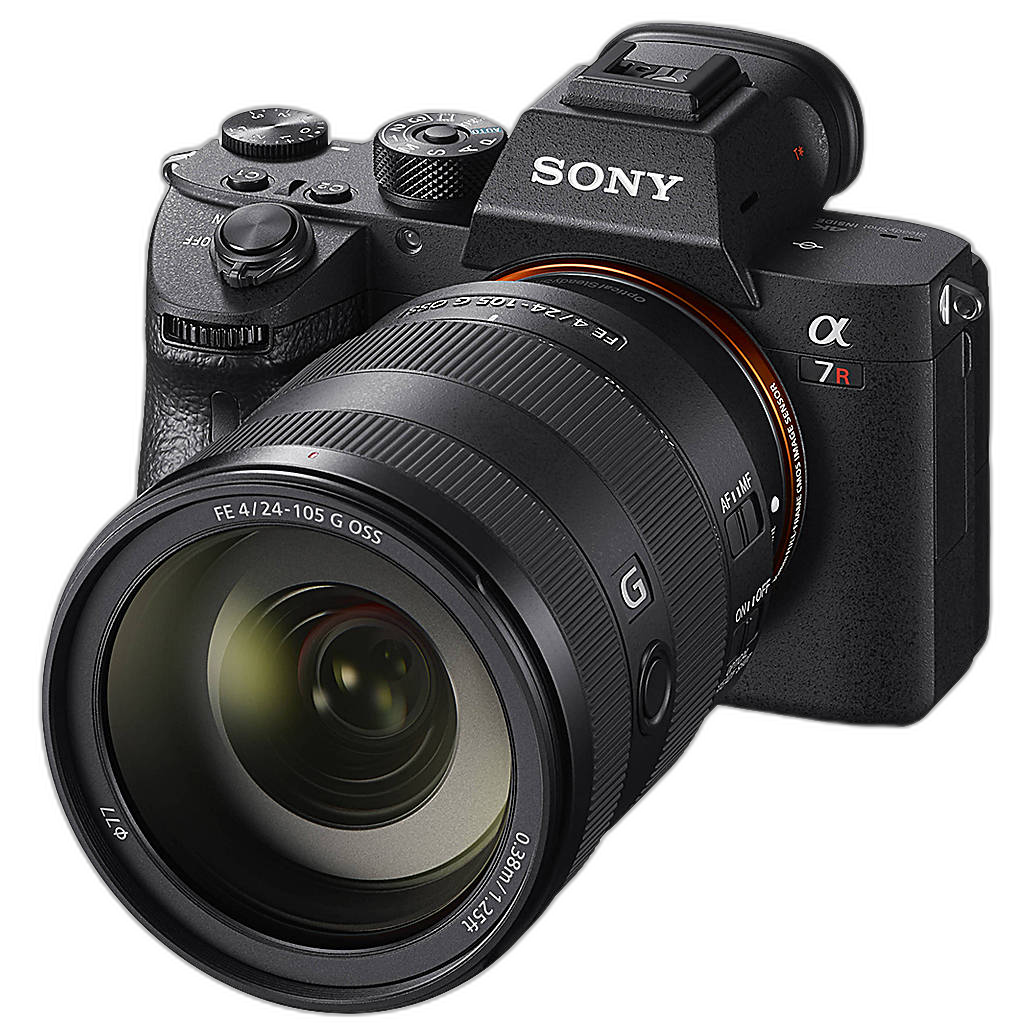
For most portrait photographers, the Sony is the best all-around recommendation because it covers the widest range of portrait scenarios in a single lens. You get flattering short-telephoto options for headshots, normal focal lengths for lifestyle portraits, and wide angles for environmental compositions. If you’re only buying one portrait-oriented lens and want flexibility over specialization, this is the smartest choice.
If your budget is tight, go with the Used Canon FD 50mm f/1.8. If your style leans artistic and environmental, the Zeiss 28mm f/1.4 Otus is the standout creative option.
Conclusion
For portrait photographers, the best lens is rarely just about sharpness. It’s about matching focal length, aperture, focusing style, and budget to the way you actually shoot. The Sony FE 24-105mm f/4 G OSS is the most versatile recommendation overall, the Used Canon FD 50mm f/1.8 is the best value-oriented entry point, and the Zeiss 28mm f/1.4 Otus is the premium creative choice for environmental portraits. If you’re comparing portrait lenses and want help choosing the right fit, Unique Photo is a great place to explore options for every budget and shooting style.