Introduction: Choosing the Right Portrait Lens for Your Budget
A good portrait lens helps you do three things well: flatter your subject, separate them from the background, and work comfortably at the distance you like to shoot. While classic portrait focal lengths often live around 50mm to 135mm, budget, camera system, and shooting style all matter just as much as the numbers on the lens barrel.
For this guide, we’re comparing a few options from the available lineup that can realistically fit portrait shooting at different price points and experience levels: a budget-friendly used prime, a fast premium-style used prime, a versatile zoom, and a film-camera option for photographers who want a more analog portrait experience. We’re also including a portrait education resource because great portraits come from technique and lighting as much as gear.
Side-by-Side Portrait Lens Comparison
| Product | Type | Focal Length | Max Aperture | Best For | Portrait Value |
|---|---|---|---|---|---|
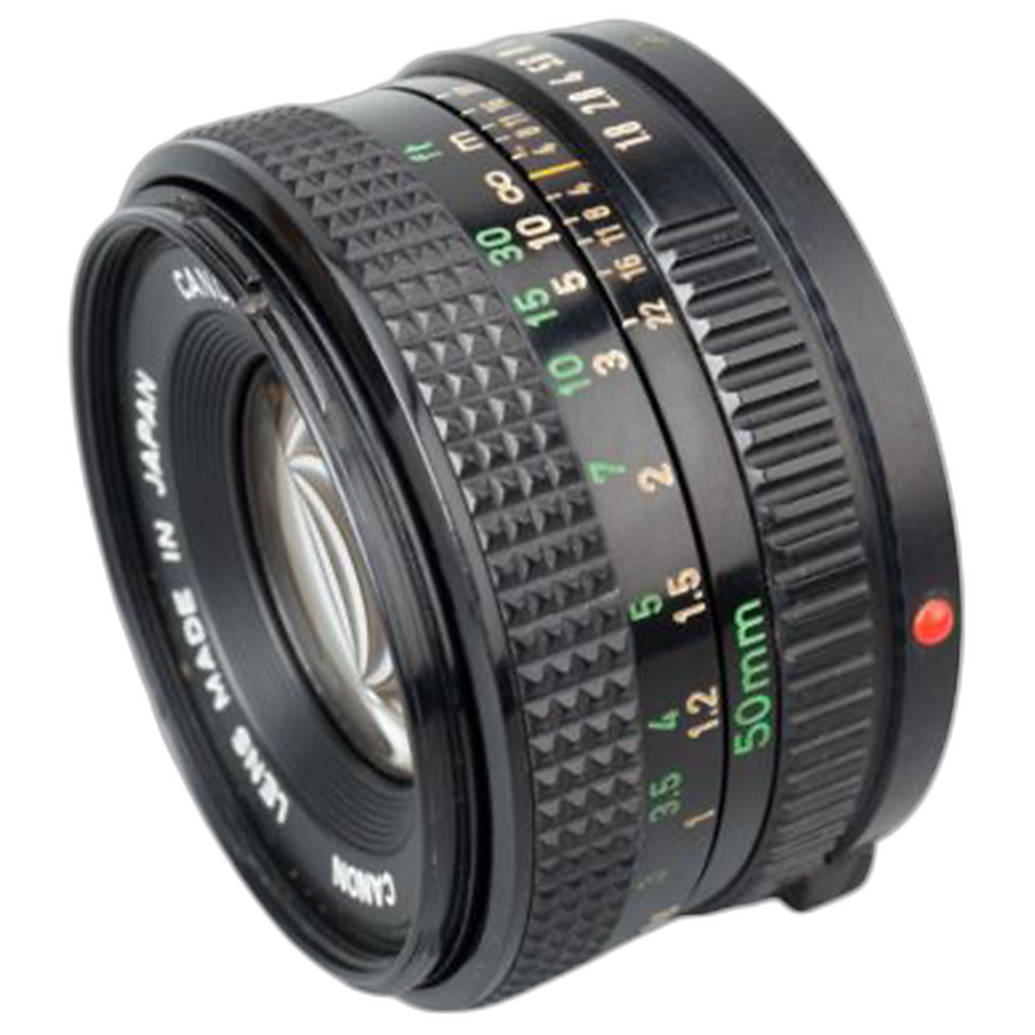
| Used Canon FD 50mm f/1.8 Lens - Good | Prime Lens | 50mm | f/1.8 | Beginners, budget portrait shooters, adapted manual-focus setups | Excellent low-cost entry into classic portrait rendering |
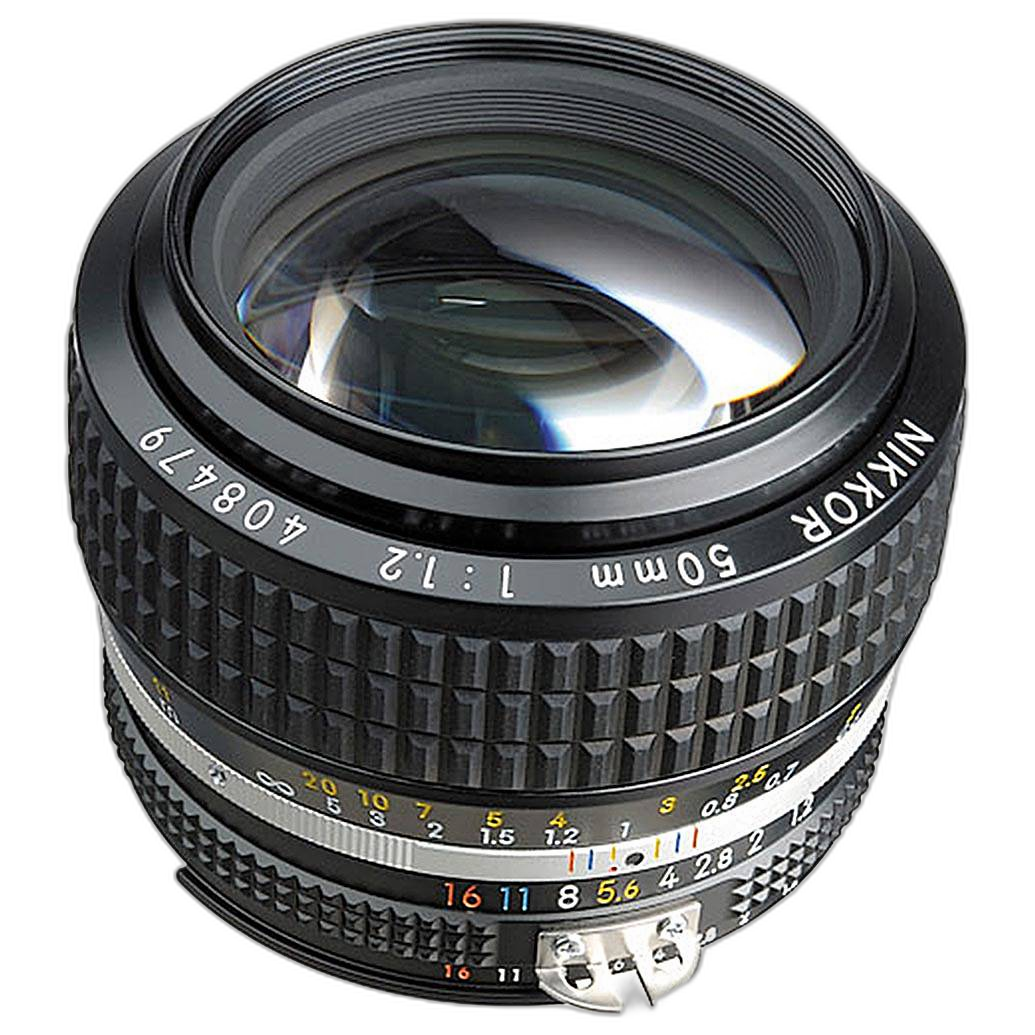
| Used Nikon 50mm f/1.2 Ai - Good | Prime Lens | 50mm | f/1.2 | Shallow depth of field lovers, manual-focus enthusiasts | Strong subject separation and premium character |
| Sony FE 24-105mm f/4 G OSS Lens | Zoom Lens | 24-105mm | f/4 | Event, environmental, and flexible portrait shooters | Highly versatile all-in-one portrait zoom |
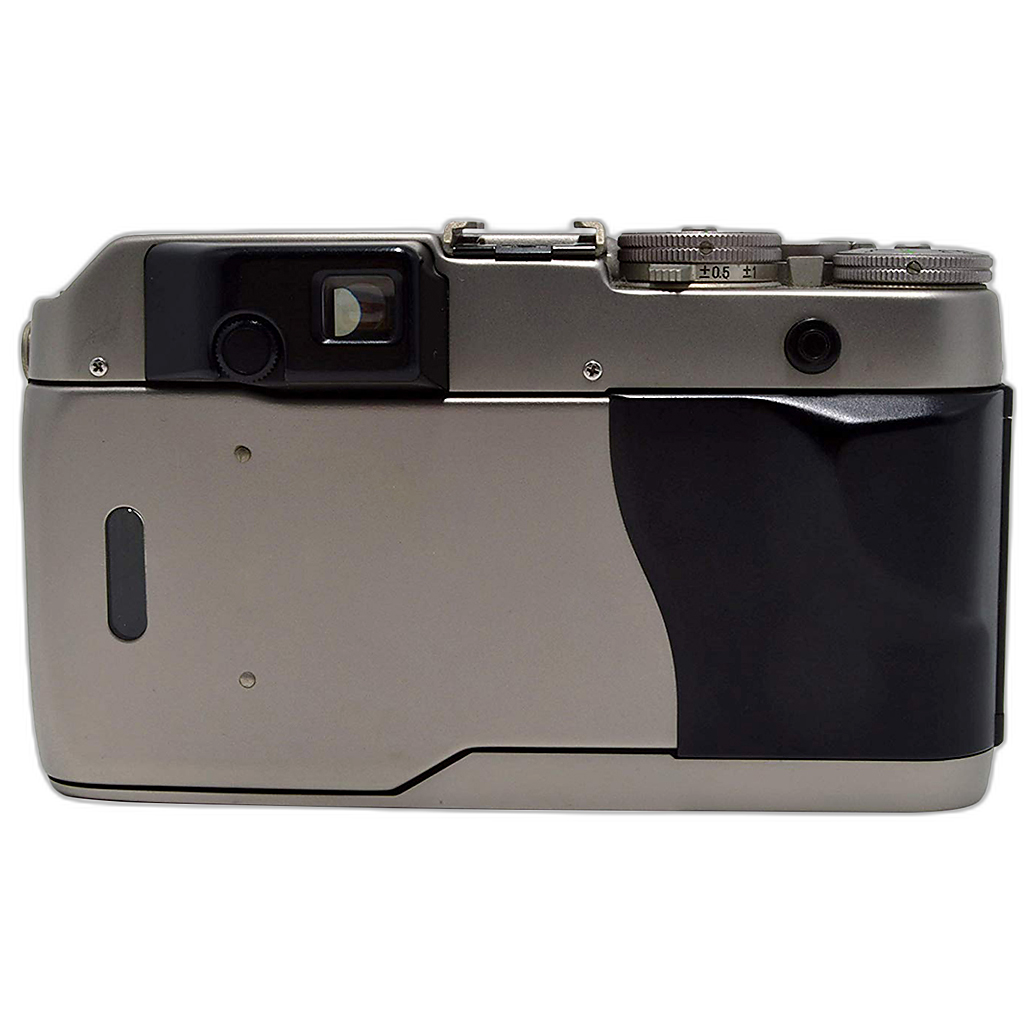
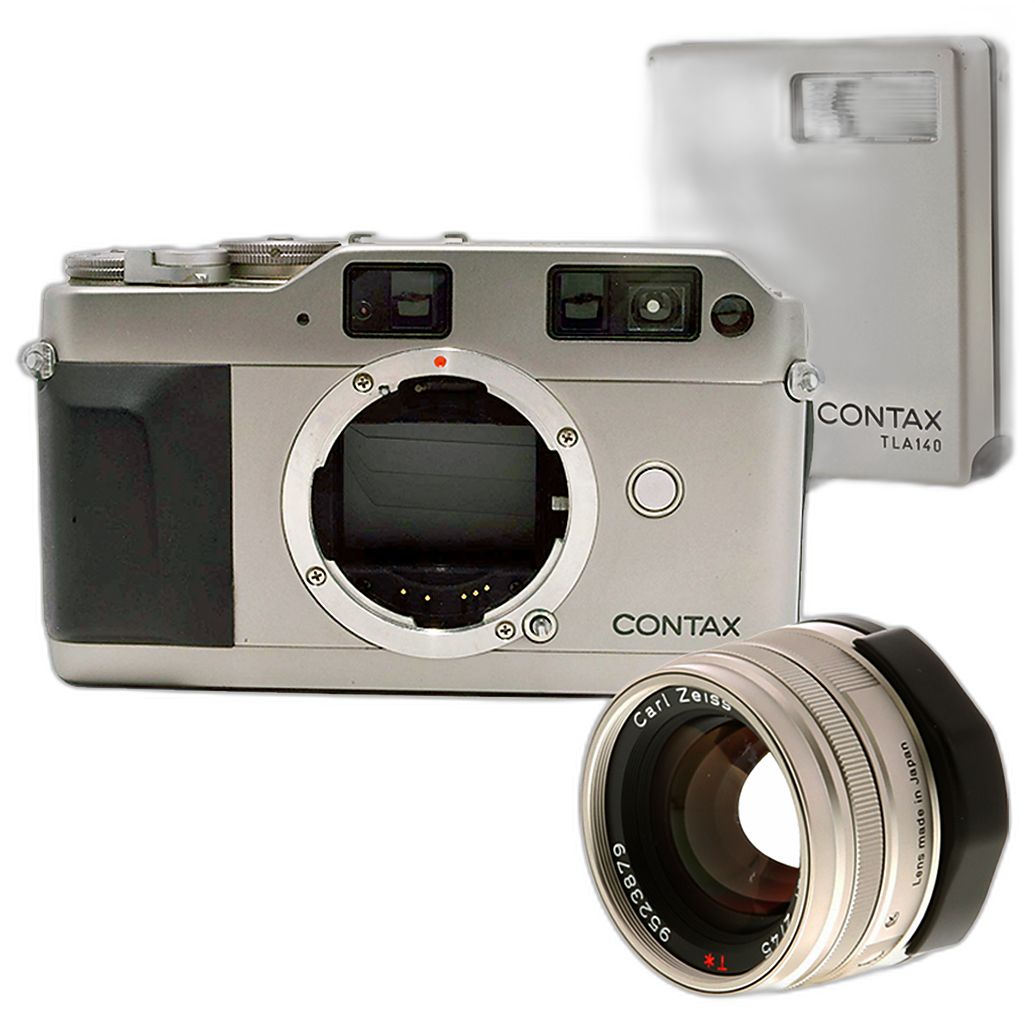
| Used Contax G1 w/ 45mm f/2 and TLA140 Flash - Good | Film Camera + Lens | 45mm | f/2 | Film portrait photographers, lifestyle shooters | Stylish film option with portrait-friendly normal lens |
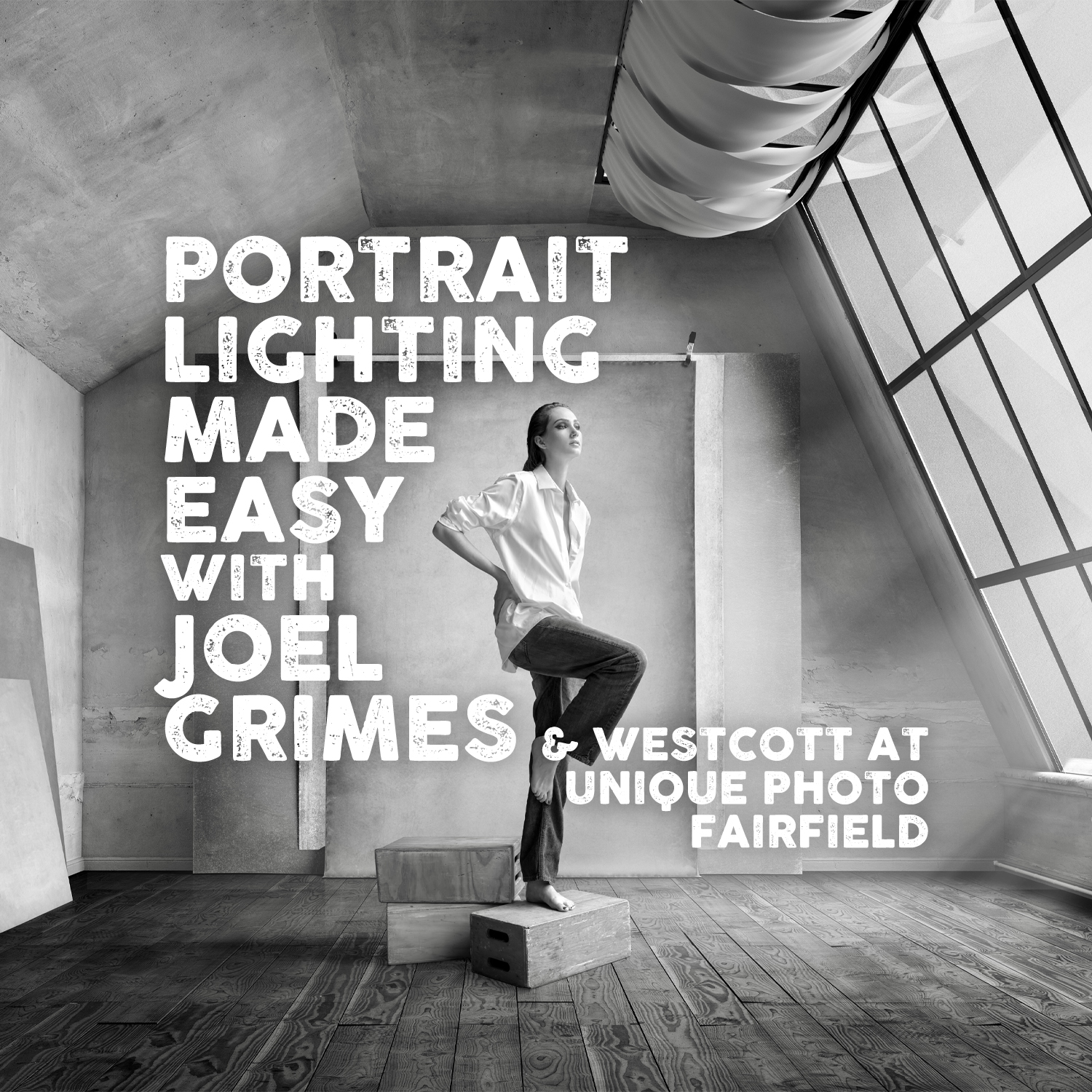
| Portrait Lighting Made Easy with Joel Grimes (Westcott) | Educational Resource | N/A | N/A | Anyone improving portrait results | Not a lens, but extremely useful for better portraits |
What Actually Makes a Good Portrait Lens?
When shopping for a portrait lens, prioritize these traits:
- Focal length: Around 50mm gives a natural perspective; longer focal lengths can create more flattering facial compression.
- Wide aperture: Lenses like f/1.8 or f/1.2 make it easier to blur backgrounds and isolate your subject.
- Rendering and character: Some portrait photographers want clinical sharpness, while others prefer a softer or more classic look.
- Working distance: A 50mm lens is great in smaller spaces, while a longer lens may require more room.
- Handling: Autofocus is convenient, but manual-focus lenses can offer excellent value and distinctive results.
Best Budget Portrait Option: Used Canon FD 50mm f/1.8 Lens
If your goal is to get into portrait photography without spending much, the Used Canon FD 50mm f/1.8 is the most straightforward starting point in this comparison. A 50mm focal length is classic, flexible, and easy to learn with, while f/1.8 still gives you the shallow depth of field many photographers want for headshots and half-body portraits.
Because it’s a used manual-focus lens, it’s best suited to photographers comfortable adapting lenses or working more deliberately. But from a pure value standpoint, this is exactly the kind of lens that teaches strong portrait fundamentals: composition, focus accuracy, and subject-to-background control.
Best Premium-Style Portrait Look: Used Nikon 50mm f/1.2 Ai
The Used Nikon 50mm f/1.2 Ai stands out for one reason above all: speed. That f/1.2 maximum aperture opens the door to very shallow depth of field, low-light shooting, and a more dramatic portrait look. If you love portraits with creamy backgrounds and a strong emphasis on the eyes, this lens has obvious appeal.
It won’t be the easiest choice for every photographer, especially if you prefer autofocus or need a more modern workflow. But for portrait shooters who appreciate manual control and optical character, it’s the most specialized and visually distinctive option here.
Best Flexible Choice: Sony FE 24-105mm f/4 G OSS Lens
If versatility matters more than maximum blur, the Sony FE 24-105mm f/4 G OSS is the most practical portrait tool in this lineup. At the long end, 105mm is very useful for flattering portraits, and the zoom range lets you move from environmental portraits to tighter framing without changing lenses.
Compared to the faster 50mm primes, f/4 won’t give you the same shallow depth of field. Still, for photographers shooting families, events, branding portraits, or travel portraits, this lens offers a much broader range of use. It’s especially appealing if you want one lens that can handle portraits and everyday photography equally well.
Best for Film Portrait Fans: Used Contax G1 w/ 45mm f/2 and TLA140 Flash
The Used Contax G1 with 45mm f/2 is less of a conventional lens purchase and more of a complete portrait-making experience. A 45mm lens sits close to the natural-normal perspective, making it a strong fit for documentary-style portraits, casual editorial looks, and lifestyle sessions. The included flash also adds creative options for direct-flash portrait aesthetics.
This is not the most universal recommendation, but it makes sense for photographers specifically chasing the look and process of film. If your idea of a great portrait lens includes mood, texture, and an analog shooting rhythm, this setup has real charm.
Why Lighting Matters as Much as Lens Choice
Even the best portrait lens won’t guarantee strong results if the light is flat or unflattering. That’s why Portrait Lighting Made Easy with Joel Grimes (Westcott) deserves a mention in this guide. It’s not a lens, but it may improve your portraits more than a lens upgrade alone if you’re still building your lighting skills.
Portrait photography is always a combination of lens choice, light quality, posing, and expression. Investing in education can help you get more from any lens you already own.
Our Pick
Our Pick: Sony FE 24-105mm f/4 G OSS Lens
For most photographers shopping across different budgets and needs, the Sony FE 24-105mm f/4 G OSS is the safest overall recommendation. It may not be the cheapest option or the fastest aperture lens in the group, but it is the most adaptable portrait tool here. The ability to shoot wide environmental portraits at 24mm, natural portraits in the middle of the range, and more flattering compressed portraits at 105mm makes it a standout all-around choice.
If your budget is tighter, the Used Canon FD 50mm f/1.8 is the value pick. If your top priority is maximum background blur and lens character, the Used Nikon 50mm f/1.2 Ai is the enthusiast pick.
Conclusion
A good portrait lens is the one that matches your style, space, and budget. If you want the most affordable path, start with a used 50mm prime. If you want dramatic subject separation, look for a faster aperture like f/1.2. If you want one lens that can do almost everything, a midrange zoom like the Sony 24-105mm is hard to beat.
Whether you’re building your first portrait kit or refining a more advanced setup, Unique Photo is a great place to compare lenses, explore used gear, and find the tools that fit your creative goals.