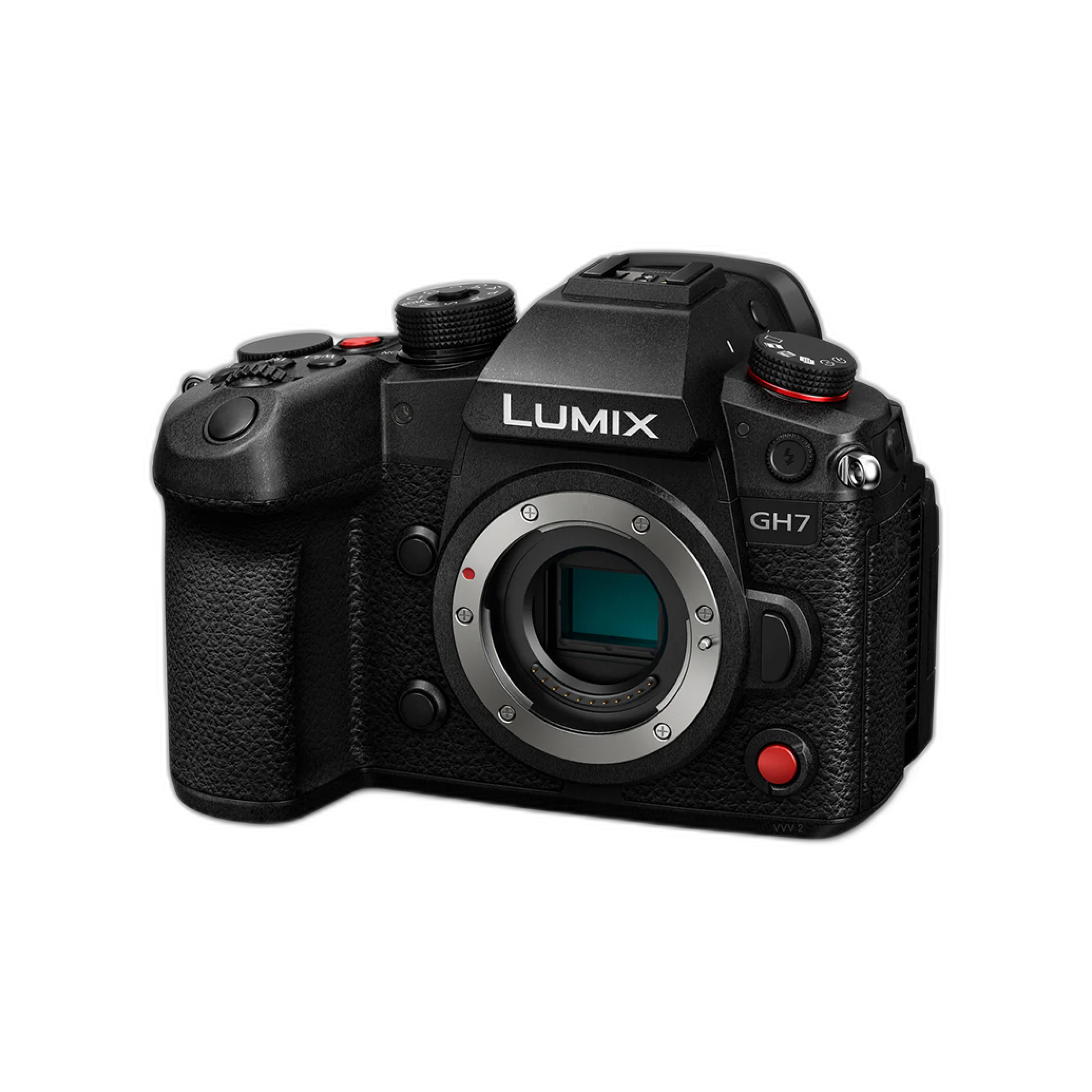
Panasonic has spent years building one of the most video-focused mirrorless lineups in the industry, and by the middle of the 2020s, three models stood out for filmmakers weighing features, format, and price: the Lumix GH7, Lumix S5 II, and Lumix S1H. This comparison is best understood as a snapshot from the period around the GH7’s arrival, when Panasonic’s catalog offered a particularly interesting split between its long-running Micro Four Thirds video tradition and its increasingly mature full-frame L-Mount system.
For buyers, the decision was not simply about choosing the newest camera. It was about selecting a production tool built around different priorities: compactness and reach, hybrid affordability, or flagship full-frame cinema credibility. If you were trying to decide on the best Panasonic Lumix camera for video, these three bodies defined the conversation.
Why These Three Lumix Cameras Matter
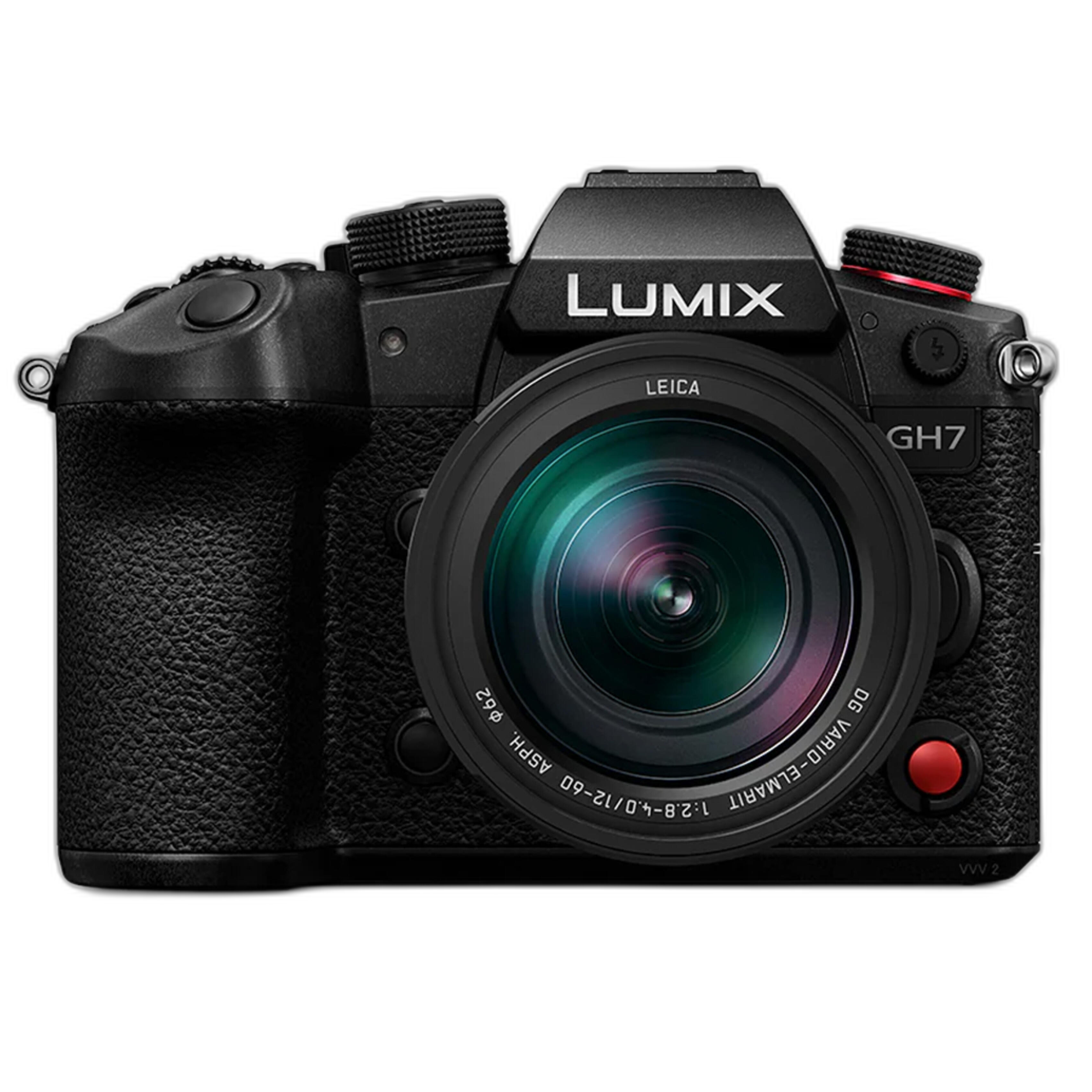
The GH series has long been central to Panasonic’s reputation among independent filmmakers, documentarians, and online creators. Earlier GH models helped normalize advanced internal video recording in relatively compact stills-style bodies. The GH7 arrived as the latest expression of that philosophy, carrying the Micro Four Thirds format forward for users who valued portability, lens flexibility, and a video-first feature set.
The S5 II, by contrast, represented Panasonic’s effort to make full-frame video more accessible in a hybrid mirrorless package. It appealed to creators who wanted the look and low-light advantages commonly associated with larger sensors, but who did not necessarily need a larger flagship body.
The S1H occupied a different place in Lumix history. It was not merely another mirrorless camera with video modes attached. It was designed from the outset as a serious filmmaking tool and became one of the most recognizable Panasonic full-frame video bodies of its era. Even by the time the GH7 entered the market, the S1H remained relevant because of its build, thermal design, and established reputation in professional production circles.
GH7: The Case for Micro Four Thirds in Video
The GH7 continued Panasonic’s long-standing argument that sensor size is only one part of the filmmaking equation. For many shooters, Micro Four Thirds remained highly attractive because it enabled smaller bodies, lighter lenses, and a system that was especially practical for handheld work, travel production, events, documentary shooting, and gimbal setups.
One of the historical strengths of the GH line has been the ability to deliver advanced video tools without forcing users into the cost, size, and weight of a full-frame ecosystem. That mattered in 2025 just as much as it had in earlier years. A video kit built around a GH body could often be easier to carry for long production days, easier to balance on support gear, and easier to expand with relatively compact telephoto and specialty lenses.
The GH7 also fit naturally into workflows where depth of field control did not need to be extreme. In many documentary, wildlife, educational, and run-and-gun scenarios, the somewhat deeper depth of field associated with Micro Four Thirds could actually be an advantage, helping shooters maintain focus more confidently while working quickly.
For creators already invested in the GH ecosystem, the GH7 was the clearest modern continuation of Panasonic’s video-first compact camera philosophy. It was the body for users who wanted a camera that felt purpose-built for moving images while preserving the operational benefits of a smaller format.
Who the GH7 Was Best For
- Filmmakers who prioritize compact gear
- Travel, documentary, and event shooters
- Gimbal users seeking lower overall system weight
- Existing Micro Four Thirds users with established lens collections
- Creators who value reach and lens portability
S5 II: The Balanced Full-Frame Hybrid
If the GH7 made the best case for Micro Four Thirds, the S5 II made perhaps the strongest case for Panasonic full-frame as an all-around creator platform. It sat in a useful middle ground: more accessible and compact than Panasonic’s larger flagship full-frame bodies, but still clearly aimed at users who cared deeply about video performance.
The S5 II was attractive because it addressed a common buyer question: What if I want a serious video camera, but I also want a practical stills-and-video hybrid? For wedding professionals, commercial creators, YouTubers, and owner-operators, this was a compelling proposition. Full-frame offered the visual character many buyers wanted, particularly for shallow depth of field and lower-light work, while the body remained more manageable than a top-tier cinema-oriented flagship.
Historically, the S5 II is important because it reflected Panasonic’s broader confidence in the L-Mount system as a true long-term platform. By this stage, choosing full-frame Lumix no longer felt like a niche decision for early adopters. It was an increasingly mainstream route for creators who wanted Panasonic color, ergonomics, and video heritage in a larger-sensor system.
For many buyers in the release-era comparison, the S5 II was the default recommendation if they wanted one camera to do nearly everything well. It did not displace the GH7’s portability argument or the S1H’s flagship authority, but it often split the difference in a very persuasive way.
Who the S5 II Was Best For
- Hybrid shooters balancing stills and video
- Wedding and event creators wanting full-frame flexibility
- Commercial shooters who need a practical all-around body
- Creators entering the L-Mount system
- Buyers wanting strong video features without stepping up to a larger flagship body
S1H: The Established Full-Frame Video Flagship
The S1H held a special place in Lumix history. Even as newer models arrived, it remained one of Panasonic’s defining statements about what a mirrorless video camera could be. It was larger, more overtly production-oriented, and for many filmmakers, more reassuringly robust than smaller hybrid bodies.
The appeal of the S1H was not just image format. It was the way Panasonic built the camera around sustained video use and professional confidence. In an era when many mirrorless cameras still had to prove themselves as dependable filmmaking tools, the S1H developed a reputation as a serious option for long-form and demanding production.
That made it especially appealing to filmmakers who valued body design, thermal confidence, and a more substantial operating experience. While some buyers would naturally gravitate toward newer releases, others continued to see the S1H as the most cinema-minded Lumix stills-style body in the lineup. In practical terms, it was often the Panasonic for users who wanted a camera that felt closest to a dedicated production machine without moving into an entirely different class of equipment.
The tradeoff, of course, was size. Compared with the GH7 and S5 II, the S1H was less about travel-light convenience and more about deliberate filmmaking. For some users that made it less flexible; for others, that was precisely the point.
Who the S1H Was Best For
- Narrative and commercial filmmakers
- Users who prioritize a larger, production-oriented body
- Shooters building full-frame cine-style rigs
- Professionals who value the S1H’s established reputation
- Creators less concerned with compactness
Micro Four Thirds vs Full-Frame for Video
This comparison ultimately comes down to a classic format question: Micro Four Thirds versus full-frame. Panasonic was unusual in offering both at a high level, and that gave buyers a real choice rather than a simple upgrade ladder.
Micro Four Thirds, as represented by the GH7, remained highly competitive for video because of its system-level advantages. Lenses could be smaller. Telephoto framing could be easier to achieve with lighter equipment. Stabilized handheld shooting and gimbal use often benefited from the more compact overall package. In documentary and field production, these are not minor advantages; they are often the reason a shot is easy to get at all.
Full-frame, represented here by the S5 II and S1H, answered a different set of needs. It offered the sensor format many filmmakers associated with a more expansive visual style, lower-light confidence, and shallower depth of field. For portrait-driven commercial work, weddings, music videos, and dramatic production, those qualities could be highly desirable.
Neither path was universally better. Panasonic’s strength was that it gave filmmakers two mature ecosystems. The right answer depended on how you shoot, what lenses you want to carry, and whether you value portability or sensor format more strongly.
Which Panasonic Lumix Was the Best for Video?
Choose the GH7 if you want the smartest compact video tool
The GH7 was the best Panasonic Lumix for video if your work benefits from mobility, lighter lenses, and the proven strengths of Micro Four Thirds. It was especially compelling for run-and-gun shooters and for anyone already committed to the GH ecosystem.
Choose the S5 II if you want the best all-around value in full-frame
The S5 II was the most balanced option for many creators. If you wanted a modern full-frame Lumix body that could handle both stills and serious video work without committing to a larger flagship form factor, it was often the most practical choice.
Choose the S1H if you want Panasonic’s most established full-frame filmmaking body
The S1H remained the strongest fit for filmmakers who prioritized a more substantial, production-oriented full-frame camera and appreciated its standing in Lumix video history.
Final Thoughts
Seen from the 2025 moment, the GH7, S5 II, and S1H represented three distinct but equally credible visions of what a Panasonic video camera could be. The GH7 carried forward the GH tradition of compact, creator-focused video performance. The S5 II made full-frame Lumix broadly appealing to hybrid shooters. The S1H continued to stand as a landmark full-frame video body with serious professional intent.
If you are researching Panasonic Lumix cameras for video as a buyer or as a student of camera history, this trio captures an especially revealing phase in Panasonic’s evolution. To explore current availability, compare systems, or learn more about Panasonic video gear, visit Unique Photo.