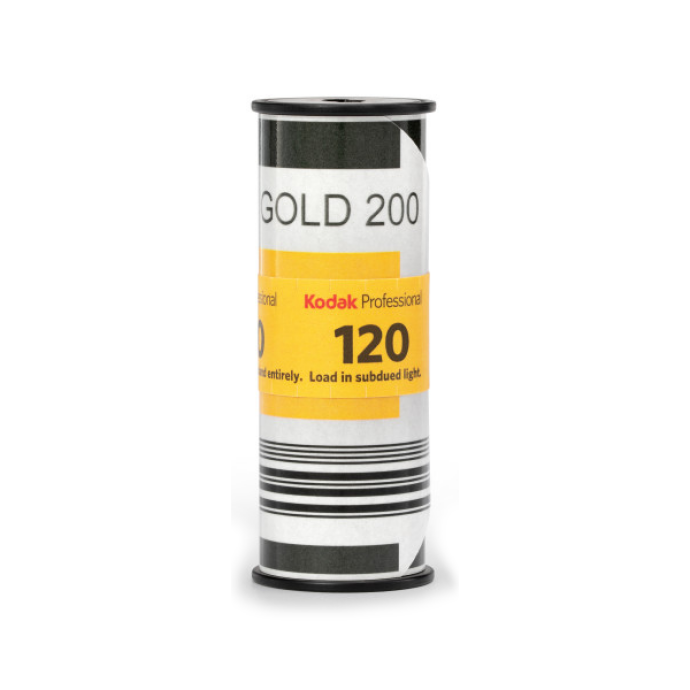
For anyone starting out with 35mm film, Kodak remains one of the easiest and most recognizable places to begin. Its lineup spans warm, forgiving consumer color films, professional portrait stocks, legendary black-and-white emulsions, and even the slide films that defined a different era of color photography. That breadth can also make Kodak film confusing for beginners: if you are standing at the shelf choosing between Gold, ColorPlus, Portra, and Tri-X, what actually makes one stock a better starting point than another?
This guide compares the Kodak films beginners are most likely to encounter first, with an emphasis on practical 35mm starter picks across color negative, black-and-white, and slide film. Rather than treating every stock as interchangeable, it helps to understand that each film carries its own look, exposure tolerance, and intended use. Some are ideal for casual daylight shooting, some reward more careful metering, and some have become classics precisely because they can do a little bit of everything.
Why Kodak Film Is a Common Starting Point
Kodak occupies a special place in film history because its products have long served both mass-market photography and professional image-making. For beginners, that matters. Kodak made films intended for family snapshots, travel, portraits, editorial work, and fine-art photography, and many of those names are still immediately recognizable today. A new film shooter can start with an affordable consumer stock, move into more specialized emulsions, and still remain within one familiar system of color and tonal rendering.
In practical terms, Kodak’s beginner-friendly appeal comes down to a few factors: broad availability, well-known rendering characteristics, and a lineup that clearly separates casual consumer films from professional and specialty options. If you are learning how ISO, grain, contrast, and latitude affect your images, Kodak offers a useful set of comparisons.
The Main Film Types Beginners Should Know
Color Negative Film
For most beginners, color negative film is the easiest and most forgiving choice. It is generally flexible with exposure, widely supported by labs, and well suited to scanning. Kodak Gold, ColorPlus, and Portra all fall into this category. If you are learning exposure for the first time, this is typically the safest place to start.
Black-and-White Film
Black-and-white film strips photography down to light, shadow, texture, and timing. It is an excellent teacher because it removes color as a distraction. Kodak Tri-X is one of the most famous black-and-white films ever made, and its reputation comes not just from history, but from its expressive grain and versatility.
Slide Film
Slide film, also known as reversal film, produces a positive image on the film itself. Historically, it was prized for projection, publication, and richly saturated color. For beginners, it is often the most challenging option because it usually demands more precise exposure than color negative film. It can be rewarding, but it is rarely the first recommendation for someone just learning the basics.
Kodak Gold: The Classic Beginner Color Film
Kodak Gold has long been associated with everyday color photography, and that heritage is exactly why it remains such a strong starting point. It is approachable, recognizable, and capable of producing the warm, familiar look many people imagine when they think of film. Gold is often appreciated for its sunny palette and easygoing character, especially outdoors or in good available light.
For beginners, Gold’s biggest advantage is that it feels intuitive. It pairs well with simple point-and-shoot cameras and entry-level manual SLRs alike, and it tends to flatter vacations, family pictures, street scenes, and casual portraits. If someone wants their first rolls of film to actually feel fun rather than technical, Gold is often the answer.
Its ideal user is the new shooter who wants a classic film look without overthinking every frame. If your goal is to understand composition, basic exposure, and how film differs from digital, Gold is one of the most natural places to begin.
Kodak ColorPlus: A Budget-Friendly First Roll
ColorPlus has earned a reputation as a practical entry point for film photographers who want Kodak color at a more accessible price. In the beginner conversation, it often comes up alongside Gold because both are consumer-oriented color negative films, but ColorPlus tends to be framed as the simpler, more economical choice for everyday experimentation.
That makes it especially useful for the first few rolls through a newly purchased film camera. If you are testing exposure accuracy, checking light seals, or just learning how your camera handles in real use, ColorPlus is an easy recommendation. It encourages practice, and practice is what most beginners need more than perfection.
Visually, many photographers think of ColorPlus as part of Kodak’s classic consumer-film tradition: approachable color, general-purpose usability, and a look that works well for casual shooting. For students and first-time analog users, that value matters. You are more likely to shoot freely when each frame feels less precious.
Kodak Portra: The Professional Film Beginners Grow Into
Portra occupies a different place in Kodak’s lineup. It is a professional color negative film family best known for portraiture, nuanced color, and broad popularity among both working photographers and enthusiasts. Beginners are often drawn to Portra because of its modern reputation, but it is best understood as a film many people grow into rather than the only correct place to start.
That said, Portra is absolutely beginner-usable. If a new photographer wants refined color, a polished rendering style, and a film stock that has become a standard reference point in contemporary analog photography, Portra makes sense. It is especially appealing for portraits, wedding-style imagery, soft natural light, and scenes where subtle color separation matters.
Where Gold and ColorPlus invite carefree experimentation, Portra often encourages a little more intentionality. Beginners who already have some exposure knowledge, or who are specifically interested in portrait work, may find it worth the extra cost. But for purely learning the mechanics of film photography, it may be more sensible to start with a consumer stock and move into Portra once your confidence grows.
Kodak Tri-X: The Black-and-White Legend
Tri-X is one of Kodak’s most historically significant films and one of the most enduring black-and-white stocks in photographic culture. It has been used by generations of photojournalists, documentary photographers, artists, and students. For a beginner, that history matters because Tri-X is not simply an old name; it represents a visual language of grain, contrast, and immediacy that still feels alive.
Starting with Tri-X can be an excellent choice if you want to learn how light shapes an image. Without color, your attention shifts to form, expression, timing, and tonal relationships. Many photographers discover that black-and-white sharpens their observational skills, and Tri-X rewards that way of seeing.
Its look is part of its appeal. Tri-X is not about ultra-clean perfection. It is about character. If Gold is friendly and Portra is refined, Tri-X is expressive and classic. Beginners interested in street photography, documentary work, or traditional darkroom culture often connect with it quickly.
What About Kodak Slide Film?
Because this guide covers color negative, black-and-white, and slide film, it is worth addressing where slide film fits in for newcomers. Kodak slide films occupy a distinct and important part of the company’s legacy. They are admired for vivid color and the unique experience of seeing a positive transparency rather than a negative image.
For beginners, though, slide film is usually the advanced branch of the Kodak tree rather than the trunk. It is less forgiving than color negative film and generally asks for more precise exposure technique. If you are still learning how your meter behaves, or if your camera’s exposure system is unfamiliar, slide film can be an expensive teacher.
That does not mean beginners should avoid it forever. It means they should understand its demands. A good path is to start with Gold or ColorPlus, build confidence, try Portra when you want a more polished color negative look, explore Tri-X for black-and-white discipline, and then approach slide film once exposure feels second nature.
Which Kodak Film Is Best for Beginners?
Best Overall Starter: Kodak Gold
If you want one Kodak film that best represents an easy, enjoyable start, Gold is the strongest all-around pick. It delivers the classic film experience many new shooters are looking for and suits a wide range of everyday photography.
Best Budget Pick: Kodak ColorPlus
If your priority is shooting more rolls, testing a camera, or learning without spending as much, ColorPlus is an excellent first choice.
Best Upgrade Pick: Kodak Portra
If you already know you care deeply about portraiture or want a more polished professional color negative film, Portra is the Kodak stock to move toward.
Best Black-and-White Starter: Kodak Tri-X
If you want to understand light, contrast, and photographic timing in a deeper way, Tri-X is one of the most rewarding first black-and-white films you can choose.
Final Thoughts
The best Kodak film for beginners depends less on hype than on how you want to learn. Gold and ColorPlus are ideal for getting comfortable with 35mm photography. Portra is the film many beginners aspire to once they want more intentional color work. Tri-X opens the door to black-and-white tradition and a more elemental way of seeing. And Kodak slide film remains an exciting next step when you are ready for a more demanding medium.
What all of these films share is a place in Kodak’s long photographic history and a continued role in helping new photographers discover analog image-making. If you are ready to try your first rolls or compare Kodak stocks in person, Unique Photo is a great place to buy film, explore camera gear, and learn more.