Best Low-Light Camera Settings and Gear for Concert Photography
Concert photography is one of the toughest real-world tests for any camera. You are dealing with fast-moving performers, dramatic lighting changes, deep shadows, bright spotlights, colored LEDs, haze, and often limited shooting positions. That means the best concert setup is not just about image quality on paper—it is about autofocus speed, usable high ISO performance, handling, lens flexibility, and how quickly you can react in a dark venue.
For this comparison, we are looking at several very different camera options from Unique Photo, including mirrorless bodies, a premium compact, a medium format body, and PTZ cameras. Not all of them are equally suited to traditional pit or handheld concert photography, but comparing them side by side helps clarify what kind of gear actually works best in low light and which tools are better for fixed-position venue coverage or specialty production roles.
Recommended Low-Light Concert Settings at a Glance
Before comparing bodies, it helps to define the settings most concert photographers rely on. A strong starting point is:
- Shooting mode: Manual exposure or Manual with Auto ISO
- Shutter speed: 1/250 sec to 1/500 sec for performers in motion
- Aperture: As wide as your lens allows, ideally f/1.4 to f/2.8
- ISO: Usually 1600 to 6400, sometimes higher depending on venue lighting
- Autofocus: Continuous AF / AF-C with subject or face detection when reliable
- Drive mode: Continuous burst for key moments
- File type: RAW for maximum recovery in difficult stage lighting
- White balance: Auto or Kelvin if the lighting is consistent enough
The biggest gear takeaway is simple: in concerts, a camera body matters, but a bright lens matters just as much. A body paired with a slow kit lens can struggle in venues where a faster prime would shine.
Side-by-Side Camera Comparison
| Camera | Type | Concert Strength | Main Limitation for Concerts | Best Use Case |
|---|---|---|---|---|
| OM SYSTEM OM-5 | Mirrorless interchangeable-lens camera | Portable, stabilized, weather-sealed, flexible for mobile shooting | Smaller sensor can be less forgiving at very high ISO than larger formats | Agile handheld concert shooting with fast lenses |
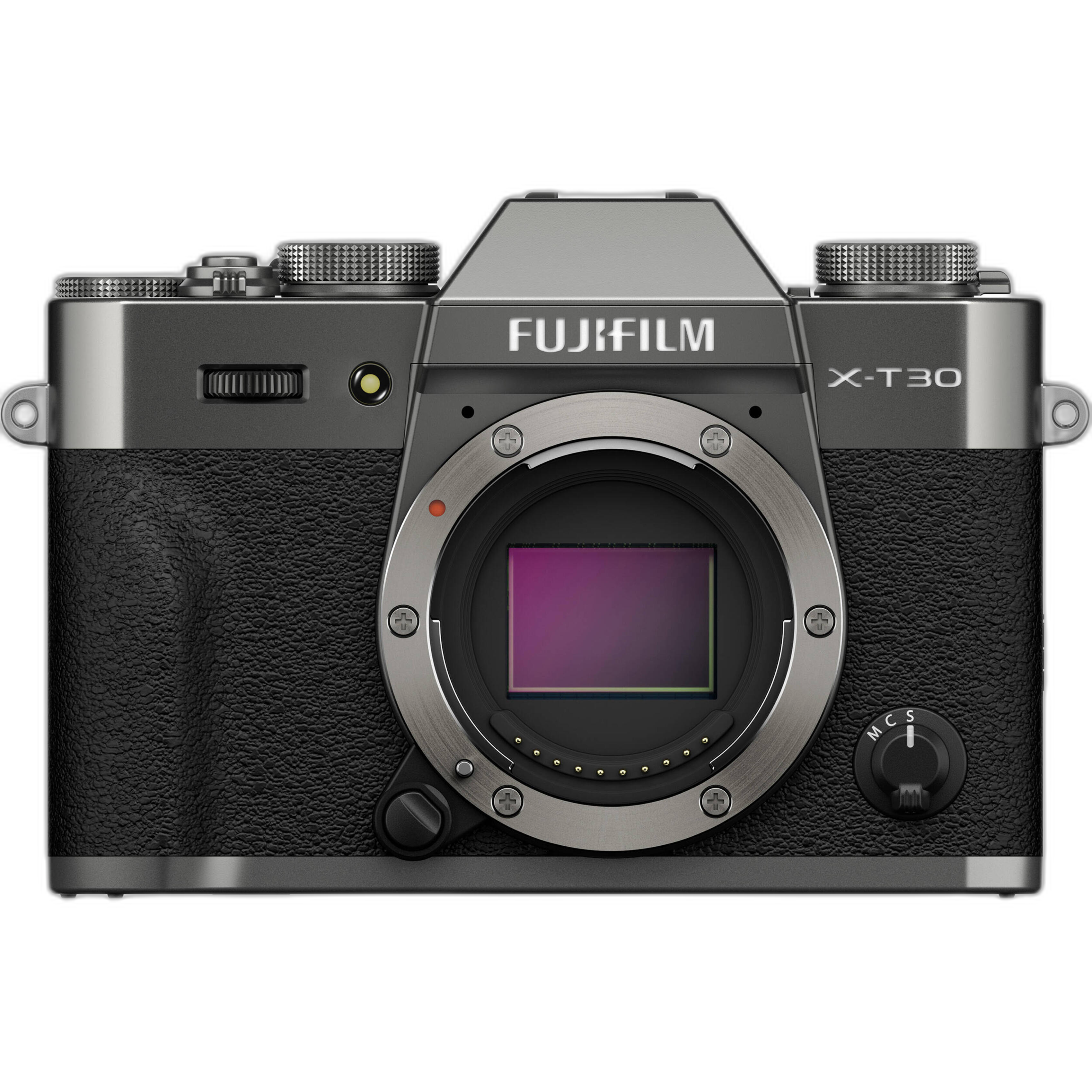
| FUJIFILM X-T30 III Body | APS-C mirrorless interchangeable-lens camera | Strong balance of size, image quality, and access to fast Fujifilm lenses | Body-only purchase requires the right lens choice to fully unlock low-light performance | Serious enthusiast concert photography |
| FUJIFILM X-T30 III with XC13-33mm Lens Kit | APS-C mirrorless kit | Convenient entry point into Fujifilm system | Kit lens is less ideal than a fast prime for dark venues | Beginner-friendly live music coverage with room to upgrade lenses |
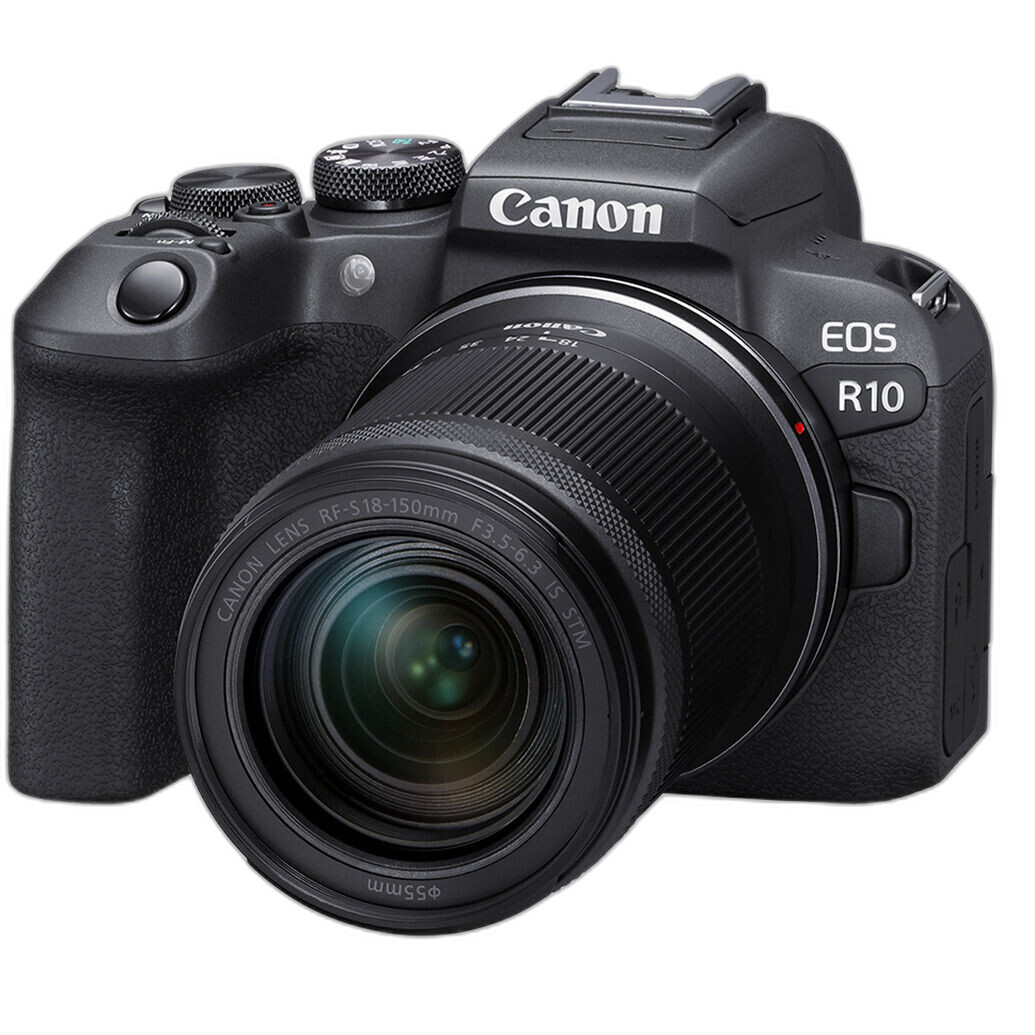
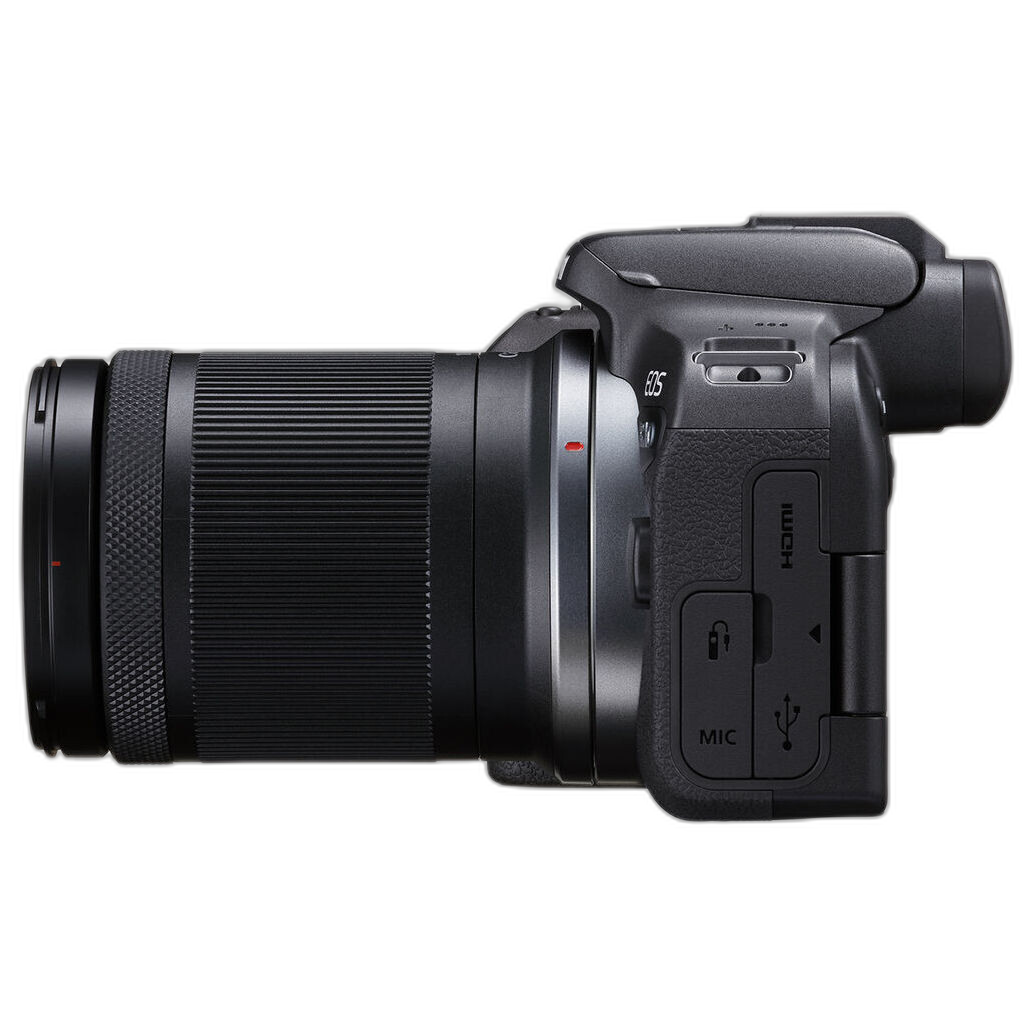
| Canon EOS R10 with 18-150mm Lens | APS-C mirrorless kit | Versatile zoom range and strong action-friendly handling | Included lens is flexible but not especially fast for dark clubs | Travel, event, and concert shooting from mixed distances |
| Sony RX1R III | Premium compact camera | Full-frame sensor in a compact form factor | Fixed-lens design limits framing flexibility in venues | Discrete concert coverage where mobility matters most |
| Hasselblad H6D | Medium format camera body | Exceptional image quality potential | Not optimized for fast-paced low-light concert action | Controlled portrait or editorial music imagery, not typical live pit work |
| Canon CR-N350 PTZ | PTZ camera | Remote venue coverage and multi-camera production capability | Not a handheld stills concert camera | Live streaming and fixed-position concert video capture |
| JVC KY-PZ200N PTZ | PTZ camera | Remote operation with long zoom for venue installs | Designed for production workflows rather than traditional concert photography | House-of-worship, stage, and venue broadcast coverage |
Comparing the Best Options for Concert Photography
Best Mirrorless Bodies for Traditional Concert Photography
If your goal is the classic concert photography workflow—shooting from the pit, balcony, backstage, or crowd line—the most relevant cameras here are the OM SYSTEM OM-5, FUJIFILM X-T30 III, and Canon EOS R10. These are the models built around the speed and flexibility concert shooters need.
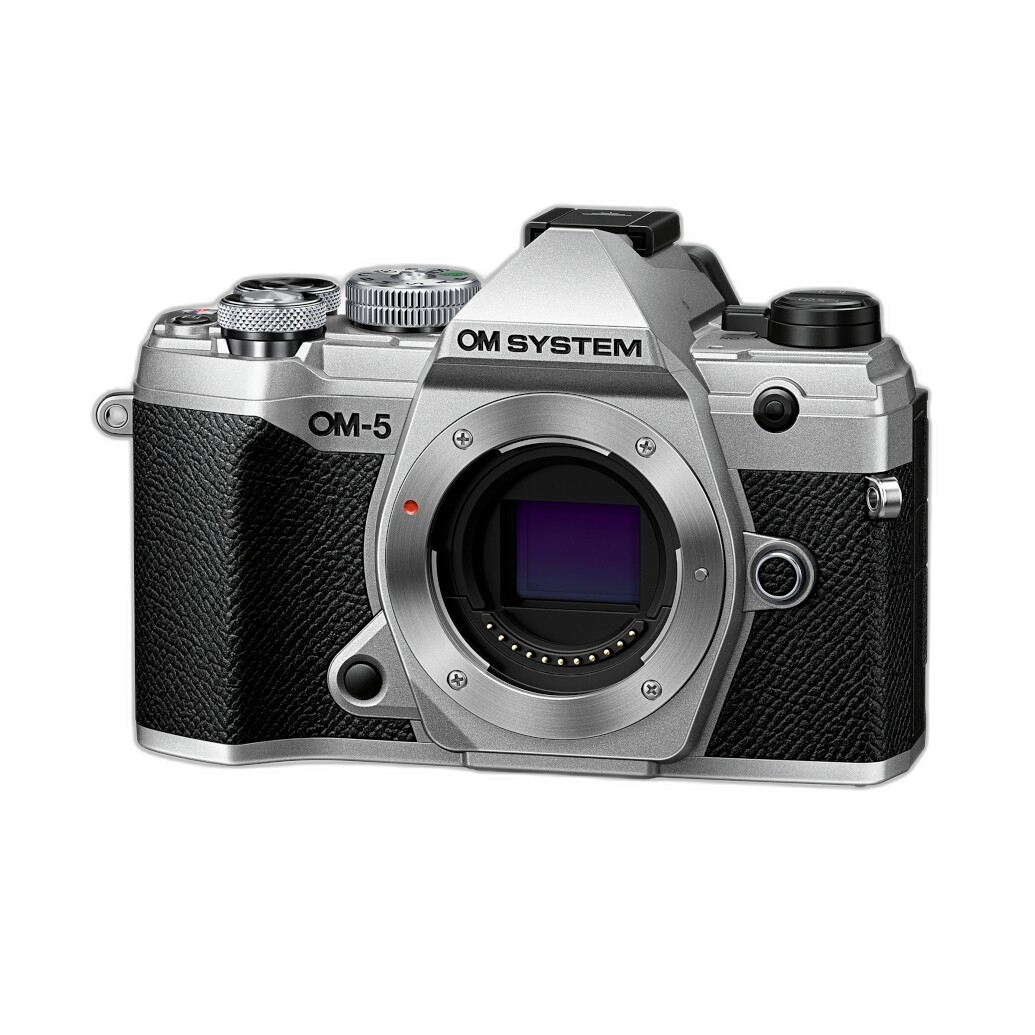
The OM SYSTEM OM-5 stands out for portability and stability. In practical concert use, that means less fatigue during long sets and easier handheld shooting when shutter speeds drop slightly for mood shots or atmospheric stage scenes. Pair it with a bright prime and it becomes a compact, highly mobile music camera.
The FUJIFILM X-T30 III is one of the most attractive enthusiast choices in this lineup. It offers a solid balance of image quality, compact size, and access to Fujifilm's strong lens ecosystem. For low light, the body-only option is especially appealing because it encourages the better buying decision: pairing the camera with a fast prime instead of relying on a slower general-purpose zoom.
The Canon EOS R10 with 18-150mm lens is the most versatile out-of-the-box package here. That wide zoom range is genuinely useful in concerts when your shooting distance changes constantly. The tradeoff is speed: a general-purpose zoom lens usually cannot gather as much light as a fast prime. So while the R10 body is a compelling concert candidate, many low-light shooters will eventually want a brighter lens for darker venues.
Body-Only vs Kit Lens: Why Lens Choice Changes Everything
Concert photography is one of the clearest examples of why a body-only purchase can be smarter than a kit. The FUJIFILM X-T30 III body may be more practical for serious low-light work than the X-T30 III kit with XC13-33mm lens, even though the kit is more turnkey.
The reason is simple: in low light, every stop matters. A slower kit lens can force higher ISO settings or slower shutter speeds, which means more noise or motion blur. For concerts, pairing a capable body with a fast lens is often more important than stepping up to a more expensive camera body with a slower zoom.
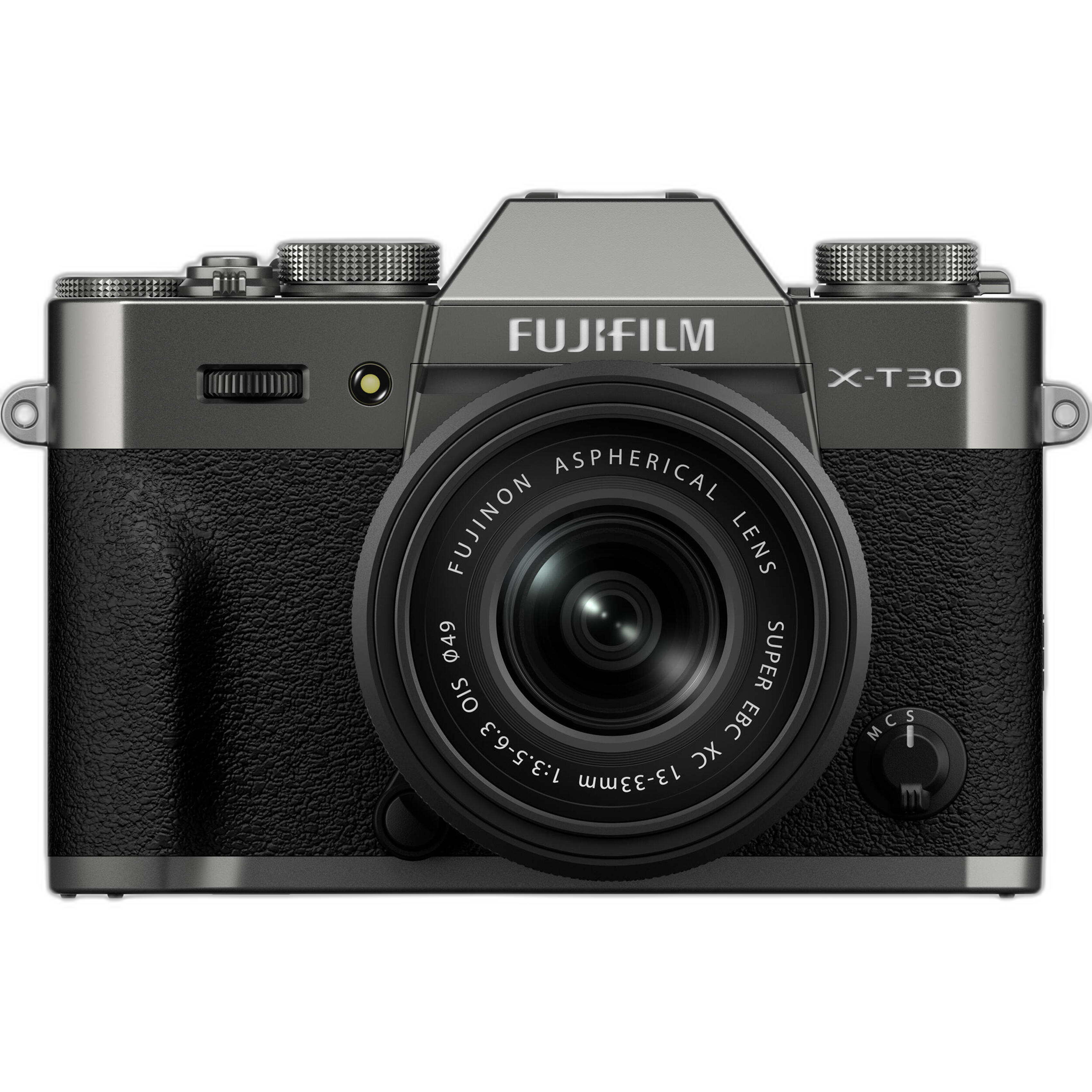
That said, the kit version still has value. If you are just starting out in concert photography and need flexibility, it can handle brighter stages, outdoor shows, and general event coverage while giving you a clear upgrade path later.
Is a Premium Compact Good for Concerts?
The Sony RX1R III Premium Compact Camera is an interesting outlier. A compact full-frame camera can be very appealing for concerts because it is easier to carry, less intimidating in tight spaces, and more discreet for documentary-style music coverage. In venues where you need to stay mobile and low-profile, that is a real advantage.
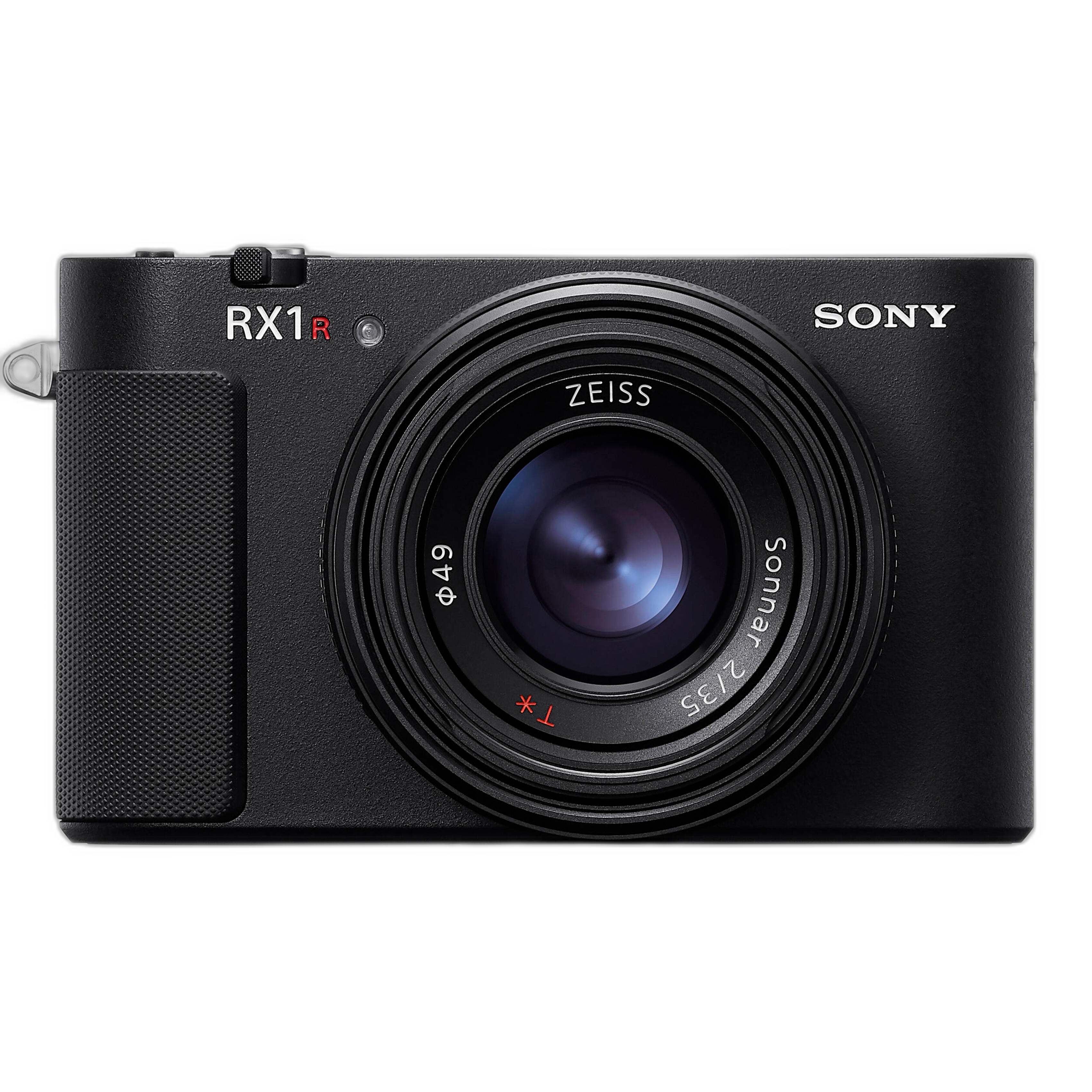
The challenge is the fixed-lens design. Concert photography often demands fast reframing from wide crowd shots to tight performer close-ups. An interchangeable-lens system is usually more adaptable. So while a premium compact can produce beautiful results in the right hands, it is more of a niche choice than the default recommendation for most concert shooters.
Why Medium Format Is Usually Not the Best Concert Choice
The Hasselblad H6D Medium Format Camera represents incredible image quality potential, but concert photography usually rewards responsiveness over maximum sensor size. Live music is fast, unpredictable, and often dim. That makes autofocus behavior, burst readiness, handling speed, and overall agility more important than ultimate studio-grade rendering.
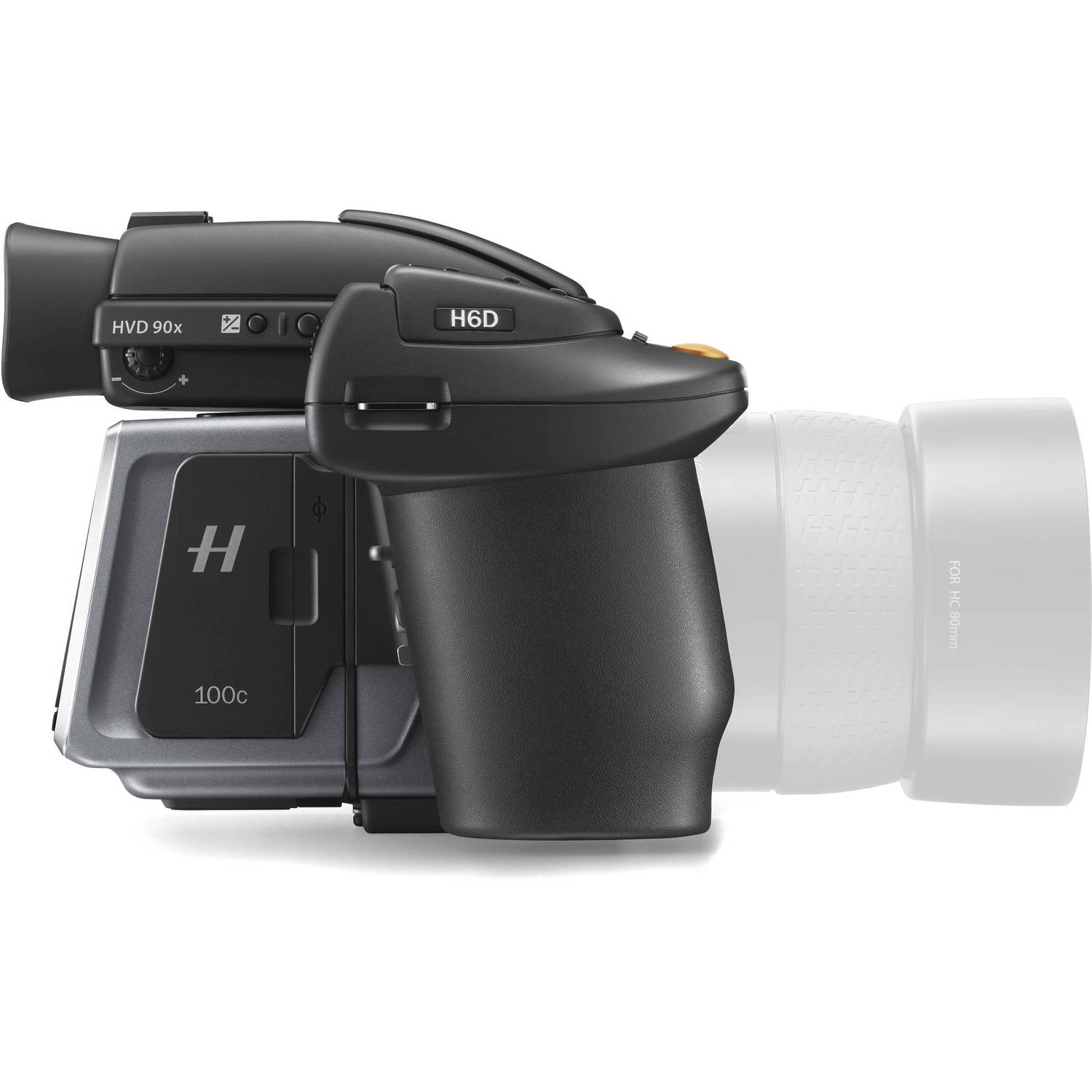
For editorial portraits of musicians, backstage sessions, album imagery, or controlled promotional work, medium format can be a dream tool. For a three-song photo pit in challenging light, it is not the most practical option in this group.
When PTZ Cameras Make Sense for Concert Coverage
The Canon CR-N350 PTZ and JVC KY-PZ200N PTZ should not be viewed as direct competitors to handheld mirrorless cameras for still concert photography. They solve a different problem: fixed-position stage coverage, venue streaming, multi-angle production, and remote operation.
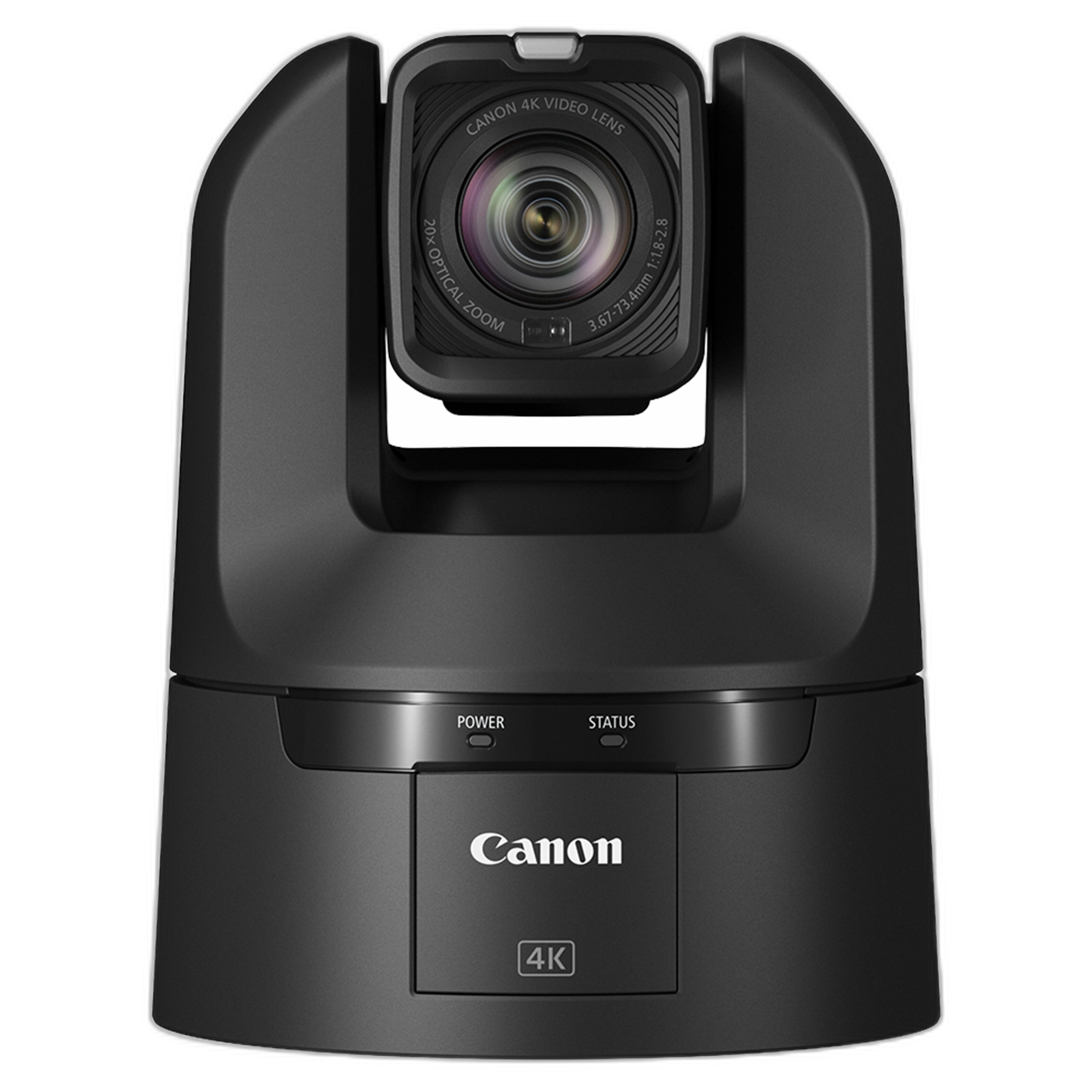
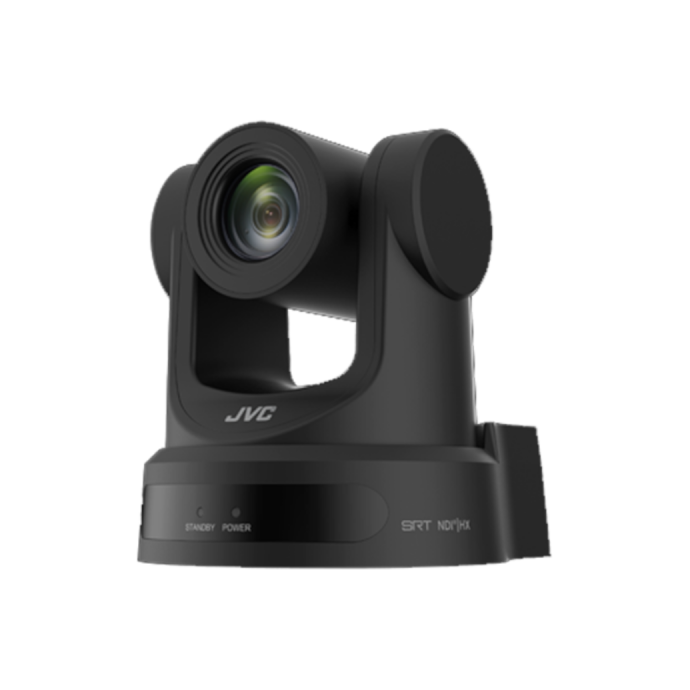
If you are producing concert video, livestreaming performances, or outfitting a venue, PTZ cameras are extremely relevant. If you are trying to freeze a guitarist under changing stage lights for still photography, a traditional mirrorless body is the better fit.
Best Camera Settings for Low-Light Concert Photography
Regardless of which interchangeable-lens body you choose, these settings are a dependable starting point:
- Shutter speed: Start at 1/320 sec for singers and guitarists; move to 1/500 sec or faster for drummers and energetic performers
- Aperture: Shoot wide open whenever practical in dark venues
- ISO: Let ISO rise as needed—grain is usually better than blur
- Metering: Expect spotlights to fool metering; review highlights often
- Exposure compensation: Useful if shooting aperture priority in difficult stage lighting
- AF mode: Continuous autofocus is usually the safest option
- Burst mode: Short bursts help capture peak expression and gesture
- RAW: Essential for recovering detail from high-contrast lighting
For many photographers, the best practical setup is Manual exposure with Auto ISO. This gives you control over motion and depth of field while allowing the camera to react to fast lighting changes.
Our Pick
Our Pick for most concert photographers: FUJIFILM X-T30 III Mirrorless Camera Body
The FUJIFILM X-T30 III body is the strongest all-around recommendation in this comparison for low-light concert photography because it strikes the best balance of size, image quality, and upgrade flexibility. Most importantly, the body-only configuration encourages the right investment: adding a fast lens that is better suited to dark venues than a general-purpose kit zoom.
If you want the best out-of-the-box versatility, the Canon EOS R10 with 18-150mm lens is a very close alternative, especially for photographers who need one camera to cover concerts, travel, and general events. If compactness and mobility are your top priorities, the OM SYSTEM OM-5 is also a smart choice.
Conclusion
The best low-light concert camera is usually not the one with the most exotic specs—it is the one that lets you work quickly in dark, unpredictable conditions and pair with the right lens. For most shooters, that means a compact mirrorless system with strong autofocus, good high-ISO performance, and access to fast glass. In this group, the Fujifilm X-T30 III, Canon EOS R10, and OM SYSTEM OM-5 make the most sense for traditional concert photography, while the Sony RX1R III serves a more specialized compact role and the PTZ models are better suited to venue production coverage.
If you are building a concert photography kit, Unique Photo is a great place to compare bodies, lenses, and accessories for low-light shooting and find the setup that matches your venue, shooting style, and budget.