Best Lenses for Urban Photography: Wide, Standard, and Prime Picks
Urban photography demands lenses that can handle towering architecture, tight alleyways, fast-changing moments, and dramatic night scenes. Drawing on our experience outfitting city shooters of every style, here’s a focused guide to choosing the right glass for streets, structures, and everything in between—plus gear you can pick up at Unique Photo.
Which focal lengths are best for architecture and skylines?
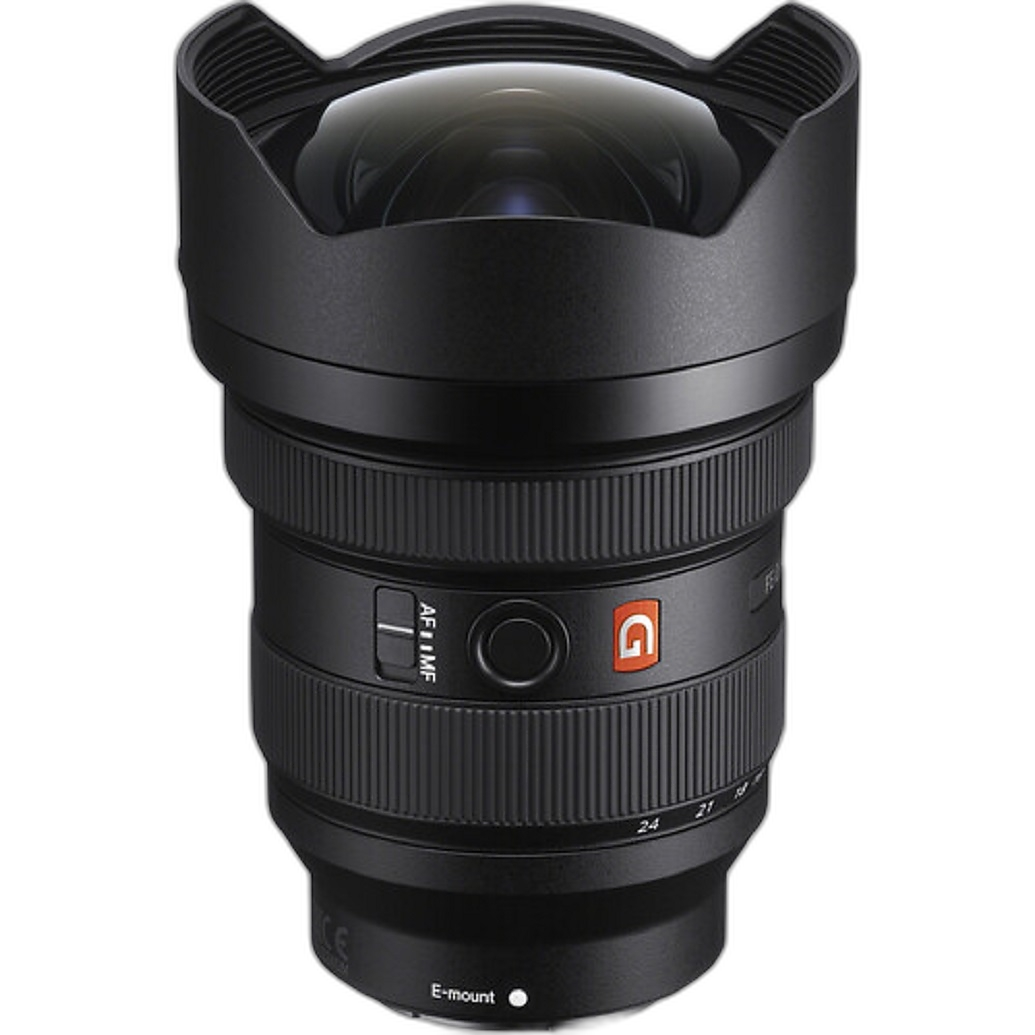
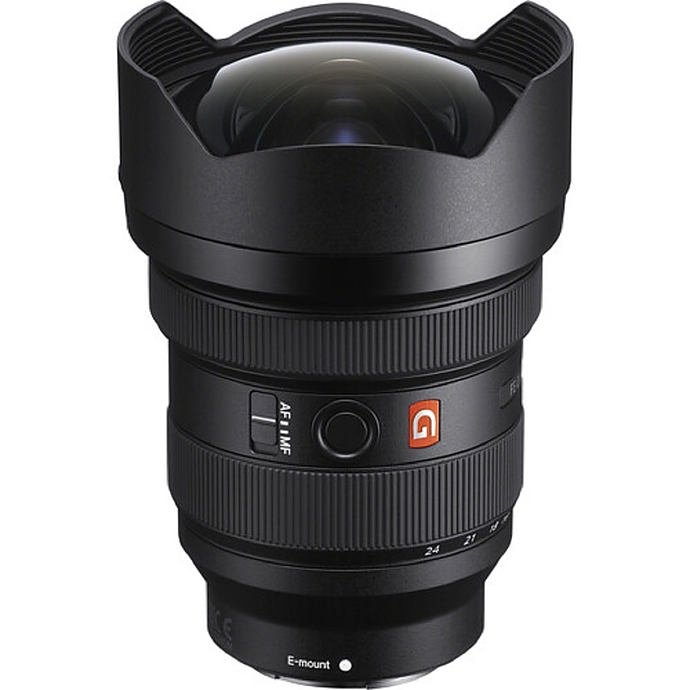
For sweeping skylines and tight architectural interiors, ultra-wide lenses are your friend. Focal lengths from 12–16mm capture grand perspectives and let you work in cramped spaces; 20–24mm is great when you want a bit less exaggeration of lines. Keep the camera level to control converging verticals and leave a little room to crop if you plan on perspective correction in post. A standout option for Sony full-frame shooters is the Sony FE 12–24mm f/2.8 GM, which combines a bright aperture with edge-to-edge sharpness for interiors, blue-hour cityscapes, and dynamic street scenes.
I want one lens for all-day city shooting—what’s the best walkaround zoom?
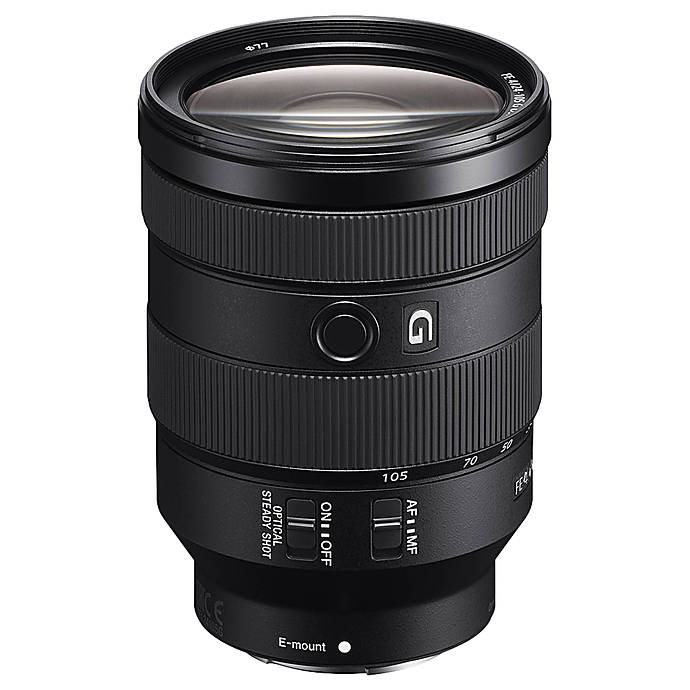
A 24–105mm covers just about everything you’ll encounter walking a city: storefront details, candid portraits, architectural slices, and compressed perspectives from a distance. The Sony FE 24–105mm f/4 G OSS is a superb one-lens solution—its constant f/4 aperture keeps exposure consistent, while built-in Optical SteadyShot helps stabilize hand-held shots at slower shutter speeds, a plus in museums, subways, and twilight streets.
Prime or zoom for street portraits and details?
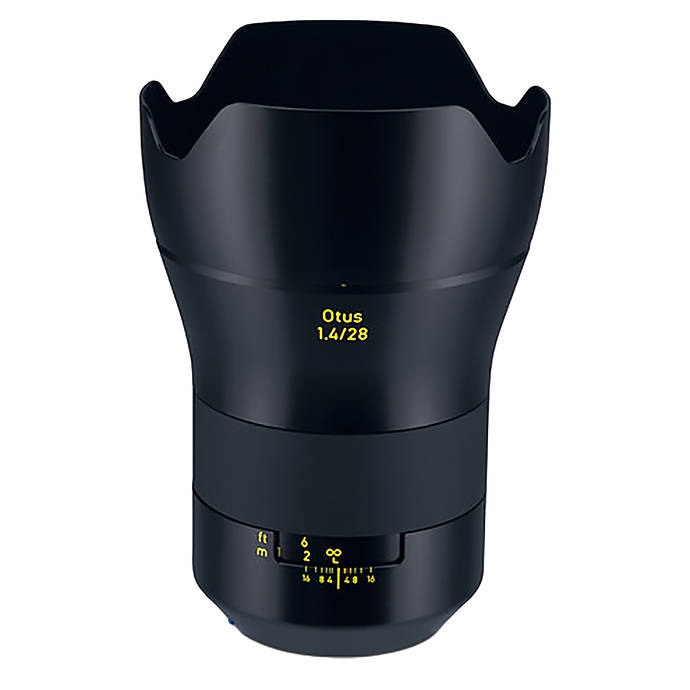
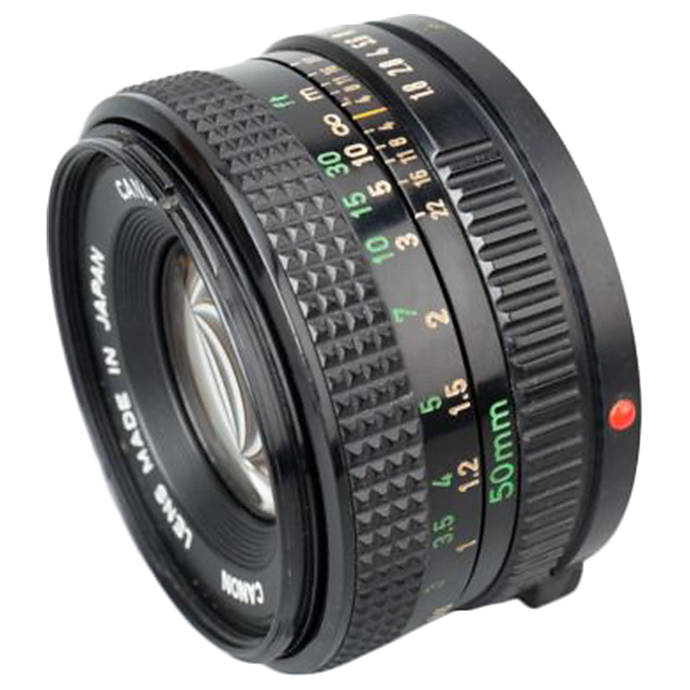
Both work—choose based on how you like to move. Zooms help you react quickly from the hip; primes encourage deliberate framing and give you speed or character. For a premium rendering with shallow depth of field and superb micro-contrast, the Zeiss 28mm f/1.4 Otus (ZF.2) is a stellar environmental portrait lens. It’s manual focus by design, rewarding careful technique and precise timing. On the other end of the budget and style spectrum, a used 50mm like the Canon FD 50mm f/1.8 delivers classic, slightly vintage street character on today’s mirrorless bodies via an adapter—great for low light, subject isolation, and a timeless look.
How do I keep lines straight and manage distortion in tight city spaces?
Start in-camera: keep the sensor level and use your grid overlay to maintain parallel verticals. If space allows, step back and shoot a bit wider than you need so you can correct perspective later without losing your subject. Modern ultra-wides like the Sony FE 12–24mm f/2.8 GM control distortion well, and careful framing helps tremendously. For long-exposure work (light trails, moving crowds) on bulbous ultra-wides that can’t take standard screw-in filters, consider a dedicated square filter system. If you’re using a Sony FE 14mm f/1.8 GM, the NiSi 100mm Filter Holder made for that lens lets you run NDs without vignetting.
What lenses work best for low light and night cityscapes?
Fast primes excel. Apertures like f/1.4–f/1.8 let you keep ISO lower for cleaner files and create subject separation for night portraits. The Zeiss 28mm f/1.4 Otus is excellent for decisive low-light moments and crisp corner-to-corner night scenes when stopped down. If you prefer a zoom, image stabilization helps—Sony’s 24–105mm f/4 G OSS can steady hand-held shots at dusk. For static scenes (cityscapes from a rooftop), use longer shutter speeds on a support and stop the lens down for maximum sharpness.
Is a superzoom a good idea for travel-heavy city days?
If you value traveling light and minimizing lens changes, a superzoom can be a smart pick. On Micro Four Thirds, a lens like the OM SYSTEM M.Zuiko Digital ED 12–200mm f/3.5–6.3 covers everything from sweeping plazas to distant details in one package. The trade-off is a slower aperture, so plan to raise ISO or shoot in brighter conditions, but the convenience is hard to beat for all-day sightseeing.
Do film or compact cameras still make sense for street shooting?
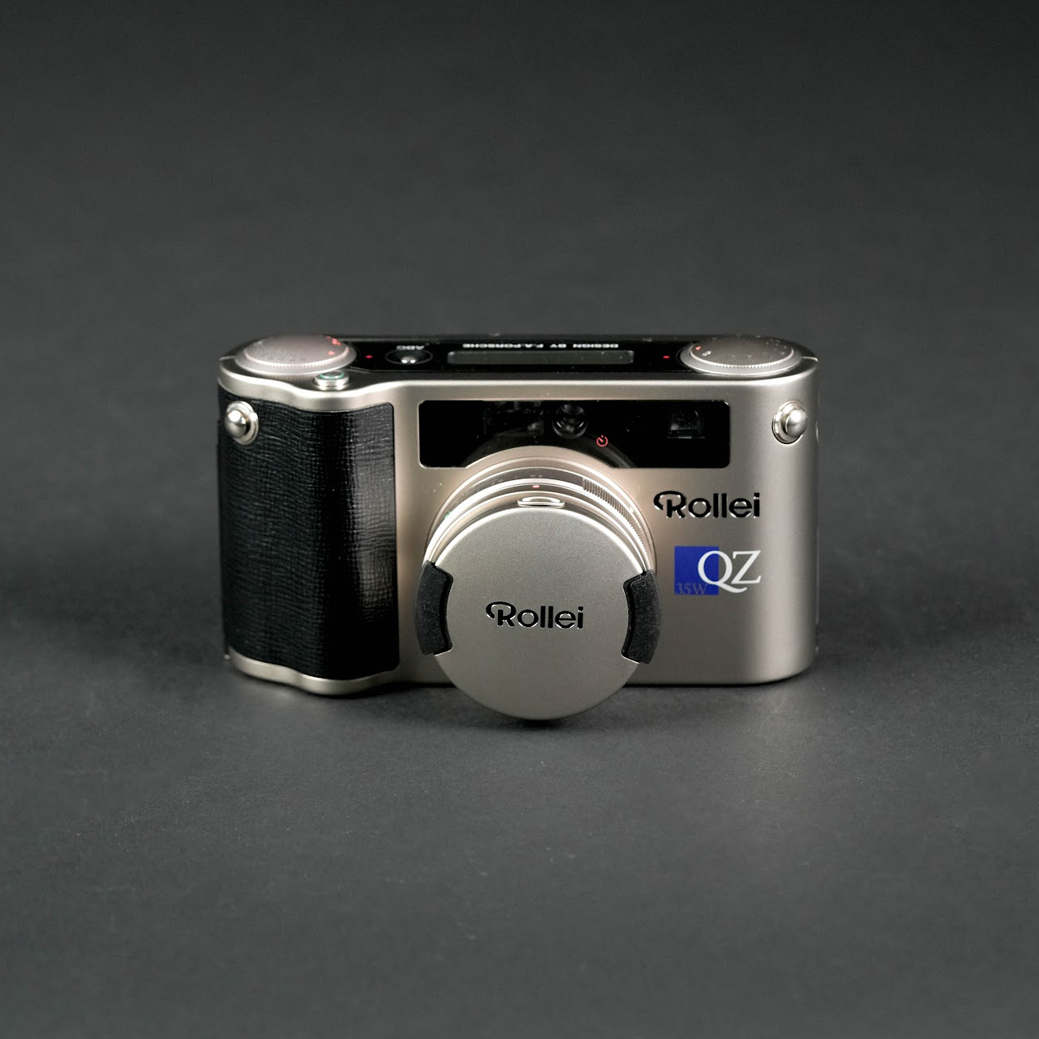
Absolutely. A compact film camera offers a fun, mindful approach and a distinct aesthetic. A used gem like the Rollei 35QZ with its 28–60mm zoom and included flash keeps your kit discreet while remaining versatile—perfect for daytime wandering and after-dark candids with a bit of bounce or fill.
Should I use a lens hood or filters in the city?
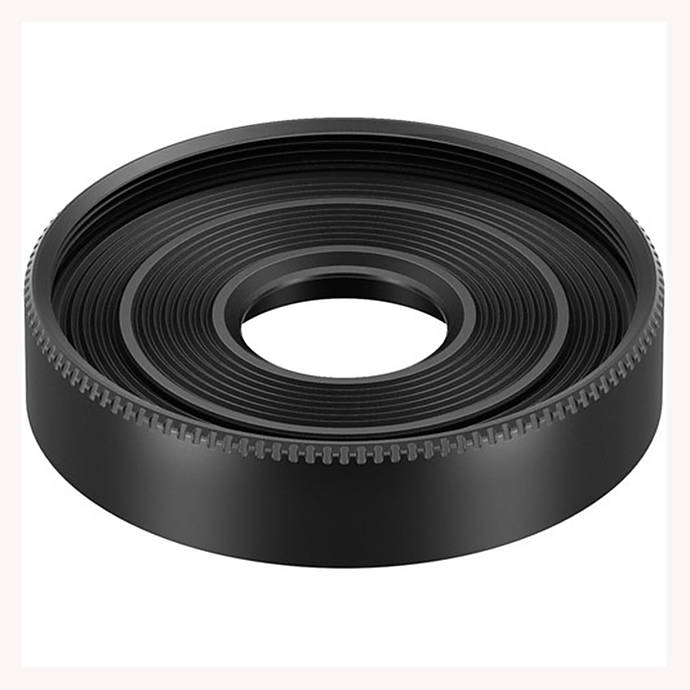
Yes. Lens hoods help cut flare from streetlights, glass reflections, and low sun, and they add a layer of physical protection. If you’re shooting Canon’s EF-M 28mm Macro around architectural textures and signage, the Canon ES-22 Lens Hood is a fitted option for that lens. For filters, a clear or UV filter can protect the front element, while NDs enable motion blur for crowds and traffic. Be cautious with polarizers on ultra-wides—they can create uneven skies across the frame.
Ready to build your urban kit? Visit Unique Photo in Fairfield, NJ or shop online to compare lenses side-by-side, explore used and manual-focus options, and get tailored advice from our team.