Urban Feature Photography: Lenses, Lighting, and City-Ready Setups
Shooting compelling urban features means balancing speed, discretion, and image quality across constantly changing light and busy streets. As New Jersey’s camera experts, we’ve distilled field‑tested guidance on focal lengths, camera settings, and smart gear choices to help you deliver publish‑ready results every time.
Which focal lengths work best for urban feature assignments?
Most urban features benefit from a flexible mid‑range. A 24–70mm lets you transition from environmental context to tighter details without swapping lenses. Many photographers anchor their kit with a 35mm or 50mm prime for natural perspective and low‑light performance, adding a short tele (85–135mm or a 70–200mm) to compress backgrounds, isolate subjects, and clean up cluttered scenes from across the street. Ultra‑wides (14–20mm) can be dramatic but require careful framing to avoid distracting edge distortion—especially with people near the frame edges.
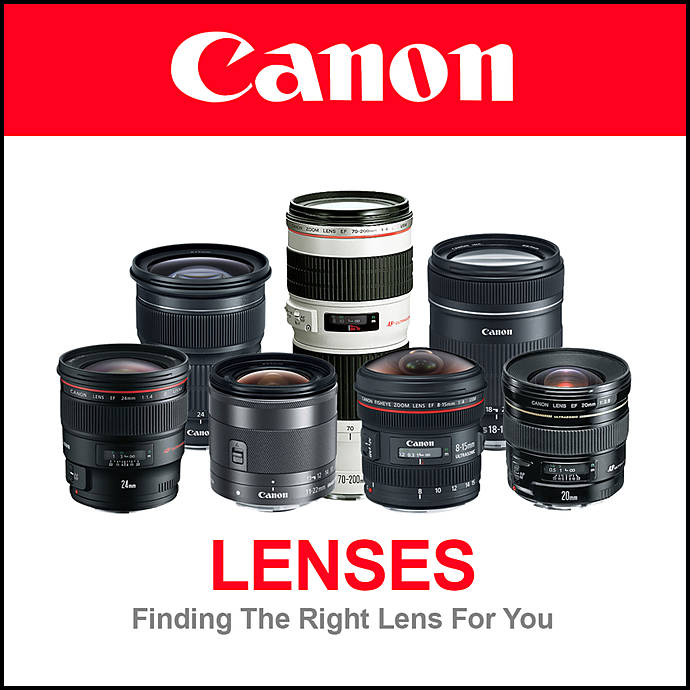
If you shoot Canon, our in‑depth lens guide can help you narrow down the right prime or zoom for your city work, from fast RF primes to do‑it‑all zooms.
Should I use primes or zooms in the city?
Primes are unbeatable for speed and subject separation—great for dusk streets, interiors, and portraits with blurred backgrounds. They also encourage consistent visual style. Zooms shine when you’re working fast around barriers, traffic, or changing distances, letting you reframe instantly without moving your feet. Many feature shooters pair a fast prime (35mm or 50mm) with a 24–70mm for maximum coverage in a small kit. If you expect longer stand‑off distances (press lines, plazas), a compact 70–200mm earns its place.
How do I handle low light and mixed lighting in cities?
City light is dramatic but tricky. For twilight sidewalks and interiors, keep shutter speeds at or above 1/250 sec for people in motion and open your aperture (f/1.4–f/2.8) to maintain clean ISO. Embrace available light—neon, storefronts, bus stop LEDs—and set a manual Kelvin white balance when colors matter, or shoot RAW and prioritize highlight retention for easier correction later. Stabilization helps, but people move; brace against a wall or use the tension technique with a sturdy strap for steadier shots. A comfortable, quick-adjust camera strap like the PGYTECH Camera Strap Slim helps you keep the camera at the ready without neck fatigue.
What composition strategies tame crowded streets?
Layer your frames to add depth: foreground silhouettes, mid‑ground subjects, and background architecture. Use leading lines—crosswalks, scaffolding, tracks—to guide the eye. Telephoto compression (85–200mm) simplifies chaos; shoot across the street to align subjects against clean, shaded facades. Look for light pools and reflections in windows or puddles to isolate a moment. If a background is messy, lower your angle to use the sky or a clean facade as a backdrop, or step laterally until lines and signage simplify.
How should I set exposure to freeze action—or show motion—on busy streets?
For crisp moments with moving subjects, use 1/500–1/1000 sec with continuous AF and subject tracking. Want motion storytelling? Try 1/15–1/60 sec and pan with your subject for sharp people against streaked backgrounds. For environmental portraits, start around f/2–f/2.8 on a 35mm/50mm to balance subject separation with a sense of place. Zone focusing (pre‑setting focus distance at f/8–f/11) is excellent for fast, candid features when AF might hunt in low‑contrast scenes.
What’s a smart, city-ready way to carry and access my kit?
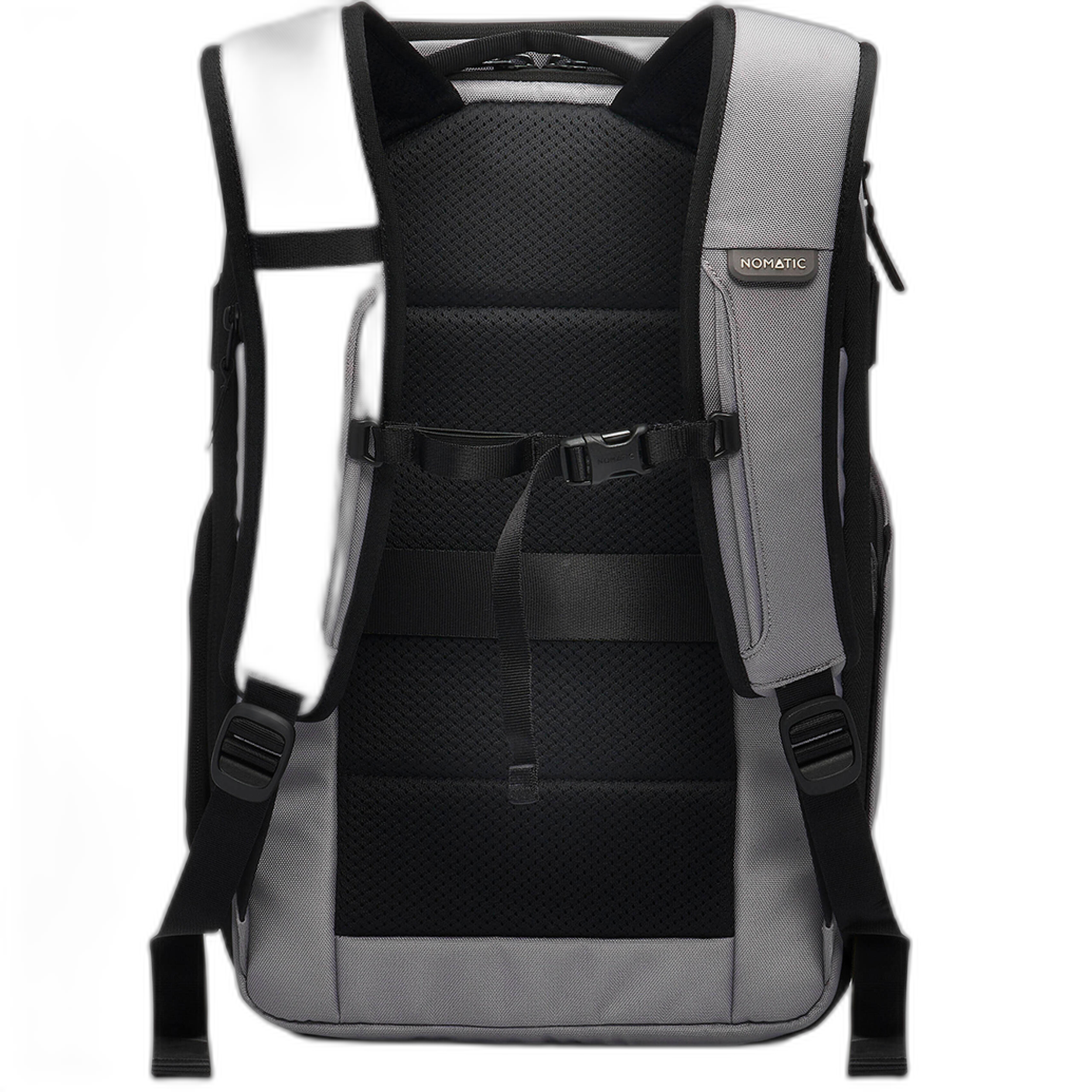
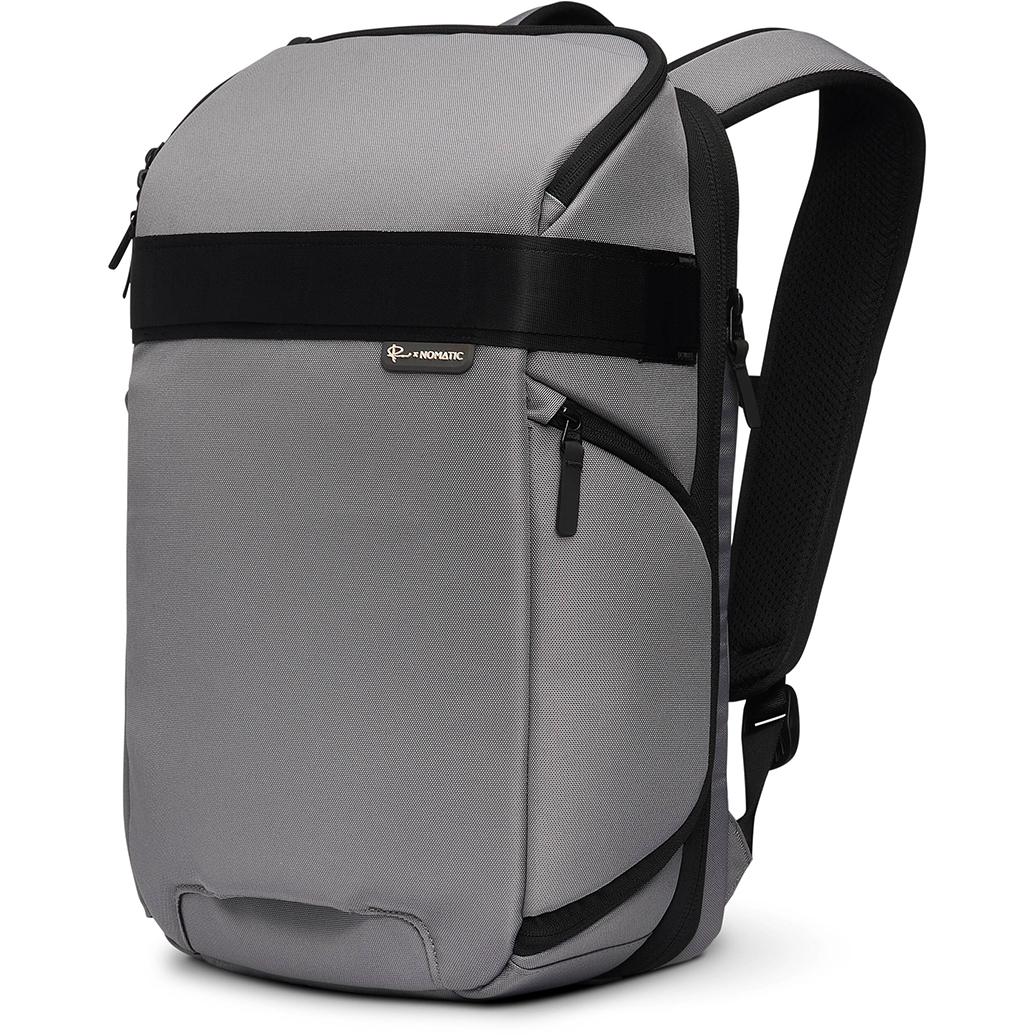
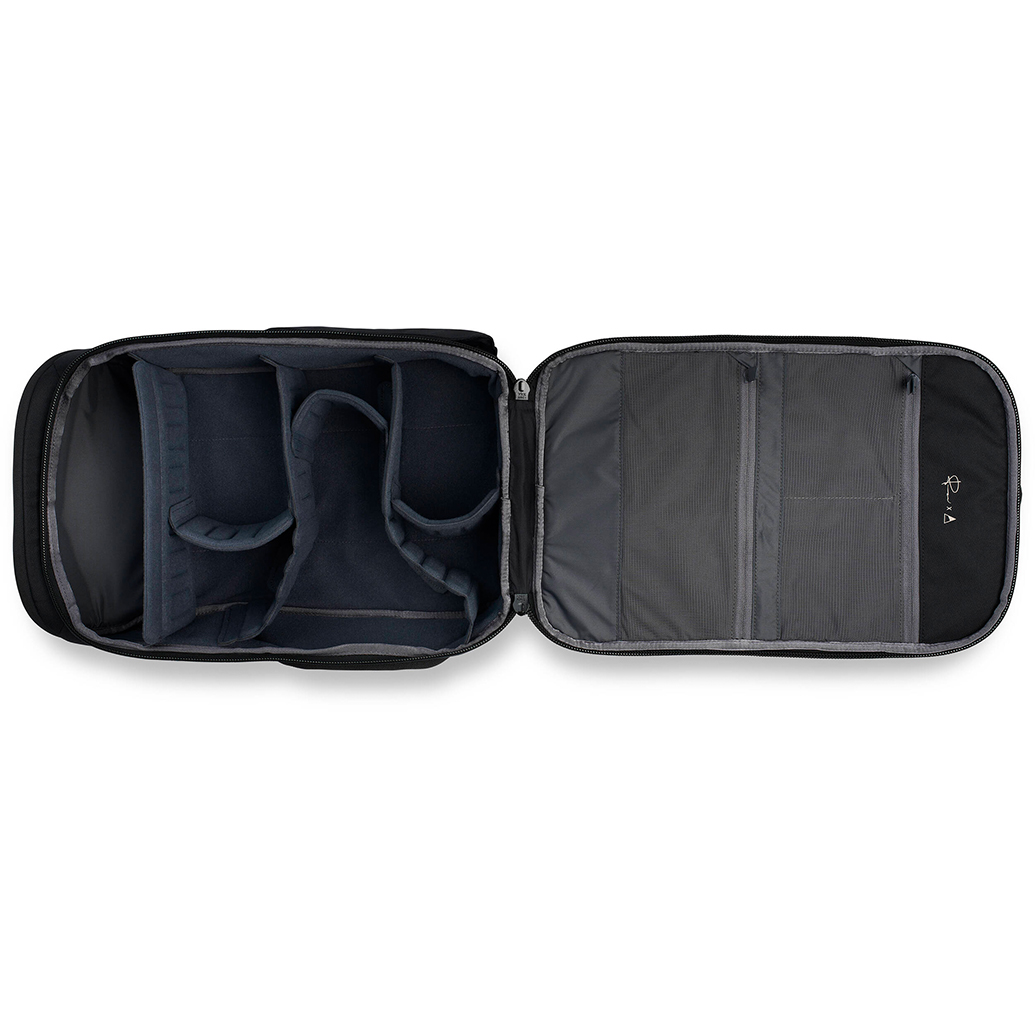
A low‑profile backpack protects your gear while moving through crowds and public transit. The Nomatic Luma Camera Pack 18L holds a body, a couple of lenses, and essentials with quick side access so you can grab a camera without fully taking the bag off—great for sidewalks and subways. Its clean silhouette avoids drawing attention, and the organization keeps batteries, cards, and a light layer easy to find.
How do I manage power and data on full-day urban shoots?
Carry more batteries than you think you’ll need, rotate and label them, and top off whenever you can—especially if you’re shooting hybrid photo/video. For Blackmagic Pocket Cinema Camera users, a dedicated AC adapter is invaluable for interviews and desk scenes near outlets; it keeps the camera powered and preserves your batteries for on-the-move sequences.
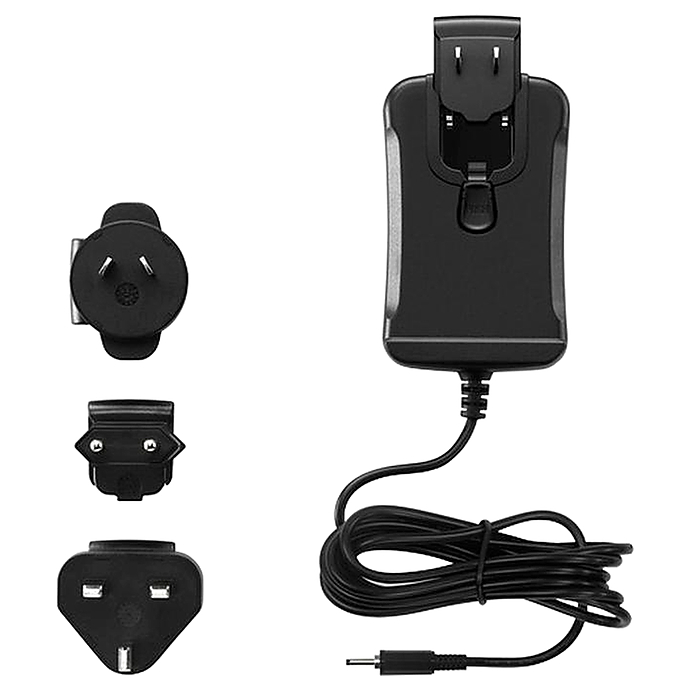
Use fast, redundant cards (e.g., dual-slot bodies writing RAW+JPEG/ProRes proxy) and back up during breaks. A discreet pack like the Nomatic Luma keeps a small SSD and reader handy without digging deep.
How do I work respectfully and legally with people in my shots?
For editorial features, photographing people in public from public spaces is generally permitted, but courtesy and transparency go far. Engage your subjects, explain your story in a sentence, and be ready with a quick portrait setup. For commercial use (ads, brand work), obtain model and property releases as required. When in doubt, step back and reframe—good storytelling never requires confrontation.
Is gear protection and warranty coverage worth it for city shooters?
Urban work exposes equipment to bumps, weather, and long hours. Brand-backed protection can minimize downtime if something goes wrong. For example, RED users can extend coverage with the RED Extended Warranty for KOMODO‑X (eligible within 6–12 months of purchase):

Nikon shooters may consider Nikon Care plans for added peace of mind. Pair coverage with common‑sense protection: a durable backpack, a comfortable strap for secure carry, and routine gear checks before you head into the city.
Ready to refine your urban feature kit? Visit Unique Photo online or in our Fairfield, NJ superstore for hands-on guidance, curated lens recommendations, and the accessories that keep you moving—so you can focus on telling the city’s story.