Best Lenses for Urban Feature Stories: Practical Picks and Pro Tips
Feature storytelling in the city demands lenses that move seamlessly from sweeping context to intimate moments. As New Jersey’s camera experts, Unique Photo breaks down how to build an urban-ready kit—covering focal lengths, speed, stabilization, and flare control—so you can focus on the story, not the gear.
Which focal lengths tell the urban story most effectively?
Most urban features benefit from a two-part approach: a versatile midrange zoom for context and a fast prime for character-driven details. A 24–105mm range lets you move from wide framings to tight portraits without changing lenses, while a fast 28–50mm prime delivers low-light performance and subject isolation for decisive moments.
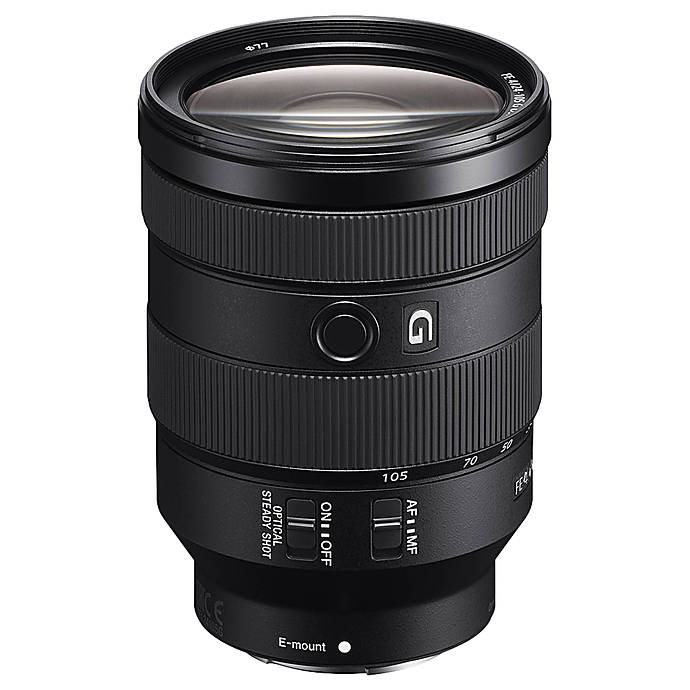
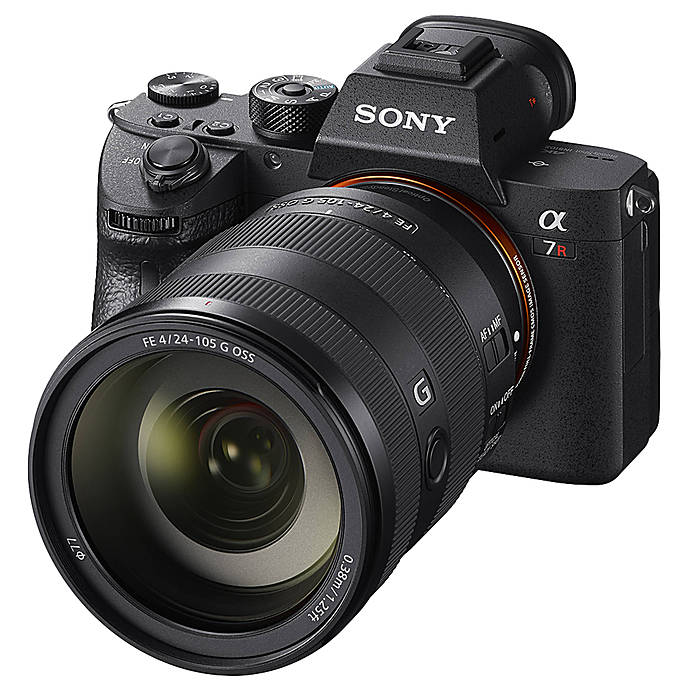
For a do‑it‑all midrange, consider the Sony FE 24–105mm f/4 G OSS. Its coverage spans environmental scenes, street portraits, and quick details with consistent sharpness and built-in stabilization—ideal for handheld work in fast-moving city environments.
Do I need an ultra-wide for tight interiors and big cityscapes?
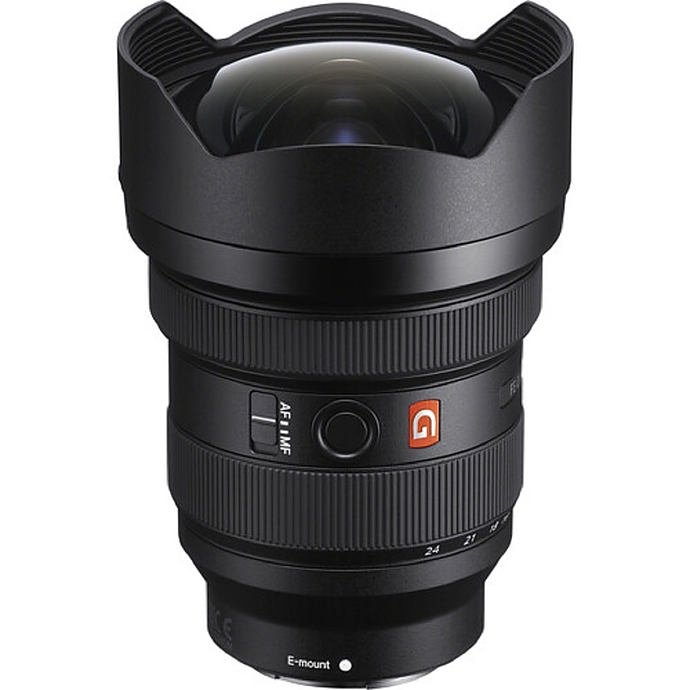
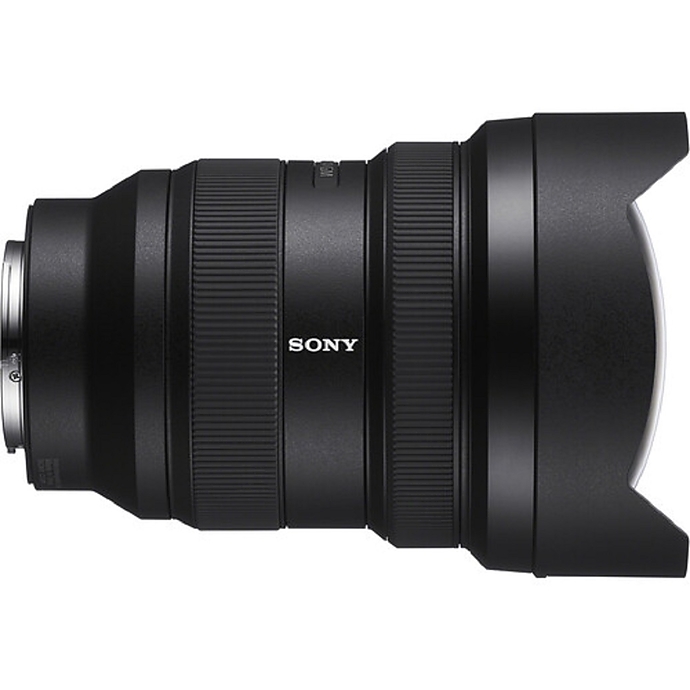
If your feature includes cramped apartments, alleyways, or establishing shots of architecture, an ultra‑wide is invaluable. The Sony FE 12–24mm f/2.8 GM gives you expansive coverage with a fast aperture for dusk and night scenes, while maintaining excellent edge-to-edge sharpness. Use 12–16mm for drama and 18–24mm for a more natural balance of space and scale. Keep verticals straight by leveling your camera or using the lens’s wider end sparingly when people are near the frame edges to avoid distortion.
What’s the best one-lens solution for a day-long feature assignment?
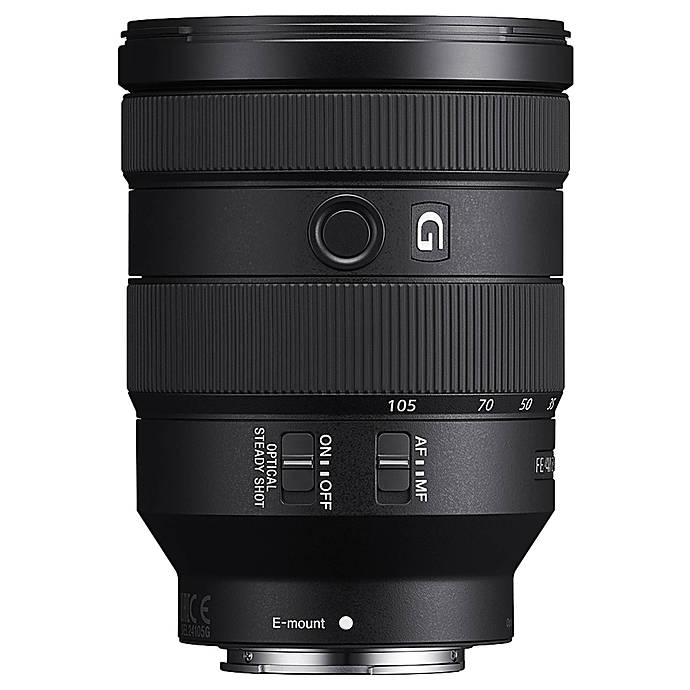
When you can only carry one lens, a stabilized midrange zoom is the safest bet. The Sony FE 24–105mm f/4 G OSS covers everything from street scenes at 24mm to tighter moments at 70–105mm, with Optical SteadyShot to keep handheld footage and photos sharp at slower shutter speeds. Pair it with a modern mirrorless body’s in-body stabilization to stretch low-light performance even further without increasing ISO.
How do I handle low light without flash during night features?
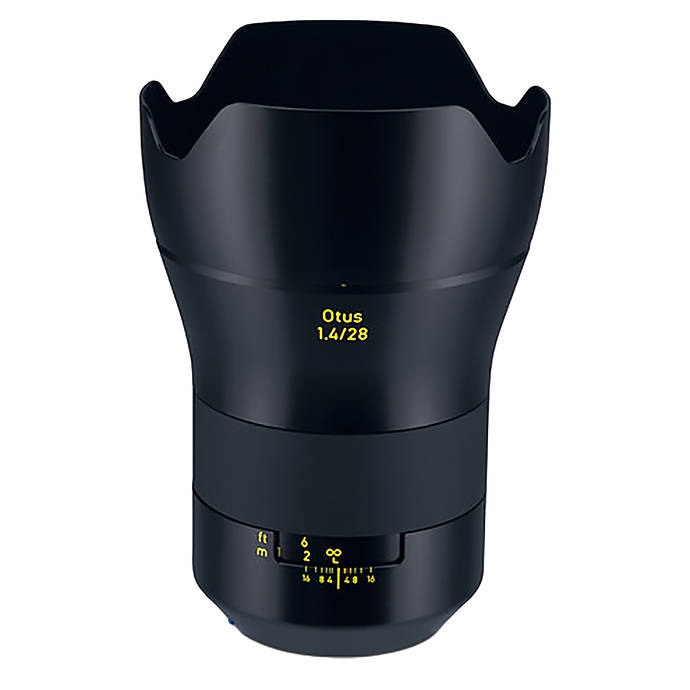
Fast primes excel after dark—f/1.4 to f/1.8 gathers more light and adds subject separation for cinematic storytelling. The Zeiss 28mm f/1.4 OTUS (Nikon ZF.2 mount) is a stellar low-light and environmental portrait lens, renowned for micro-contrast and edge clarity. It’s manual focus, which slows you down in a good way for thoughtful, accurate framing and focus pulls—great for deliberate storytelling and hybrid shooters who value precision.
Are legacy or manual-focus lenses worth considering for features?
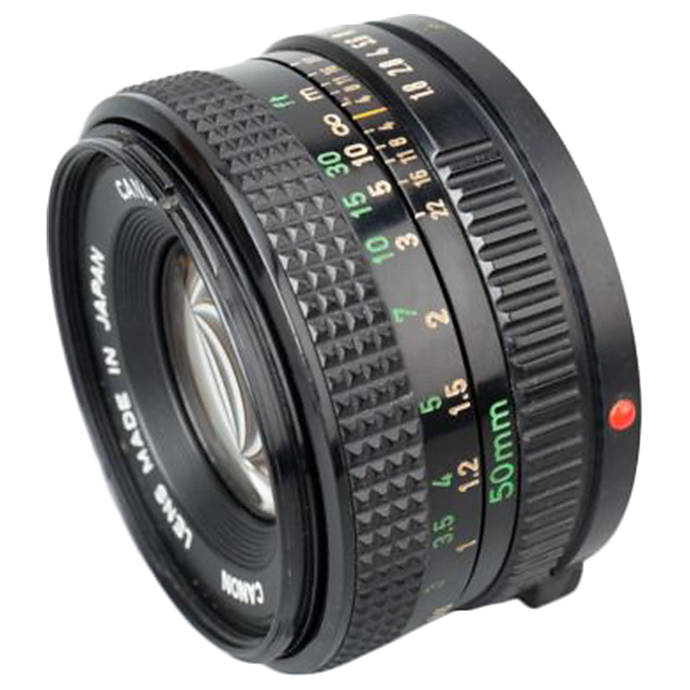
Absolutely—vintage glass can add character, and manual focus encourages intentional shooting. A classic like the Used Canon FD 50mm f/1.8 is compact, affordable, and delivers a timeless look for portraits and detail shots. With the right adapter, it’s an excellent complement to a modern mirrorless body for stills. Just plan for manual exposure and focus, and test your adapter for accurate infinity focus.
Stabilization vs. aperture: which matters more in the city?
Both help, but in different ways. Aperture (f/1.4–f/2.8) is king for subject isolation and cleaner low-light images. Stabilization—either in-lens OSS or in-body IBIS—reduces shake at slower shutter speeds for static scenes. For on-the-move storytelling, a stabilized zoom like the Sony FE 24–105mm f/4 G OSS keeps footage and stills sharp without always pushing ISO, while a fast prime like a 28mm or 50mm lets you freeze action and maintain image quality when the light drops.
How do I control flare and contrast around glass and city lights?
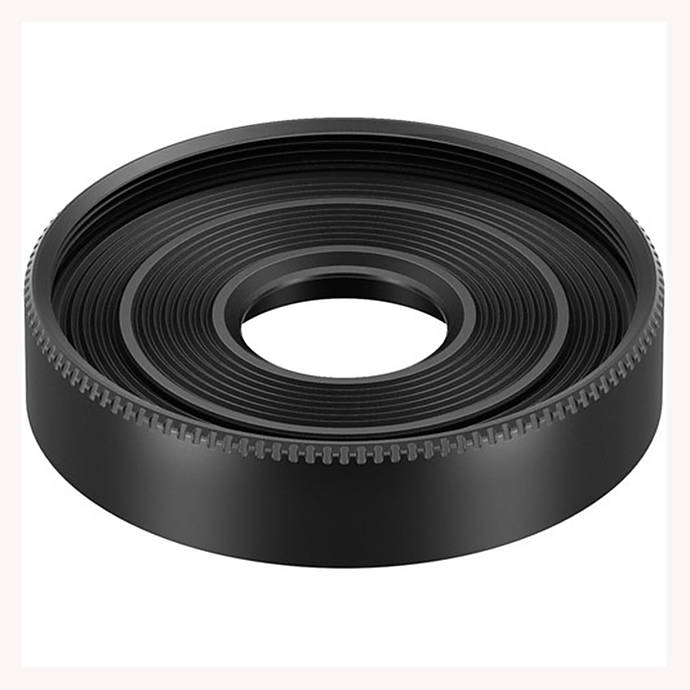
Urban environments are full of flare traps: glass façades, neon, and car headlights. Use a lens hood whenever possible to maintain contrast and reduce veiling glare. If you’re shooting Canon’s EF‑M 28mm Macro for urban detail cutaways, the Canon ES‑22 Lens Hood is a purpose-built option that shields the front element effectively. For other lenses, match the hood to your focal length to prevent vignetting.
What’s a smart two-lens kit for urban features?
For most hybrid shooters and photojournalists, we recommend: 1) an ultra‑wide zoom for interiors and dramatic context, and 2) a stabilized midrange zoom for coverage and portraits. The Sony FE 12–24mm f/2.8 GM paired with the Sony FE 24–105mm f/4 G OSS creates a seamless 12–105mm range without gaps—lightweight enough for all-day wear, and flexible enough for almost any scene you’ll encounter.
Is there a compact or film option for a different aesthetic?
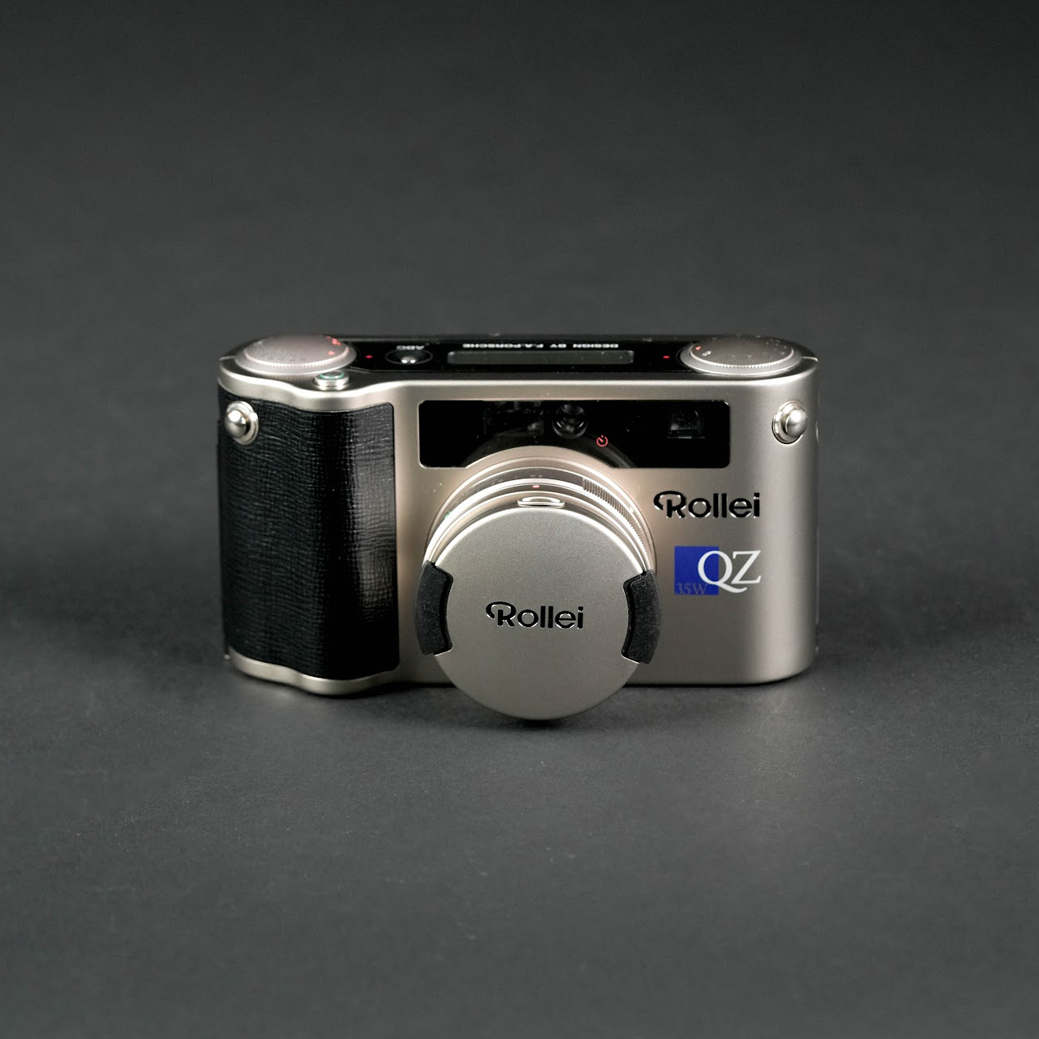
If your feature calls for a distinctive film look or you want a discreet backup, a compact film camera can be a creative addition. The Used Rollei 35QZ with a 28–60mm zoom provides a portable, analog experience with a versatile focal range—great for personal projects, b‑roll stills, or when you want the tactile pace of film to guide your storytelling.
Whether you’re assembling your first urban feature kit or refining a professional setup, Unique Photo has the lenses, accessories, and expert guidance to help you tell the story your way. Visit us online or in-store to compare options, trade up, and get hands-on advice from our team.