City Documentary Photography FAQ: Best Lenses, Settings, and Field Tactics
Documentary-style photography in cities demands speed, discretion, and gear that delivers under pressure. As New Jersey’s camera authority, Unique Photo compiled this FAQ to help you choose the right lenses, dial in dependable settings, and work efficiently on real streets and real timelines.
Which focal lengths work best for documentary-style features in a city?
A practical kit spans wide-to-normal focal lengths so you can move from establishing scenes to intimate moments. Many shooters rely on a 24–105mm for day-to-day coverage, add an ultra-wide for tight interiors and big establishing frames, and keep a fast prime for low light and character-driven shots. For example, an ultra-wide like 12–24mm captures cramped spaces and dramatic context, while 35–50mm frames human-scale storytelling without distortion.
Two versatile options we see documentary photographers gravitate to:
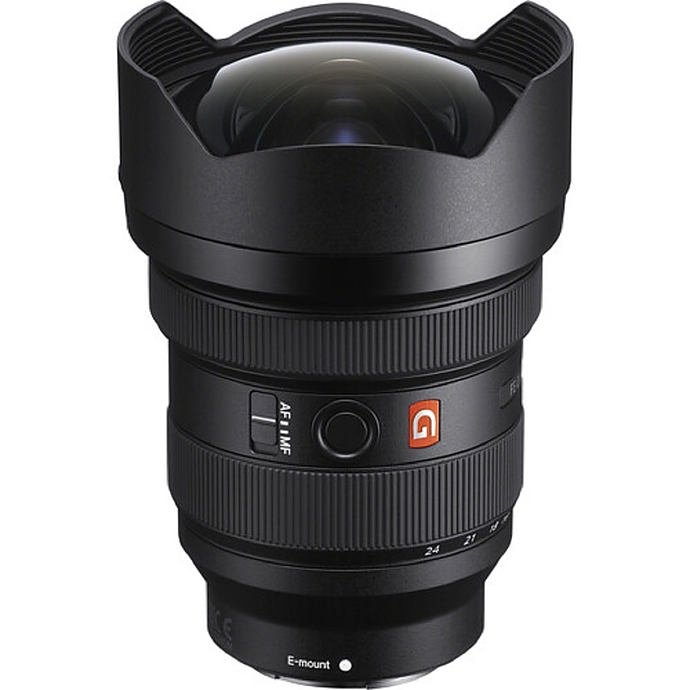
- Sony FE 12–24mm f/2.8 GM: excels for immersive establishing shots, night scenes with strong city lights, and interior work where space is scarce.
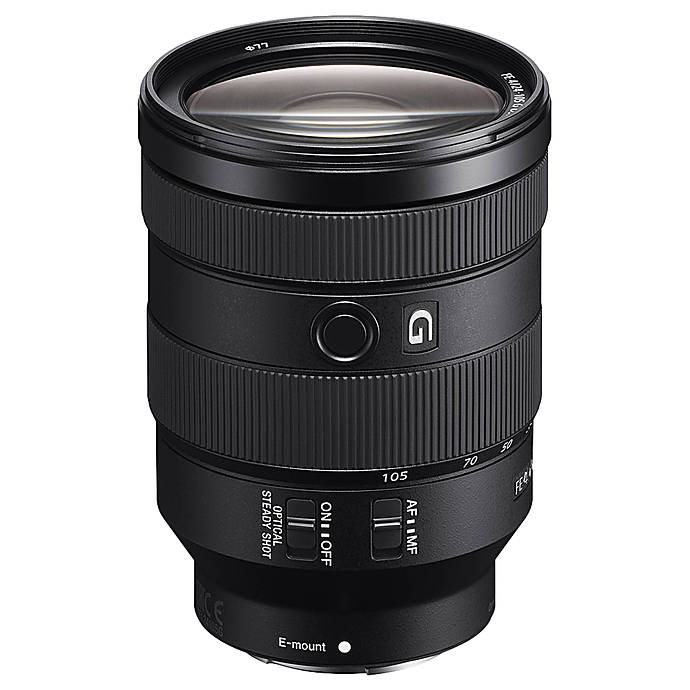
- Sony FE 24–105mm f/4 G OSS: a do-it-all range for walking coverage, environmental portraits, and quick reframing without swapping lenses.
Should I choose a fast prime or a versatile zoom for urban documentary work?
Both have a place. Zooms keep you nimble and help you follow unpredictable action without physically shifting position—ideal for street features, events, and one-lens days. Fast primes give you light-gathering power and a consistent look that helps a long-form story feel cohesive. A 28mm or 35mm prime encourages proximity and clearer intent in your compositions.
Consider pairing a general-purpose zoom with a fast prime:
- For coverage: Sony FE 24–105mm f/4 G OSS balances reach and stabilization for handheld work.
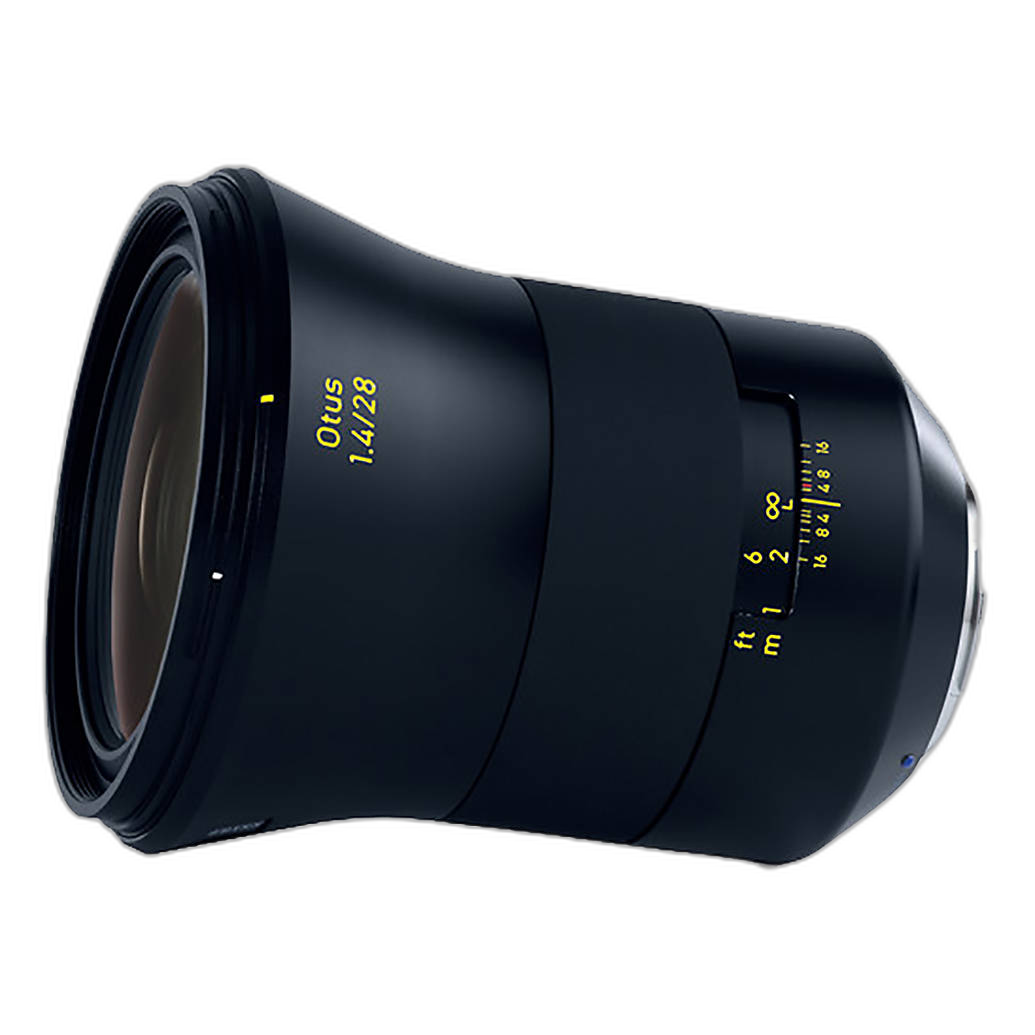
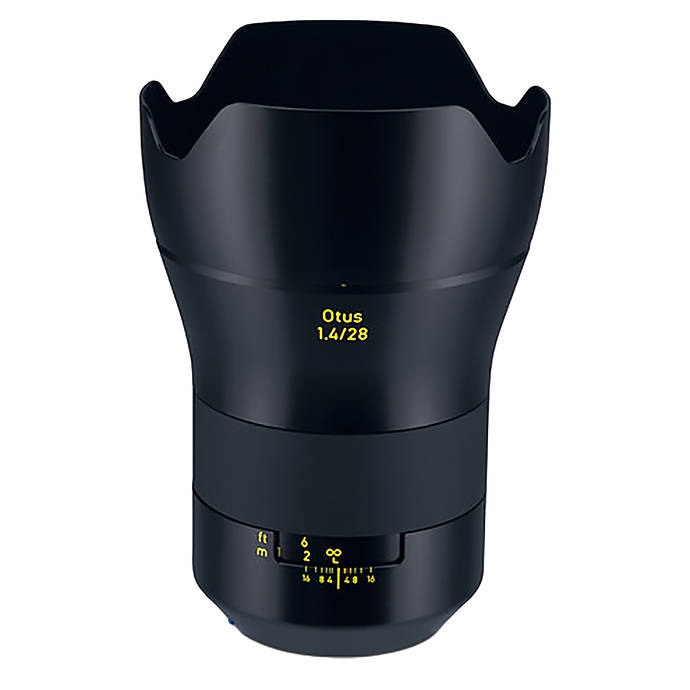
- For character and low light: a fast manual-focus prime like the Zeiss 28mm f/1.4 Otus produces exceptional micro-contrast and rendering—great when you have time to focus deliberately or work with an assistant. With an adapter, it can complement mirrorless bodies for planned sequences.
How do I handle low light without losing the mood?
Protect the atmosphere by balancing three levers: aperture, shutter, and ISO. Open up when you can, keep shutter speeds at or above 1/125–1/250 sec for subjects in motion, and let ISO rise to maintain the moment. Image stabilization helps with camera shake on static scenes, but it won’t freeze your subject—so favor faster shutter speeds for people. Carry one fast prime for dusk/night transitions and rely on stabilized zooms when you need flexibility.
- Sony FE 24–105mm f/4 G OSS: optical stabilization buys you extra steadiness for static frames.
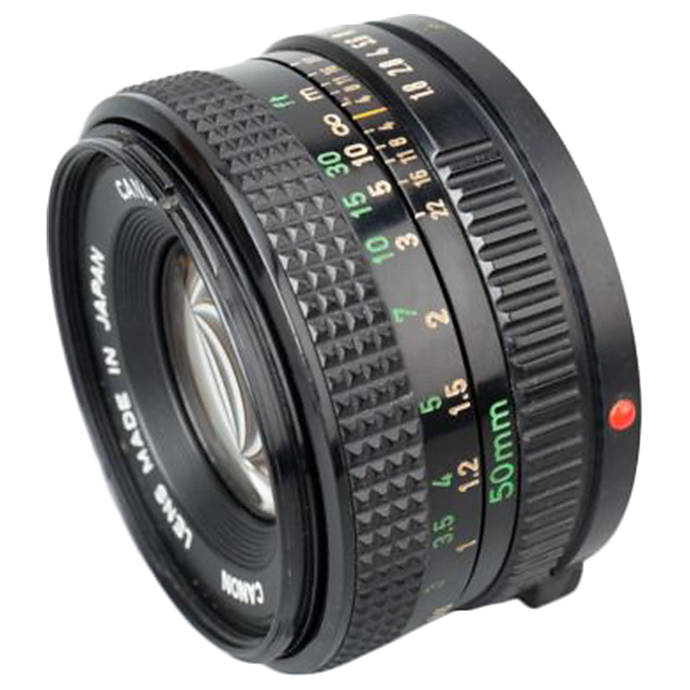
- Budget-friendly fast glass: a used 50mm like the Canon FD 50mm f/1.8 (adaptable to many mirrorless bodies) can be a cost-effective night companion for layered street scenes.
What’s a compact, discreet option when I want to stay low-profile?
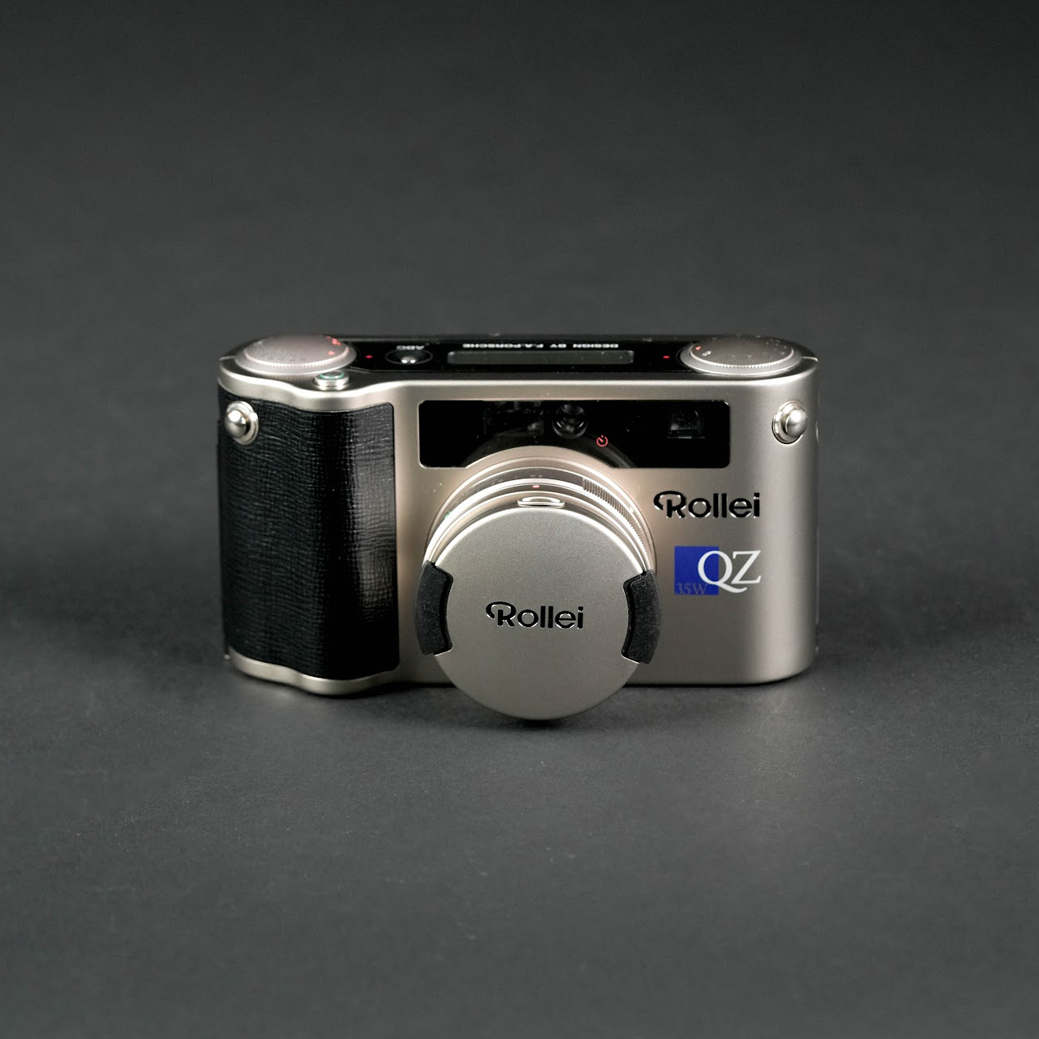
Discretion matters in candid environments. Keep your kit tight: one body, one lens, a small bag. If you prefer film for its cadence and look, a compact point-and-shoot or small-range zoom film camera keeps you unobtrusive and slows you down in a good way—useful for deliberate storytelling and for subjects who react to big rigs. Compact bodies with short lenses also encourage closer engagement without intimidation.
How do I keep straight lines straight with ultra-wide lenses in the city?
Ultra-wides exaggerate perspective when the camera tilts. Keep the sensor plane level when possible, step back and crop rather than tilting up, and use grids in your EVF to maintain horizon and verticals. In post, apply lens profiles and perspective correction sparingly to avoid stretching faces near edges. A well-corrected ultra-wide like the Sony FE 12–24mm f/2.8 GM helps by controlling edge sharpness and distortion at the source.
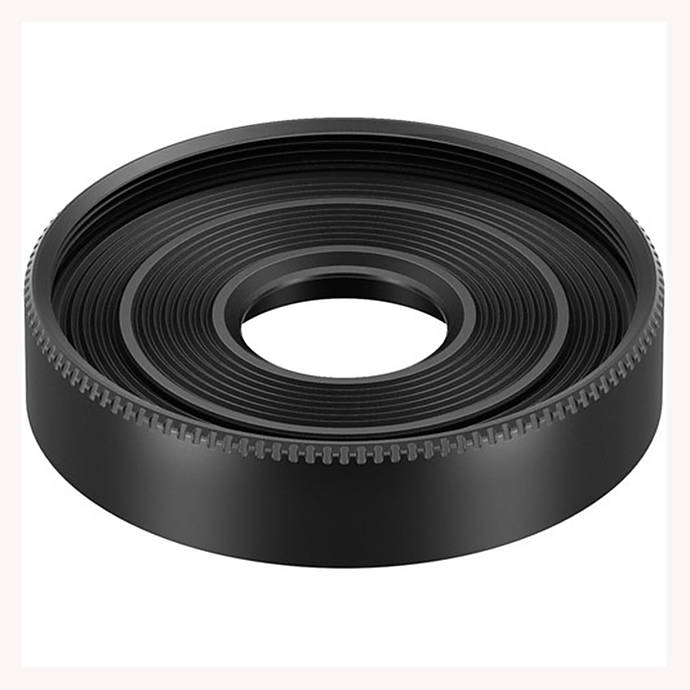
Also consider flare control—streetlights and glass facades can reduce contrast. A lens hood is a simple defense when your lens supports it. For lenses with dedicated hoods, keep one in your bag for night work and backlit scenes.
What autofocus and exposure strategies are most reliable for moving subjects?
Use continuous AF with a mid-sized zone to track subjects across the frame, and consider back-button focus to avoid accidental refocus between frames. For exposure, matrix/evaluative metering with exposure compensation handles mixed light well—dial in -0.3 to -1.0 EV to protect highlights from neon and streetlights. Set a minimum shutter speed auto-ISO rule (e.g., 1/250 sec for people), and raise ISO as needed. Stabilization helps when you pause for a still moment; switch to faster shutter priority when the action ramps up.
How do I build a cohesive visual narrative when using multiple lenses?
Plan roles for each lens: ultra-wide for scene-setting, normal for interactions, and a fast prime for intimacy and low light. Keep color and contrast consistent by sticking with a small set of lenses for an entire feature; process with one LUT or preset family to unify the look. When you switch focal lengths, maintain shooting distance language—e.g., always get within conversational distance for portraits—so perspective feels consistent across the project.
What practical field tips help me stay ready in fast-changing city environments?
Pre-set your camera before walking into a scene: AF-C, zone AF, auto-ISO with a sensible cap, and a minimum shutter speed. Use silent or electronic first-curtain shutter where appropriate. Keep lens changes minimal; if you carry two lenses, store one in a quick-access pouch and practice swaps. Wear dark, non-distracting clothing, and be mindful of reflections in glass to avoid giving away your presence. Most importantly, move with purpose and respect your subjects and surroundings.
Ready to refine your kit for city documentary work? Explore lenses, accessories, and used finds at Unique Photo—online or at our New Jersey superstore—and tap our team for tailored advice and trade-in options.