Best Lens Choices for Documentary Filmmaking: FAQ for Interviews and Run-and-Gun
Choosing the right lens setup for documentary work is really about balancing speed, flexibility, and image character. Whether you're filming sit-down interviews, vérité coverage, or fast-moving b-roll, the best choice depends on how you shoot and how much you need to adapt in real time.
At Unique Photo, we often help filmmakers sort through the same practical questions: which focal lengths are most useful, when zooms make more sense than primes, and whether an integrated-lens camcorder can actually be the smartest tool for efficient production. This FAQ breaks down the key considerations for documentary shooters.
What focal lengths are best for documentary interviews?
For interviews, many filmmakers prefer a normal-to-short-telephoto field of view because it flatters facial features and helps separate the subject from the background without feeling overly compressed. On many interchangeable-lens systems, that often translates to something in the roughly 50mm to 85mm equivalent range for a medium or tight interview frame. Wider focal lengths can work when the environment is part of the story, but they need careful placement to avoid distortion.
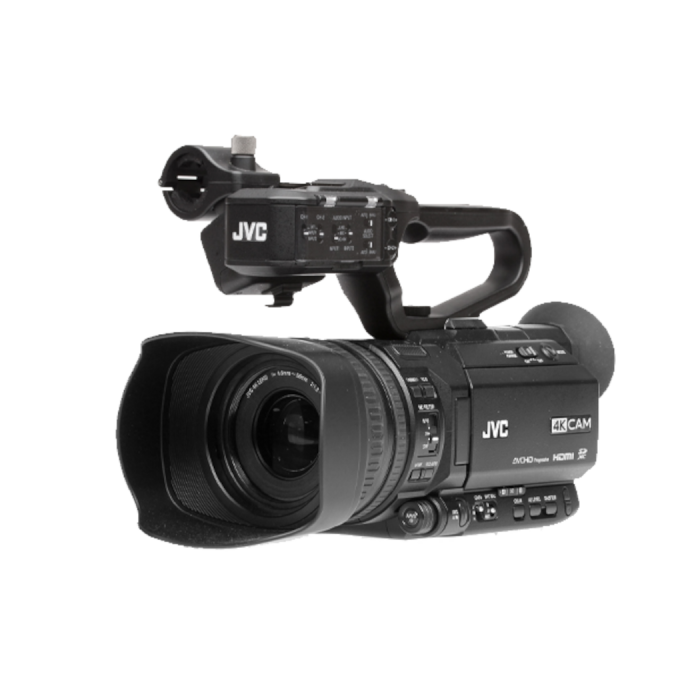
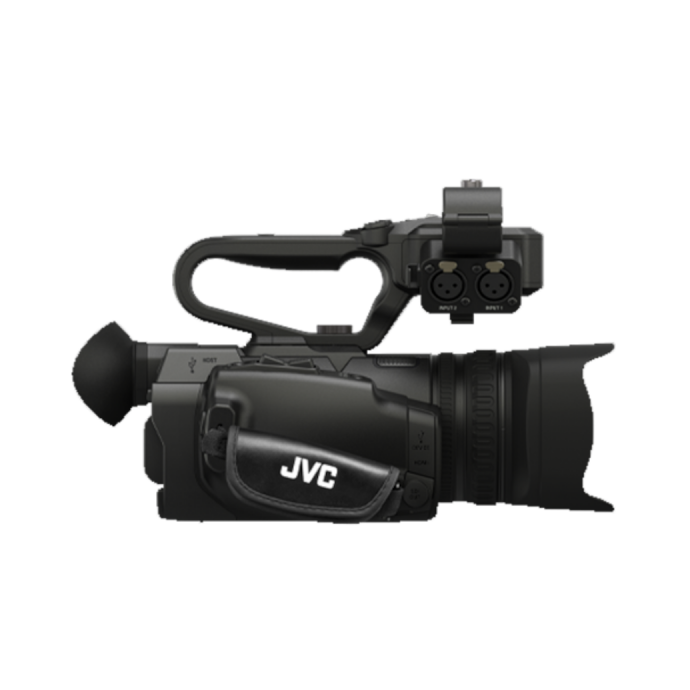
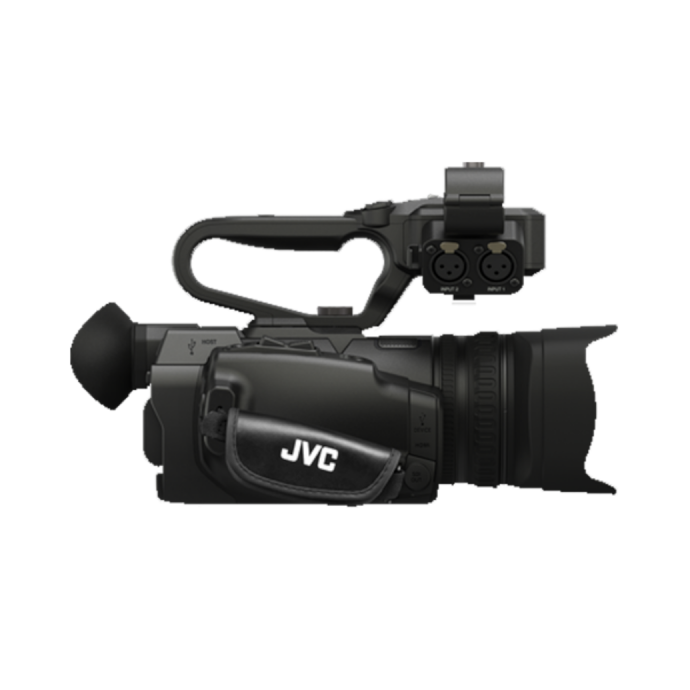
If your priority is speed and consistency rather than swapping lenses, a camcorder with an integrated zoom can be a highly practical interview tool. You can quickly dial in a more flattering framing without interrupting the subject. The JVC GY-HM250U is a strong example for documentary teams that want flexible framing built into one compact body.
That kind of setup is especially helpful for small crews conducting multiple interviews in a day, where efficiency matters just as much as optical theory.
What focal lengths work best for documentary b-roll?
B-roll usually benefits from variety. Wider views are useful for establishing scenes, showing locations, and placing subjects in context. Midrange focal lengths are versatile for following action, capturing natural interactions, and keeping perspective realistic. Longer focal lengths can isolate details, compress backgrounds, and help you work unobtrusively from a distance.
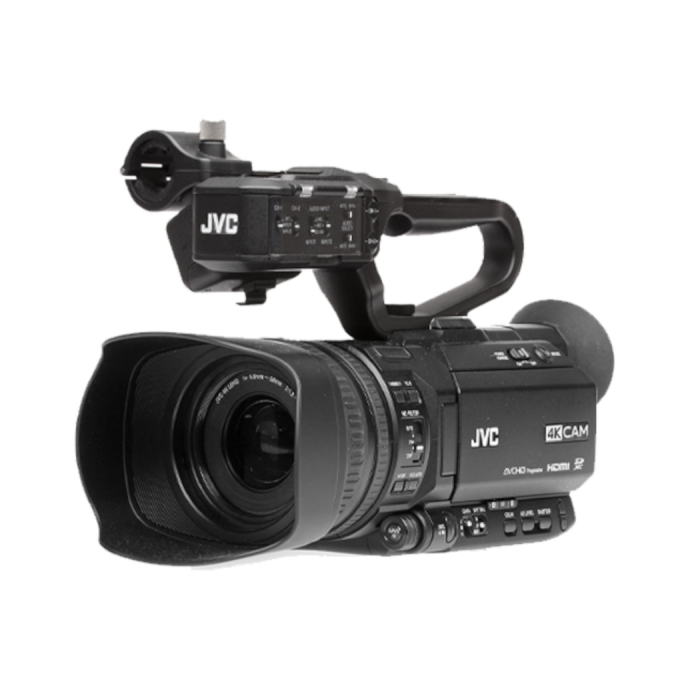
In real-world documentary production, that range is one reason zooms are so valuable. Instead of changing lenses every time the scene changes, you can move from a wide establishing shot to a tighter detail shot in seconds. For shooters covering events, community stories, sports features, or fast-paced field content, a built-in 12x lens like the one on the JVC GY-HM180U can simplify the entire process.
The practical takeaway is simple: for b-roll, versatility usually beats specialization unless you have time for highly controlled setups.
Are zoom lenses or primes more practical for run-and-gun documentary shooting?
For most run-and-gun documentary work, zooms are more practical. They let you respond immediately to unpredictable moments, maintain coverage while moving, and reduce downtime from lens changes. That matters when access is limited or when your subject only gives you one chance to capture the moment.
Primes still have clear strengths. They are often smaller, faster in terms of maximum aperture, and can offer a more distinctive rendering. They can be excellent for intentional interview setups or low-light scenes where you have more control. But in many documentary environments, flexibility is the bigger priority.
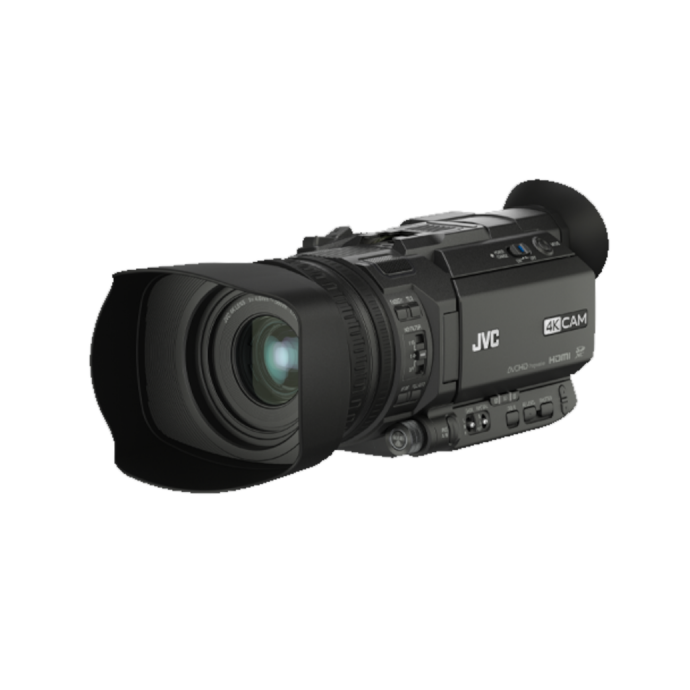
This is exactly why integrated-lens camcorders remain relevant. Models like the JVC GY-HM170U give solo operators a ready-to-shoot package with useful zoom range, familiar video ergonomics, and fewer operational compromises than a photo-camera rig that needs accessories to become documentary-friendly.
If your work involves constant movement, changing locations, and minimal crew support, zoom-based systems are usually the safer and more efficient choice.
When do primes make more sense for documentaries?
Primes make sense when visual style is a top priority and your shooting conditions allow more control. They are often chosen for interviews with shallow depth of field, stylized inserts, or documentaries that blur the line between observational work and cinematic portraiture. A prime-based kit can also be appealing if you already own photo lenses and want to build around familiar glass.
That said, the more unpredictable your schedule and subject matter become, the more primes can slow you down. Lens swaps can cost you moments, and fixed focal lengths may force compromises in tight spaces. Many filmmakers end up using a hybrid approach: a practical zoom solution for most of the day and select primes for interviews or planned beauty shots.
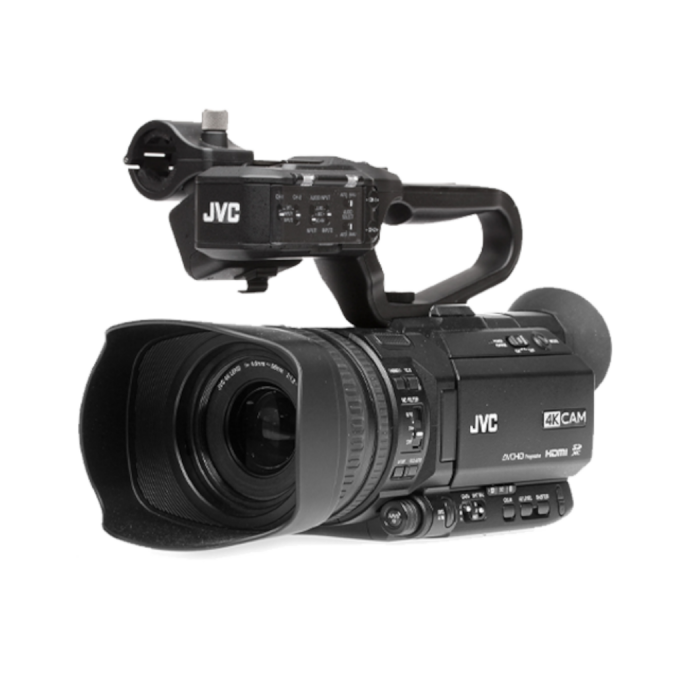
For crews that need to keep things streamlined, a dedicated handheld video camera like the JVC GY-HM250SP can reduce setup complexity and help operators stay focused on storytelling rather than accessory management.
Is it worth investing in cine lenses for documentary filmmaking?
Cine lenses can be worth the investment, but not for every documentary shooter. Their advantages are real: smoother and longer focus throw, consistent gear placement for follow-focus systems, de-clicked apertures, and housings designed for production use. Those features are especially valuable on larger crews, controlled sets, and projects where repeatability matters.
However, documentaries often demand mobility, discretion, and budget efficiency. In that context, adapted photo lenses or integrated-lens camcorders may deliver a better return on investment. Many documentary projects are won by being ready, fast, and reliable rather than by using fully cinema-oriented optics.
If you're still growing your kit, it often makes more sense to invest first in audio, support, lighting, media, and a dependable camera platform. A strong all-in-one camcorder can cover a surprising amount of professional documentary work before cine glass becomes necessary.
Can adapted photo lenses work well for documentary video?
Yes, adapted photo lenses can work very well, especially if you already own them. They can provide strong image quality and help keep costs down. For interviews and more controlled sequences, they are often more than capable. The tradeoff is that many still-photo lenses are not optimized for video operation. Focus rings may be short or less precise, zooms may not be parfocal, and some lenses can breathe noticeably during focus pulls.
That doesn't automatically make them a bad choice. It just means you should be realistic about the workflow. If your projects involve highly spontaneous shooting, the operational advantages of a purpose-built camcorder may outweigh the optical flexibility of adapted still lenses.
For many documentary teams, the decision comes down to whether they need a modular system or a ready-to-work solution. Products like the JVC GY-HM250U and GY-HM180U are appealing because their integrated lenses remove many of the common complications associated with adapters and mixed-lens kits.
Which lens approach offers the best balance of image quality and price?
The best balance usually comes from choosing a setup that matches your actual shooting style rather than chasing the most specialized gear. For a lot of documentary filmmakers, that means a practical zoom-centered workflow. You get broad focal-length coverage, fewer interruptions, and dependable usability without building a large lens package.
From a value perspective, integrated-lens professional camcorders deserve serious consideration. They combine camera and lens into one cohesive tool, which can save money compared with assembling a body, multiple lenses, adapters, cages, batteries, and other video accessories. They also tend to be easier to operate for extended handheld sessions.
If affordability and efficiency are top concerns, the JVC GY-HM170U and JVC GY-HM180U are worth a look. If you want a compact solution with strong all-around documentary potential, the JVC GY-HM250U line is especially compelling.
Should solo documentary shooters consider integrated-lens camcorders instead of building a lens kit?
Absolutely. Solo shooters often benefit the most from integrated-lens camcorders because they reduce decisions and keep the rig manageable. You don't need to carry multiple lenses, worry about sensor dust during swaps, or stop production to reconfigure the camera. That can be a major advantage when you're also handling audio, exposure, movement, and subject interaction by yourself.
An integrated-lens model also gives you a predictable shooting experience across focal lengths. That's useful when you're moving quickly between interviews, environmental shots, and live action. The JVC GY-HM180U and JVC GY-HM250U are particularly well suited to this kind of documentary workflow, offering broad lens coverage in compact handheld bodies.
For many one-person crews, simplicity is not a compromise. It's a competitive advantage.
What is the smartest starter lens strategy for new documentary filmmakers?
If you're just starting out, prioritize versatility. A single do-it-all zoom or an integrated-lens camcorder is usually a better first investment than a bag of specialty primes. Learn what focal lengths you actually use during interviews, field coverage, and b-roll before spending more on niche lenses.
As your style develops, you'll see where your gear is holding you back. Maybe you need a faster lens for low-light interviews. Maybe you need a more cinema-oriented focus experience. Or maybe you'll discover that a compact camcorder already covers nearly everything you need for client work and personal projects alike.
The best documentary lens strategy is the one that keeps you shooting, learning, and finishing projects. At Unique Photo, we can help you compare practical video tools like the JVC GY-HM170U, GY-HM180U, GY-HM250U, and GY-HM250SP so you can build a setup that matches your real-world production needs.
Whether you're refining your interview kit or looking for a faster run-and-gun solution, Unique Photo is here to help you choose the right documentary filmmaking gear with confidence. Explore our professional video selection to find a camera system that keeps you ready for the next story.