If you shoot with a compact hybrid camera, choosing the right stabilizer can make handheld video look dramatically smoother without turning your setup into something bulky and exhausting. For creators using lightweight mirrorless bodies, the best gimbal is usually one that balances payload, portability, battery life, ergonomics, and expandability. At Unique Photo, many filmmakers shopping for a gimbal for lightweight mirrorless camera setups are looking for exactly that sweet spot: strong stabilization without overbuilding their rig.
Whether you shoot weddings, travel films, real estate video, YouTube content, commercial B-roll, or vertical social clips, this guide covers what to look for and which options make the most sense for smaller mirrorless cameras and compact lens combinations.
What Is the Best Gimbal for a Lightweight Mirrorless Camera?
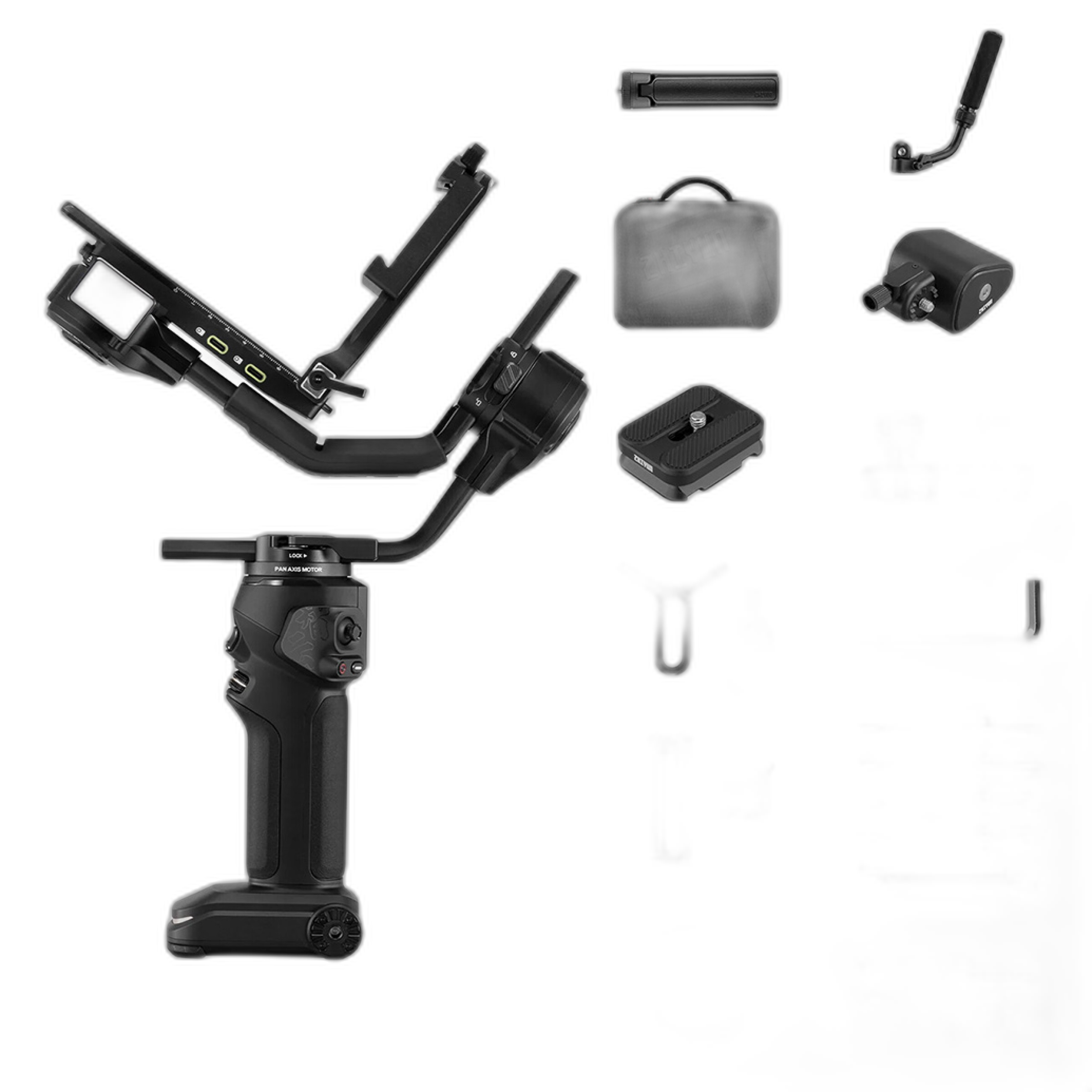
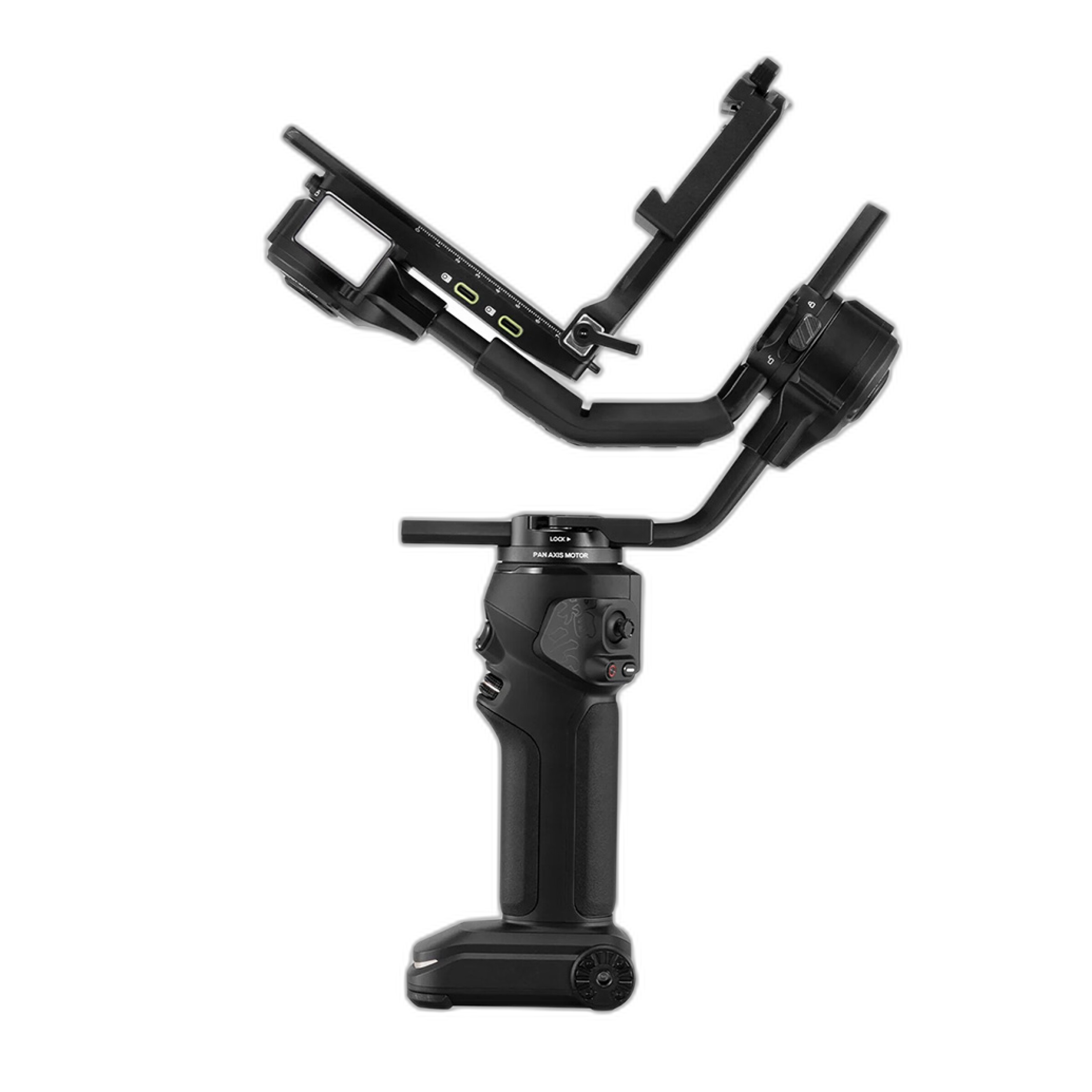
The best gimbal for a lightweight mirrorless camera depends on how you shoot. If you want a versatile handheld solution with room to grow, a model like the Zhiyun CRANE 4 3-Axis Handheld Gimbal Stabilizer Combo Kit is a strong fit for creators who need smooth motion, pro-level control, and flexibility for different shooting styles. If you want an ecosystem that supports long shooting days and future upgrades, stepping into a DJI option such as the DJI RS 5 Combo or even the more advanced DJI RS 4 Pro Combo can make sense, especially if you may occasionally move beyond lightweight bodies.
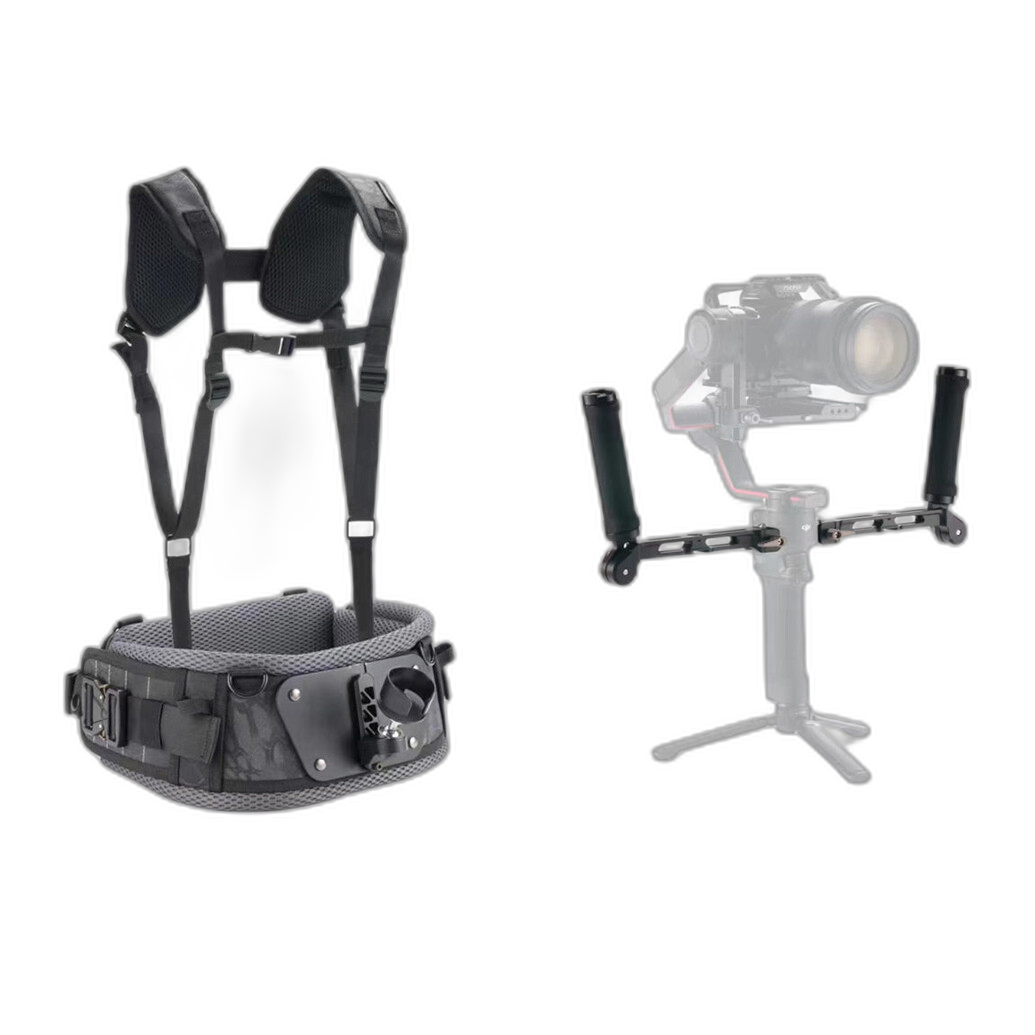
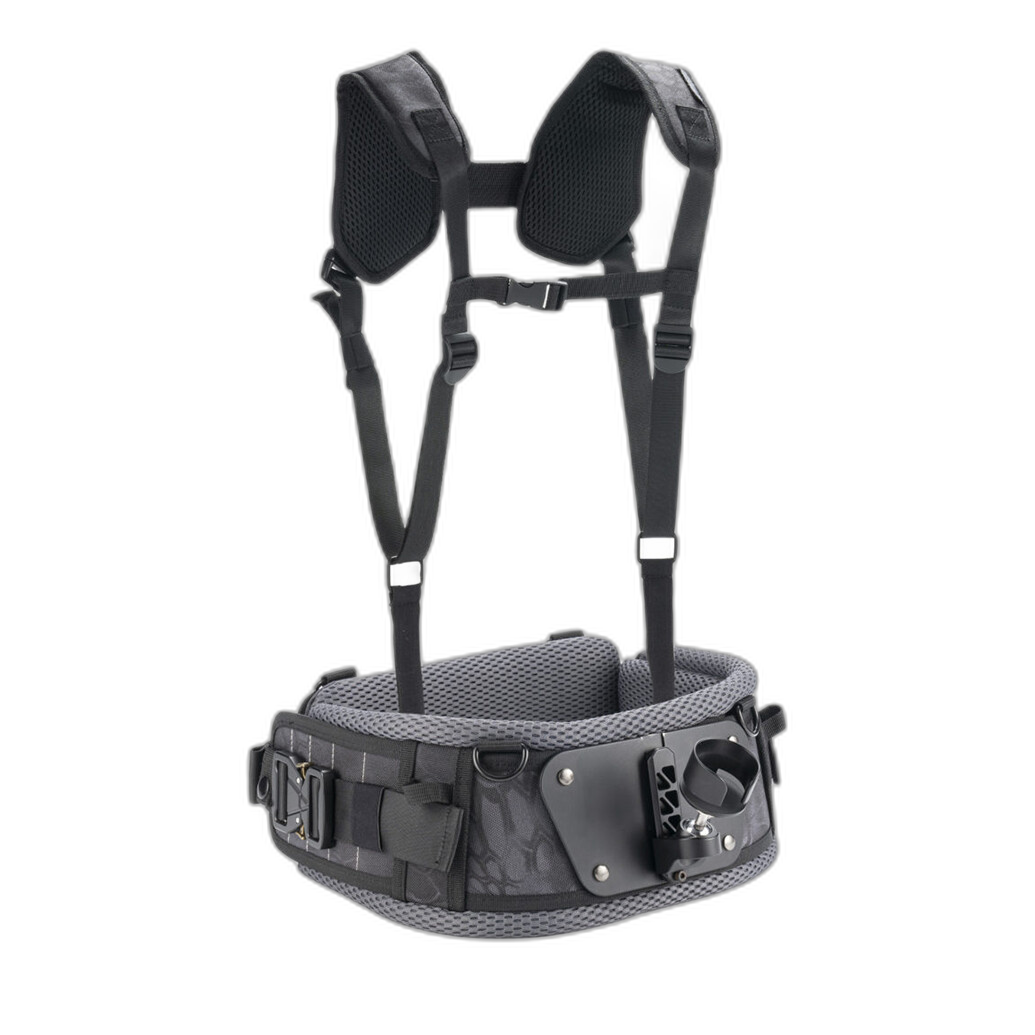
For many shooters, though, the smartest recommendation is not just the gimbal itself but the complete support strategy around it. Unique Photo also carries accessories that help lightweight mirrorless filmmakers shoot longer and more comfortably, including the Tilta Lightweight Dual Handle Gimbal Support System and Tilta Lightweight Gimbal Support Vest.
How to Choose a Gimbal for Lightweight Mirrorless Setups
When shopping for the best gimbal for mirrorless cameras, there are a few criteria that matter most:
- Payload headroom: Even if your current setup is light, extra overhead helps motors perform better and leaves room for a cage, microphone, monitor, or slightly heavier lens.
- Physical size and packability: Travel shooters and event filmmakers often prefer a compact folding or easy-to-pack design.
- Ease of balancing: Fast setup matters if you swap lenses or move between tripod, handheld, and gimbal use.
- Battery life: Longer runtime is especially important for weddings, documentary work, and run-and-gun production.
- Control features: Subject tracking support, shooting modes, axis locks, and quick switching between horizontal and vertical modes can all improve workflow.
- Comfort: A lightweight camera can still feel heavy after hours of operation, so grips, vests, and support handles matter more than many buyers expect.
At Unique Photo, this is often where customers realize that buying a gimbal is only part of the equation. The right support accessories can make an average setup feel production-ready.
Best Handheld Gimbal Option for Smaller Mirrorless Video Kits
The Zhiyun CRANE 4 3-Axis Handheld Gimbal Stabilizer Combo Kit is an appealing recommendation for creators using lightweight mirrorless bodies because it offers a serious handheld stabilization platform while remaining practical for solo shooters. It is especially attractive for filmmakers who want more than entry-level performance but do not necessarily need the largest cinema-oriented rig.
This type of gimbal works well for:
- Compact full-frame mirrorless cameras
- APS-C mirrorless bodies
- Travel and documentary kits
- Content creators moving between studio and location work
- Wedding and event filmmakers who need smooth walking shots
If your setup includes a lightweight zoom or compact prime lens, this class of stabilizer often delivers the best balance between performance and portability. For many Unique Photo customers, it lands in the ideal middle ground: not too small to feel limiting, but not unnecessarily oversized for a lighter build.
Should You Buy a DJI Gimbal for a Lightweight Mirrorless Setup?
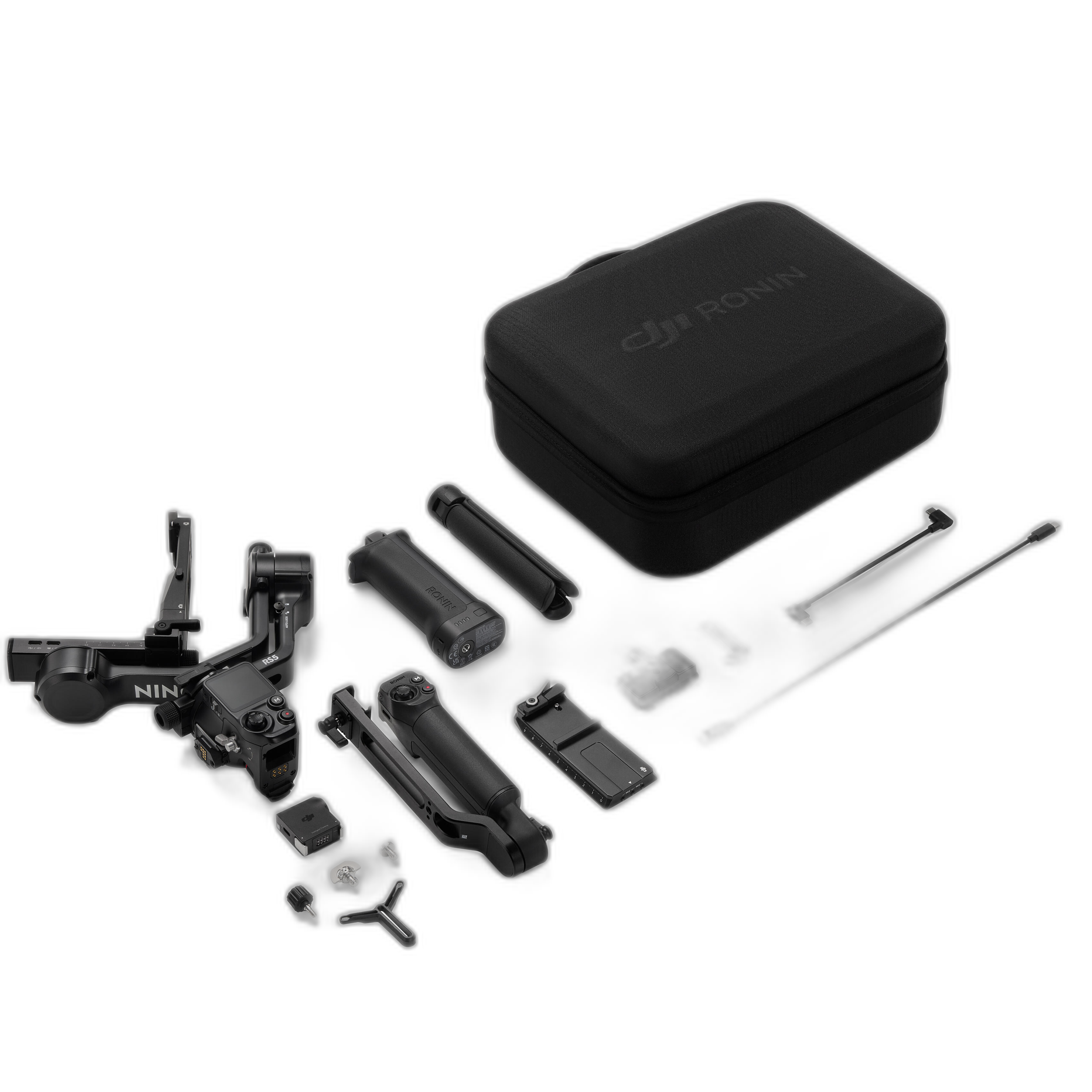
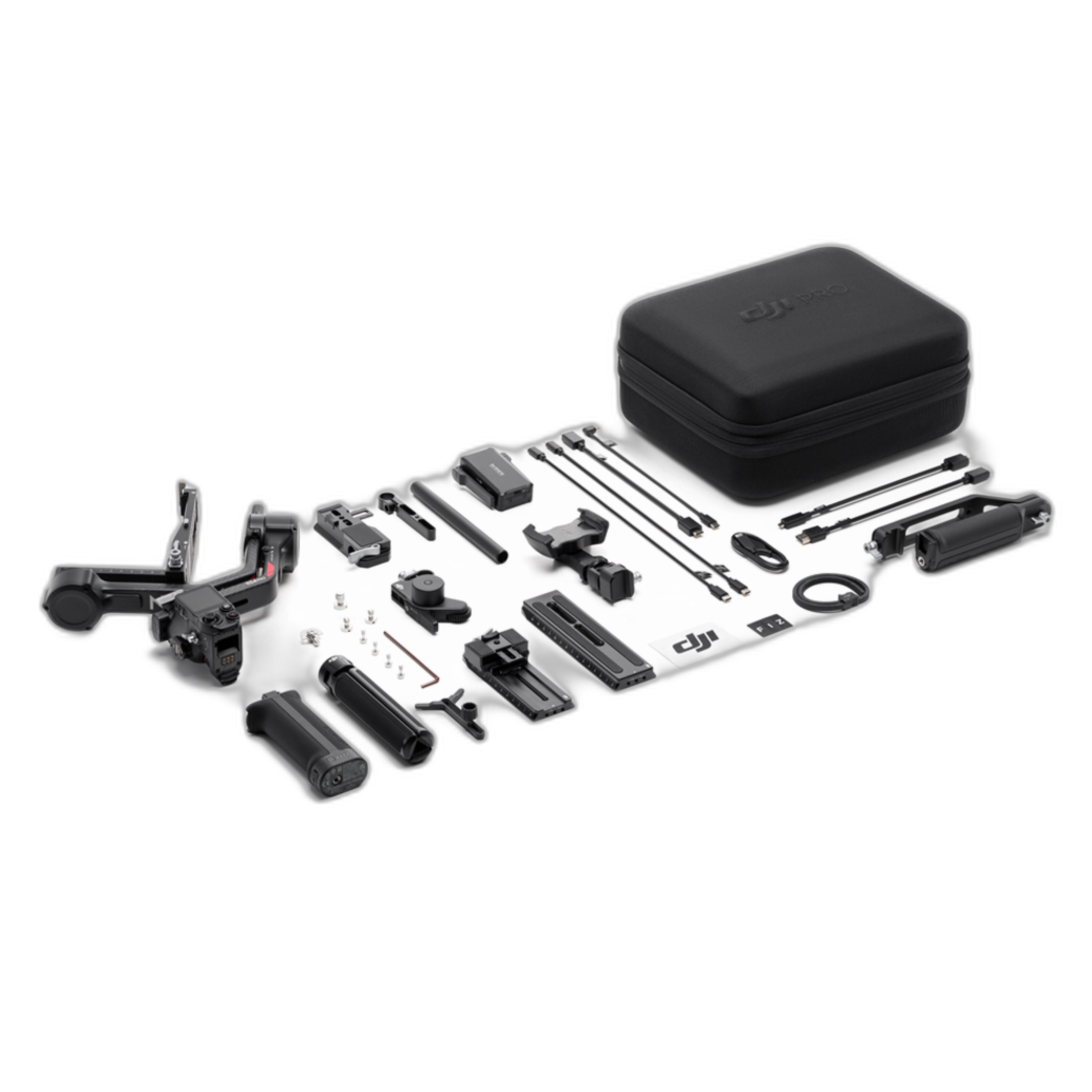
If you are searching for a DJI gimbal for mirrorless camera video, two standout options from Unique Photo are the DJI RS 5 Combo and DJI RS 4 Pro Combo. For lightweight mirrorless users, these may offer more capacity than you strictly need today, but that can be a real advantage.
The DJI RS 5 Combo is a particularly compelling recommendation if you want a modern gimbal platform that can handle a lighter camera with ease while still giving you room for accessories, heavier lenses, or a future camera-body upgrade. Extra motor strength and a more robust ecosystem can help stabilize your setup confidently, especially when you are shooting dynamic moves, extended takes, or more demanding commercial projects.
The DJI RS 4 Pro Combo makes sense for creators who know they may eventually build toward more advanced production workflows. While it may be more than some lightweight setups require, its pro-oriented design can be ideal for operators who want to avoid outgrowing their gimbal too quickly.
Choose a DJI option if you want:
- A broader professional ecosystem
- Growth potential for future camera upgrades
- A stabilizer that can handle accessories confidently
- A gimbal suitable for both lightweight and moderately expanded rigs
Why Ergonomics Matter More Than Specs for Lightweight Gimbal Use
One of the most common mistakes buyers make is focusing only on payload ratings. In real-world use, even a lightweight mirrorless setup can become tiring during long shoots. That is why ergonomic accessories deserve serious attention.
The Tilta Lightweight Dual Handle Gimbal Support System is a smart addition for operators who want better two-handed control. It can help with:
- Reducing arm fatigue during extended shooting
- Creating smoother movement for low-angle or walking shots
- Improving control when using external monitors or accessories
- Making heavier-feeling gimbal sessions more manageable
For event, documentary, and commercial shooters, this kind of support system can significantly improve comfort and shot consistency.
Best Gimbal Support Vest for Long Shooting Days
If you regularly spend hours filming with a stabilized setup, a support vest can be one of the best upgrades you make. The Tilta Lightweight Gimbal Support Vest is designed to help transfer load away from your arms, making it easier to operate for longer periods with less strain.
This can be especially useful for:
- Wedding filmmakers covering full-day events
- Real estate videographers shooting multiple properties back-to-back
- Commercial shooters capturing repeated takes
- Creators working with a gimbal, monitor, microphone, or focus accessories
Even if your camera body itself is light, total operating fatigue adds up quickly. Unique Photo shoppers often find that a support vest helps extend how long they can shoot smoothly and comfortably.
Are Shoulder Rigs Better Than Gimbals for Some Lightweight Mirrorless Shooters?
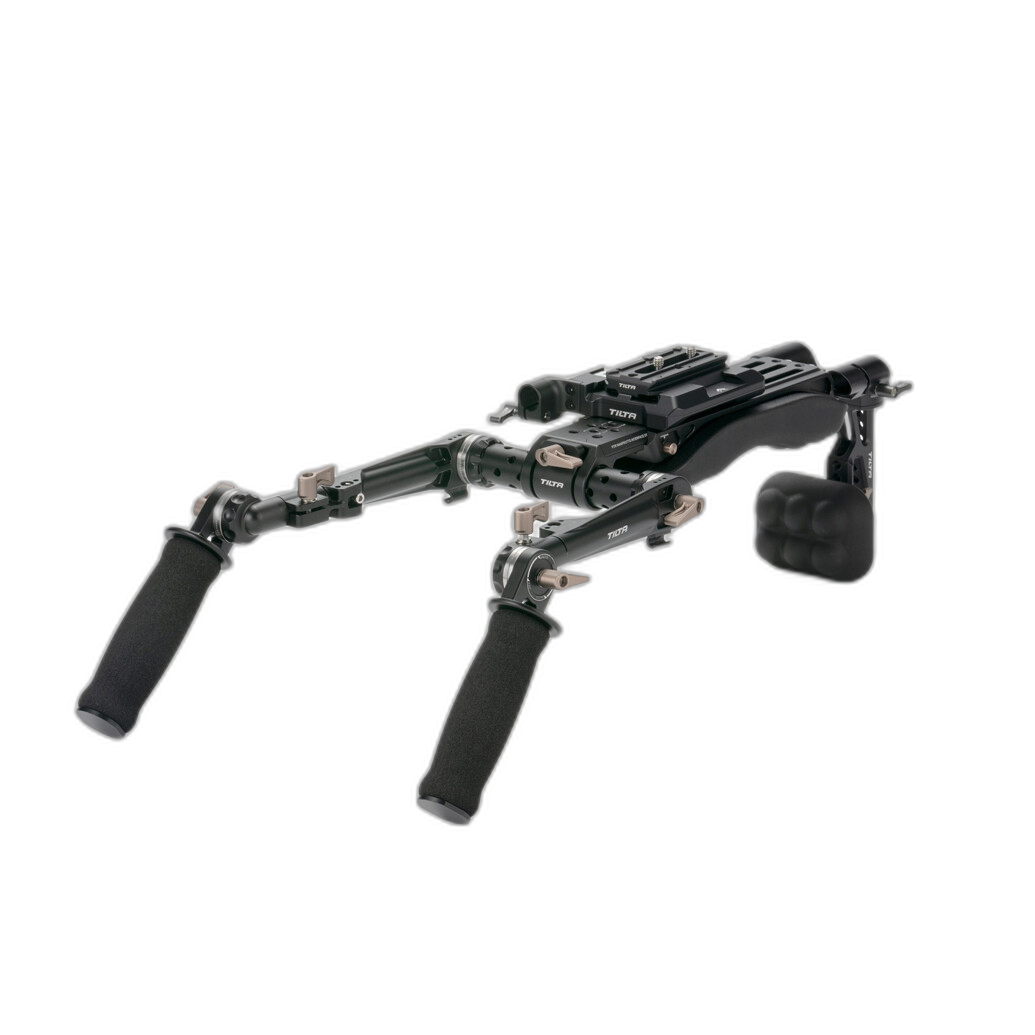
Not every stabilized video shot requires a motorized gimbal. In some cases, a shoulder rig can be the better choice for speed, simplicity, and a more natural handheld look. The Tilta Lightweight Shoulder Rig - Black is worth considering if your style leans more cinematic handheld than floating gimbal movement.
A shoulder rig may be better when you want:
- Fast setup with minimal balancing
- A controlled handheld aesthetic
- Better support for interviews or documentary coverage
- A less electronic, more tactile shooting experience
For budget-conscious creators, the Used Tilta Lightweight Shoulder Rig - Black - Excellent Condition can also be a practical value option through Unique Photo. While it is not a gimbal, it belongs in the conversation because many lightweight mirrorless shooters benefit from having both a stabilization tool and a shoulder-based option in their kit.
What Size Mirrorless Setup Works Best on a Lightweight Gimbal?
Generally, lightweight gimbal use is ideal for mirrorless setups such as:
- Compact full-frame bodies with 24mm, 35mm, 50mm, or small zoom lenses
- APS-C cameras with lightweight standard zooms or primes
- Vlogging and creator cameras with small microphones
- Minimalist hybrid video kits without oversized matte boxes or batteries
If your setup includes a cage, monitor, wireless audio receiver, or larger zoom lens, you may still be in lightweight territory, but you will benefit from choosing a gimbal with extra payload headroom. That is one reason more capable models from Zhiyun and DJI are often smart buys, even for smaller cameras.
How to Get Better Results From a Gimbal With a Lightweight Mirrorless Camera
Even the best mirrorless camera gimbal will not automatically produce cinematic footage. To get the most out of your setup:
- Balance precisely: Proper balance improves motor efficiency and battery life.
- Keep accessories consistent: Changing microphones, filters, or lenses may require rebalancing.
- Use wider focal lengths: Wider lenses tend to look smoother on a gimbal and are easier to operate.
- Walk heel-to-toe: Operator technique still matters for polished movement.
- Add support accessories: Dual handles or support vests can greatly improve control.
- Do not overload your setup unnecessarily: A lightweight rig is often easier to balance and operate effectively.
When to Consider Advanced Rigging Beyond a Handheld Gimbal
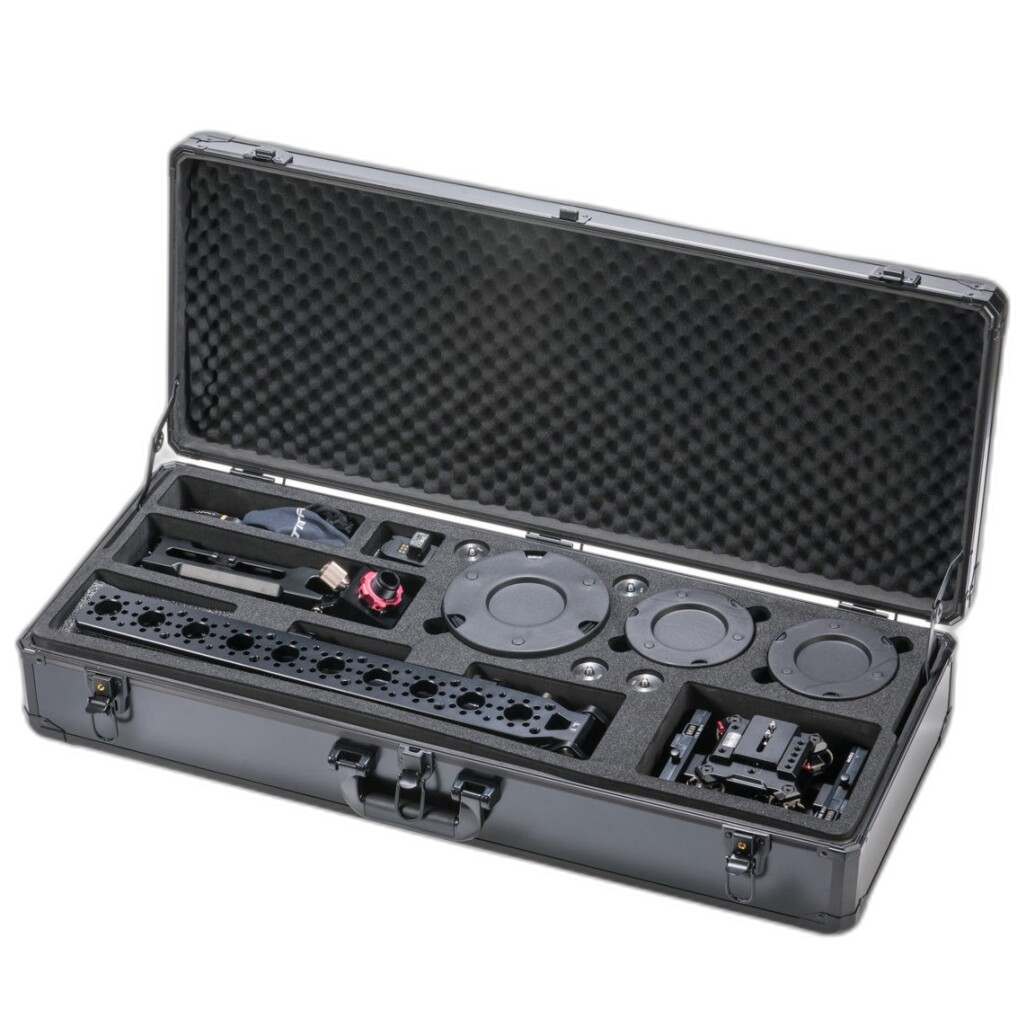
Most lightweight mirrorless users will not need specialty mounting systems, but some productions evolve quickly. If your work includes vehicle shots or more specialized motion capture, systems like the Tilta Hydra Alien Car Mounting System - V-Mount show how far a stabilization workflow can grow beyond handheld use. It is not a standard recommendation for everyday lightweight mirrorless shooters, but it illustrates the broader support ecosystem available through Unique Photo for filmmakers building toward more advanced productions.
Final Gimbal Recommendations for Lightweight Mirrorless Setups
If you want a practical answer to which gimbal is best for lightweight mirrorless setups, here is the short version:
- Best all-around handheld option: Zhiyun CRANE 4 3-Axis Handheld Gimbal Stabilizer Combo Kit
- Best upgrade-friendly option: DJI RS 5 Combo
- Best for future-proofing and expanded rigs: DJI RS 4 Pro Combo
- Best ergonomic add-on: Tilta Lightweight Dual Handle Gimbal Support System
- Best fatigue-reducing accessory: Tilta Lightweight Gimbal Support Vest
- Best non-gimbal alternative for some shooters: Tilta Lightweight Shoulder Rig - Black
For many creators, the ideal purchase is not just one gimbal, but a workflow: a capable stabilizer, a support accessory for long shoots, and a shoulder-based option for scenes where handheld character matters more than floating motion. Unique Photo is a strong place to compare those choices and build a setup that matches your camera, lens kit, and shooting style.
For internal linking, consider directing readers to related Unique Photo category pages and guides such as gimbals and stabilizers, video camera accessories, used camera accessories, and educational content on choosing the right lens for video, building a mirrorless filmmaking rig, and essential accessories for wedding or travel videography.