If you’re building a video kit on your own, audio should be one of the first upgrades you make. Viewers will forgive imperfect lighting or handheld camera movement far faster than they’ll forgive distracting, hollow, or inconsistent sound. For solo videographers, the right audio setup can improve interviews, vlogs, client work, tutorials, documentary shooting, and social content immediately.
At Unique Photo, one of the most common questions creators ask is simple: what audio gear should I get first? The answer depends on how you shoot, but most solo videographers should start with gear that solves the biggest everyday problems: poor on-camera audio, distance from the subject, lack of monitoring, and limited flexibility when recording alone.
Below, we’ll break down the best first audio upgrades for solo video creators, what matters most when choosing gear, and which tools make the most sense for different production styles.
Why good audio matters more than solo videographers expect
Many new creators invest in a camera body first, then lenses, then lights, and only later think about microphones. In practice, audio often has a bigger effect on perceived production quality. Clean dialogue makes your content easier to watch, more professional, and more trustworthy.
For solo shooters, there’s also a workflow advantage. Good audio reduces the time you spend fixing noise, boosting levels, syncing external recordings, and editing around bad takes. That means a smarter first audio purchase can improve both quality and efficiency.
If you’re shopping at Unique Photo for your first setup, think about audio gear as a foundation piece rather than an accessory.
What audio gear should solo videographers buy first?
For most solo videographers, the best first purchase is one of these:
- A wireless clip-on microphone system for talking-to-camera, interviews, and run-and-gun work
- A compact on-camera or mobile mic kit for vlogging and travel shooting
- A shotgun microphone setup for directional recording when you can keep the mic close
- An audio adapter or mixer when you need more control over multiple sources
The right starting point depends on whether you shoot with a camera, smartphone, or both. It also depends on whether you record yourself, clients, or two-person conversations.
Best first audio upgrade for solo videographers: wireless microphones
If you record yourself frequently, a wireless mic system is usually the most practical first purchase. It solves one of the biggest problems in solo video production: the camera is often too far away for good built-in audio.
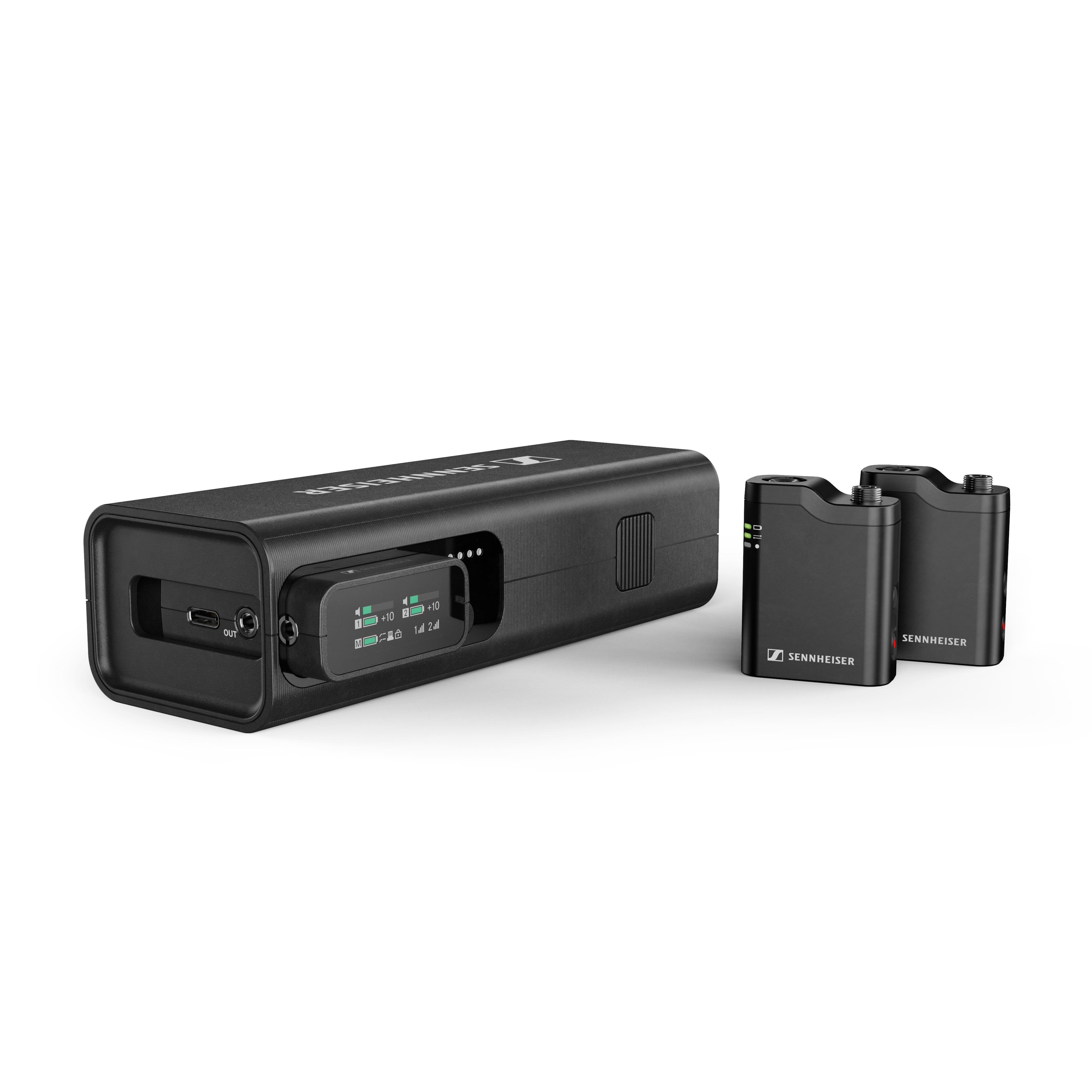
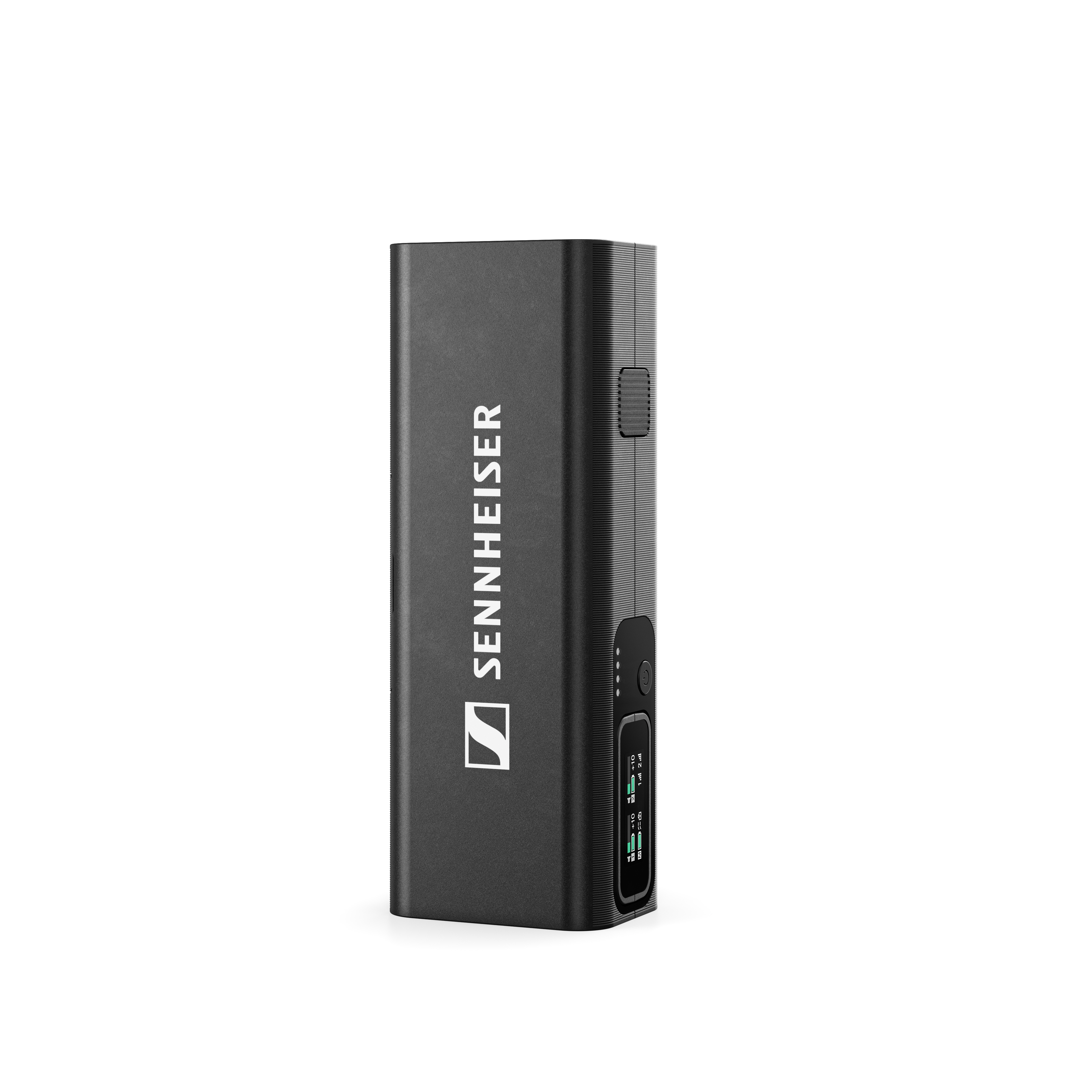
A strong option available from Unique Photo is the Sennheiser Profile 2-Person Clip-On Wireless Audio System. For solo videographers, this type of system is especially useful because it gives you flexibility. You can mic yourself cleanly while filming alone, then expand into two-person interviews or collaborative shoots without buying another complete setup.
Wireless clip-on systems are ideal for:
- YouTube talking-head videos
- Wedding and event content
- Real estate walkthroughs
- Documentary-style shooting
- Corporate interviews
- Social media videos where mobility matters
When you’re working solo, reducing setup complexity matters. A compact wireless system helps you move fast while maintaining more consistent voice quality than your camera’s internal mic can deliver.
Are shotgun microphones a good first choice for solo video creators?
Shotgun microphones can be an excellent first audio investment, but only if you understand their strengths. A shotgun mic is designed to capture sound directionally, which helps reduce ambient noise from the sides and rear. That makes it useful for interviews, narrative work, and controlled environments.
However, the key phrase is when the mic is close enough. Even a very good shotgun microphone will sound weak if it’s mounted too far from your mouth. For solo videographers filming themselves from a distance, wireless systems are often easier to work with.
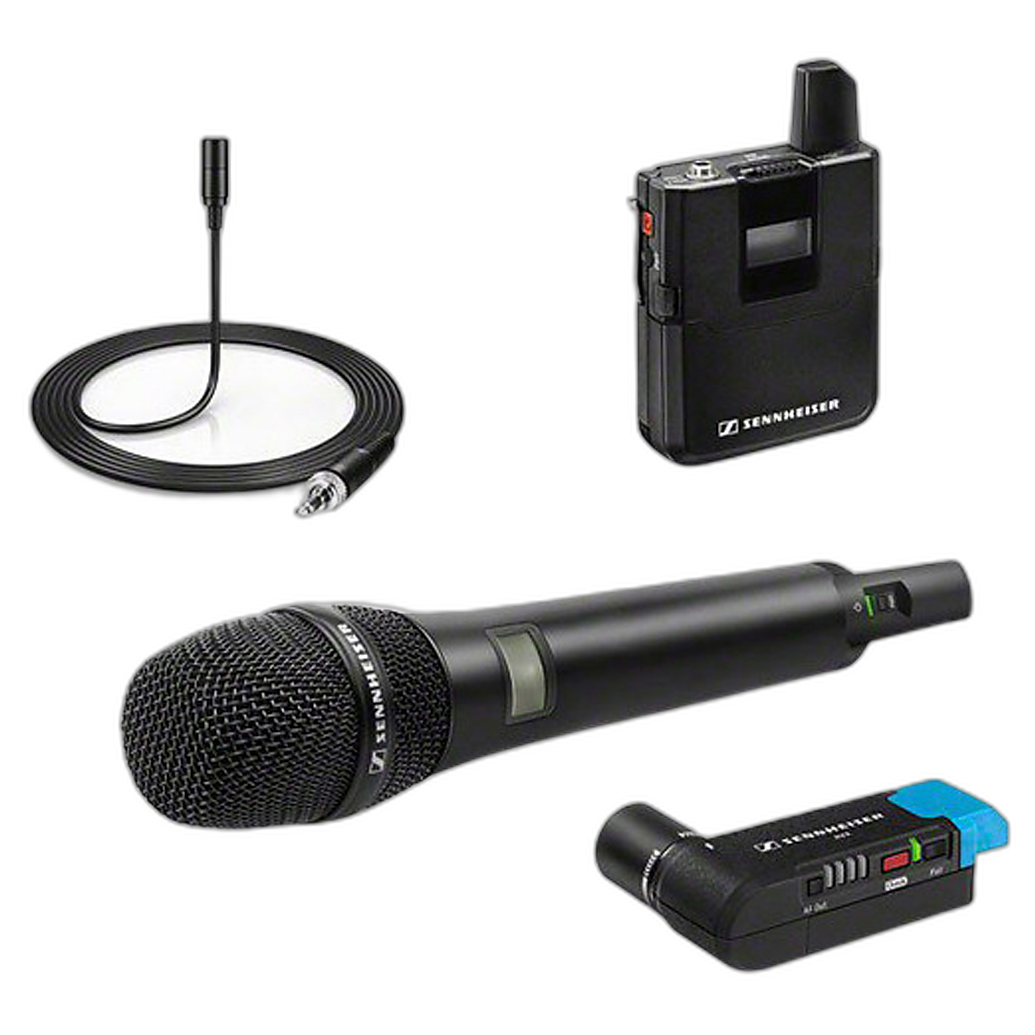
If your style includes more camera-mounted documentary work or controlled indoor production, a shotgun setup can still make sense. Budget-conscious creators may also want to consider used gear, such as the Used Sennheiser Shotgun Microphone System - Good available at Unique Photo, especially if they want a more affordable entry point into directional audio.
Best audio gear for smartphone videographers working alone
If you shoot primarily on a phone, your first audio purchase should be simple, portable, and optimized for mobile production. That usually means an all-in-one vlogging kit or a compact mobile microphone system.
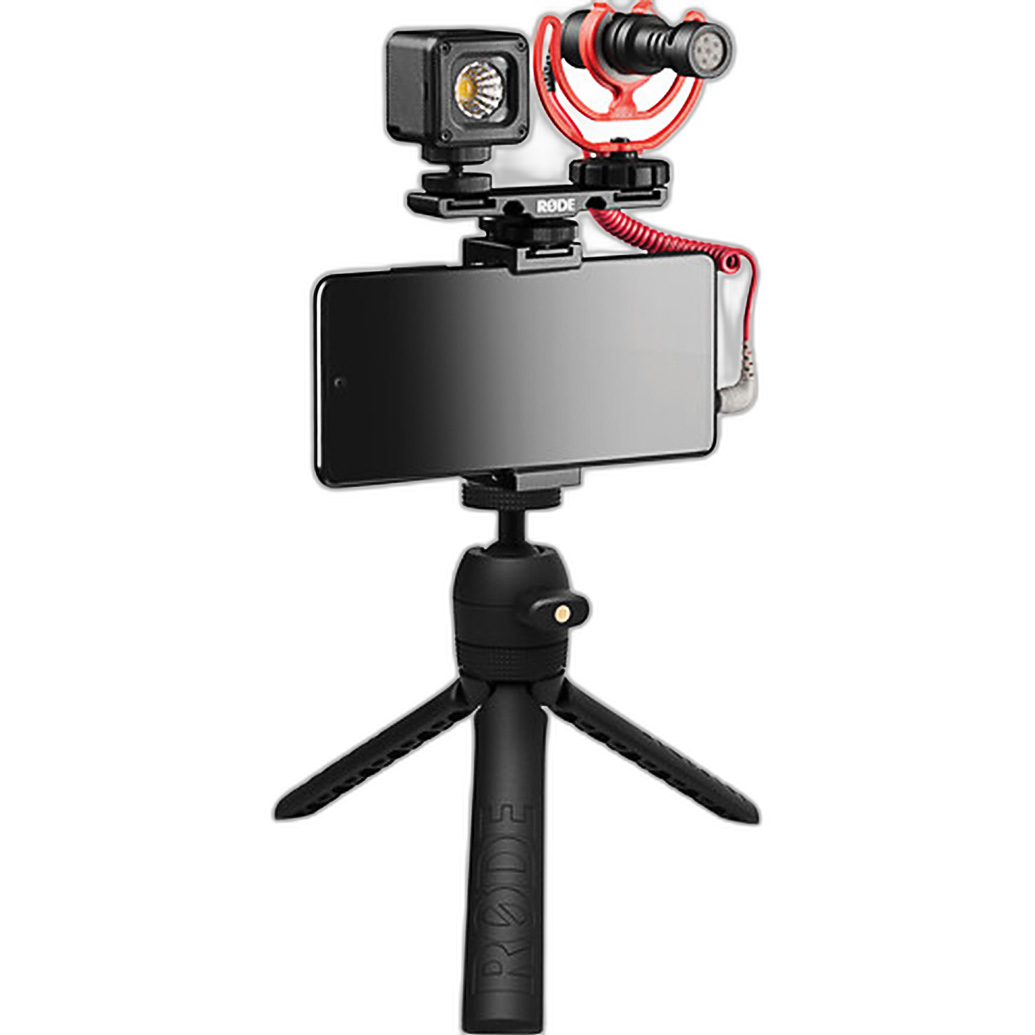
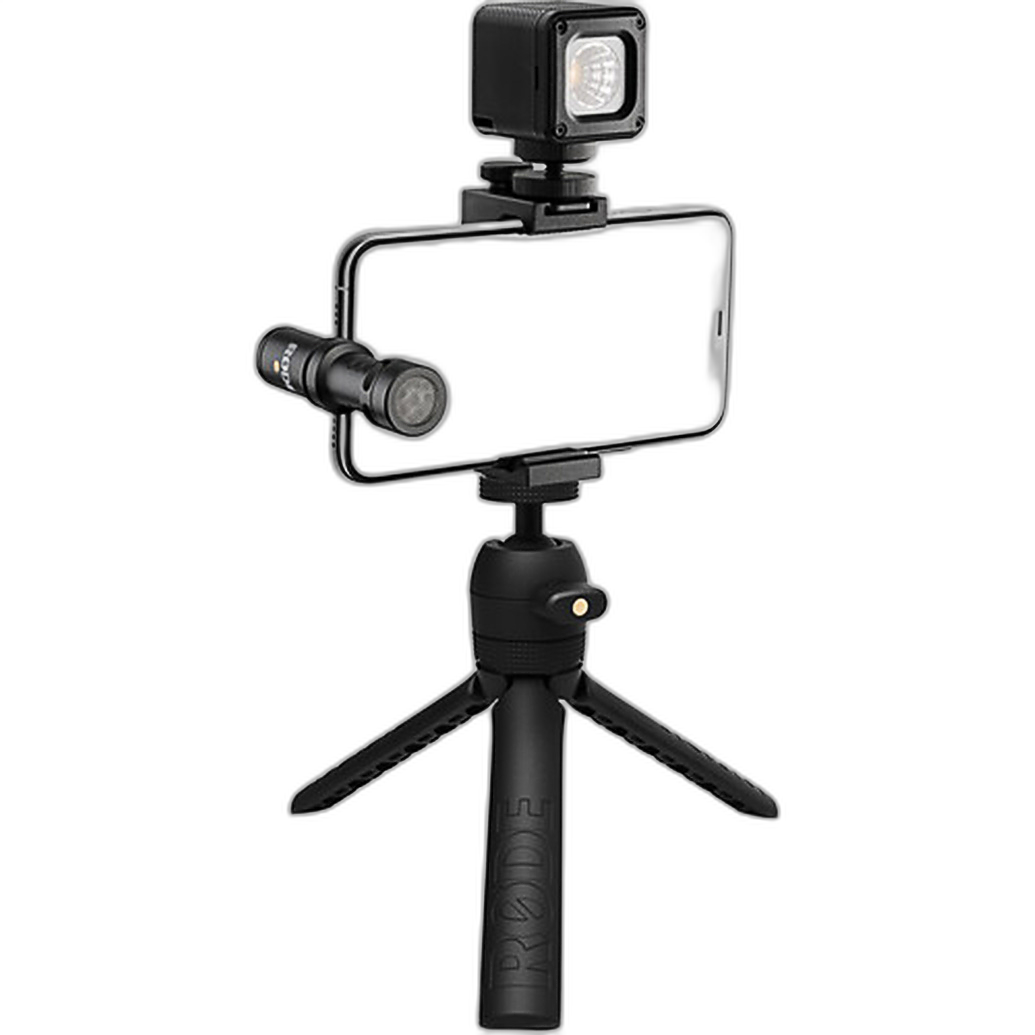
Unique Photo offers several practical mobile-first options. The Rode Vlogger Kit Universal Filmmaking Kit for Smartphones with 3.5mm Ports is a strong starter package for creators using compatible devices, while the Rode Vlogger Kit iOS Edition Filmmaking Kit for Lightning Port is tailored to iPhone users with Lightning connectivity.
These kits make sense for solo creators because they streamline setup. Instead of piecing together a mic, mount, and accessories separately, you get a system designed for fast deployment. That’s helpful for creators shooting travel videos, reels, product demos, behind-the-scenes content, or fast social media pieces.
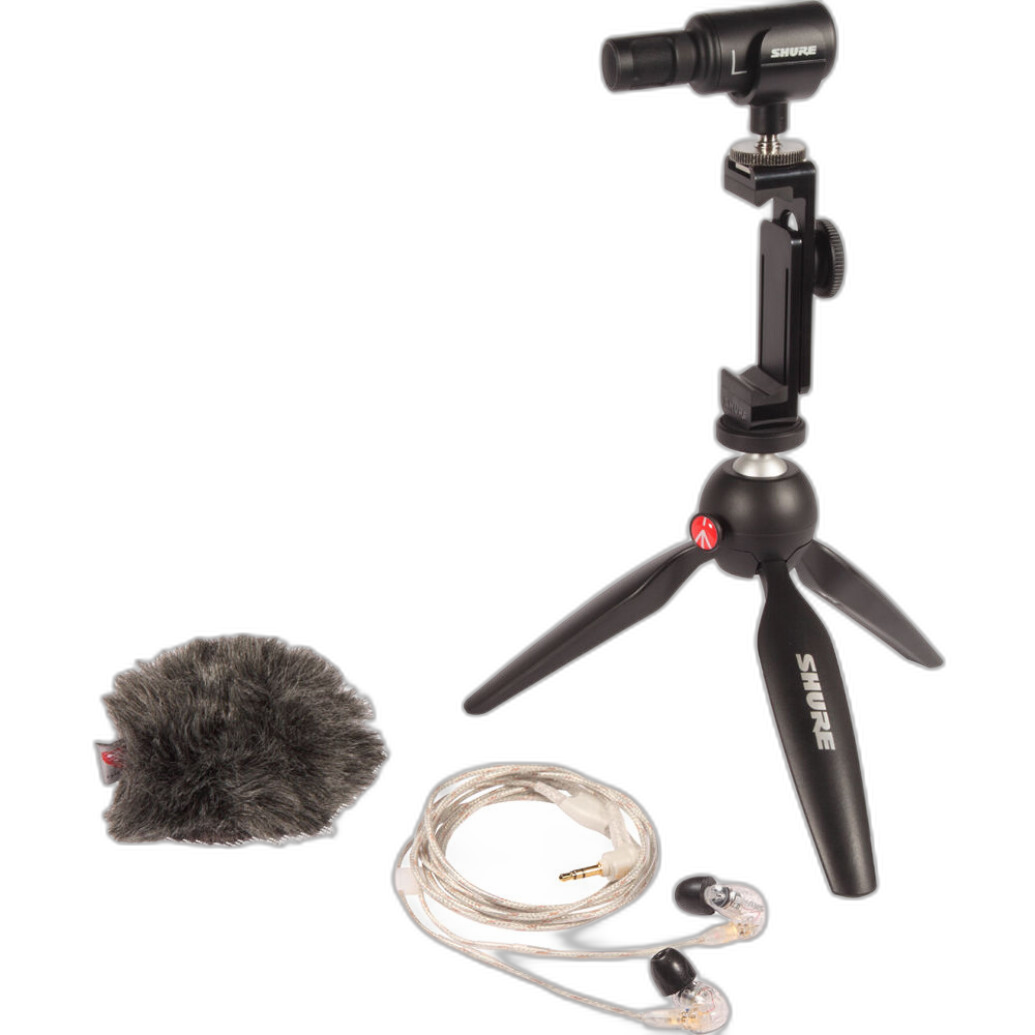
Another excellent mobile-oriented option is the Shure MV88+ SE215-CL Portable Videography Bundle, which is especially appealing for creators who want a more polished portable audio workflow and monitoring support.
Do solo videographers need an audio mixer or adapter first?
Not always. If you’re just starting, a single-mic setup is usually enough. But once you begin recording interviews, handling multiple audio sources, or feeding audio directly into a camera, an adapter or mixer becomes much more valuable.
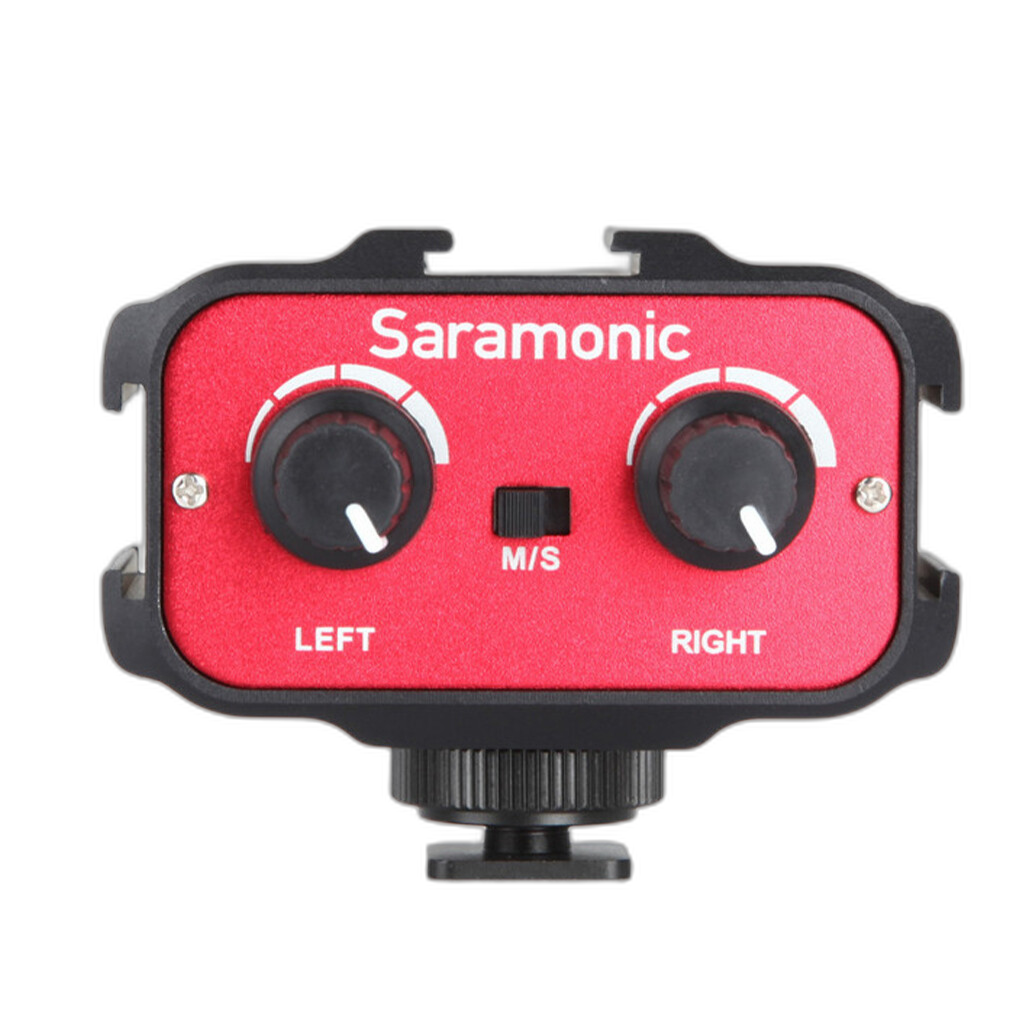
The Saramonic SR-AX100 2-Channel Passive Audio Adapter is a useful example of a simple tool that expands your setup without overcomplicating it. For solo videographers, this kind of adapter can be a smart upgrade when you want to connect and manage more than one source on-camera.
Use an adapter or compact mixer when you need to:
- Record two microphones into a single camera setup
- Improve gain control and audio routing
- Reduce dependency on in-camera audio limitations
- Create a more organized field workflow
At Unique Photo, these kinds of audio accessories are often best for creators who already know their content format and are ready to build a more dependable recording chain.
When should solo creators upgrade to a full audio production system?
If your work is expanding into podcasts, multi-source livestreaming, advanced interview production, or hybrid video and audio content, a more complete audio production system can be worth it. This is usually not the first purchase for most solo videographers, but it can become the right move once your needs outgrow a basic mic setup.
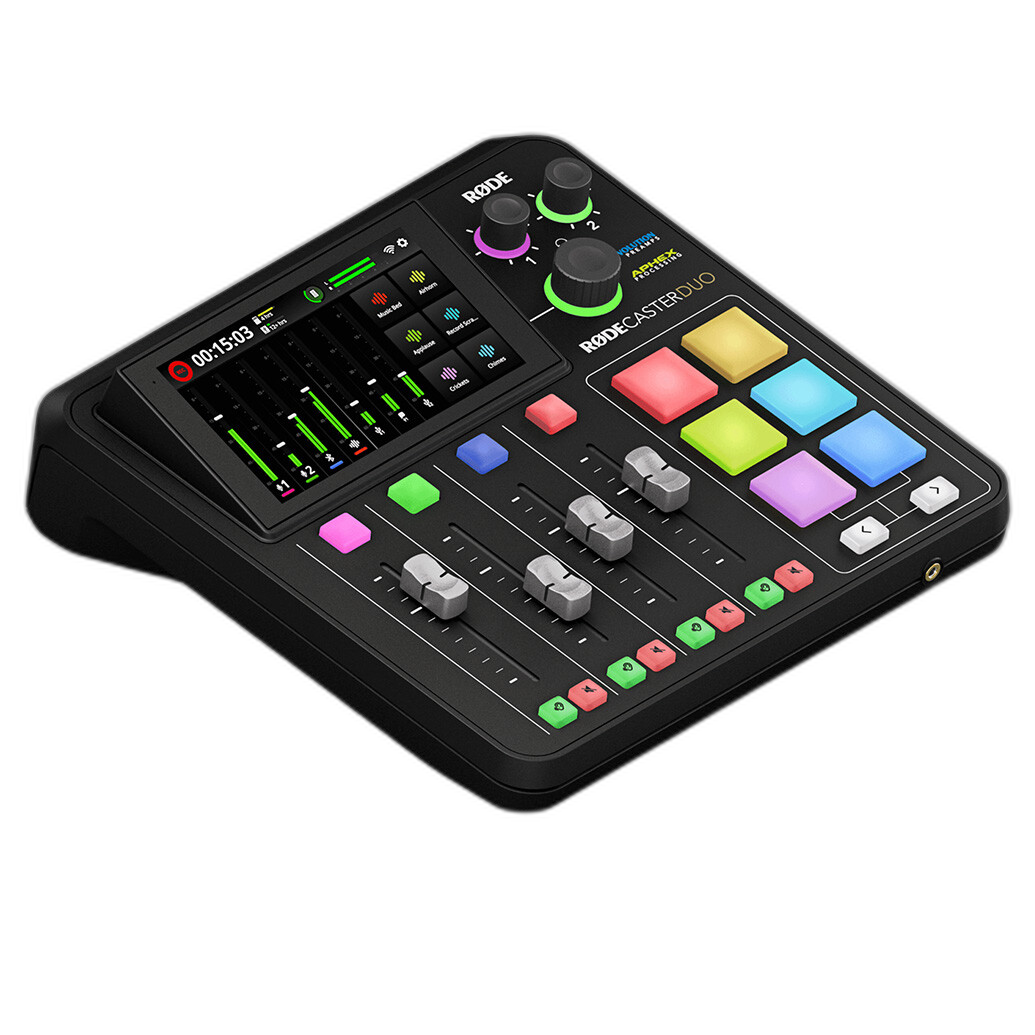
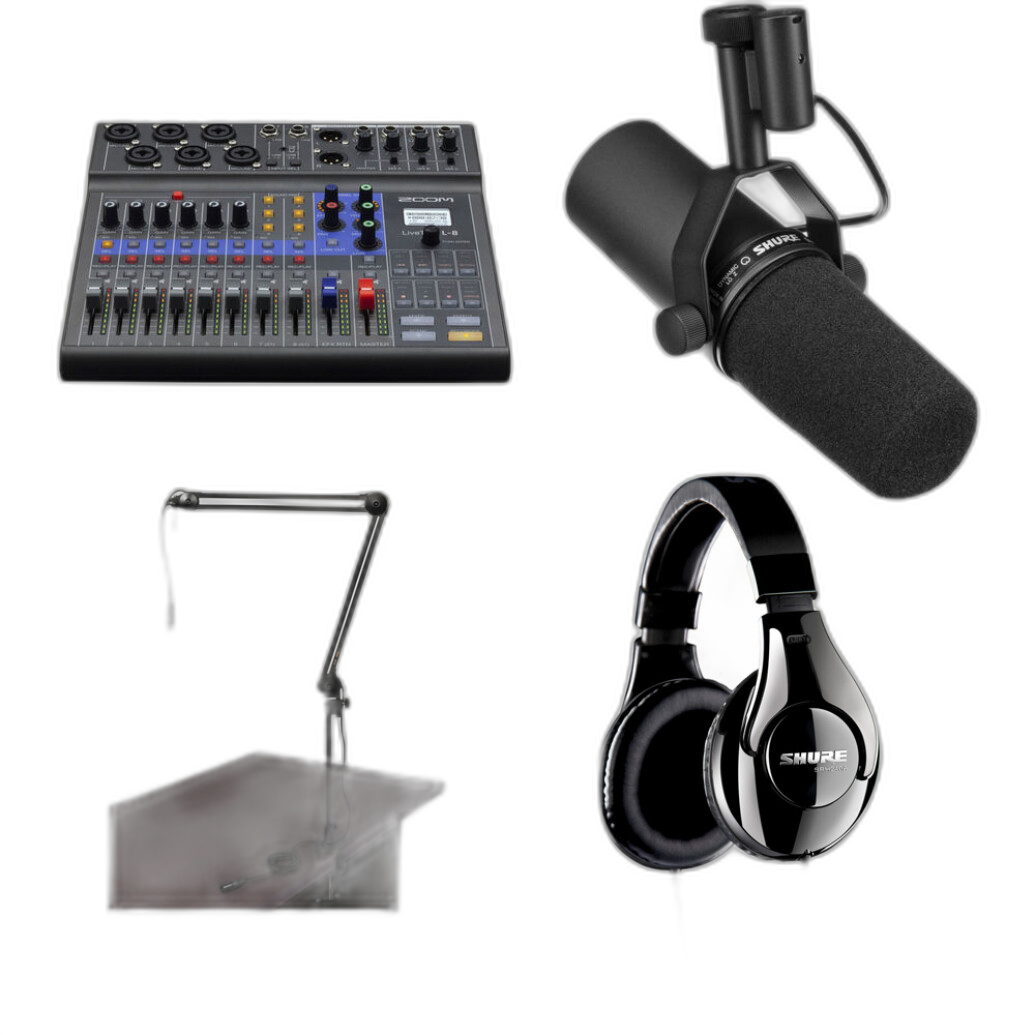
For creators producing more involved content, the Rode RODECaster Duo offers a professional-level control center for recording and content creation. Likewise, the Zoom LiveTrak L-8 Solo Podcast Kit with Shure SM7B Microphone is a compelling option for creators who want to build around spoken-word production, interviews, podcast-video hybrids, or studio-based solo content.
These systems are less about solving basic audio capture and more about building a scalable workflow. If you’re still figuring out your style, start simpler. If you already know you’re making recurring, voice-driven content, these can be meaningful investments from the start.
How to choose the right first audio gear for your video style
The easiest way to choose your first audio purchase is to match the gear to the way you actually shoot.
- If you film yourself walking, presenting, or moving: start with a wireless clip-on microphone system.
- If you shoot with a smartphone: start with a mobile vlogging kit or compact mobile mic.
- If you record seated videos in a controlled room: a desktop or studio-oriented audio setup may make sense sooner.
- If you shoot interviews with a camera: a shotgun mic or wireless two-person system is often the best starting point.
- If you need two audio inputs into camera: consider an audio adapter like the Saramonic SR-AX100.
The biggest mistake solo videographers make is buying gear for the type of videos they hope to make one day instead of the type they’re shooting right now. Unique Photo’s selection makes it easier to start with practical tools and upgrade intentionally.
Audio features solo videographers should prioritize first
When comparing microphones and audio accessories, focus on the features that matter most in solo production:
- Ease of setup: Can you get recording quickly without extra crew help?
- Portability: Will it fit your location, travel, or run-and-gun workflow?
- Monitoring: Can you hear problems before they ruin a take?
- Connection type: Does it work with your camera, phone, or recorder?
- Expandability: Can the system grow with interviews or multi-person content?
- Reliability: Is it dependable enough for client work or one-chance shoots?
For most solo creators, convenience and consistency matter more at first than building the most elaborate audio rig possible.
A simple buying roadmap for beginner solo videographers
If you want a straightforward path, here’s a practical order of operations:
- Start with one dependable microphone solution based on your shooting style.
- Add monitoring and workflow improvements once you’ve identified your weak points.
- Expand to adapters, mixers, or advanced systems when your productions involve more people or more sources.
For many creators, that means starting with something like the Sennheiser Profile wireless system, a Rode Vlogger Kit, or the Shure MV88+ bundle. Then, as your needs grow, you can look at adapters like the Saramonic SR-AX100 or more robust production tools like the RODECaster Duo or Zoom LiveTrak L-8 kit.
Final thoughts: the best first audio gear is the one you’ll actually use
If you’re wondering what audio gear to get first as a solo videographer, don’t overcomplicate it. Buy the tool that solves your biggest recording problem today. For most people, that means upgrading beyond built-in camera or phone audio as soon as possible.
Unique Photo is a great place to compare practical options for every stage of that process, from mobile creator kits and wireless microphone systems to audio adapters and full production solutions. The smartest first purchase is the one that helps you capture cleaner sound consistently, with less friction, every time you shoot.
For your next step, consider browsing related categories and content at Unique Photo such as wireless microphones, shotgun microphones, mobile creator kits, used pro audio gear, and audio mixers/recorders. Internal linking opportunities for this article could include pages focused on microphones for video, audio accessories, used audio gear, smartphone filmmaking gear, and podcasting equipment.