Introduction: Reviewing What Actually Wins in Photo Contests
If you want to improve your odds in photography competitions, the smartest move is not simply buying better gear or submitting more often. It is choosing genres and subjects that consistently stand out to judges while still leaving room for originality. In that sense, this is a review of contest-friendly photography categories: which ones tend to perform best, why they resonate, and how photographers can approach them more strategically.
Across local club competitions, themed online challenges, editorial awards, and international juried contests, a pattern appears again and again. Images that combine immediate visual impact, emotional clarity, strong storytelling, and technical polish tend to rise to the top. Some genres naturally lend themselves to those qualities better than others.
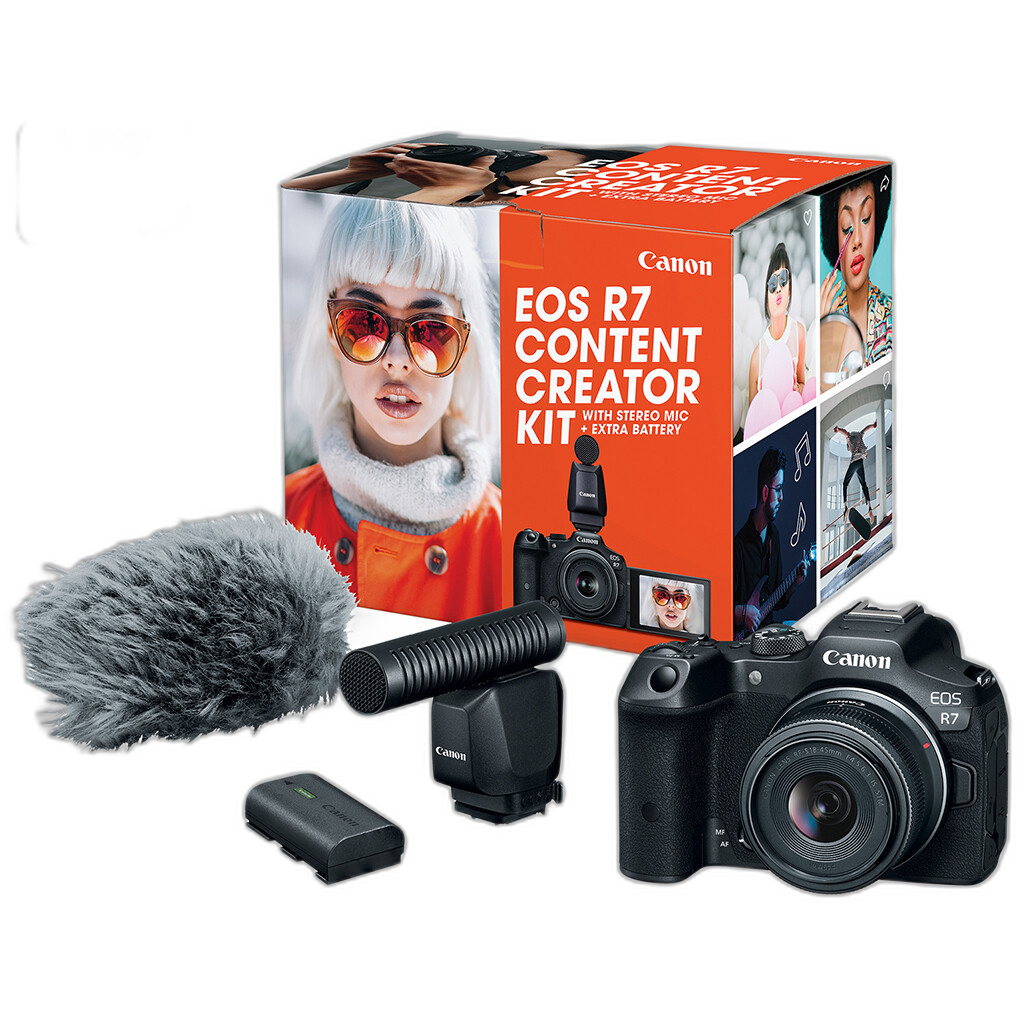
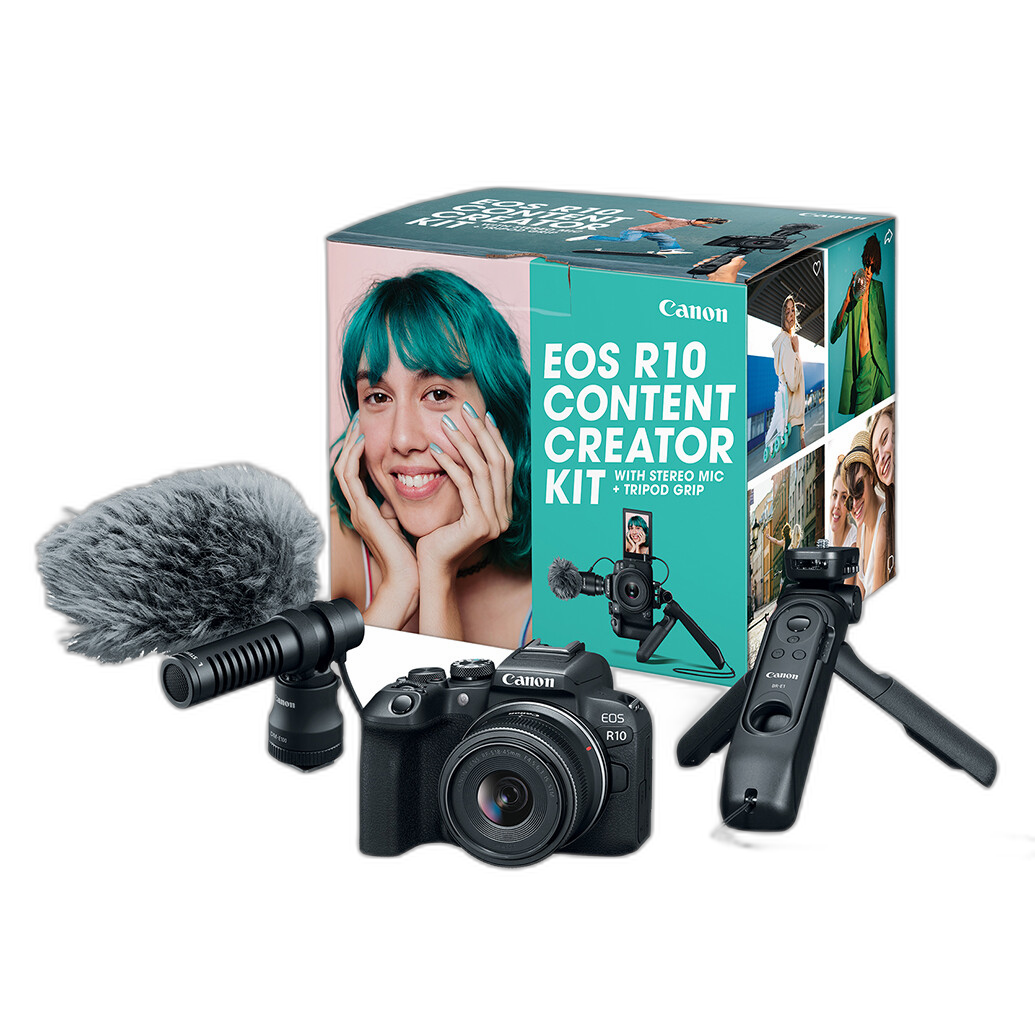
For photographers building a contest portfolio, capable modern mirrorless kits can help you react quickly to fleeting moments, changing light, and demanding compositions. Canon creator-oriented mirrorless options like the EOS R7 Content Creator Kit and EOS R10 Content Creator Kit are good examples of versatile systems that suit wildlife, portraits, street work, travel, and hybrid storytelling. You can explore both at Unique Photo.
The Best Genres and Subjects for Photo Contests
Not every contest rewards the same style, but some subjects give photographers more opportunities to create the kind of image judges remember after viewing hundreds of entries. The strongest categories usually share one thing: they deliver instant engagement.
Wildlife Photography: Drama, Rarity, and Timing
Wildlife is one of the most reliable contest genres because it combines technical difficulty with emotional appeal. Judges know how hard it is to capture a decisive moment in nature, especially when behavior, light, background, and composition all align. Images of predators in motion, birds in flight, interactions between animals, or intimate portraits with exceptional eye contact routinely perform well.
The reason wildlife succeeds is simple: it offers built-in narrative tension. A fox leaping, an owl locking eyes with the camera, or a herd moving through dramatic weather already suggests a story. Contest juries often respond strongly to that combination of visual beauty and earned difficulty.
For photographers entering this genre, patience matters more than volume. A clean background, catchlight in the eye, and behavior-driven timing can matter more than extreme focal length alone.
Portraiture: Human Connection Always Competes Well
Portraits remain one of the strongest contest subjects because they create an immediate emotional bridge between viewer and image. A compelling face, honest expression, or layered environmental portrait can outperform more technically complex images if it feels authentic and memorable.
Winning portraits often go beyond simple sharpness. They reveal character. That can mean a studio portrait with masterful light shaping, an editorial-style environmental portrait full of context, or a candid human moment captured with subtlety and empathy. Judges frequently reward portraits that feel intentional rather than decorative.
Especially competitive are portraits that balance technical excellence with social, cultural, or emotional depth. If the viewer pauses and wonders about the subject's story, the image is already doing important contest work.
Street and Documentary Photography: Storytelling in a Single Frame
Street and documentary images do well because they often combine surprise, timing, atmosphere, and meaning. In many contests, a single-frame story is more powerful than a merely attractive scene. A glance between strangers, a layered urban composition, or a moment that reflects social reality can leave a lasting impression.
What makes this genre difficult is that judges see plenty of images that rely only on novelty. To place highly, street and documentary work usually needs structure as well as spontaneity. Strong geometry, light, gesture, and emotional timing all matter.
If your goal is contests, avoid entering street photos that are only quirky. Enter the ones that reveal something human, ironic, poetic, or socially resonant.
Landscape Photography: Still Highly Competitive, but Harder to Differentiate
Landscape photography remains popular in contests because dramatic scenery naturally attracts attention. However, it is also one of the most crowded categories. Judges see endless mountain vistas, waterfalls, sunsets, and misty forests. That means beautiful is not enough.
To win with landscapes, your image usually needs either extraordinary light, rare conditions, a fresh point of view, or exceptionally refined composition. Intimate landscapes and minimalist scenes often perform better than generic grand vistas because they feel more personal and less interchangeable.
This is a genre where editing discipline is critical. Overprocessed skies, excessive HDR, and unrealistic color can quickly weaken an entry with experienced judges.
Black-and-White Fine Art: Strong When Concept and Execution Align
Black-and-white images can do very well in contests because they strip away distraction and emphasize form, contrast, mood, and concept. They are especially effective in portraiture, architecture, documentary work, and fine art studies of shape and light.
That said, monochrome does not automatically make an image more artistic. Contest judges usually respond when black-and-white feels essential to the image rather than applied as a stylistic shortcut. If removing color increases tension, timelessness, graphic impact, or emotional weight, it can be a winning choice.
Macro and Close-Up Photography: Precision That Impresses
Macro photography performs well when it reveals a world viewers rarely notice on their own. Insects, textures, droplets, flowers, and abstract natural forms can all become contest-worthy subjects because they blend detail, novelty, and visual design.
This genre rewards excellent technique. Sharpness placement, depth of field control, lighting finesse, and clean composition matter enormously. Because of that, judges often respect strong macro images as evidence of both vision and discipline.
Architecture and Minimalism: Graphic Strength for the Right Contest
Architecture and minimalist work can excel in competitions that value composition, abstraction, and visual restraint. Bold lines, repeating shapes, negative space, and careful tonal control can make these images stand out among more chaotic entries.
These genres work best when they go beyond documentation. A successful contest image in architecture is not simply a record of a building. It is a transformation of structure into design, rhythm, or mood.
Which Genres Usually Have the Best Odds?
If the goal is maximizing your chances broadly across many contests, the most dependable categories are:
- Wildlife with behavior or action
- Portraits with emotional depth
- Documentary or street images with clear storytelling
- Landscapes with rare light or a unique perspective
- Macro images with exceptional technical precision
These subjects repeatedly perform well because they can deliver both instant visual appeal and deeper engagement on second look.
How the Right Camera Kit Supports Contest-Worthy Images
Although contest success ultimately comes down to vision, timing, and editing choices, reliable gear absolutely helps. Fast autofocus, strong burst performance, good image quality, and lightweight portability all matter when you are chasing decisive moments or changing conditions.
Canon EOS R7 Content Creator Kit Review Context
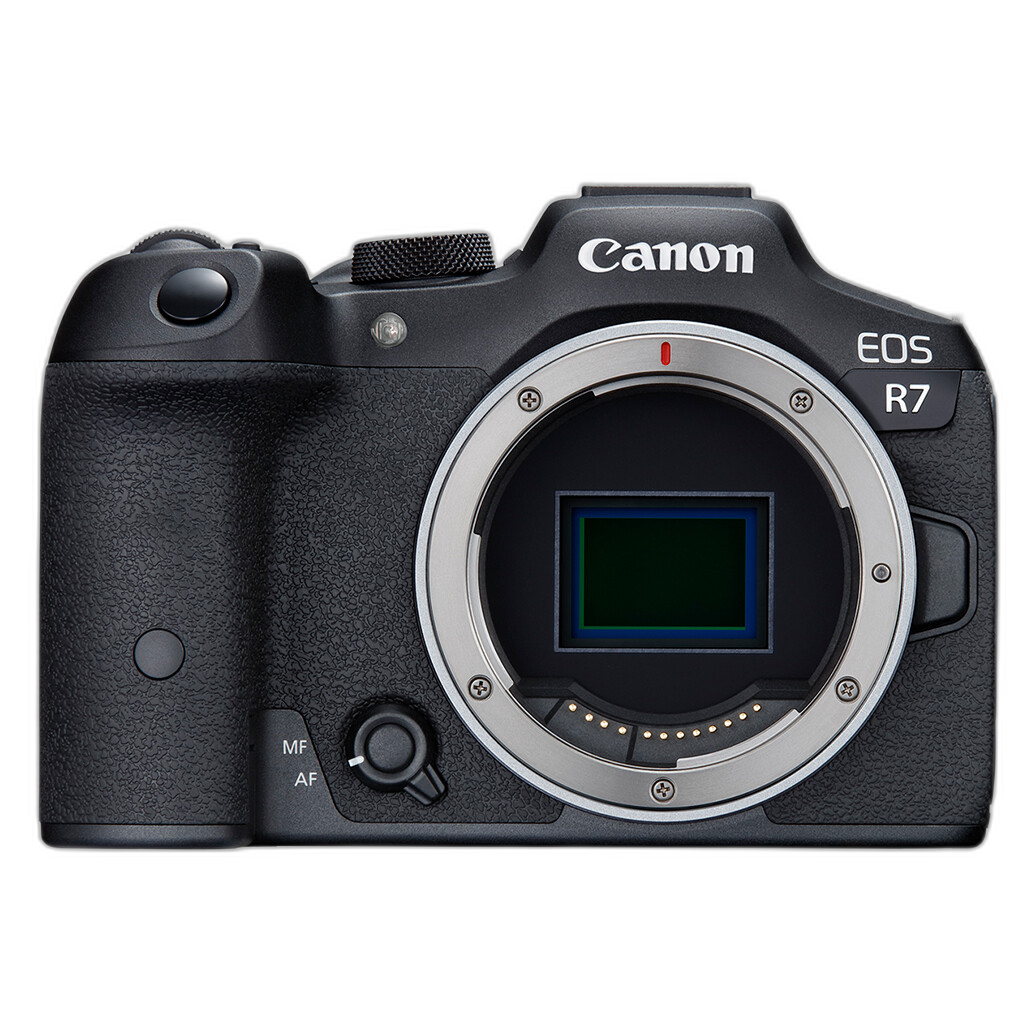
The Canon EOS R7 Content Creator Kit is especially appealing for contest-minded shooters who want speed and versatility. Its APS-C format gives extra reach for wildlife and action, making it a strong fit for photographers targeting birds, outdoor subjects, and documentary situations where subject distance matters. As a contest tool, it is well positioned for the kinds of dynamic genres that frequently place well.
Canon EOS R10 Content Creator Kit Review Context
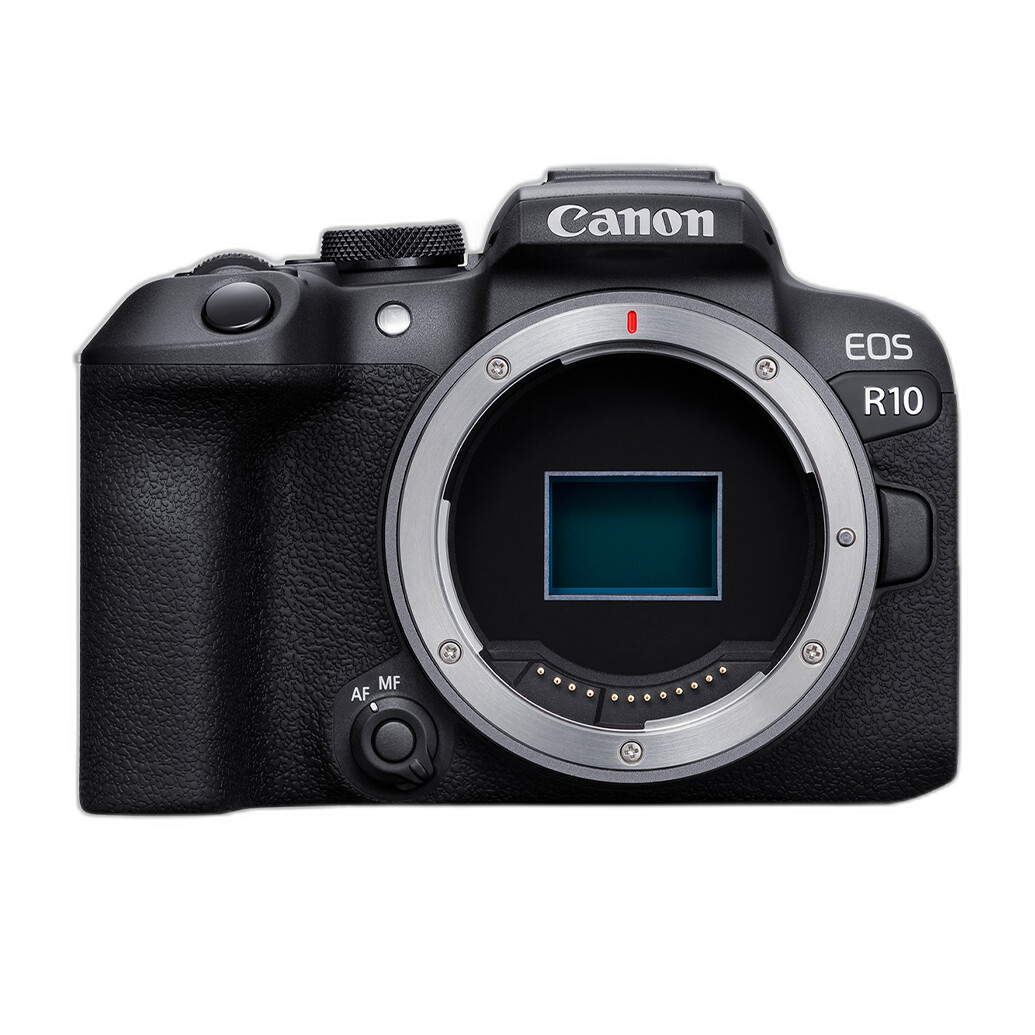
The Canon EOS R10 Content Creator Kit makes a lot of sense for emerging competitors who want a more accessible mirrorless option without giving up responsiveness. For portraits, travel, street photography, and general contest shooting, it offers a flexible entry into the EOS R ecosystem. That makes it a smart buy for photographers building a diverse submission portfolio.
Pros and Cons of Focusing on Popular Contest Genres
Pros
- Higher chance of matching what judges already know how to evaluate and reward
- More opportunities to create emotionally immediate images
- Easier to study past winners and identify patterns
- Popular genres often align well with versatile modern mirrorless cameras
- A focused genre approach can help strengthen your portfolio faster
Cons
- Highly popular categories are often the most crowded
- Generic versions of strong genres rarely stand out
- Photographers may chase trends instead of developing personal style
- Some contests reward originality over category familiarity
- Technical excellence alone is rarely enough in saturated genres like landscape and portraiture
What Judges Usually Want, Regardless of Genre
Even when certain subjects have an edge, judges typically respond to the same core qualities:
- A clear focal point
- Strong emotional or narrative impact
- Intentional composition
- Technical control without distracting flaws
- Originality or at least a fresh angle on a familiar subject
- Editing that supports rather than overwhelms the image
This is why choosing the right genre is only half the equation. The better strategy is to work in genres that naturally support these strengths and then pursue uncommon moments within them.
Verdict: The Best Contest Subjects Are the Ones That Combine Impact and Story
If you want the most practical answer, wildlife, portraiture, documentary/street, and refined macro work offer some of the strongest odds in photo contests because they naturally combine difficulty, engagement, and storytelling. Landscapes can absolutely win too, but they demand a more distinctive visual approach because of how saturated the category has become.
The best recommendation is to choose a contest-friendly genre that genuinely fits your instincts. If you love waiting for animal behavior, pursue wildlife. If you connect with people, invest in portraiture. If you notice layered moments in everyday life, build a documentary eye. Contest success usually comes when technical skill meets authentic curiosity.
For photographers ready to build a stronger competition portfolio, versatile mirrorless options like the Canon EOS R7 Content Creator Kit and Canon EOS R10 Content Creator Kit are worth considering, and Unique Photo is an excellent place to buy them and get started with the right system.