Panasonic GH6 vs Sony FX3 for Documentary Filmmaking
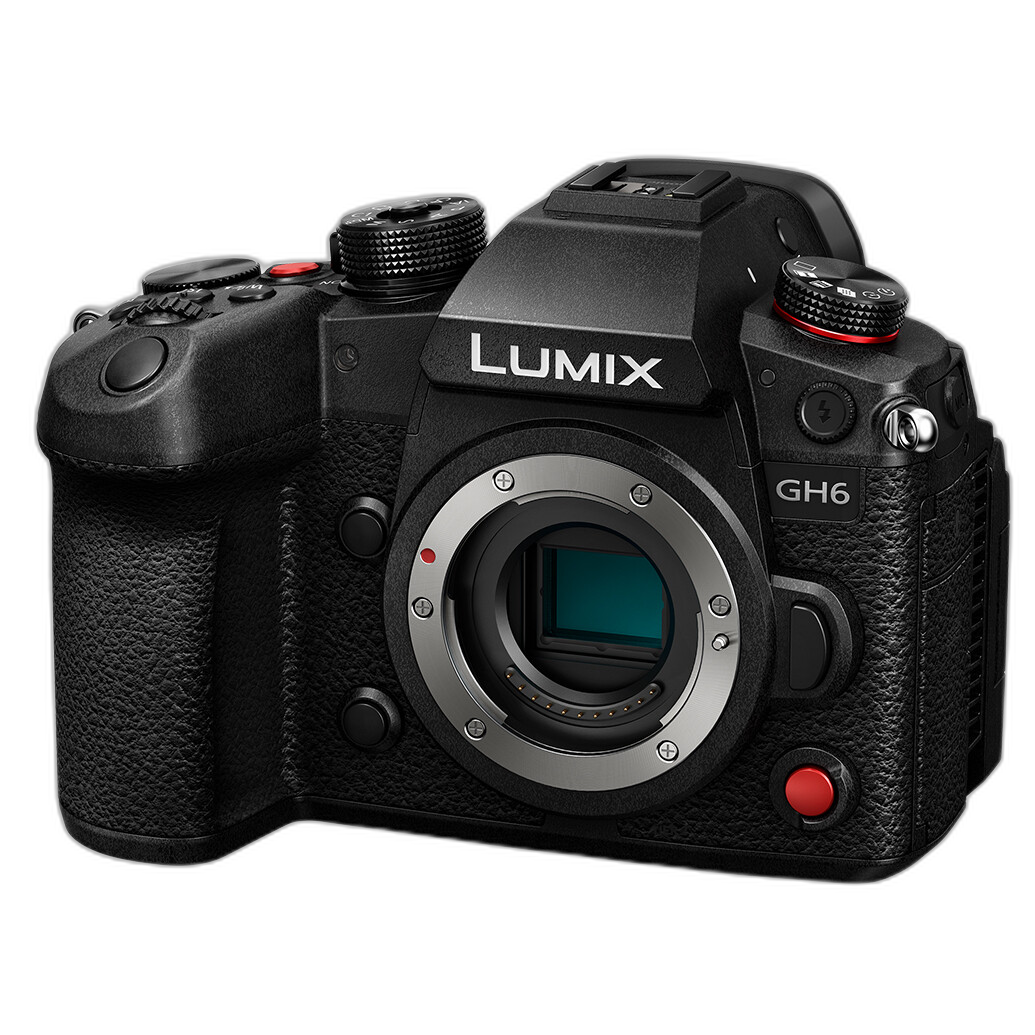
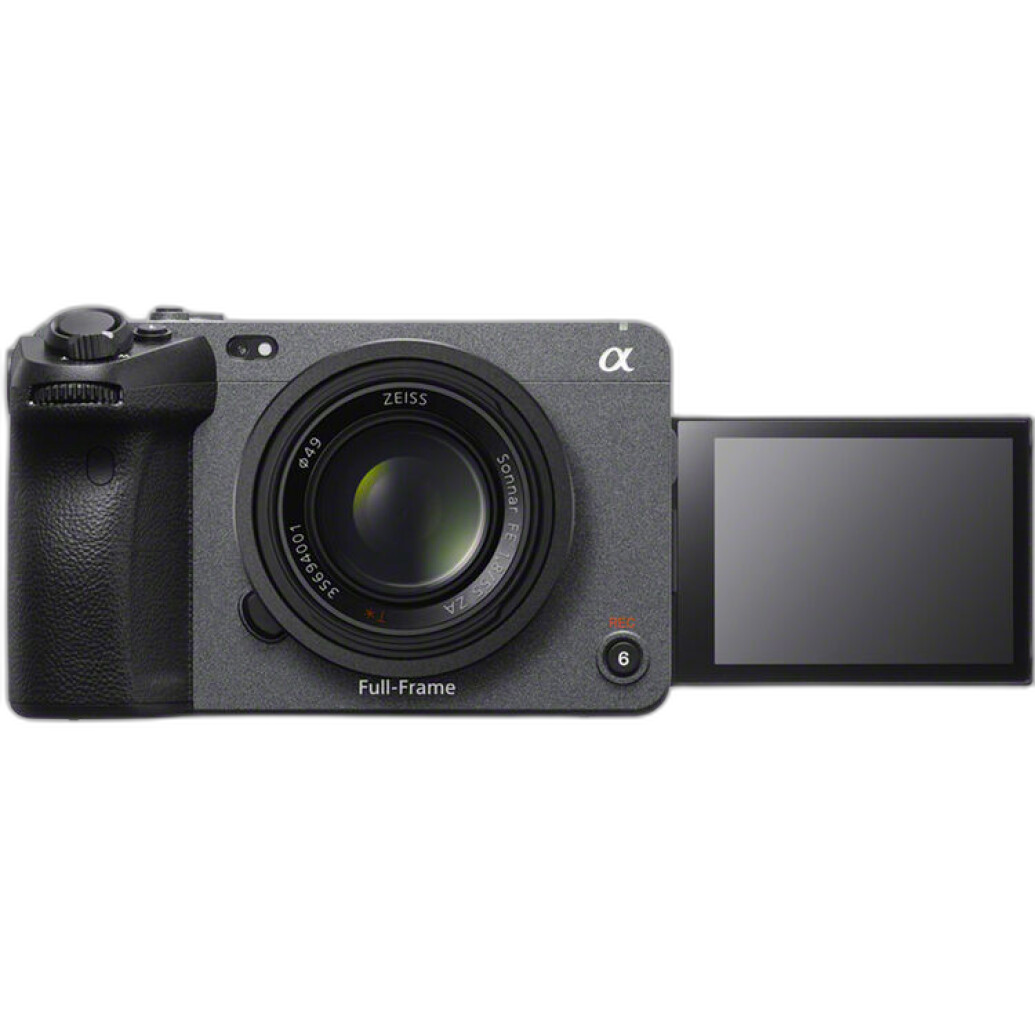
Documentary shooters need a camera that can handle long recording sessions, changing light, fast-moving situations, reliable autofocus or manual focus support, strong stabilization, and professional video tools. In this comparison, we’re looking at the Panasonic LUMIX GH6 and the Sony FX3—two very different cameras that both appeal to serious video creators. The GH6 is a feature-rich Micro Four Thirds hybrid body with deep codec options and excellent internal recording flexibility, while the FX3 is a compact full-frame cinema camera built for low-light performance, speed, and streamlined production workflows.
For documentary work, the choice often comes down to your shooting style: do you value portability, reach, recording flexibility, and budget-conscious lens options, or do you prioritize low-light performance, full-frame look, autofocus confidence, and a cinema-oriented platform?
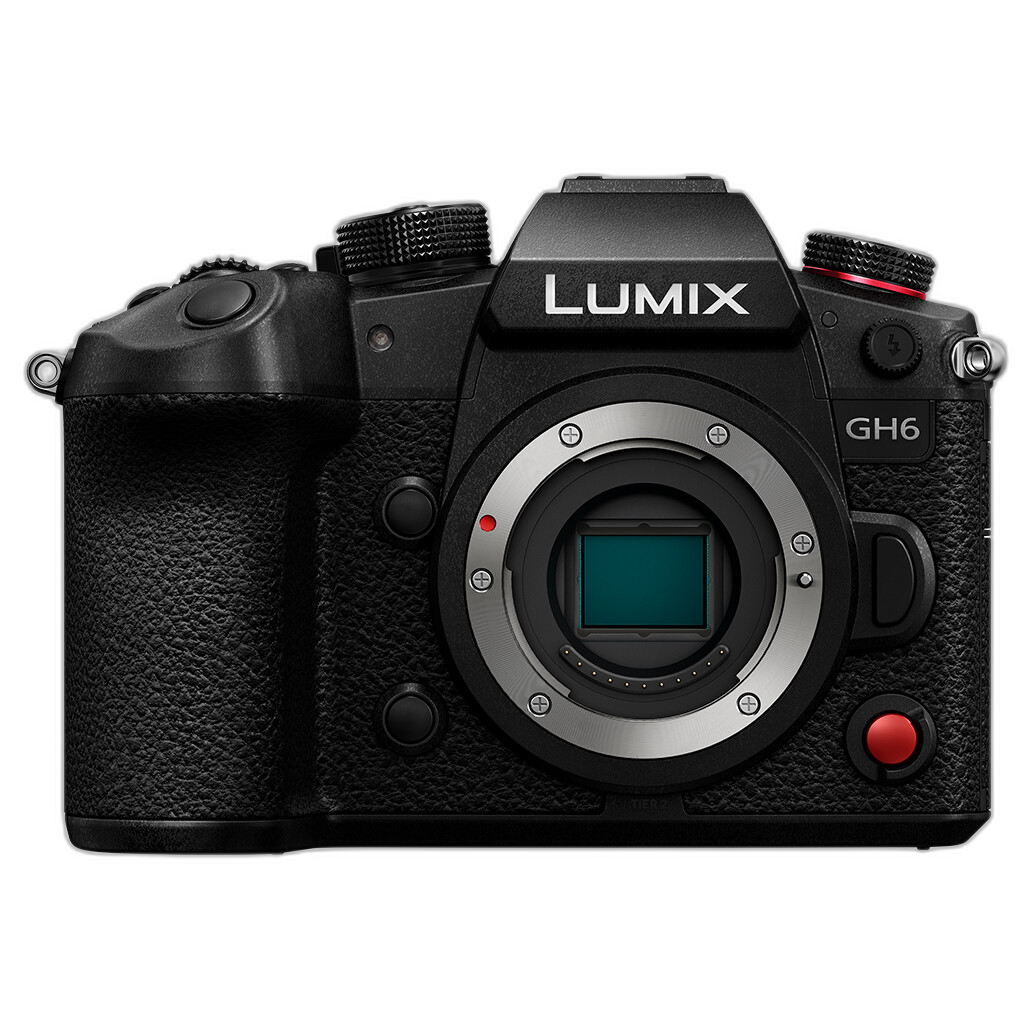
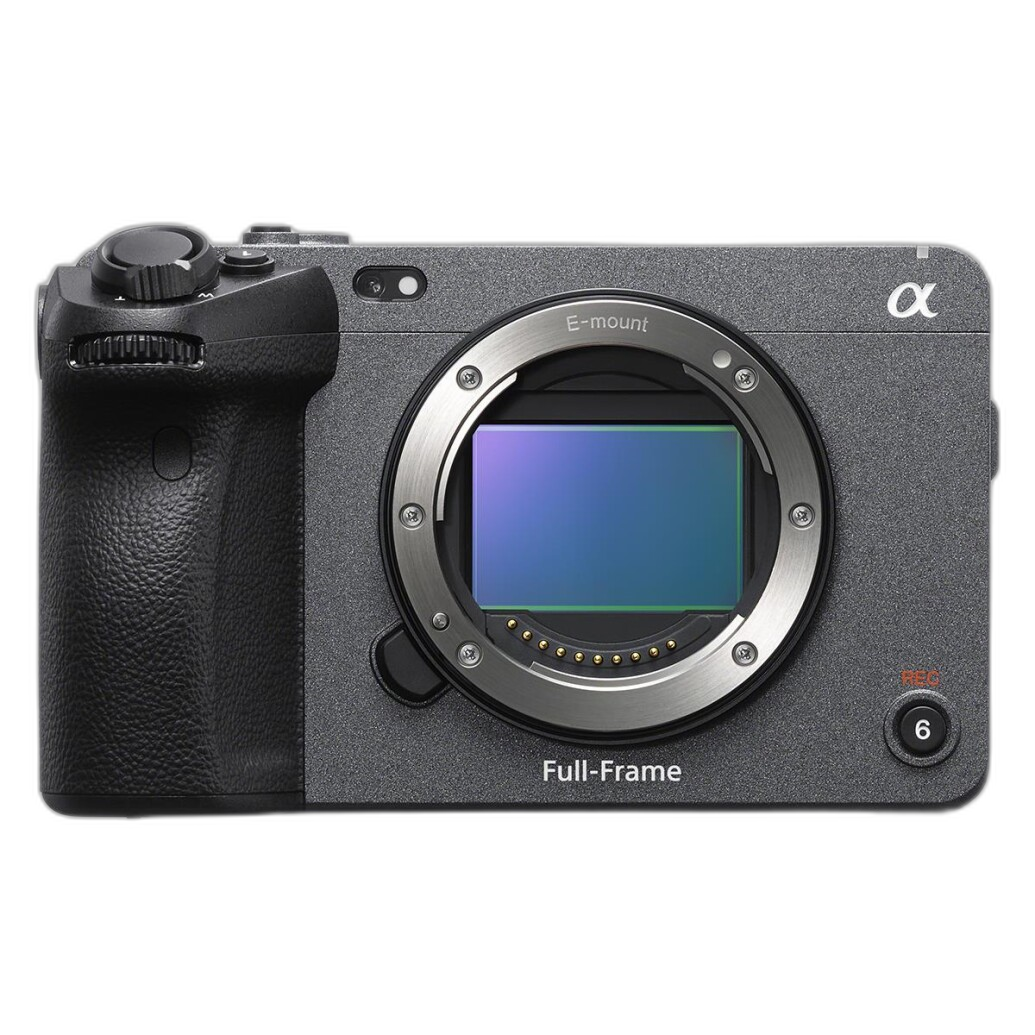
Side-by-Side Specs
| Feature | Panasonic GH6 | Sony FX3 |
|---|---|---|
| Sensor Format | Micro Four Thirds | Full Frame |
| Primary Use Case | Hybrid photo/video with advanced internal codecs | Cinema-focused compact full-frame video camera |
| Low-Light Advantage | Good, but smaller sensor | Excellent, thanks to full-frame sensor |
| Stabilization | Strong in-body stabilization | In-body stabilization with active modes and strong handheld usability |
| Internal Recording | Very broad internal codec and resolution options | Robust professional internal recording with strong workflow support |
| Autofocus Reputation | Capable, but less favored for continuous AF than Sony | Excellent subject tracking and continuous AF performance |
| Lens Ecosystem | Micro Four Thirds, compact and affordable | Sony E-mount, extensive cinema and hybrid options |
| Portability | Compact body and small-lens system advantage | Compact body, but full-frame lenses can be larger |
| Documentary Strength | Run-and-gun flexibility, recording depth, system portability | Low light, autofocus, cinematic full-frame rendering |
Design and Documentary Handling
Panasonic GH6 in the Field
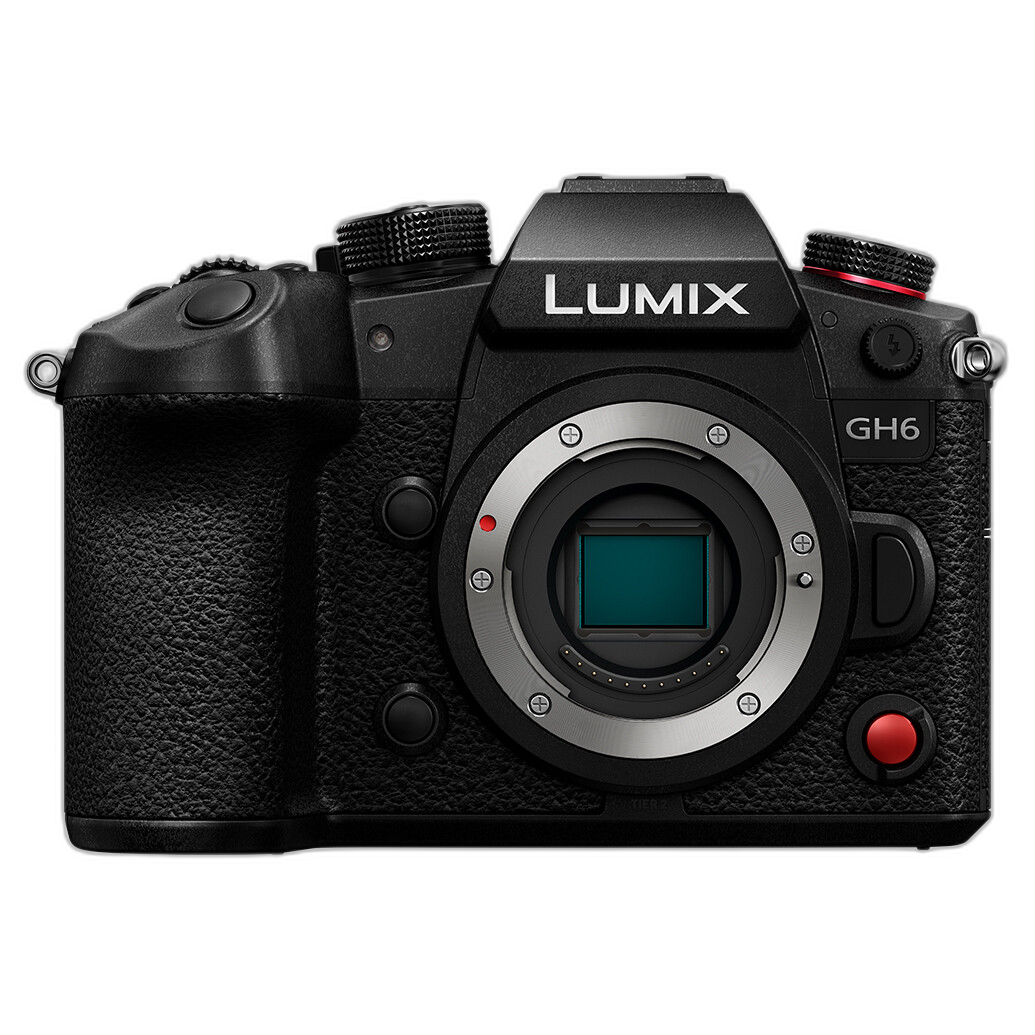
The GH6 is a strong fit for documentarians who need a compact setup without sacrificing serious internal recording tools. Its Micro Four Thirds format helps keep overall rig size manageable, especially if you’re working with multiple lenses, traveling often, or shooting handheld for extended periods. For vérité-style work, that smaller overall system can be a real advantage.
The GH6 also appeals to filmmakers who like to stay lightweight while still capturing robust files internally. If you often shoot solo, need to move quickly, or want a camera that can adapt to interviews, b-roll, and controlled pickups without much external gear, the GH6 makes a compelling case.
Sony FX3 in the Field
The FX3 is purpose-built with video creators in mind. Its compact cinema-style design makes it especially attractive for documentaries that blend handheld shooting, gimbal work, vehicle shots, and stripped-down rigs. It feels like a camera designed to get out of the way so you can focus on the story.
For shooters who regularly capture unfolding moments and can’t afford to miss focus or exposure opportunities, the FX3’s usability is one of its biggest selling points. It’s especially attractive for documentary professionals working in fast-changing environments where reliability matters as much as image quality.
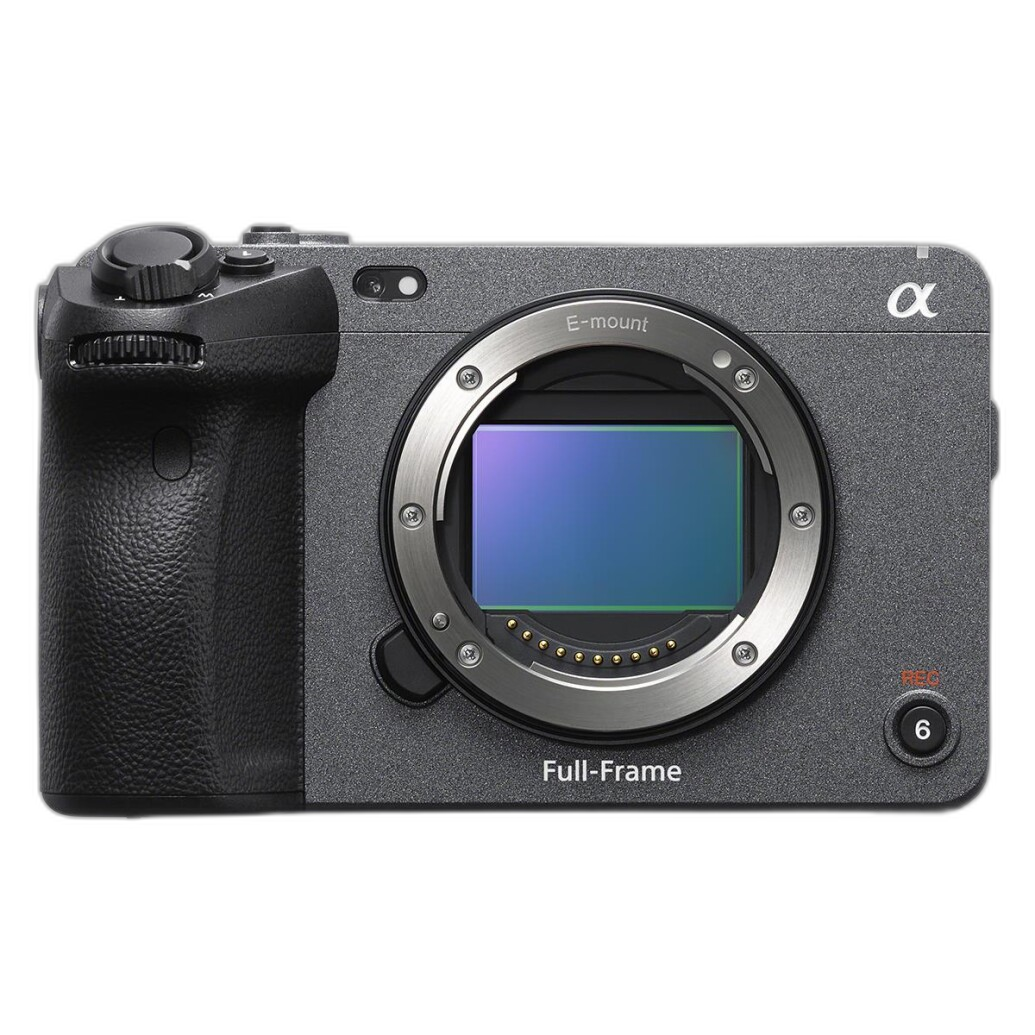
Image Quality and Sensor Differences
GH6: Detail, Reach, and Efficient System Size
The GH6’s Micro Four Thirds sensor gives it a different character than the FX3. For documentary shooters, one practical advantage is lens efficiency: it’s easier to build a smaller kit with meaningful telephoto reach. That’s useful for wildlife documentary, travel stories, event coverage, and observational work where you may need extra reach without carrying large lenses.
The GH6 can also be a smart choice for filmmakers who shoot mostly in controlled or moderate lighting and want advanced capture formats more than a full-frame look. If your projects tend to be daylight-heavy, interview-based, or support a more deliberate production style, the GH6 delivers a lot of creative flexibility.
FX3: Full-Frame Look and Low-Light Confidence
The FX3’s full-frame sensor gives it a clear advantage for low-light documentary production. Night exteriors, dim interiors, concerts, vérité work in available light, and unpredictable event environments all play to the FX3’s strengths. Cleaner high-ISO performance can mean less lighting gear, faster setups, and more freedom to preserve the authenticity of a scene.
The full-frame aesthetic can also be a deciding factor. If you want shallower depth of field, more subject separation, and a more cinematic rendering straight out of the camera, the FX3 has the edge. For many documentary filmmakers, especially those working on branded docs, streaming content, or high-end client work, that matters.
Autofocus and Run-and-Gun Performance
Sony FX3 Takes the Lead
In documentary production, autofocus can be the difference between getting the shot and missing it. The FX3 is widely favored for continuous autofocus and subject tracking, making it especially useful for solo operators, interview shooters working wide open, and filmmakers moving quickly through uncontrolled environments.
If you regularly follow subjects, shoot while walking backward, work on a gimbal, or need dependable eye detection during live moments, the FX3 is the safer choice.
GH6 Rewards a More Deliberate Operator
The GH6 can absolutely be used effectively for documentaries, but its appeal is stronger for shooters who are comfortable with manual focus techniques, controlled setups, or a more intentional operating style. If your work leans toward interviews, composed b-roll, tripod or monopod use, and carefully planned coverage, the autofocus difference may matter less.
Stabilization and Handheld Shooting
GH6: A Strong Handheld Companion
The GH6 is known for strong in-body image stabilization, which is particularly valuable for documentary creators who prefer to work handheld but still want smooth, usable footage. Combined with smaller lenses, it can create an agile package that feels less fatiguing over long days in the field.
FX3: Excellent for Mobile Production
The FX3 is also highly capable for handheld work, especially when paired with Sony’s stabilization tools and a shooting style built around mobility. It is a great option for documentarians who alternate between handheld, gimbal, and rigged setups throughout the day.
Audio, Workflow, and Production Flexibility
GH6: Internal Recording Depth Matters
One of the GH6’s biggest strengths is how much recording flexibility it offers internally. For documentary filmmakers who want serious codecs and broad recording options in-camera, the GH6 is a standout. That can reduce dependence on external recorders and streamline smaller productions.
If post-production flexibility is high on your list and you want a camera that punches above its size in terms of recording options, the GH6 is very attractive.
FX3: Professional Cinema Workflow Appeal
The FX3 fits neatly into professional video workflows and feels especially at home on productions that may scale from solo doc work to crew-based shoots. Its cinema-oriented design and strong overall video feature set make it easy to integrate into more demanding production environments.
For filmmakers who need a camera that can serve as both a documentary tool and a compact cinema body for commercial or narrative crossover work, the FX3 has excellent long-term value.
Lens Ecosystem and Budget Considerations
GH6: Smaller, More Affordable System Building
Micro Four Thirds remains a practical format for documentary shooters who care about travel weight, lens affordability, and system compactness. Building a versatile GH6 kit with wide, normal, and telephoto coverage is often easier on the budget and easier on your back.
That makes the GH6 especially appealing for independent documentarians, students, and owner-operators who need maximum flexibility per dollar.
FX3: Premium System, Premium Results
The FX3 sits in a more premium ecosystem. Sony E-mount offers excellent options, but full-frame glass can increase total kit cost and size. Still, for many professionals, the image quality, autofocus performance, and low-light reliability justify that investment.
Our Pick
For most documentary filmmakers, the Sony FX3 is our pick if your priority is dependable autofocus, low-light performance, and a polished full-frame cinema image in a compact body. It’s the better choice for fast-moving, unpredictable documentary environments where you need the camera to keep up without compromise.
Choose the Panasonic GH6 instead if you want a more affordable, highly capable video platform with outstanding internal recording options, strong stabilization, and the size advantages of Micro Four Thirds. It’s a terrific fit for travel docs, controlled interviews, educational productions, and filmmakers who value codec flexibility and a lighter lens kit.
Conclusion
The Panasonic GH6 and Sony FX3 are both excellent tools for documentary work, but they serve different priorities. The GH6 stands out for value, stabilization, compact system design, and internal recording flexibility. The FX3 stands out for autofocus, low-light performance, and its full-frame cinema-first approach. If your documentary style depends on speed and unpredictability, the FX3 is easier to recommend. If you want deep video features in a smaller, more budget-friendly system, the GH6 remains a powerful alternative. To explore new, open box, and used options for cameras like these, shop with Unique Photo.